鸡蛋价格上涨

Search documents
受节日影响,山东利津鸡蛋价格持续上涨
Zhong Guo Fa Zhan Wang· 2026-02-02 09:05
Core Viewpoint - The price of eggs in Lijin County, Shandong Province, has been continuously rising, with the latest retail price reaching 4.6 yuan per jin, marking a 35% increase compared to the same period last month [1] Price Trends - Since late December 2025, egg prices have stabilized from a low point and entered an upward trend, accelerating in January 2026 [1] - Specific price points include: - January 8: 3.5 yuan per jin - January 15: 3.8 yuan per jin (up 8.6% from the beginning of the month) - January 22: 4.2 yuan per jin (up 10.5% from the previous week) - January 29: 4.6 yuan per jin (up 9.5% from the previous week) - The price has increased for four consecutive weeks, showing a significant cumulative rise [1] Reasons for Price Increase - The primary reasons for the continuous rise in egg prices include: - Lower egg production rates due to cold winter temperatures, leading to tighter market supply [1] - Increased demand for food processing and household stocking ahead of the Spring Festival, driving prices up [1] - High costs of feed and other farming expenses providing a price support [1] - The low price level of eggs in Q4 2025 (3.2-3.5 yuan per jin) contributing to a cyclical price correction [1] Future Outlook - With the Spring Festival approaching, consumer demand is expected to remain strong, and egg prices are likely to continue operating at high levels in the short term [1] - After the festival, as demand subsides, prices are anticipated to stabilize gradually [1]
禽流感阴霾下 韩国蛋价上涨
Yang Shi Xin Wen· 2025-12-26 02:30
Core Viewpoint - South Korea is experiencing a rise in egg prices due to multiple outbreaks of highly pathogenic avian influenza, which may severely impact egg supply [1] Group 1: Price and Supply Impact - The retail average price of a 30-pack of large eggs in South Korea exceeded 7,000 KRW (approximately 34 RMB) last week, compared to a range of 6,000 KRW (29 RMB) to 7,000 KRW in November [1] - The average daily egg production in South Korea is about 50 million eggs, with the culling of hens expected to lead to a 3% to 4% decrease in egg production [1] - Despite the outbreaks, the Ministry of Agriculture, Food and Rural Affairs stated that the current egg supply has not been significantly affected, with egg production roughly in line with the same period last year [1] Group 2: Outbreak Statistics - As of December 24, South Korea reported three new cases of highly pathogenic avian influenza, bringing the total number of outbreaks this season to 21 [1] - Since the beginning of winter, 11 outbreaks have been reported in egg-laying farms, nearly double the number from the same period last year [1] - During the previous avian influenza season, South Korea reported a total of 46 outbreaks, resulting in the culling of over one million chickens, which previously caused a spike in egg prices [1]
日本禽流感疫情蔓延 涉疫禽类逾150万只
Yang Shi Xin Wen Ke Hu Duan· 2025-11-09 23:35
Core Points - A highly pathogenic avian influenza outbreak has been confirmed at a poultry farm in Niigata Prefecture, Japan, leading to the emergency culling of approximately 280,000 affected chickens [1] - Since the start of the current avian influenza season, Japan has reported four outbreaks, with a total of over 1.5 million affected birds [1] - The local government has imposed restrictions on poultry and egg transportation within a 10-kilometer radius of the outbreak site to prevent further spread [1] Summary by Category Outbreak Details - The outbreak was confirmed on October 9, following an increase in reported deaths among chickens at the farm [1] - This is the second outbreak reported in Niigata Prefecture during the current avian influenza season, which typically runs from autumn to spring [1] - The first outbreak of the current season was reported on October 22 in Hokkaido, resulting in the culling of about 450,000 chickens [1] Economic Impact - Rising feed prices and reduced production due to summer heat have already driven up egg prices in Japan, which are currently at a high level [1] - The spread of avian influenza has raised concerns about further increases in egg prices [1] - From October 2022 to April 2023, over 17 million birds were culled due to avian influenza, setting a record for the highest number of culled birds in a single outbreak season in Japan [1] - The previous outbreaks led to a shortage of eggs in Japan, causing a situation referred to as "egg scarcity" [1]
价格逼近历史最高值 鸡蛋在日本变身高级食材
Sou Hu Cai Jing· 2025-10-28 12:10
Core Insights - Japanese egg prices have surged recently, nearing historical highs due to rising feed costs and reduced production from summer heat [1] - The wholesale price of medium-sized eggs in Tokyo reached 325 yen per kilogram, close to the peak of 350 yen per kilogram seen during the "egg shortage" in spring 2023 [1] - Many restaurants and cake shops are struggling with increased costs, leading to concerns about potential customer loss due to price hikes [1] - The first case of highly pathogenic avian influenza in Hokkaido has heightened fears regarding further increases in egg prices [1] Industry Impact - The rise in egg prices has transformed eggs into a "premium ingredient" in Japan [1] - Restaurant owners, particularly those specializing in egg dishes, report that this year has been the most challenging in over a decade due to escalating prices of eggs and other ingredients [1] - The overall increase in food costs is prompting businesses to raise menu prices, which may deter customers [1]


日本鸡蛋价格逼近历史最高值 变身“高级食材”
Xin Hua She· 2025-10-28 02:49
Group 1 - Recent reports indicate that egg prices in Japan are surging due to rising feed costs and reduced production caused by high summer temperatures, nearing historical highs [1][2] - The wholesale price of medium-sized eggs in Tokyo reached 325 yen per kilogram, close to the record high of 350 yen per kilogram observed during the "egg shortage" in spring 2023 [1] - Many restaurants and cake shops are struggling with increased costs due to rising egg prices, leading to concerns about potential customer loss if they raise menu prices [1] Group 2 - The first case of highly pathogenic avian influenza this season was confirmed in Hokkaido, raising further concerns about egg price increases [2] - Compared to the previous avian influenza season, the current season's first outbreak occurred about a week earlier, which could lead to higher egg prices if the outbreak spreads [2] - During the 2022-2023 avian influenza season, over 17 million birds were culled in Japan, marking the highest number for a single season, which significantly impacted egg supply and prices [2]

日本鸡蛋价格逼近历史最高值:一公斤鸡蛋批发价约15元人民币
Sou Hu Cai Jing· 2025-10-28 02:42
Group 1 - Recent surge in egg prices in Japan due to rising feed costs and reduced production from summer heat, nearing historical highs [1][2] - As of July 27, the wholesale price of medium-sized eggs in Tokyo reached 325 yen per kilogram, close to the peak of 350 yen per kilogram during the "egg shortage" in spring 2023 [1] - Many restaurants and cake shops are struggling with increased costs, leading to concerns about potential loss of customers due to price hikes [1] Group 2 - The first case of highly pathogenic avian influenza was confirmed in Hokkaido on May 22, raising concerns about further increases in egg prices [2] - The current avian influenza season has started approximately one week earlier than the previous season, which could lead to a new record in egg prices if the outbreak spreads [2] - From October 2022 to April 2023, over 17 million birds were culled in Japan due to avian influenza, marking the highest number of culls in a single season [2]

日本鸡蛋价格逼近历史最高值,变身“高级食材”
Sou Hu Cai Jing· 2025-10-27 12:53
Core Insights - Japanese egg prices have surged recently, nearing historical highs due to rising feed costs and reduced production from summer heat [1] - Eggs have transformed into a "premium ingredient" in Japan, reflecting significant market changes [1] Price Trends - As of October 27, the wholesale price of medium-sized eggs in Tokyo reached 325 yen per kilogram (approximately 15 RMB), close to the historical peak of 350 yen per kilogram (approximately 16.3 RMB) recorded during the "egg shortage" in spring 2023 [1]
日本鸡蛋价格逼近历史最高值
Sou Hu Cai Jing· 2025-10-27 12:41
Core Viewpoint - Recent reports indicate that egg prices in Japan have surged due to rising feed costs and reduced production caused by high summer temperatures, approaching historical highs, with eggs now considered a "premium ingredient" [1] Group 1: Price Trends - The wholesale price of medium-sized eggs in the Tokyo area reached 325 yen per kilogram (approximately 15 RMB) on the 27th, nearing the historical peak of 350 yen per kilogram (approximately 16.3 RMB) recorded during the "egg shortage" in spring 2023 [1]
日本鸡蛋价格逼近历史最高值 变身“高级食材”
Xin Hua She· 2025-10-27 12:33
Core Points - Japanese egg prices have surged recently, nearing historical highs due to rising feed costs and reduced production from summer heat [1] - The wholesale price of medium-sized eggs in Tokyo reached 325 yen per kilogram, close to the record high of 350 yen per kilogram during the "egg shortage" in spring 2023 [1] - The current avian influenza outbreak in Hokkaido has raised concerns about further price increases, with the first case occurring about a week earlier than the previous season [1] Industry Impact - Many restaurants and cake shops are struggling with increased costs due to rising egg prices, leading to potential price hikes for consumers [1] - A restaurant owner specializing in omelet rice reported that this year has been the most challenging in 11 years, with rising prices for eggs, rice, and other ingredients [1] - The avian influenza outbreak could exacerbate the supply shortage, as over 17 million birds were culled during the previous outbreak season, marking a record high for Japan [1]
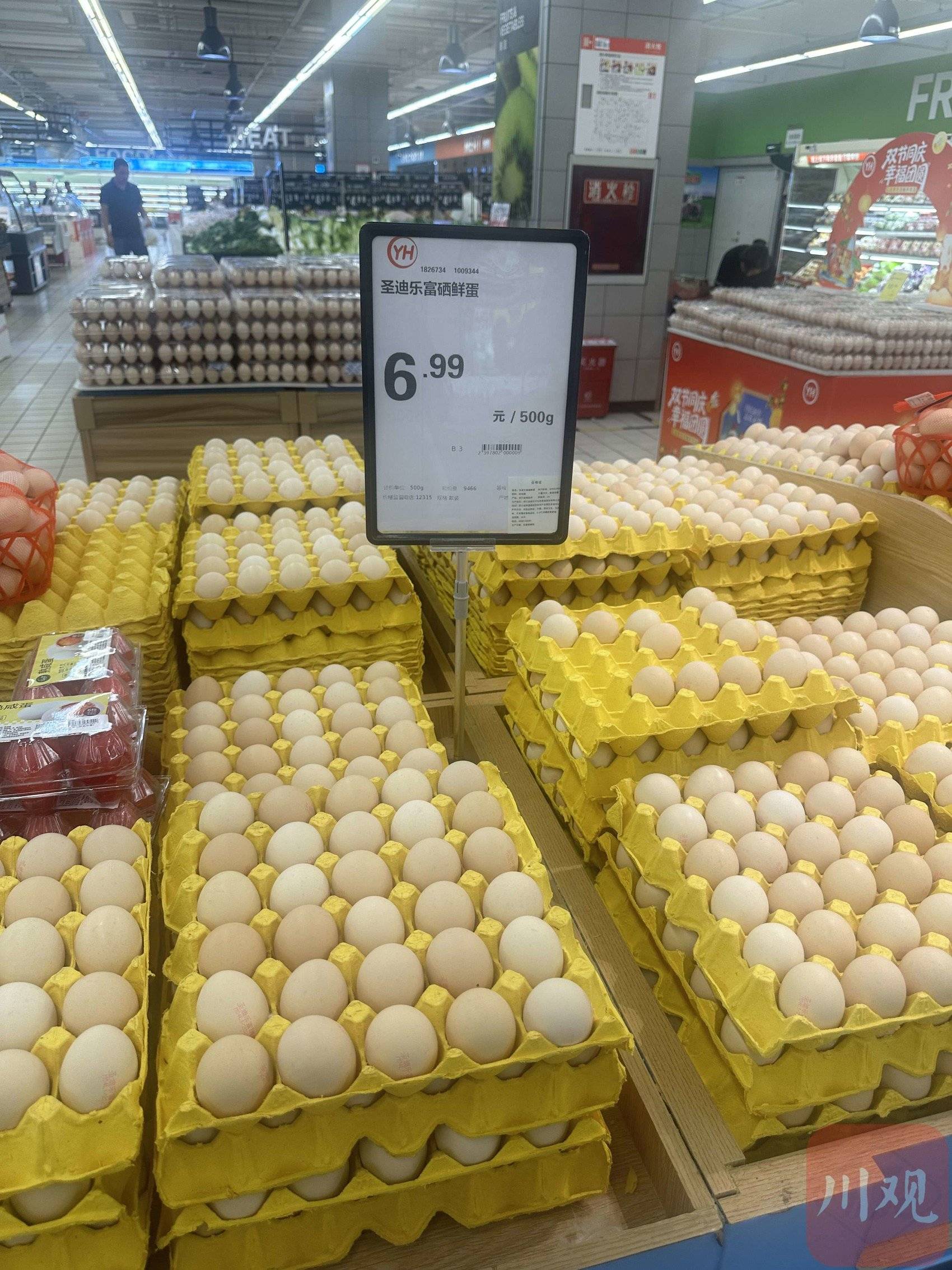
鸡蛋批发价涨进“4元区” 原因:消费旺季和产蛋鸡存栏数减少
Sou Hu Cai Jing· 2025-09-16 02:21
Core Viewpoint - The price of eggs in Sichuan has seen a significant increase in September after a low period in the first half of the year, driven by seasonal demand and a decrease in the number of laying hens [1][8]. Price Trends - In the Jinsha Agricultural Market, the price of ordinary eggs has risen to 4.9 yuan per jin, while selenium-rich eggs are priced at 8 yuan per jin [1]. - In a small market in the Shajing area of Jinjiang District, the price of ordinary free-range eggs exceeds 10 yuan per jin [2]. - At a large supermarket, the price of eggs has increased from 7.5 yuan to 11.9 yuan per jin for a specific brand of eggs [3]. Supply and Demand Dynamics - The demand for eggs has significantly increased since September, with a reported 50% rise in daily wholesale volumes compared to previous periods [6]. - The current wholesale price for eggs is between 4 to 4.2 yuan per jin, up from a low of 2.8 yuan earlier in the year, indicating a price increase of 40% to 50% [6][8]. Market Conditions - The overall egg production in Sichuan was 1.755 million tons last year, with an estimated per capita consumption of about 400 eggs [8]. - The cost of feed, particularly corn, has decreased by approximately 20% compared to previous years, contributing to lower egg prices earlier in the year [7]. Seasonal Factors - The upcoming Mid-Autumn Festival and National Day are expected to drive up demand for eggs, particularly for mooncake production, which requires a large quantity of eggs [8]. - The start of the school year has also led to increased bulk purchases by school cafeterias, further boosting demand [8]. Production Challenges - The number of laying hens has decreased due to a combination of voluntary culling by farmers and financial pressures leading to reduced production [8]. - Despite the recent price increases, current wholesale prices are still lower than the same period last year, when prices reached 5 yuan per jin [8]. Consumer Preferences - There is a growing consumer preference for high-quality egg products, particularly those derived from local chicken breeds, which are becoming increasingly popular [8][9].