鸵鸟心态

Search documents
小心!这种心理正在让你亏钱
Sou Hu Cai Jing· 2025-12-14 02:51
Market Overview - Global markets showed divergence this week with a cooling risk appetite; the Dow Jones increased by 1.05% while the Nasdaq fell by 1.62%, indicating a shift of funds away from overvalued growth stocks [1] - European stocks remained weak, while Asian markets, particularly in China, Japan, and South Korea, saw gains; Hong Kong stocks slightly declined by 0.42% [1] - In the commodity sector, oil prices decreased, while gold and copper prices strengthened [1] A-Share Market Dynamics - The A-share market exhibited structural fluctuations, with the ChiNext Index rising by 2.74% and the Sci-Tech 50 Index increasing by 1.72%, showcasing resilience in the technology growth sector; however, the CSI 300 and Shanghai Composite Index experienced slight declines [1] - Market turnover shrank, leading to a focus on small and mid-cap growth sectors amid a stock game [1] Sector Performance - Industry performance showed increasing divergence, with sectors such as telecommunications, military, and electronics leading gains driven by policy support; the telecommunications sector saw a rise of 6.27% [1] - Conversely, cyclical sectors like coal, oil and petrochemicals, and real estate experienced notable pullbacks [1] Policy Environment - The Central Economic Work Conference set the tone for "seeking progress while maintaining stability, improving quality and efficiency," emphasizing support for technological innovation and new productive forces, and mentioned the flexible use of interest rate cuts [1] - The expectation of interest rate cuts by the Federal Reserve also reinforced global liquidity easing [1] Outlook - Looking ahead to next week, the structural market trend in A-shares is expected to continue, supported by internal policy expectations and external liquidity conditions; the technology growth theme is likely to remain dominant, with continued attention on telecommunications, electronics, semiconductors, and military sectors [1] - Hong Kong stocks may benefit from improved liquidity and valuation advantages, with a potential recovery in technology and financial sectors [1] Investment Strategy - It is recommended to focus on sectors with clear industrial trends and strong policy support, such as AI computing power, domestic substitution, and high-end manufacturing, while avoiding chasing high valuations and emphasizing strategic positioning during pullbacks [1]
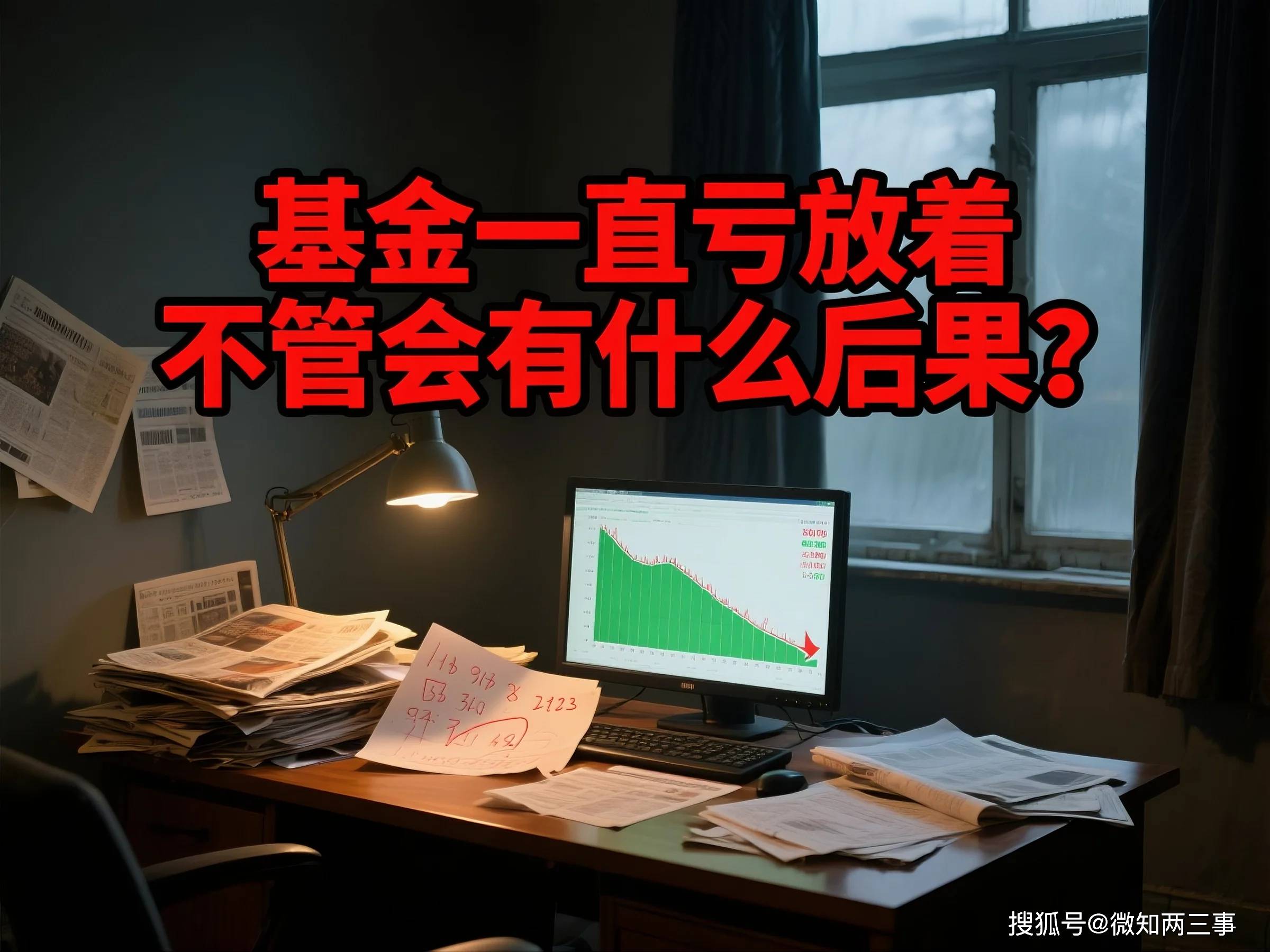
当基金亏损成为常态:放任不管的代价与人性博弈
Sou Hu Cai Jing· 2025-05-16 08:49
Core Insights - The article discusses the challenges faced by retail investors in the current financial market, particularly regarding the impact of fund losses on their investments and psychological well-being [2][3][4] Group 1: Fund Performance and Investor Behavior - Many retail investors are experiencing significant losses in their funds, leading to a "lying flat" mentality, which masks a deeper financial erosion [2] - A hypothetical investment of 100,000 yuan in a stock fund that loses 30% would leave the investor with only 70,000 yuan, while management fees continue to accrue [2] - Investors face a dilemma when considering redemption, as they incur fees of 0.5%-1.5%, and delaying redemption can lead to even greater losses [2][3] Group 2: Opportunity Costs and Market Timing - Being trapped in underperforming funds results in missed opportunities, such as the potential gains from AI-related ETFs that surged over 40% while traditional energy funds fell by 15% [3] - Historical data shows that 80% of stock market gains occur within just 20% of trading days, emphasizing the risk of missing out during market rebounds [3] - Behavioral finance indicates that when losses exceed 20%, a significant portion of investors may adopt a "ostrich mentality," avoiding market information and delaying decision-making [3] Group 3: Credit Impact and Legal Rights - Continuous losses can negatively affect investors' credit records, impacting their ability to secure loans or credit [3][4] - Investors have the right to take action against fund managers for negligence, as evidenced by a case where a quant fund was penalized for improper trading practices [4] - Strategies such as dollar-cost averaging and rebalancing can help mitigate risks during market fluctuations, allowing investors to navigate through volatile periods [4]