
选择性注意

Search documents
写给股民们的九条建议
泽平宏观· 2026-03-20 16:23
Core Viewpoint - The article discusses the current market conditions, emphasizing the "confidence bull" market driven by unprecedented macro policies and the AI revolution, while also addressing the potential for market fluctuations due to geopolitical tensions [2]. Market Analysis - The market has experienced significant highs since early 2026, with a strong consensus on the bull market, but recent geopolitical tensions have led to increased volatility [2]. - The article highlights the importance of understanding market trends and maintaining a balanced perspective, suggesting that the market's future direction may become more polarized and volatile [2]. Investment Strategies - Investors are advised to remain rational and not be swayed by emotions during market fluctuations, as short-term price movements do not reflect the intrinsic value of stocks [6][7]. - It is crucial to invest only with idle funds to avoid impacting short-term living standards and to maintain a calm and patient approach [8][9]. - The article warns against the common pitfalls of chasing trends and making frequent trades, which can lead to losses, especially in a market characterized by rapid shifts [11][12]. Risk Management - Investors should diversify their portfolios to mitigate risks, ensuring that they do not concentrate their investments in a single asset or sector [15]. - The importance of maintaining a long-term perspective is emphasized, advising against making decisions based on short-term market emotions [17]. Cognitive Awareness - The article stresses the need for investors to enhance their understanding of the market and avoid making decisions based on hearsay or superficial information [13][19]. - It encourages a comprehensive evaluation of market conditions, including macroeconomic factors, industry trends, and company performance, to form a well-rounded investment strategy [19].


任泽平写给股民们的九条建议:理性看待市场波动,不盲目加杠杆,忌追涨杀跌、频繁操作、反复折腾……
Sou Hu Cai Jing· 2026-01-21 03:25
Group 1 - The article discusses the current bullish sentiment in the market, emphasizing the need for rationality and caution as regulatory measures aim to cool down excessive speculation [1] - It highlights the importance of understanding market trends and maintaining a long-term perspective, suggesting that the logic behind the bull market remains intact as long as confidence, policy support, and technological advancements continue [1] - The article warns that market fluctuations are normal and that investors should not be swayed by emotions, advocating for a disciplined approach to investing [4][5] Group 2 - It stresses the significance of investing only with spare money and avoiding a gambler's mentality, recommending that investors maintain a financial buffer for living expenses [6] - The article points out that bull markets do not guarantee profits and cautions against chasing trends and frequent trading, which can lead to losses [7][8] - It emphasizes the necessity of enhancing one's understanding of the market and avoiding impulsive decisions based on rumors or short-term fluctuations [9] Group 3 - The article advises investors to operate within their capability circles and choose investment strategies that suit their expertise, whether through direct stock purchases or utilizing professional funds [10] - It recommends diversification to mitigate risks, suggesting that investors should not concentrate their assets in one area [11] - The importance of maintaining a long-term vision is highlighted, with a warning against being influenced by short-term market movements [12][13] Group 4 - The article discusses the "disposition effect," where investors tend to sell winning stocks too early while holding onto losing ones, urging a focus on fundamental analysis instead [14] - It warns against "selective attention," where investors only acknowledge information that supports their views, advocating for a comprehensive evaluation of market conditions [15]
写给股民们的九条建议
泽平宏观· 2026-01-20 16:06
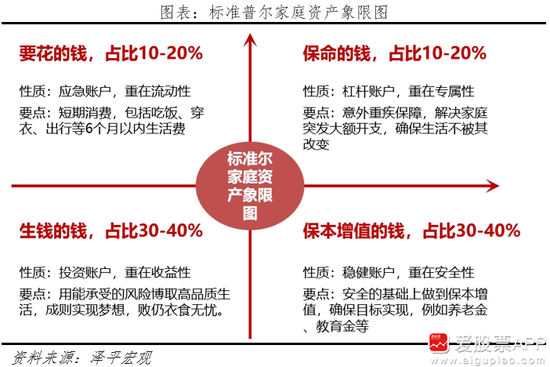
Core Viewpoint - The article discusses the current bullish market sentiment and the potential for a "slow bull" rather than a "crazy bull," emphasizing the importance of rationality and understanding market dynamics to avoid pitfalls in investing [1]. Market Volatility - Market fluctuations are normal, and investors should respect market rules and avoid being swayed by emotions. The concept of "Mr. Market" illustrates that stock prices can deviate from intrinsic values in the short term, but will eventually revert to their true value [5]. - Investors should remain calm and rational, avoiding emotional reactions to market movements. The article highlights the dangers of impulsive trading based on fear or greed, advocating for a focus on identifying strong companies and waiting for the right opportunities [6]. Investment Principles - Investing should be done with spare money that does not affect one's quality of life. The article warns against a gambler's mentality, where investors risk all their assets in hopes of quick wealth, which can lead to stress and poor decision-making [7]. - The article categorizes household assets into four types: money for expenses, money for safety, money for growth, and money for preservation. It emphasizes the importance of maintaining sufficient cash for living expenses [8]. Market Behavior - The article cautions that a bull market does not guarantee profits and warns against chasing trends and frequent trading. It cites Graham's observation that bull markets can lead to losses for ordinary investors due to overconfidence and impulsive actions [10]. - A-shares are characterized by a predominance of retail investors, which amplifies market volatility and can lead to herd behavior. The number of retail investors has surpassed 240 million, with retail holdings accounting for about 28% of the market capitalization [11]. Cognitive Awareness - Investors must change their mindset and avoid making decisions based on rumors or superficial information. Understanding the fundamentals of the market, including economic indicators and company performance, is crucial for successful investing [12]. - The article emphasizes the importance of investing within one's capability and knowledge. It suggests that investors should either engage directly in stock trading if experienced or rely on professional fund managers if they lack the time or expertise [13]. Risk Management - Diversification is essential to mitigate non-systematic risks. The article advises against concentrating investments in a single asset or sector, promoting a balanced portfolio across various asset classes [14]. - Investors should maintain a long-term perspective and not let short-term market fluctuations alter their investment beliefs. Focusing on companies with long-term growth potential is key to achieving better returns [16]. Emotional Discipline - The article discusses the "disposition effect," where investors tend to sell winning stocks too early and hold onto losing ones. It encourages focusing on fundamental analysis rather than succumbing to short-term market pressures [17]. - Investors should avoid "selective attention," which leads to a biased view of the market. A comprehensive evaluation of market conditions and company performance is necessary for informed decision-making [18].

任泽平:写给股民们的九条建议
Xin Lang Cai Jing· 2026-01-20 10:24
Group 1 - The article discusses the current bullish market sentiment and the emergence of a short squeeze, emphasizing the need for regulatory measures to cool down the market and promote a steady growth rather than a frenzied one [1][15] - It highlights the importance of maintaining a rational mindset during market fluctuations, suggesting that the logic behind the bull market must remain intact to avoid its end [1][15] - The author identifies the "confidence bull" as a combination of policy, technology, and liquidity factors, predicting a potential market divergence and increased volatility ahead [1][15] Group 2 - The article provides nine key recommendations for investors, emphasizing the need for a rational approach to market volatility and the importance of not being swayed by emotions [3][17] - It advises investors to use only spare money for investments, avoiding a gambler's mentality and the use of leverage, to ensure that their financial well-being is not compromised [20][21] - The text warns against the misconception that a bull market guarantees profits, highlighting the risks of chasing trends and frequent trading, which can lead to losses [23] Group 3 - The article stresses the necessity of enhancing one's understanding of the market, advocating for a shift in mindset to avoid making impulsive decisions based on rumors [24][25] - It encourages investors to operate within their capability circles, suggesting that even renowned investors have their areas of expertise [26] - The importance of diversification in investment portfolios is emphasized to mitigate non-systematic risks and balance overall volatility [27] Group 4 - The article advocates for a long-term investment perspective, cautioning against being influenced by short-term market fluctuations [28] - It discusses the "disposition effect," where investors tend to sell winning positions too early while holding onto losing ones, and suggests focusing on fundamental analysis to avoid this bias [29] - The need to overcome selective attention bias is highlighted, encouraging investors to maintain diverse information sources and a comprehensive analytical framework [30]
小心!这种心理正在让你亏钱
Sou Hu Cai Jing· 2025-12-14 02:51
Market Overview - Global markets showed divergence this week with a cooling risk appetite; the Dow Jones increased by 1.05% while the Nasdaq fell by 1.62%, indicating a shift of funds away from overvalued growth stocks [1] - European stocks remained weak, while Asian markets, particularly in China, Japan, and South Korea, saw gains; Hong Kong stocks slightly declined by 0.42% [1] - In the commodity sector, oil prices decreased, while gold and copper prices strengthened [1] A-Share Market Dynamics - The A-share market exhibited structural fluctuations, with the ChiNext Index rising by 2.74% and the Sci-Tech 50 Index increasing by 1.72%, showcasing resilience in the technology growth sector; however, the CSI 300 and Shanghai Composite Index experienced slight declines [1] - Market turnover shrank, leading to a focus on small and mid-cap growth sectors amid a stock game [1] Sector Performance - Industry performance showed increasing divergence, with sectors such as telecommunications, military, and electronics leading gains driven by policy support; the telecommunications sector saw a rise of 6.27% [1] - Conversely, cyclical sectors like coal, oil and petrochemicals, and real estate experienced notable pullbacks [1] Policy Environment - The Central Economic Work Conference set the tone for "seeking progress while maintaining stability, improving quality and efficiency," emphasizing support for technological innovation and new productive forces, and mentioned the flexible use of interest rate cuts [1] - The expectation of interest rate cuts by the Federal Reserve also reinforced global liquidity easing [1] Outlook - Looking ahead to next week, the structural market trend in A-shares is expected to continue, supported by internal policy expectations and external liquidity conditions; the technology growth theme is likely to remain dominant, with continued attention on telecommunications, electronics, semiconductors, and military sectors [1] - Hong Kong stocks may benefit from improved liquidity and valuation advantages, with a potential recovery in technology and financial sectors [1] Investment Strategy - It is recommended to focus on sectors with clear industrial trends and strong policy support, such as AI computing power, domestic substitution, and high-end manufacturing, while avoiding chasing high valuations and emphasizing strategic positioning during pullbacks [1]