
齐鲁粮仓

Search documents
新建提升乡村振兴省级片区百个左右
Qi Lu Wan Bao· 2026-01-28 11:05
Core Viewpoint - The provincial government aims to promote comprehensive rural revitalization by 2026, focusing on the development of rural areas through the establishment and enhancement of approximately 100 provincial-level revitalization zones [1]. Group 1: Rural Revitalization Strategy - The total agricultural output value in Shandong exceeded 1.3 trillion yuan last year, maintaining the top position in the country [1]. - The province has implemented a comprehensive rural revitalization plan, with a total of 2,070 revitalization zones constructed, covering over 18,000 administrative villages [1]. - The strategy emphasizes the construction of a "Qilu model" for rural revitalization, leveraging the experience of area-based development [1]. Group 2: Agricultural Development Focus - The province plans to accelerate the construction of a modern agricultural stronghold, aiming to take a leading role in national agricultural development [1]. - A focus on enhancing grain yield per unit area will be maintained, with initiatives targeting facility agriculture, animal husbandry, marine fisheries, and saline-alkali land [1]. - The central task is to promote farmers' income growth by strengthening leading enterprises and developing rural industries for high-quality growth [1]. Group 3: Governance and Policy Framework - The government will prioritize addressing urgent public concerns and improve rural governance through effective measures [2]. - Innovation in agricultural technology, digitalization, and open development will be driven by reforms [2]. - A robust policy mechanism will be established to ensure the prioritization of agricultural and rural development, with accountability assigned to local leaders [2].
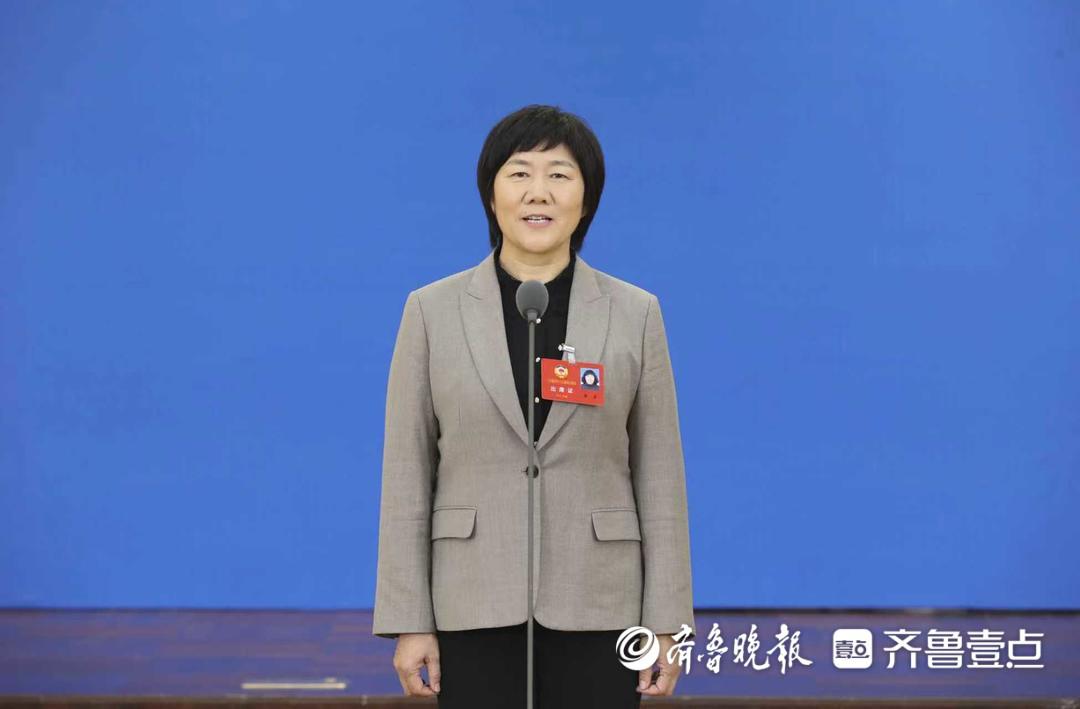
省政协委员李彦:提升耕地土壤质量,筑牢“齐鲁粮仓”根基
Qi Lu Wan Bao· 2026-01-28 08:42
Group 1 - The core viewpoint emphasizes the importance of soil quality improvement for agricultural productivity in Shandong Province, which contributes 8% of the national grain with only 6% of the arable land [3] - The province has implemented five core measures to enhance soil quality, aiming to transition from "ton grain" to "ton and a half grain" per mu, thereby increasing agricultural output [3] - Three main strategies are being pursued: addressing soil issues through targeted governance, enhancing soil quality with organic matter, and establishing a monitoring network for precise agricultural management [3] Group 2 - The focus on soil protection is linked to food security and rural revitalization, highlighting the need for sustainable agricultural practices [3] - The initiatives aim to ensure that every inch of arable land becomes a "green productive field," reinforcing the foundation of the "Qilu Granary" [3]

滨州市冬季农业生产暨农田水利建设工作视频会议召开
Xin Lang Cai Jing· 2026-01-04 15:54
Core Viewpoint - The meeting emphasized the importance of ensuring food security and enhancing agricultural production capabilities in Binzhou, aligning with national and provincial directives [1][2]. Group 1: Agricultural Production and Water Conservancy - The meeting focused on winter and spring wheat production and agricultural water conservancy construction to improve agricultural productivity and quality [1][2]. - Key actions include managing winter wheat fields, implementing technical measures, and enhancing training to ensure effective spring management [2]. Group 2: Disaster Prevention and Infrastructure Development - The meeting highlighted the need for disaster prevention and reduction measures to enhance agricultural resilience against pests and diseases [2]. - There is a commitment to advancing high-standard farmland projects and improving irrigation systems to ensure long-term benefits from agricultural water facilities [2]. Group 3: Policy Implementation and Responsibility - The meeting called for strict adherence to food security responsibilities and effective use of agricultural support policies [2]. - It emphasized the importance of coordinating end-of-year tasks and planning for winter and spring agricultural production to ensure summer grain yields [2].
“十四五”期间,山东粮食产业工业总产值连续三年超5000亿元,稳居全国首位
Qi Lu Wan Bao· 2025-12-26 09:00
Core Insights - The "14th Five-Year Plan" period has seen significant progress in Shandong's construction of the "Qilu Granary," with a focus on ensuring stable grain supply and implementing strategic projects [3][4][5] Grain Supply and Storage - Shandong's grain procurement has averaged over 38 million tons annually, with total grain circulation exceeding 160 million tons, effectively stabilizing market supply and prices [3] - The province has added 440,000 tons of provincial reserve grain and 2,200 tons of peanut oil, optimizing the variety of reserves to include corn and soybean meal [3] - A robust emergency grain supply system has been established, with 3,514 enterprises and 2,468 supply points, capable of supporting 3 million people for 10 days or 300,000 people for 100 days in emergencies [3] Grain Industry Development - The total industrial output value of Shandong's grain industry has exceeded 500 billion yuan for three consecutive years, accounting for over one-eighth of the national total [4] - The province has implemented the "Grain Core Plan," fostering a complete wheat green cycle industry chain and producing over 600 products from a single wheat grain [4] - Shandong has become a leading producer of edible vegetable oils, processing 31 million tons of oil annually and supplying over 50% of the national demand for peanut and corn oil [4] Storage and Logistics Infrastructure - Shandong has enhanced its grain storage capacity by constructing and upgrading facilities to reach a total storage capacity of 46.09 million tons [5] - The province has improved the structure of grain storage logistics, with several cities exceeding 400,000 tons in storage capacity, and has developed a robust logistics network centered around key cities [5] Digitalization and Information Management - A comprehensive grain purchase and storage regulatory information system has been established, achieving full coverage of data management and monitoring across 292 storage areas [6] - The "Smart Granary" project has been initiated to enhance monitoring and management efficiency, with 37 projects underway to automate operations and provide real-time alerts [6] Material Reserve Management - Shandong has strengthened its strategic and emergency material reserve management, increasing the provincial emergency disaster relief material reserve to 760,000 items [7] - The province has established a provincial emergency material reserve base and signed agreements with 21 production enterprises to ensure a daily production capacity of 167,000 items in emergencies [7] - A legal framework for grain safety has been enhanced, with the implementation of various regulations and a focus on maintaining the rights of grain producers and operators [7]
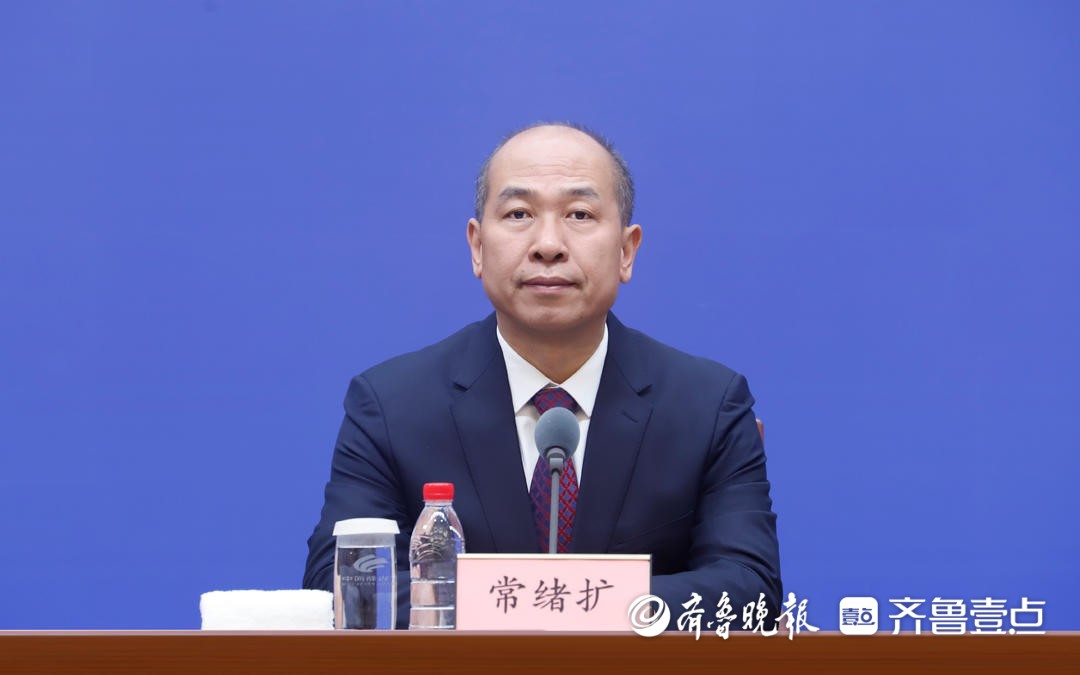
2024年山东农林牧渔业总产值1.28万亿元,较“十三五”末增长24.3%
Qi Lu Wan Bao· 2025-12-12 08:27
Core Insights - Shandong Province is making significant progress in agricultural modernization and rural revitalization during the "14th Five-Year Plan" period, with notable achievements in various sectors [1][6] Agricultural Production - The total output value of agriculture, forestry, animal husbandry, and fishery in Shandong is projected to reach 1.28 trillion yuan in 2024, a 24.3% increase from the end of the "13th Five-Year Plan" [1] - The added value of the primary industry is expected to be 661.69 billion yuan, up 21.3% from the previous period [1] - Total grain production is anticipated to be 114.2 billion jin, reflecting a 4.8% increase [1] - Agricultural product exports are forecasted to total 164.82 billion yuan, marking a 31.1% growth [1] - Per capita disposable income for rural residents is projected at 25,257 yuan, a 34.7% increase [1] Rural Development Initiatives - Shandong is implementing the "Ten Thousand Projects" experience, focusing on tailored development based on local needs, with 2,070 construction areas initiated, covering over 18,000 administrative villages [2] - The province is promoting a "1+4" agricultural production system, enhancing major grain and oil crop yields while developing four key sectors: facility agriculture, animal husbandry, marine fisheries, and saline-alkali land utilization [2] Industry Growth - The number of national leading enterprises in agriculture has reached 151, with over 11,600 regulated agricultural product processing enterprises, leading the nation in scale and capacity [3] - Shandong has developed a "13+N" industry cultivation system, with 10 national advantageous characteristic industry clusters and 19 national modern agricultural parks [3] Technological Advancements - The coverage rate of major crop varieties has increased to over 98%, and the comprehensive mechanization rate for farming has reached 91.7%, both exceeding national averages [4] - Digital agriculture initiatives, including the "Qilu Agricultural Cloud" and various digital platforms, are being implemented to enhance agricultural efficiency [4] Social Welfare and Poverty Alleviation - Rural infrastructure has improved significantly, with a rural road network of 266,000 kilometers and sanitation facilities widely adopted [5] - Shandong has successfully maintained a stable poverty alleviation status, with 917,000 individuals benefiting from poverty alleviation policies [5] Future Outlook - The province aims to continue advancing agricultural modernization and rural revitalization, contributing to the broader goals of China's modernization efforts [6]
山东农担泰安管理中心赴邮储银行肥城支行开展银担座谈 共推惠农政策落地增效
Qi Lu Wan Bao Wang· 2025-09-29 08:41
Group 1 - The meeting between Shandong Agricultural Guarantee Tai'an Management Center and Postal Savings Bank aimed to enhance cooperation in policy promotion, project docking, and risk prevention, focusing on improving financial services for agriculture and rural revitalization [1][2] - A new policy was introduced, effective from August 20, 2025, to August 19, 2028, which reduces the guarantee fee rate for new grain planting guarantee business to 0.3%, thereby lowering financing costs for grain operators [1] - The current interest subsidy policies were discussed, highlighting that not only the grain industry but also high-efficiency vegetables, high-end livestock, and Taishan tea are included in the support scope, promoting a dual-driven development model of "food security + characteristic agriculture" [1] Group 2 - The discussion included risk resolution for existing projects and collaboration on business advancement, identifying challenges and analyzing causes of certain risk projects [2] - A consensus was reached on enhancing joint marketing, optimizing approval processes, and strengthening information sharing to improve financing guarantee services for agricultural operators [2] - Future collaboration will focus on deepening cooperative mechanisms and ensuring smooth communication channels to provide more convenient, efficient, and low-cost financing guarantee services [2]
