
齐鲁粮油

Search documents
“齐鲁粮油”中国行走进春城昆明 鲁滇携手共筑粮安新格局
Qi Lu Wan Bao· 2026-01-25 03:40
Core Viewpoint - The "Qilu Grain and Oil" promotion event in Kunming marks a significant step towards enhancing cooperation between Shandong and Yunnan provinces in the grain industry, with over 70 key grain and oil enterprises participating to explore collaborative opportunities [1][3]. Group 1: Event Overview - The event was organized by the Shandong Provincial Grain and Material Reserve Bureau, with strong support from the Yunnan Provincial Grain and Material Reserve Bureau [1]. - The event included a strategic cooperation agreement signing between the grain and material reserve departments of both provinces, laying a solid foundation for future collaboration [9]. Group 2: Industry Insights - Shandong has maintained a grain production total of over 110 billion jin (approximately 55 million tons) for five consecutive years, with an annual circulation exceeding 160 million tons [3]. - The total output value of Shandong's grain and oil industry has surpassed 500 billion yuan (approximately 70 billion USD) for four consecutive years, ranking first in the country [3]. - Yunnan has a significant grain consumption market with an average annual consumption of about 25 million tons, highlighting its potential for high-quality grain and oil products [5]. Group 3: Collaborative Opportunities - The event showcased various Shandong specialty products, including staple foods, flour, and edible oils, emphasizing the strength of the "Qilu Grain and Oil" brand [7]. - There is a mutual interest in exploring new cooperation models in grain production and sales collaboration, storage logistics, and deep processing between the two provinces [5][9]. - Future initiatives will include expanding the "Qilu Grain and Oil" campaign nationwide to connect more high-quality Shandong grain and oil products with consumers [11].


山东省粮食和物资储备工作会议在济南召开
Zhong Guo Fa Zhan Wang· 2026-01-23 07:04
Core Insights - The meeting emphasized the importance of food security and material reserves in Shandong Province, highlighting the need for innovative reforms and effective management to ensure stability and growth in the sector [1][2]. Group 1: 2025 Work Summary - In 2025, Shandong Province aims to achieve significant progress in food security and material reserves, with a focus on legislative reforms, state-owned enterprise reforms, and project construction [1]. - The province has been recognized for its outstanding performance in national assessments related to farmland protection and food security, maintaining a leading position in food industry output value [1]. Group 2: 2026 Key Tasks - For 2026, the focus will be on implementing the central government's directives, promoting high-quality development, and enhancing the core functions of food and material reserves [2]. - Key strategies include strengthening legal governance, enhancing reserve management, supporting the growth of the food industry, ensuring safety and emergency preparedness, and fostering a strong cadre team [2]. Group 3: Operational Requirements - The meeting called for ensuring sufficient market supply and stability in food and oil product consumption, as well as preparedness for adverse weather conditions [3]. - Various local management departments and organizations participated in the meeting, sharing best practices and strategies for effective food and material reserve management [3].
【回眸二〇二五】守护粮食安全的坚实底气
Jing Ji Ri Bao· 2026-01-19 01:19
Core Insights - The article emphasizes the importance of food security in China, highlighting the government's efforts to enhance food safety governance and build a resilient food security system by 2025 [2][3][4]. Group 1: Food Security and Production - By 2025, China's total grain production is projected to reach 14,297.5 billion jin, a year-on-year increase of 1.2%, ensuring basic self-sufficiency in grains and absolute safety in staple foods [3]. - The planting structure is continuously optimized, with corn production expected to reach 6,024.7 billion jin (up 2.1%) and soybean production at 418.1 billion jin (up 1.3%), alleviating feed grain supply pressures [3][4]. - The national grain industry is expected to maintain a total output value of over 4 trillion yuan, showcasing strong development resilience and market potential [4]. Group 2: Nutritional Safety and Quality - Nutritional safety is becoming a key aspect of food security, with initiatives to promote whole grain consumption and diversify food sources, including the development of biotechnology and facility agriculture [4]. - The government is implementing a grain quality traceability system, utilizing modern technologies like blockchain and big data to ensure food safety from farm to table [5]. Group 3: Price Stability and Market Dynamics - The government is taking measures to maintain reasonable grain prices amidst downward pressure, including organized large-scale grain purchases and policy reserves [6][7]. - In 2025, the total grain purchase volume is expected to reach 8,300 billion jin, with 450 billion jin of wheat and rice purchased at minimum prices, effectively stabilizing market expectations [7]. Group 4: Import Strategies and International Trade - China is enhancing its import strategies to maintain control over grain imports, implementing tariffs on certain agricultural products from the U.S. while expanding zero-tariff coverage for developing countries [9][11]. - The total grain import volume is expected to stabilize with a slight decrease, while soybean imports are projected to increase due to fluctuations in U.S.-China trade relations [10][12]. Group 5: Emergency Response and Resilience - China's food security system has been strengthened to respond effectively to emergencies, with a well-established four-level emergency response plan and a network of emergency supply points [14][15]. - The government is optimizing grain reserves and storage facilities, ensuring that urban areas maintain sufficient reserves to meet emergency needs [15].
守护粮食安全的坚实底气
Jing Ji Ri Bao· 2026-01-18 22:32
Core Viewpoint - China is enhancing its food security governance capabilities and building a more resilient food security system to address multiple challenges such as extreme weather, low grain prices, and trade protectionism by 2025 [1] Group 1: Food Security Foundation - The food security foundation is solid, with a projected national grain output of 14,297.5 billion jin in 2025, a 1.2% increase year-on-year, ensuring basic self-sufficiency in grains and absolute safety in staple foods [2] - The planting structure is continuously optimized, with corn production expected to reach 6,024.7 billion jin (up 2.1%) and soybean production at 418.1 billion jin (up 1.3%), alleviating feed grain supply pressure and enhancing domestic oil supply capacity [2] Group 2: Nutritional Security - Nutritional security is becoming a key aspect of food security, with initiatives to diversify food sources and promote whole grain consumption to improve public health [3] - The national quality grain project aims to enhance the quality of grain products, with a total grain industry output value expected to stabilize above 4 trillion yuan, showcasing strong development resilience and market potential [3] Group 3: Food Quality Safety - Food quality safety is crucial, with the government implementing a comprehensive quality traceability system and utilizing modern technologies like blockchain and big data to ensure food safety from farm to table [4] - Efforts to reduce food loss and waste are ongoing, with an estimated annual loss of about 2% of grain production in storage, transportation, and processing [4] Group 4: Grain Price Stability - The government is taking measures to maintain reasonable grain prices amid downward pressure, with a total grain purchase volume of 8,300 billion jin expected in 2025 [5][6] - The minimum purchase price policy is being implemented effectively, with significant quantities of wheat and rice being purchased at minimum prices to stabilize market expectations [6] Group 5: Import Strategy - China is reinforcing its import strategy amid global trade uncertainties, imposing tariffs on certain agricultural products from the U.S. while maintaining a stable import quota system for key grains [8] - The total grain import volume is expected to stabilize with an increase in soybean imports due to fluctuations in U.S.-China trade relations, reflecting China's flexible response in international trade [9][10] Group 6: Resilience Against Shocks - China's food security resilience is being strengthened to effectively respond to various risks, with enhanced agricultural disaster prevention and mitigation capabilities [11] - The food emergency guarantee system has been established, ensuring rapid response and effective supply during crises, with a robust network of emergency processing enterprises and supply points [12][13]
“十四五”山东粮食产业工业总产值连续三年突破5000亿元,稳居全国首位
Da Zhong Ri Bao· 2025-12-27 01:06
Core Insights - Shandong's grain industry has maintained an industrial output value exceeding 500 billion yuan for three consecutive years, accounting for over one-eighth of the national total, solidifying its position as the leading province in China [2][3][4] Group 1: Grain Production and Storage - During the "14th Five-Year Plan" period, Shandong's average annual grain procurement volume is projected to exceed 38 million tons, with a total grain circulation surpassing 160 million tons [2] - The province's grain storage capacity has reached a new high, with a total capacity of 46.09 million tons and a tank capacity of 2.68 million tons [2] - Local reserve grain and oil scales have exceeded the national targets, with local reserve grain surpassing the national plan by 55%, marking a 27% increase since the end of 2020 [2] Group 2: Technological Innovation and Processing - The "Grain Core Plan" has seen a cumulative investment of 6.68 billion yuan in technology, leading to the establishment of five major technology innovation centers recognized by the National Grain and Material Reserve Bureau [3] - Shandong has developed over 600 types of deep-processed grain products, achieving a utilization rate of over 98% for grain by-products, with soybean protein production accounting for over 60% of the national total [3] Group 3: Branding and Market Influence - The "Qilu Grain and Oil" public brand has been established, with over 2 billion yuan in fiscal investment leading to nearly 10 billion yuan in enterprise technological upgrades [4] - Shandong has successfully placed 72 products on the "China Good Grain and Oil" list, ranking first in the nation, and the brand value of "Qilu Grain and Oil" is assessed at 92.1 billion yuan [4]
十四五”时期,山东全力推动粮油消费“更健康、更营养
Zhong Guo Fa Zhan Wang· 2025-12-26 12:36
Core Viewpoint - Shandong Province is focusing on high-quality development of grain and oil consumption during the "14th Five-Year Plan" period, aiming for a transition to healthier and more nutritious options through the "Qilu Grain and Oil" public brand and various supportive measures [1]. Group 1: Policy Framework - The "Qilu Grain and Oil" brand is integrated into the provincial "14th Five-Year Plan" and green low-carbon development initiatives, with over 2 billion yuan allocated for quality grain projects [2]. - The province has established 15 group standards and 29 enterprise standards, including those for dumpling flour and peanut oil, which have been recognized as national "leaders" [2]. Group 2: Quality Control and Technological Support - A comprehensive grain quality safety monitoring system is in place to ensure safety at all stages of grain storage and circulation [3]. - The province's grain processing conversion rate has reached 170%, with advancements in extracting functional components from by-products, leading to a diverse product matrix that includes 300 provincial-level "good grain and oil" products [3]. Group 3: Future Directions - Shandong aims to enhance the nutritional quality of grain and oil supply in alignment with the "Healthy China 2030" initiative, focusing on three key areas: upgrading standards, technological breakthroughs, and consumer guidance [4]. - Plans include developing evaluation methods for whole grain products and increasing investment in the research of functional ingredients to cater to specific dietary needs [4].
“十四五”期间,山东粮食产业工业总产值连续三年超5000亿元,稳居全国首位
Qi Lu Wan Bao· 2025-12-26 09:00
Core Insights - The "14th Five-Year Plan" period has seen significant progress in Shandong's construction of the "Qilu Granary," with a focus on ensuring stable grain supply and implementing strategic projects [3][4][5] Grain Supply and Storage - Shandong's grain procurement has averaged over 38 million tons annually, with total grain circulation exceeding 160 million tons, effectively stabilizing market supply and prices [3] - The province has added 440,000 tons of provincial reserve grain and 2,200 tons of peanut oil, optimizing the variety of reserves to include corn and soybean meal [3] - A robust emergency grain supply system has been established, with 3,514 enterprises and 2,468 supply points, capable of supporting 3 million people for 10 days or 300,000 people for 100 days in emergencies [3] Grain Industry Development - The total industrial output value of Shandong's grain industry has exceeded 500 billion yuan for three consecutive years, accounting for over one-eighth of the national total [4] - The province has implemented the "Grain Core Plan," fostering a complete wheat green cycle industry chain and producing over 600 products from a single wheat grain [4] - Shandong has become a leading producer of edible vegetable oils, processing 31 million tons of oil annually and supplying over 50% of the national demand for peanut and corn oil [4] Storage and Logistics Infrastructure - Shandong has enhanced its grain storage capacity by constructing and upgrading facilities to reach a total storage capacity of 46.09 million tons [5] - The province has improved the structure of grain storage logistics, with several cities exceeding 400,000 tons in storage capacity, and has developed a robust logistics network centered around key cities [5] Digitalization and Information Management - A comprehensive grain purchase and storage regulatory information system has been established, achieving full coverage of data management and monitoring across 292 storage areas [6] - The "Smart Granary" project has been initiated to enhance monitoring and management efficiency, with 37 projects underway to automate operations and provide real-time alerts [6] Material Reserve Management - Shandong has strengthened its strategic and emergency material reserve management, increasing the provincial emergency disaster relief material reserve to 760,000 items [7] - The province has established a provincial emergency material reserve base and signed agreements with 21 production enterprises to ensure a daily production capacity of 167,000 items in emergencies [7] - A legal framework for grain safety has been enhanced, with the implementation of various regulations and a focus on maintaining the rights of grain producers and operators [7]
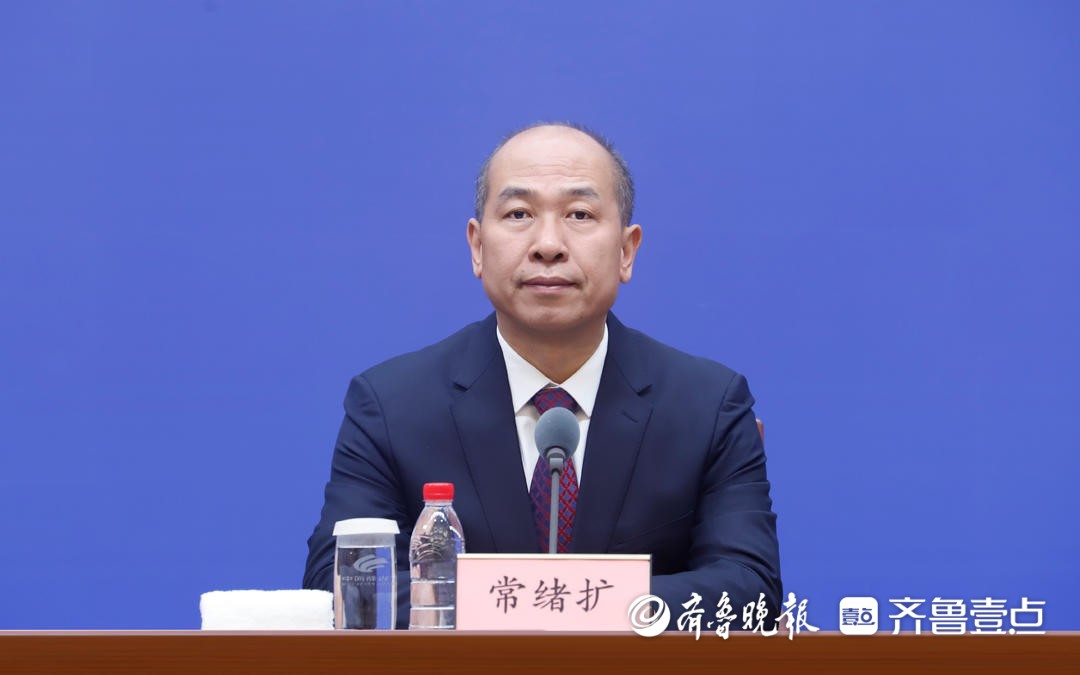
“齐鲁粮油”公共品牌连续七年蝉联中国粮油影响力公共品牌
Qi Lu Wan Bao· 2025-12-26 07:55
Core Viewpoint - The Shandong province is focusing on high-quality development of its grain industry by promoting the "Qilu Grain and Oil" public brand, which has been recognized as a leading public brand in China with a brand value of 92.1 billion yuan [1]. Group 1: Brand Development - The "Qilu Grain and Oil" public brand has been integrated into important provincial government documents, establishing a three-tier brand pyramid structure that includes one provincial public brand, multiple regional specialty products, and various industry operators [1]. - Six city-level public brands with regional characteristics have emerged, including "Grain and Oil Golden Triangle," "Yimeng Peanut Oil," "Five-Star De Grain," "Jiaodong Flower Cake," "Qingdao Flour," and "Shandong Pancake" [1]. - The establishment of the Shandong Grain and Oil Industry Alliance, along with a brand research institute and public brand incubation center, provides intellectual support for brand development [1]. Group 2: Marketing and Promotion - A multi-channel promotion strategy has been implemented, integrating online and offline sales channels, with nearly 500 companies participating in the "Good Grain Network" industry internet platform, achieving a transaction volume exceeding 15 billion yuan [2]. - Offline activities include community engagement and inter-provincial cooperation meetings, as well as promotional events in Hong Kong and Singapore to help Shandong's quality grain and oil products reach international markets [2]. - Over 110 brand promotion and exhibition events have been held, resulting in the establishment of more than 30,000 new sales outlets and the expansion of over 20,000 customer relationships, leading to an increase in revenue exceeding 50 billion yuan [2].
“粮食安全看山东”之淄博市淄川区:“三位一体”探索管粮模式,“五维驱动”推动产业升级
Zhong Guo Fa Zhan Wang· 2025-12-22 06:55
Core Viewpoint - Food security is a national priority, and effective law enforcement and high-quality industrial development are the two main pillars ensuring food security. The Zichuan District of Zibo City has implemented a "three-in-one" model of service, supervision, and law enforcement, resulting in a more than 30% improvement in enforcement efficiency [1]. Group 1: Law Enforcement and Supervision - The establishment of a collaborative law enforcement mechanism led by the development and reform department, involving market supervision and comprehensive law enforcement, has clarified responsibilities and enhanced regulatory effectiveness [2]. - Increased supervision and inspection efforts in grain circulation, utilizing innovative methods such as classified regulation to address issues effectively [2][3]. - Implementation of a dual random and public inspection approach to enhance enforcement deterrence, focusing on key areas such as grain quantity, quality, and storage safety [3]. Group 2: Industry Development and Upgrading - Investment in intelligent storage upgrades has improved storage operation efficiency by over 30%, addressing outdated equipment issues [5]. - The establishment of the "Qilu Grain and Oil" brand through policy guidance and market promotion has driven high-quality development in the grain industry [4]. - The introduction of green storage upgrades and advanced equipment has significantly enhanced labor efficiency and eliminated reliance on outsourcing [5]. Group 3: Emergency Supply and Information Security - The enhancement of the emergency supply network with 16 new supply points ensures rapid response capabilities in emergencies, meeting basic resident needs [5]. - Completion of information security assessments for local reserve grain storage facilities has strengthened data security and protection against cyber threats [6][7].
杭州将办一场“饭碗”盛会
Hang Zhou Ri Bao· 2025-10-29 03:06
Core Insights - The 21st China International Grain and Oil Expo will be held in Hangzhou from October 30 to November 1, focusing on the development of new productivity in the grain industry and creating a professional platform for communication and sales across the entire industry chain [1] Group 1: Event Overview - The expo will cover an exhibition area of approximately 40,000 square meters, featuring six major exhibition zones including grain and oil products, brand enterprises, grain machinery, technology information, themed sections, and international exhibits [1] - Nearly 700 enterprises are expected to participate, with an anticipated attendance of over 30,000 visitors, including key distributors and buyers [1] Group 2: Participating Regions and Companies - The expo will showcase resources from 22 provinces, including Zhejiang, Heilongjiang, Jilin, Liaoning, Hubei, Shandong, Sichuan, and Guangdong, with a special focus on local specialties in the 400 square meter Zhejiang and Hangzhou exhibition area [2] - Leading companies such as COFCO Group, Xiangyu Group, and Wudeli Flour Group will present well-known regional brands like "Qilu Grain and Oil" and "Shanxi Millet" [2] Group 3: Innovations and Highlights - The expo emphasizes three main innovations: multi-dimensional display of the entire industry chain, showcasing new productivity through advanced technologies like unmanned storage and AI-assisted planting, and promoting collaboration to drive industry ecosystem development [2] - Activities will include on-site signing, business matching, brand promotion, and specialized meetings for rice and miscellaneous grains [2] Group 4: Hangzhou's Role and Initiatives - Hangzhou, known for its commitment to food security, will highlight its advanced experiences in "future grain storage," "digital procurement," and "green storage" [3][4] - The city is developing the world's largest dual-use underground temperature-controlled grain storage and a highly automated grain reserve facility, ensuring food security for its large population [3] - Hangzhou is also establishing a comprehensive online and offline market system with an annual trading volume exceeding 4 million tons to secure regional grain supply [3]