2nm芯片技术

Search documents
三星发布全球首款2nm手机芯片!
国芯网· 2025-12-22 04:46
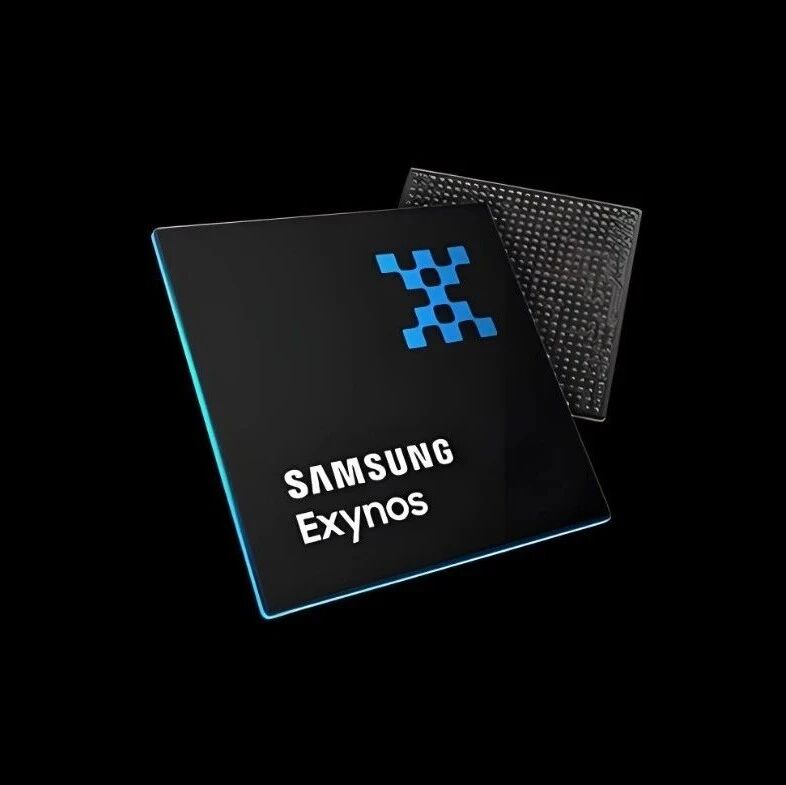
Core Viewpoint - Samsung has officially launched the world's first 2nm smartphone processor, Exynos 2600, which achieves significant advancements in performance and power efficiency [2][4]. Group 1: Performance and Technology - The Exynos 2600 chip utilizes Samsung's proprietary MBCFET technology based on GAAFET architecture, offering up to 12% performance improvement and up to 25% reduction in power consumption compared to the current mainstream 3nm process [4]. - It features a 1+3+6 octa-core CPU design based on the Armv9.3 architecture, with a main core clocked at 3.8GHz for heavy computing tasks, alongside performance and efficiency cores for various workloads [4]. - The chip includes the self-developed Xclipse960 GPU, which doubles the performance of its predecessor and enhances ray tracing capabilities by 50%, enabling smooth operation of AAA mobile games and high-quality real-time rendering [4]. Group 2: AI and Multimedia Capabilities - A key highlight of the Exynos 2600 is its AI capabilities, with a 32K MAC unit and a 113% increase in NPU performance compared to the previous generation, allowing for real-time responses to large models and high-performance AI applications [4]. - The chip supports up to 320 million pixel camera modules, 8K video recording at 30fps, and 4K display output at 120Hz, catering to high-end flagship device requirements [5]. Group 3: Product Application and Market Strategy - The Exynos 2600 is expected to debut in early 2026 with Samsung's flagship smartphones, followed by availability to partners like Google and expansion into high-performance computing and AI chip markets [5].

苹果首颗2nm芯片,重大突破!
半导体行业观察· 2025-11-30 04:53
Core Insights - The article discusses Apple's upcoming A and A Pro chipsets, which will be the first to utilize TSMC's nm process technology, promising significant performance and efficiency improvements [1][2]. Chip Packaging Transition - The transition from InFO (Integrated Fan-Out) to WMCM (Wafer-Level Multi-Chip Module) packaging technology is highlighted as a major difference for A and A Pro, allowing multiple independent dies to be integrated into a single package [2]. - This change offers several advantages, including enhanced design flexibility, improved scalability for product variations, and better energy efficiency through tighter integration of components [2]. Manufacturing Process Improvements - The adoption of Molded Underfill (MUF) technology in WMCM is expected to simplify the manufacturing process, reduce material consumption, and improve yield rates, thereby offsetting increased costs associated with TSMC's nm technology [3]. Cache Capacity Enhancements - The article notes significant improvements in cache capacity for A and A Pro, with the flagship chip's system-level cache (SLC) increasing from MB to MB, and the performance core L cache bandwidth for A Pro rising from GB/s to GB/s [5]. - Predictions for next year's cache capacities include A with a total of MB and A Pro with a range of MB to MB [5]. Energy Efficiency Innovations - Apple's advancements in energy efficiency cores are emphasized, with A Pro's energy core frequency showing a modest increase, yet achieving substantial performance gains in integer and floating-point benchmarks without increasing power consumption [6]. GPU Dynamic Cache Technology - The introduction of third-generation dynamic cache technology in A Pro allows for real-time memory allocation based on workload demands, enhancing performance and efficiency [8]. - This technology aims to reduce memory waste and improve GPU utilization, with expectations for further optimization in memory allocation granularity and speed [8]. iPhone 18 Series Integration - The A and A Pro chipsets are set to debut in the iPhone 18 series, with A Pro expected to be featured in iPhone 18 Pro, iPhone 18 Pro Max, and iPhone Fold, while the A chipset will be used in the iPhone 20 series in 2027 [9].


三星2nm良率达60%
国芯网· 2025-11-24 11:55
Core Viewpoint - The article discusses the advancements and market strategies of Samsung Electronics in the semiconductor industry, particularly focusing on the new 2nm GAA technology and its implications for the upcoming Galaxy S26 series smartphones [2][4][5]. Group 1: Technology Advancements - Samsung's 2nm GAA process technology has achieved a yield rate of 50% to 60% for its next-generation mobile application processor, Exynos 2600 [2]. - Compared to the previous 3nm process, the 2nm GAA technology offers an 8% improvement in energy efficiency [4]. - Initial expectations for the 2nm process included a 12% performance boost and over 25% energy efficiency improvement, but actual results fell short of these projections [4]. Group 2: Market Strategy and Pricing - Samsung aims to supply the Exynos 2600 chip at a price 20 to 30 USD lower than similar products from Qualcomm, indicating a strategy to enhance price competitiveness [4][5]. - The Galaxy S26 series smartphones, which will feature the Exynos 2600 chip, are primarily targeted at the South Korean and other Asian markets [5]. - If the Exynos 2600 chip gains market acceptance in the Galaxy S26 series, it could pave the way for its use in Samsung's 2026 foldable devices [5].

他们都要做2nm芯片
半导体行业观察· 2025-05-21 01:37
Core Viewpoint - The semiconductor industry is witnessing a significant shift towards 2nm technology, with major companies like MediaTek, AMD, and Nvidia announcing their plans to develop and produce 2nm chips, indicating a competitive landscape and technological advancements in the sector [1][3][9]. Group 1: MediaTek's 2nm Plans - MediaTek plans to launch its first 2nm chip in September 2025, potentially becoming the first company to reach this milestone, ahead of Apple and Qualcomm [3]. - The upcoming 2nm chip is expected to deliver a 15% performance improvement and a 25% reduction in power consumption compared to current 3nm chips, which is significant for Android devices [3][4]. - MediaTek will continue its partnership with TSMC, which is set to begin mass production of its 2nm process in 2026, aligning with MediaTek's timeline [3][4]. Group 2: AMD's Strategy - AMD has confirmed it will be the first customer for TSMC's 2nm process, with its next-generation EPYC server processor, codenamed Venice, expected to launch in 2026 [6][8]. - The company reported a 57% growth in its data center segment in Q1 2025, reflecting its focus on scalable server solutions [7]. - AMD is exploring partnerships beyond TSMC, considering Samsung as a potential second supplier, although it currently relies heavily on TSMC for its 2nm technology [8]. Group 3: Nvidia's Interest - Nvidia is reportedly interested in TSMC's 2nm technology, with CEO Jensen Huang acknowledging the high cost but potential value of the process [9][10]. - There are indications that Nvidia may collaborate with Samsung for an unnamed GPU using the 2nm process, although details remain unclear [10][11]. - The success of Samsung's 2nm process will be crucial for its future contracts, as Nvidia and Qualcomm are evaluating their options in light of Samsung's performance [12]. Group 4: Competitive Landscape - The competition in the semiconductor industry is intensifying, with companies like Broadcom and Intel also eyeing 2nm technology [13]. - The advancements in 2nm technology are expected to drive significant changes in the market, as companies strive to enhance performance and efficiency in their products [1][9].