AI+金融创新

Search documents
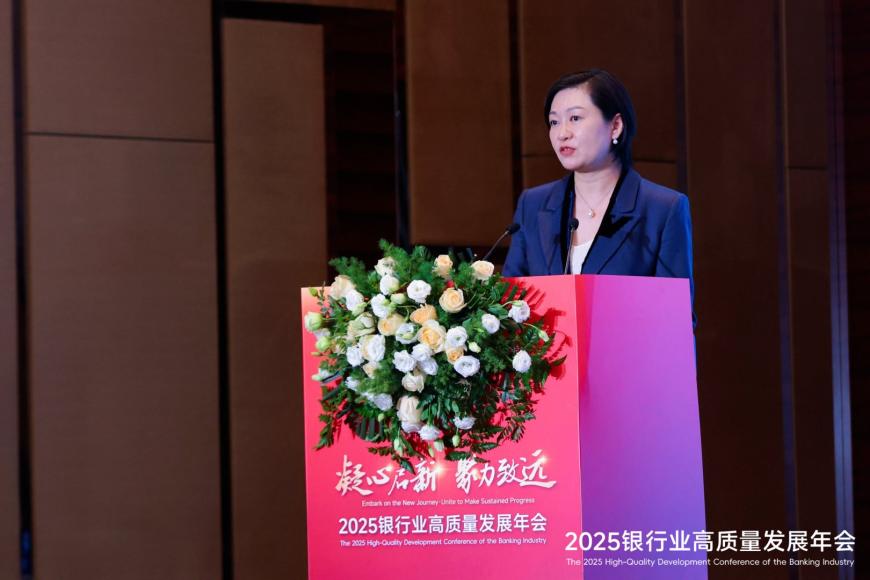
龙腾集团中国区总裁毛君进:银企合作是互相滋养、彼此成就的过程
Jin Rong Jie· 2025-12-30 13:14
Group 1 - The "2025 Banking Industry High-Quality Development Conference" was successfully held in Beijing, focusing on themes such as serving the real economy, digital transformation, AI+financial innovation, and risk prevention [1] - The conference gathered regulatory experts, academic elites, industry leaders, and representatives from technology companies to discuss the consensus for high-quality development in the banking sector at a critical juncture [1] Group 2 - Longteng Group's China President, Mao Junjin, outlined three evolutionary stages of collaboration between the group and financial institutions: product embedding, scene co-construction, and ecological co-creation [3] - In the first stage, Longteng integrates services from over 140 countries through standardized API interfaces, enabling efficient connections with banking systems, thus enhancing non-financial service capabilities [3] - The second stage involves deep integration of services tailored to high-net-worth clients, providing diversified offerings such as travel planning and cross-border financial solutions [4] - The third stage emphasizes mutual nourishment in the bank-enterprise relationship, where banks provide resources and trust, while companies like Longteng enhance user experience and service efficiency [5] - Longteng's core advantage lies in its long-term partnerships with major airports, allowing real-time access to flight dynamics and merchant resources, thereby improving service satisfaction [5]


新安银行原董事长孙晓:利差收窄、两头夹击下,小银行应深耕细分领域赛道
Jin Rong Jie· 2025-12-28 13:32
Core Viewpoint - The "2025 Banking Industry High-Quality Development Conference" was successfully held, focusing on key issues such as serving the real economy, digital transformation, AI+financial innovation, and risk prevention [1] Group 1: Challenges for Small Banks - Small banks face survival challenges due to market interest rate liberalization, economic cycle fluctuations, and intensified competition [4] - The banking industry has shifted from a "seller's market" to a "buyer's market," leading to a significant decline in credit demand since 2019 [4] - Small banks are experiencing a "double squeeze" from large banks and internet lending companies, resulting in high non-performing loan rates and increased operational costs [5] Group 2: Future Development Strategies for Small Banks - Small banks should focus on controlling the income-cost ratio through technology to reduce operational costs [6] - Emphasizing the "let profit not let loans" strategy, small banks should maintain core customer relationships while managing costs effectively [6] - Small banks are encouraged to pursue differentiated development by focusing on niche markets such as green finance, education finance, and elderly finance, avoiding direct competition with large banks [7]
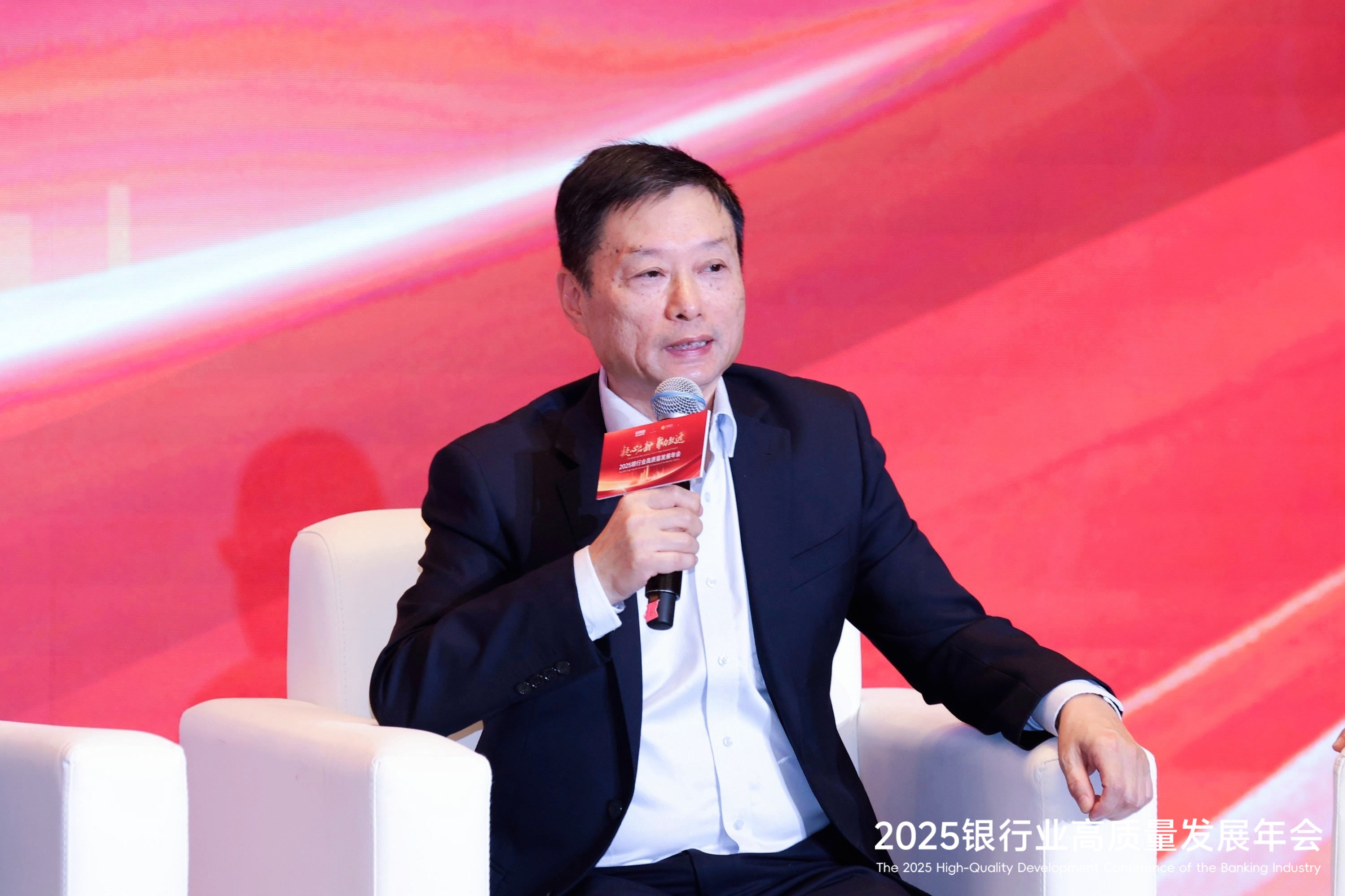
小米消金总裁曹子玮: 在金融机构错位发展中,消金公司更应作为先行先试群体
Jin Rong Jie· 2025-12-28 04:19
Core Insights - The "2025 Banking Industry High-Quality Development Conference" was successfully held in Beijing, focusing on themes such as serving the real economy, digital transformation, AI+financial innovation, and risk prevention [1] Group 1: Industry Challenges - The financial industry faces three major pain points: high institutional homogeneity leading to systemic risks, service gaps due to homogeneous competition, and the "Matthew Effect" where better borrowers receive more loans while poorer ones are neglected [3] - The need for differentiated core competitiveness among various financial entities is highlighted as a crucial industry challenge [3] Group 2: Xiaomi Consumer Finance's Unique Approach - Xiaomi Consumer Finance has developed a unique path of differentiated development over its five years of operation, focusing on five key differentiators [3] - The first differentiator is its integration within the Xiaomi ecosystem, providing tailored consumer credit services that address the immediate credit needs of users [4] - The second differentiator involves leveraging digital technology to reduce credit costs and barriers, enhancing efficiency and accessibility for everyday consumers [4] - The third differentiator focuses on customized product design for specific user groups, particularly those overlooked by larger financial institutions, thereby addressing their financial needs [4] - The fourth differentiator emphasizes a green orientation, offering preferential loan rates for green-marked products to facilitate policy implementation and consumer benefits [5] - The fifth differentiator points to the evolving role of consumer finance companies in fulfilling social responsibilities and addressing the needs of underserved populations [5]
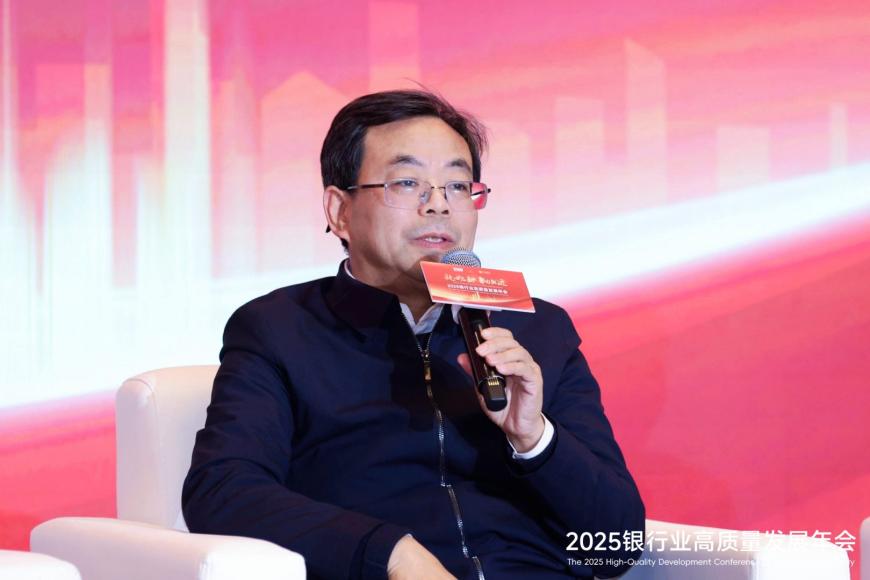
清华大学经济管理学院中国金融研究中心主任陆瑶:技术赋能正为银行业信用体系建设构建完整价值闭环
Jin Rong Jie· 2025-12-27 11:46
Core Insights - The "2025 Banking Industry High-Quality Development Conference" was successfully held, focusing on key themes such as serving the real economy, digital transformation, AI+ financial innovation, and risk prevention [1] Group 1: Challenges in Banking Industry - The application of AI and big data in the banking sector faces four major challenges: 1. Limitations in computing power and platform capabilities, particularly affecting small and medium-sized banks [3] 2. The contradiction between data silos and privacy protection, making it difficult to balance effective data utilization with security [3] 3. A shortage of composite talents who are proficient in both finance and AI technology, hindering the implementation of technological advancements [3] 4. The emergence of new risks related to technology application, including insufficient algorithm disclosure and ethical issues, which raise the bar for risk management [3] Group 2: Proposed Solutions - To address these challenges, the industry should establish a multi-dimensional support system through five key pathways: 1. Develop green AI that aligns technological advancement with energy-saving and emission-reduction principles [4] 2. Strengthen data infrastructure to eliminate data barriers and provide robust support for technology applications [4] 3. Increase the cultivation of composite talents, with institutions like Tsinghua University exploring deep integration of AI and finance in talent training [4] 4. Create effective risk management loops that ensure compliance and ethical review while leveraging technological benefits [4] 5. Build a virtuous cycle ecosystem among technology, industry, and finance to continuously inject momentum into financial resources for innovation and social development [4]