风险防控

Search documents
金价高位震荡下国有大行密集调升保证金 理性投资成市场共识
Jin Rong Jie· 2026-02-27 10:33
Core Viewpoint - The recent adjustments in margin requirements for precious metals trading by major Chinese banks are a response to heightened market volatility and risks associated with personal investments in precious metals [1][2][3]. Group 1: Bank Adjustments - Several major state-owned banks, including ICBC, ABC, and CCB, have raised the margin requirements for personal precious metals trading, with ABC leading the change by increasing the margin from 80% to 100% for key contracts [1]. - ICBC and CCB followed suit, also raising their margin requirements to 100% for various gold and silver contracts, indicating a comprehensive tightening of risk controls in personal precious metals trading [1]. - Bank of China made a differentiated adjustment, slightly increasing the margin for silver contracts while keeping the gold margin unchanged, reflecting a more cautious approach [2]. Group 2: Market Conditions - The international precious metals market is experiencing significant price fluctuations, driven by factors such as renewed U.S. tariff issues, increased geopolitical risks involving the U.S. and Iran, and a surge in safe-haven demand [3][4]. - As of February 27, domestic gold T+D prices were reported at 1142.15 RMB per gram, showing a slight decline, while silver T+D prices increased to 22,366 RMB per kilogram [4]. - The global central banks' gold reserves are nearing historical peaks, with a total of 36,700 tons expected by the end of 2025, highlighting gold's enduring value as a hedge against credit risk and geopolitical instability [3].
津药药业股份有限公司 第九届董事会第二十四次会议决议公告
Zhong Guo Zheng Quan Bao - Zhong Zheng Wang· 2026-02-26 22:51
Core Viewpoint - Tianjin Pharmaceutical Industry Co., Ltd. has acknowledged the regulatory issues raised by the Tianjin Securities Regulatory Bureau and has committed to implementing a comprehensive rectification plan to address these concerns and enhance internal controls and compliance awareness [5][15]. Group 1: Meeting and Decision - The 24th meeting of the 9th Board of Directors was held on February 26, 2026, via telecommunication, with all 9 directors participating [1][3]. - The board unanimously approved the rectification report in response to the Tianjin Securities Regulatory Bureau's corrective measures [1][3]. Group 2: Rectification Requirements - The company aims to strictly adhere to relevant regulations, including the "Guidelines for the Governance of Listed Companies" and internal control application guidelines, ensuring thorough investigation and long-term management of identified issues [5][6]. - The rectification goals include resolving issues related to contract management, timely identification of R&D project termination risks, and improving internal control systems [6][15]. Group 3: Main Issues and Rectification Measures - Identified issues include non-standard contract management and delays in recognizing R&D project termination risks, leading to slow recovery of advance payments [7][10]. - Specific rectification measures include revising contract templates to ensure clarity and compliance, enhancing the contract review process, and establishing a risk management mechanism for R&D projects [8][11]. Group 4: Continuous Rectification Plan - The company has developed a continuous rectification plan to reinforce compliance education, enhance internal control systems, and optimize fund management processes [13][14]. - Ongoing training and supervision will be implemented to ensure adherence to regulations and improve governance standards [13][14]. Group 5: Commitment to Rectification - The board and management have expressed a strong commitment to addressing the issues highlighted by the regulatory authority and ensuring that all rectification measures are completed on time and effectively [15].

期货公司全力守护 交易者“钱袋子”
Xin Lang Cai Jing· 2026-02-23 23:09
Core Viewpoint - During the Spring Festival holiday, various futures companies are actively providing services and risk management to support investors and empower real enterprises, ensuring they can navigate the holiday period effectively [1][6][7]. Group 1: Investor Services - Futures companies are maintaining operations during the holiday, providing risk alerts and fundamental news updates to clients [1][5]. - Companies like Zhong Grain Futures are systematically conducting investor education and risk management, including detailed risk alerts and market monitoring [6][2]. - Zhejiang Merchants Futures emphasizes multi-channel risk alerts and educational videos to guide investors in rational risk management [2][6]. Group 2: Empowering Real Enterprises - Dongzheng Runhe Capital Management is focusing on providing tools like off-exchange derivatives and "insurance + futures" to support industrial enterprises [3][7]. - The company is optimizing hedging plans based on inventory and production schedules, helping enterprises stabilize profits [7]. - Wukuang Futures is also actively managing risks for industrial enterprises during the holiday, providing online risk alerts and market discussions [3][7].
习近平:当前经济工作的重点任务
证券时报· 2026-02-15 07:50
Core Viewpoint - The article emphasizes the importance of focusing on key tasks for economic work in 2026, highlighting the need to strengthen domestic demand and build a robust domestic market while promoting consumption and investment [1][2]. Group 1: Domestic Demand and Investment - The article advocates for a strong domestic market by promoting consumption and investment, utilizing China's vast market advantages [1] - It suggests implementing special actions to boost consumption, including urban and rural income increase plans and optimizing policies to release potential in service consumption [1] - The article calls for stabilizing investment, increasing central budget investment, and optimizing the use of local government special bonds [1] Group 2: Innovation and Technology - The article stresses the need for innovation-driven growth, focusing on technological advancements to lead industrial upgrades and foster new productive forces [2] - It proposes the establishment of international technology innovation centers in key regions and enhancing the role of enterprises in innovation [2] - The article highlights the importance of protecting intellectual property in emerging fields and accelerating the transformation of scientific achievements [2] Group 3: Reform and Market Dynamics - The article emphasizes the need for reform to enhance high-quality development, including establishing a unified national market and addressing "involution" competition [2] - It calls for further deepening state-owned enterprise reforms and improving regulations to support the private economy [2] - The article also mentions the importance of cleaning up overdue corporate payments and promoting win-win development for platform enterprises and their operators [2] Group 4: International Cooperation and Trade - The article highlights the need for openness and cooperation in multiple fields, aiming to enhance domestic and international dual circulation [3] - It suggests promoting institutional openness and expanding self-initiated openness in the service sector [3] - The article encourages the development of digital and green trade while reforming foreign investment promotion mechanisms [3] Group 5: Urban-Rural Integration and Regional Development - The article advocates for coordinated development, promoting urban-rural integration and regional collaboration, particularly focusing on county-level economic development [3] - It emphasizes the importance of maintaining food production and ensuring reasonable prices for essential agricultural products [3] - The article also stresses the need for cross-regional cooperation and enhancing the overall planning of major coastal areas [3] Group 6: Green Transition and Sustainability - The article underscores the importance of leading with "dual carbon" goals to promote comprehensive green transformation [4] - It calls for energy system construction and expanding the application of green electricity [4] - The article highlights the need for solid waste management and improving environmental monitoring systems [4] Group 7: Social Welfare and Employment - The article emphasizes prioritizing employment and implementing actions to stabilize job growth for key groups [4] - It suggests optimizing educational resources and increasing the supply of quality educational opportunities [4] - The article also discusses the importance of healthcare reforms and support for vulnerable populations [4] Group 8: Risk Management - The article stresses the need to manage risks in key areas, particularly in the real estate market, advocating for city-specific policies to stabilize the market [5] - It calls for proactive measures to address local government debt risks and optimize debt restructuring methods [5] - The article highlights the importance of ensuring the stability of the real estate market and promoting affordable housing [5]


春节前,你的黄金该留还是卖?
36氪· 2026-02-13 10:14
Core Viewpoint - The article discusses the fluctuations in gold prices during the Spring Festival and provides insights on how investors should respond to these changes in the gold market [5]. Group 1: Market Conditions - The Shanghai Gold Exchange will be closed from February 14 to February 23, while the international precious metals market will continue to operate normally [6]. - Recent discussions among investors focus on whether to hold gold during the holiday period [7]. Group 2: Investor Strategies - Investors like Ms. Ma, who purchased gold at lower prices, choose to hold their investments through the holiday, indicating that significant price fluctuations do not impact their decisions [9]. - Ms. Yan plans to sell her gold if prices reach 1200 or 1300 yuan per gram, while she is open to buying more if prices drop below her purchase price of 1058 yuan per gram [10]. - Investor Mr. Li, who bought a gold ETF, experienced a brief profit but is cautious about potential market volatility and is considering selling before the holiday [12]. Group 3: Trading and Repurchase Policies - Several banks and gold jewelry brands have adjusted their repurchase policies, limiting transactions during non-trading days, including weekends and holidays [14][15]. - The Bank of China announced that transactions for gold accumulation will be limited during the holiday, and repurchase services will be suspended [15][16]. Group 4: Expert Recommendations - Experts suggest that ordinary investors should treat gold as a hedge in their asset allocation, keeping their positions between 3% to 5% of total assets and favoring safer investment vehicles like bank gold bars and gold ETFs [21]. - Caution is advised for short-term speculators, as market volatility during the holiday could lead to significant price movements that may not allow for timely exits [22]. - Investors are encouraged to monitor economic data from the U.S. that could impact gold prices and to consider using options to hedge against price fluctuations [25].

黄金回购突然限流?并非不让你卖,而是怕你亏惨了
Sou Hu Cai Jing· 2026-02-13 00:21
Core Viewpoint - The recent adjustments in precious metal repurchase rules by major companies like Beijing Caishikou Department Store and China Gold Group are responses to significant market volatility and aim to mitigate risks associated with price fluctuations [3][5][11] Group 1: Company Actions - Beijing Caishikou Department Store will reduce its daily repurchase limit from 200 kilograms to 100 kilograms and suspend repurchase operations on weekends and public holidays starting February 7, 2026 [1] - China Gold Group will also halt repurchase activities during non-trading days and implement limits on repurchase transactions, including daily and per transaction caps, requiring customers to make appointments [3][5] - Industrial and Commercial Bank of China will manage limits on its gold accumulation business during non-trading days starting February 7, 2026 [5] Group 2: Market Conditions - The gold market has experienced extreme volatility, with international gold prices fluctuating over 20% within a week, prompting companies to tighten repurchase policies [3][11] - The shift in trading sentiment from risk aversion to speculation has led to increased trading volatility and valuation risks in the precious metals market [5][11] - In 2025, Chinese investors purchased a record 432 tons of gold bars and coins, a 28% increase from 2024, highlighting the contrast with the current market volatility [7] Group 3: Risk Management - The adjustments in repurchase rules are seen as necessary measures to stabilize the market and protect investor interests amid heightened price fluctuations [7][11] - Companies are implementing risk control measures to manage exposure during non-trading days when they cannot hedge against price movements [5][9] - The changes reflect a broader trend in the gold market, where traditional views of gold as a safe-haven asset are evolving towards recognizing its risk asset characteristics [9][11]


晋商银行部署2026年战略,聚焦五大方向推动发展
Jing Ji Guan Cha Wang· 2026-02-12 04:36
Core Insights - The company has outlined its key focus areas for 2026, emphasizing five main directions for development [1] Group 1: Enhancing Service to the Real Economy - The company aims to improve its effectiveness in serving the real economy by developing a "green energy + finance" model and connecting with major provincial projects [1] Group 2: Deepening Digital Transformation - The company plans to implement a "challenge and lead" mechanism and leverage artificial intelligence to enhance its digital transformation efforts [1] Group 3: Strengthening Risk Control Systems - The establishment of a digital risk control platform is a priority to fortify the company's risk management framework [1] Group 4: Building a High-Quality Professional Team - The company will execute 12 training programs to cultivate a highly skilled and professional workforce [1] Group 5: Reinforcing Party Leadership - Strengthening the leadership role of the Party within the organization is also a key focus area [1]
滨海泰达物流发盈警 预期2025年度取得归母净亏损约2300万元至3800万元 同比盈转亏
Zhi Tong Cai Jing· 2026-02-11 10:02
Core Viewpoint - Binhai TEDA Logistics (08348) anticipates a significant decline in revenue and an expected net loss for the fiscal year ending December 31, 2025, compared to the previous year [1] Financial Performance - Estimated revenue for 2025 is approximately RMB 2.02 billion, a decrease of about RMB 1.69 billion compared to RMB 3.71 billion in 2024 [1] - Expected net loss attributable to shareholders is projected to be between RMB 23 million and RMB 38 million, a decline of approximately RMB 27.9 million to RMB 42.9 million compared to a net profit of RMB 4.9 million in 2024 [1] Business Strategy and Challenges - The board attributes the revenue decline primarily to a proactive optimization of the business structure and a strategic shift towards more economically viable and controllable risk businesses [1] - The automotive logistics segment has been adversely affected by cost-cutting policies from core clients, leading to a contraction in business scale and a significant drop in revenue [1] - To address market challenges, the company has implemented personnel optimization in the automotive logistics sector, with an anticipated annual net loss of approximately RMB 38 million for this business [1]
银行工作会议定调2026:风控为首,特色经营,数智转型
2 1 Shi Ji Jing Ji Bao Dao· 2026-02-11 09:32
Core Insights - The banking sector is focusing on risk management, digital transformation, and enhancing operational efficiency as it enters the 2026 planning year, with a shift from scale targets to specialization in niche areas [1][2][4]. Group 1: State-Owned Banks - The four major state-owned banks are prioritizing risk prevention and aligning their strategies with national goals, particularly the "14th Five-Year Plan" [2][3]. - Industrial and Commercial Bank of China emphasizes comprehensive risk management and the development of an intelligent risk control platform to ensure asset quality stability [2]. - Agricultural Bank of China aims to enhance credit support and manage risks in key areas such as local government debt and real estate [2]. - China Bank focuses on balancing development and safety, with a strong emphasis on credit risk management and global expansion [3]. - Construction Bank is working on building a proactive risk control system and enhancing customer-centric services [3]. Group 2: Joint-Stock Banks - Joint-stock banks are concentrating on differentiated and specialized operations, particularly in wealth management and green finance, to adapt to low net interest margins [4][5]. - China Merchants Bank aims to become a world-class bank by focusing on management improvement and maintaining advantages in net interest margin and asset quality [5]. - Industrial Bank is leveraging digitalization and green finance to enhance its competitive position while optimizing its structure [5]. - Shanghai Pudong Development Bank is committed to improving operational efficiency and risk control through a structured approach [6]. - Other joint-stock banks like Ping An Bank and Everbright Bank are focusing on retail transformation and specialized financial services to drive growth [7]. Group 3: Digital Transformation - The term "digital intelligence" has become a focal point for banks, replacing "digitalization" in strategic discussions [8][10]. - Construction Bank is committed to becoming a leader in technology finance and enhancing its operational capabilities through digital transformation [8]. - Industrial and Commercial Bank is enhancing its digital capabilities to drive operational efficiency [10]. - Ping An Bank is positioning technology as a core driver of its development strategy, aiming to improve operational quality [10].
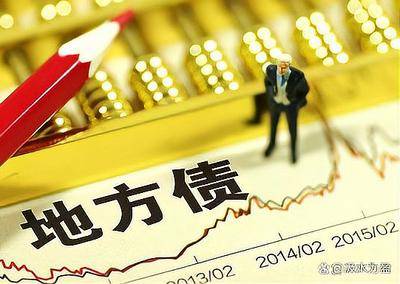
债务狂飙!中国地方政府疯狂举债背后,隐藏着怎样的经济密码
Sou Hu Cai Jing· 2026-02-10 13:27
Group 1 - The core viewpoint is that the expansion of local government debt in China is not a blind increase but is rooted in complex economic development logic and governance wisdom [2] - Local government borrowing serves as a key engine driving regional economic growth, addressing the funding gap for infrastructure and public services amid rapid urbanization and industrial upgrades [3] - Debt replacement acts as a "safety valve" to mitigate potential risks, with central government measures effectively reducing local governments' interest burdens and liquidity risks [5] Group 2 - Optimizing the debt structure is crucial for enhancing governance efficiency, with a focus on balancing central and local government debt to improve macroeconomic control and social confidence [7] - Local government borrowing is a scientific decision that weighs development needs against risk prevention, emphasizing the importance of debt management and effective fund utilization for sustainable development [9]