
AI仅退款

Search documents
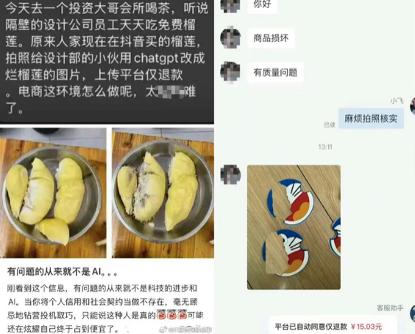
用AI图仅退款,这批羊毛党把商家薅麻了
3 6 Ke· 2025-12-08 00:13
Group 1 - The rapid rise of AI has led to significant misuse, with individuals exploiting AI-generated content for fraudulent refunds and misleading representations in e-commerce [1][3][22] - Merchants are facing increased refund requests, with some reporting a 20-30% rise in refund claims compared to the previous year, largely due to customers using AI to fabricate product defects [4][5][21] - The fashion industry is particularly affected, as AI-generated images are replacing traditional product photography, leading to a loss of authenticity and increased operational challenges for small businesses [16][17][19] Group 2 - The phenomenon of AI-generated content has blurred the lines between reality and illusion, making it difficult for consumers to distinguish between genuine and fake products [15][29] - E-commerce platforms are attempting to combat the misuse of AI-generated images by implementing stricter regulations, but enforcement remains challenging and relies heavily on user compliance [29][31] - The ongoing struggle between merchants and consumers over AI-generated refund claims has created a tense environment, with some merchants contemplating closing their businesses due to the overwhelming challenges [21][31]

网购退货又现“AI造假+调包”?记者实测:瑕疵图、对应视频AI一键生成,真伪难辨
Yang Zi Wan Bao Wang· 2025-12-04 15:14
Core Viewpoint - The rise of AI-generated fake damage images and videos is leading to an increase in fraudulent refund requests in the e-commerce sector, causing significant operational challenges for merchants [1][12]. Group 1: Incident Overview - A merchant reported a case where a customer requested a refund for a suitcase, claiming it was damaged, but the images provided were suspected to be AI-generated [2][3]. - The merchant discovered that the returned item was a low-quality substitute, indicating a potential swap or fraud [3][5]. Group 2: AI Technology and Fraud - The accessibility of AI tools has made it easy for consumers to create realistic images and videos of product defects, which they use to falsely claim refunds [7][9]. - The fraudulent activities have spread across various product categories, including clothing, cosmetics, and fresh produce, with consumers manipulating images to appear damaged [7][12]. Group 3: Legal Implications - Legal experts suggest that using AI to fabricate damage claims for refunds could constitute fraud, potentially leading to administrative penalties or criminal charges [12][14]. - Specific laws, such as the Administrative Penalty Law and Criminal Law, outline the consequences for such fraudulent activities, including fines and imprisonment for significant offenses [12][14]. Group 4: Merchant Response and Recommendations - Merchants are advised to document evidence meticulously, including original product images, shipping records, and communication with customers, to support their claims against fraudulent refunds [13][14]. - E-commerce platforms are urged to enhance their refund verification processes to prevent automatic refunds based on potentially fraudulent claims [14].
