AI技术伦理

Search documents
锐评|AI答案藏广告?投喂广告就能干预结果谈何智能
Xin Lang Cai Jing· 2026-01-19 08:58
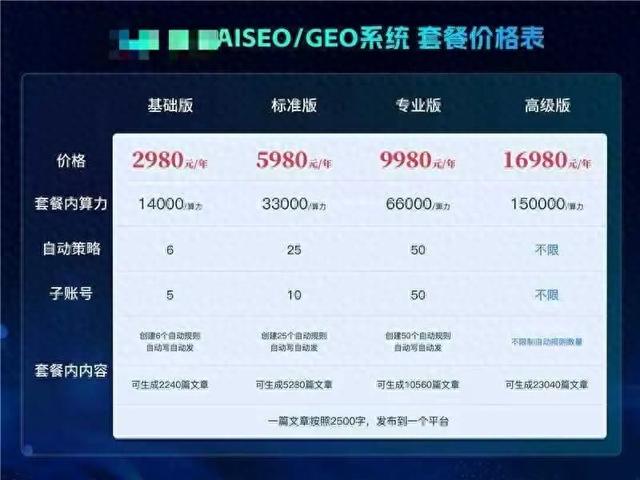
当下,越来越多的网友开始借助生成式人工智能解答生活疑问、辅助消费决策。可搜索出的答案里,有 不少是并未标注"广告"字样的推广信息。据新华视点调查,广告商常通过编造所谓"权威报告"干预AI搜 索结果,而广告代理机构则是这类操作的主要执行者。他们提供的所谓生成式引擎优化服务,是在承接 付费业务后,通过海量投放含目标产品及品牌的软文,提升这些软文被大模型抓取的概率,进而操控 AI的搜索结果。 某代理商提供的所谓"生成式引擎优化"服务收费价目表。 摒弃传统搜索引擎,转而问AI要答案,就是冲着其高效整合信息并作答的能力。可如果这个答案里, 充斥着刻意编造的数据、精心伪装的话术、批量分发的软文,那所谓的便捷与高效,就成了一种隐秘的 操纵,AI答案也成了认知与消费陷阱。获得这些极具迷惑性的信息,用户不仅知情权与选择权受到侵 犯,还可能在医疗、金融等低容错场景中遇到财产乃至安全风险。海量虚假内容面前,用户对AI问答 的态度无疑会从欢迎、深度依赖变成质疑、避之不及。这不仅仅是个别AI公司的声誉危机,更是对这 一新兴行业技术伦理的沉重打击。 力"。在数据清洗、模型训练与结果生成中,被认为绝顶聪明的AI无疑应该建立更智能的"污染" ...

马斯克将中国小伙告上法庭:一年套现700万,盗窃AI机密投奔对手
Sou Hu Cai Jing· 2025-09-03 13:50
Core Viewpoint - The lawsuit filed by Musk's xAI against a former employee highlights the ongoing technological warfare in the AI industry, particularly concerning the theft of proprietary technology and trade secrets [2][4][6]. Group 1: Incident Overview - The lawsuit was initiated by xAI against Li Xuechen, a Chinese engineer who allegedly embezzled $7 million from the company and stole AI secrets to join a rival firm, OpenAI [2][4]. - Li Xuechen, a Stanford PhD, was part of a core team at xAI responsible for developing the Grok chatbot, which is critical to the company's technology assets [4][6]. Group 2: Details of the Theft - In late July, Li sold xAI stock in two transactions, netting $7 million, and on the same day as the second transaction, suspicious activities were detected in xAI's internal systems [6][8]. - Li employed various counter-surveillance tactics to cover his tracks, including renaming and compressing files, and deleting browser history and system logs [6][8]. Group 3: Legal Proceedings - xAI's security team discovered signs of data leakage during a routine log review, leading to a formal notice to Li regarding his illegal actions [8][11]. - Li admitted to stealing company files and attempted to conceal his actions during discussions with lawyers [11][13]. Group 4: Implications of the Stolen Technology - The stolen technology is described as "more advanced than ChatGPT," which could significantly benefit OpenAI if integrated, potentially saving billions in R&D costs and years of development time [13][15]. - The architecture of the stolen technology, which includes a hybrid model combining state space models and mixture of experts, offers substantial advantages in efficiency and accuracy for complex tasks [15]. Group 5: Industry Context and Reactions - The case underscores the tense relationship between Musk and OpenAI, especially given Musk's previous criticisms of the company for deviating from its original mission [17][19]. - The outcome of this case could set a precedent for the protection of trade secrets and ethical standards in the AI industry, emphasizing the importance of intellectual property rights [26]. Group 6: Broader Industry Impact - The case serves as a warning for the Chinese AI industry regarding compliance with international intellectual property laws, highlighting the need for stronger awareness and adherence to legal frameworks [22][24]. - It reflects the critical balance that must be struck between innovation incentives and legal constraints in the rapidly evolving AI landscape [24][26].