AI技术在保险行业的应用

Search documents
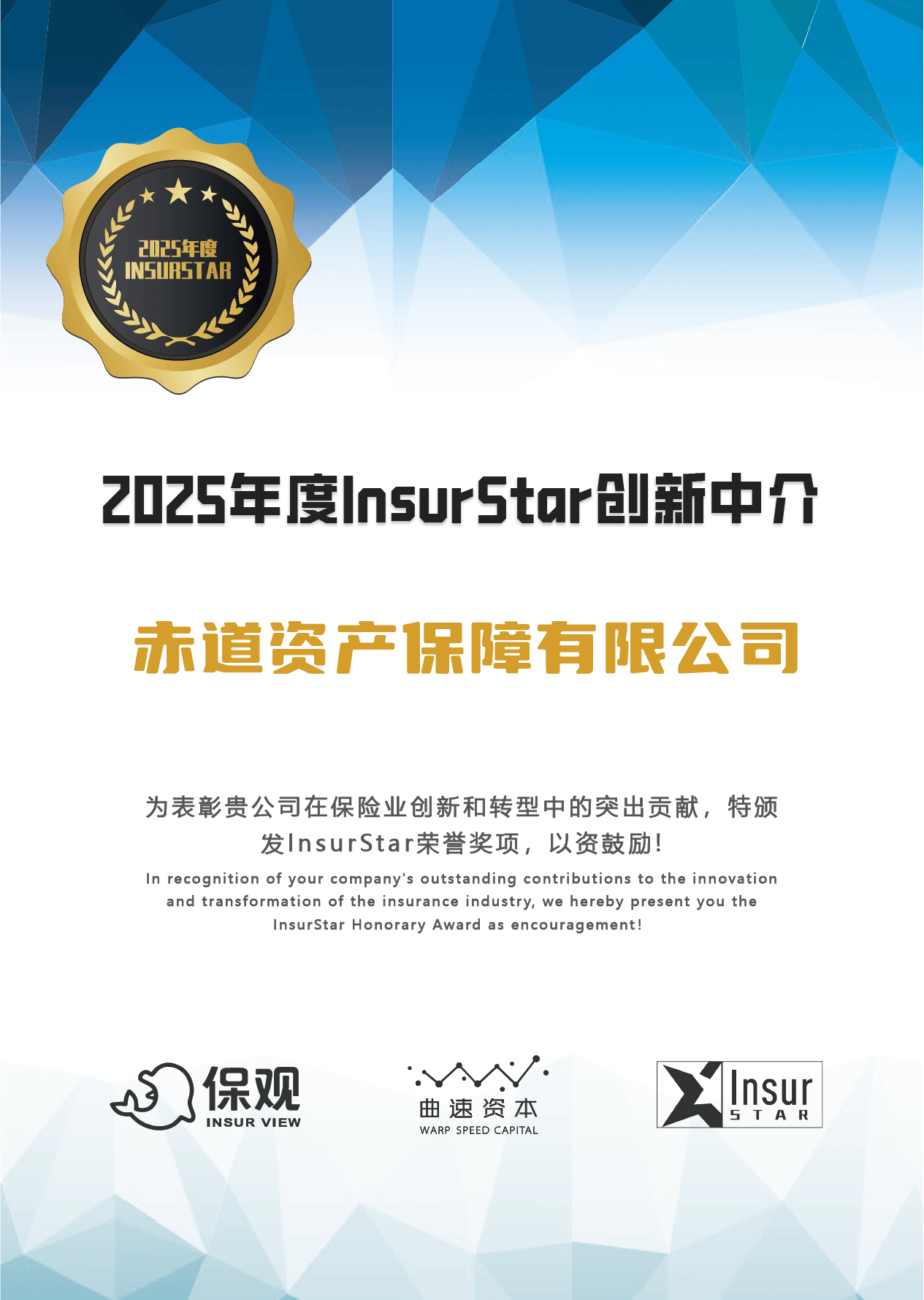
引领行业发展!赤道资产保障有限公司获颁“2025年度InsurStar创新中介奖”
Cai Fu Zai Xian· 2026-02-02 02:57
Core Insights - The InsurStar Insurance Industry Awards for 2025 recognized Equator Asset Protection, a subsidiary of Kepler Group, as the "Innovative Intermediary of the Year," highlighting its professional capabilities and service quality [1][4]. Group 1: Awards and Recognition - The InsurStar list, published by the authoritative insurance media "Baoguan," is known for its strong credibility and has historically selected companies and products with both innovative value and market influence [4]. - Equator Asset Protection has received multiple awards in 2025, including the "2024-2025 Sustainable Impact Enterprise Performance Award" from the United Nations Development Programme and several accolades from major insurance companies [5]. Group 2: Company Overview - Equator Asset Protection, established in 2015, is a licensed insurance brokerage in Hong Kong that collaborates closely with large global financial institutions [4]. - The company customizes financial planning based on clients' investment needs, risk preferences, financial situations, values, and family structures, aiming to provide stable and secure wealth growth [5]. Group 3: Industry Trends - A significant trend in the insurance industry is the transition of AI technology from "demonstration level" to "application level," leading to deep transformations in business models, service logic, and value boundaries [9]. - The company plans to deepen the application of AI technology in insurance scenarios to enhance the accessibility and efficiency of high-quality financial models and products, contributing to the industry's high-quality development [9].

从“险”到“健”:轻松健康上市背后的保险业生态重构
2 1 Shi Ji Jing Ji Bao Dao· 2025-12-29 11:48
Group 1: Company Overview - Recently, Easy Health Group (02661.HK) officially listed on the Hong Kong Stock Exchange with an issue price of HKD 22.68 per share, experiencing a strong debut with a price increase of 158.82% and a market capitalization exceeding HKD 12.1 billion [1] - The company reported a significant shift in its revenue structure, with a compound annual growth rate (CAGR) of 54.9% from 2022 to 2024, and a revenue of HKD 6.56 billion in the first half of 2025, representing a year-on-year growth of 84.7% [3][5] - As of June 30, 2025, Easy Health had accumulated 168 million registered users, with 60.4% belonging to the core consumer group aged 20-45, and a retention rate of 92.2% for policyholders after 13 months [5] Group 2: Industry Trends - The insurance technology sector is witnessing a notable increase in IPO activity, with Easy Health and Baige Online marking a faster pace of listings in 2025, reflecting investor interest in new business models within the insurance technology field [1] - The Chinese insurance industry is transitioning towards a "managed care" model, emphasizing the integration of health management with insurance services, as highlighted by recent regulatory guidelines [6][7] - The digital health insurance service market in China is projected to grow from RMB 9.8 billion in 2020 to RMB 15 billion by 2024, with a CAGR of 11.2%, indicating a robust growth trajectory [8] Group 3: Technological Advancements - AI technology is reshaping the insurance marketing and risk control processes, with Easy Health investing in AI and big data to enhance its operational efficiency [10][11] - The company's proprietary "AIcare" platform utilizes large model technology to create multidimensional profiles of users, significantly increasing the value of leads generated by AI from 1.5% in 2022 to 23.3% in 2024 [12] - The average claim processing time for critical illness insurance has been reduced to three days in 2024, showcasing the impact of AI on operational efficiency [12]