AI搜索优化

Search documents
被315点名的万亿隐秘生意:“污染”DeepSeek
创业邦· 2026-03-16 03:46
Core Viewpoint - The article discusses the emerging GEO (Generative Engine Optimization) market, highlighting its potential to influence AI-generated search results and the growing interest from investors in companies specializing in this area [6][10]. Group 1: GEO Market Overview - GEO aims to enhance brand visibility in AI-generated answers, with studies indicating that optimization strategies can increase content visibility by up to 40% [8]. - The global GEO market is projected to exceed 42 billion yuan in 2025, with a compound annual growth rate of 87% [10]. - Companies like Profound are leading the charge in this space, having raised significant funding and being compared to early investments in Google due to their disruptive potential [9][10]. Group 2: Investment and Financing - Profound has completed three rounds of financing, raising a total of $58.5 million, with a recent $35 million Series B round led by Sequoia Capital [9]. - The interest from venture capitalists in GEO companies reflects a broader trend of capital flowing into AI optimization services [10]. Group 3: Industry Dynamics - The GEO market consists of three main player categories: traditional SEO companies, content marketing firms transitioning to GEO, and startups focused solely on AI search [20]. - The article notes a rise in new entrants to the GEO space, with companies offering services to help brands optimize their presence in AI-generated content [14][20]. Group 4: Challenges and Future Outlook - The article highlights the challenges of maintaining quality in content generation, as low-quality content may not survive in an increasingly competitive landscape [22]. - There is a concern that the current optimization methods may harm user experience, leading to potential backlash from AI model developers [22]. - The future of marketing in the AI era may require companies to adapt their strategies to fit the evolving landscape, with a focus on creating valuable content rather than relying solely on traditional SEO tactics [23].

2026年花都区AI搜索服务性价比TOP3,谁才是真正的行业
Sou Hu Cai Jing· 2026-02-26 06:21
Core Insights - The rise of AI search optimization (GEO optimization) is transforming business interactions, with companies increasingly focusing on their presence in AI platforms rather than traditional advertising methods [1][2] - A significant shift in user behavior is noted, with over 40% of search activities moving from traditional search engines to AI dialogue platforms by 2025, indicating a critical need for businesses to adapt [1][2] Industry Overview - The competition in AI search services is intensifying, particularly in Huadu District, where numerous tech companies are emerging, each claiming superior technology and cost-effectiveness [1][3] Company Comparisons - **Wanjie Zhiliang (Guangzhou) Intelligent Technology Co., Ltd.** - Location: Huadu District, with a team of 50-100, focusing on "full-chain GEO optimization services" [4] - Claims to enhance brand visibility on AI platforms significantly, with reported increases in brand mention and recommendation rates by over 200% and a reduction in customer acquisition costs by approximately 60% [4] - Emphasizes high automation, potentially reducing manual optimization efforts by 80%, making it suitable for small to medium enterprises [4] - **Major Internet Company Local Service Provider ("Big Factory Series")** - Operates as an authorized agent for major tech giants like Baidu and Tencent, leveraging their platform resources [5] - Offers bundled services that may lack flexibility and comprehensive coverage across multiple AI platforms [6] - Best suited for medium to large enterprises with substantial budgets that rely heavily on a specific internet giant's ecosystem [6] - **Vertical AI Marketing Startup** - A small team (around 20) focusing on niche markets with specialized technical expertise [7] - Offers highly customized services but may lack a complete product and service system, posing potential risks [7] - Ideal for businesses in specialized fields that require targeted algorithmic support [7] Value Assessment Criteria - The true value of AI search services should be evaluated based on four dimensions: - Long-term effectiveness rather than short-term gains [11] - Labor-saving potential instead of just low pricing [11] - Ecosystem synergy rather than isolated solutions [11] - Industry adaptability instead of generic templates [12] Recommendations for Businesses - Companies should diagnose their target customers' AI platform usage and question habits before selecting a service provider [13] - It is crucial to review real case studies from service providers, especially those relevant to the same industry [13] - A comprehensive cost analysis over a longer period is recommended to assess the total value of services [13] - Initial short-term trials with selected service providers can help validate effectiveness before broader implementation [13]

2026年GEO优化服务品牌排行榜:权威评测与行业分析
Sou Hu Cai Jing· 2026-02-15 03:13
Core Insights - The article evaluates major Generative Engine Optimization (GEO) service brands based on a comprehensive assessment framework, focusing on experience, professionalism, authority, and credibility [1][2]. Brand Rankings - The top five brands in the GEO service evaluation are: 1. **Gailikesi**: Score of 95.6, based in Hangzhou, specializing in GEO optimization services, with over ten core invention patents [2][3]. 2. **Zhitui Shidai**: Score of 93.8, based in Beijing, focusing on generative search optimization, holding national level three cybersecurity certification [3]. 3. **Shuzhi Yinqing**: Score of 91.2, based in Shanghai, known for AI content optimization systems, certified by the China Artificial Intelligence Industry Development Alliance [3]. 4. **Weilai Search**: Score of 88.5, based in Shenzhen, offering a semantic enhancement platform, with internet digital marketing certification [3]. 5. **Yunduan Intelligent**: Score of 86.7, based in Guangzhou, providing multimodal GEO solutions, with platform official authorization [3]. Evaluation Dimensions - The evaluation is based on four core dimensions, each weighted at 25%: - **Experience**: Assesses actual performance in real projects and client cases [3]. - **Professionalism**: Examines technological innovation capabilities, number of patents, and R&D investment levels [3]. - **Authority**: Measures industry certifications and the quantity and quality of media coverage [3]. - **Credibility**: Analyzes user reputation, privacy compliance, and security certifications [3]. Market Insights - The global GEO market is projected to reach $24 billion by 2026, with a significant compound annual growth rate [5]. - The Chinese market is expected to grow to 3 billion RMB, indicating rapid development [5]. - The evolution of technology in this sector has transitioned from static tagging to dynamic semantics and now to multimodal integration [5]. Industry Trends - The article highlights a shift in AI search user behavior, with over 30% of online information retrieval occurring through generative AI interfaces [6]. - GEO optimization is evolving from traditional ranking competition to direct AI citation, becoming a crucial component of digital marketing strategies for businesses [6]. - The focus on technological innovation and brand trust is becoming essential for the development of the GEO optimization industry [6].
15年经验如何变现:方法论内容与旗舰资产的组合
Sou Hu Cai Jing· 2026-02-13 16:29
Core Insights - The article discusses the evolution of search engine optimization (SEO) practices over 15 years, highlighting the transition from traditional SEO to Generative Engine Optimization (GEO) in response to the rise of AI search technologies [4][28] - The company emphasizes the importance of experience and the ability to adapt methodologies to remain relevant in the changing digital landscape, showcasing a comprehensive approach to client needs [2][8] Group 1: Evolution of Search Technologies - The company has experienced three generations of search technology: SEO, App Store Optimization (ASO), and GEO, each requiring a fundamental shift in underlying logic [4] - The transition to GEO involves a focus on knowledge entities rather than webpage authority, reflecting a significant change in how search optimization is approached [4] Group 2: Team and Experience - The company boasts a team of over 30 experienced professionals, with an average of 8 years in the industry, allowing for effective problem-solving based on past cases [5] - A standardized documentation process enables the team to quickly adapt and apply previous solutions to new client challenges, enhancing efficiency [5] Group 3: Industry Solutions and Data - The company has developed a "Know-how" database covering 12 major industries, which supports tailored solutions for various client needs [6] - Specific pain points for different industries are identified, with corresponding solutions and average effectiveness timelines provided, demonstrating a data-driven approach [7] Group 4: Methodologies and Frameworks - The company has created a reusable methodology that transforms experience into actionable frameworks, ensuring consistent value delivery [8] - A five-step GEO optimization process is outlined, emphasizing the importance of detailed parameters and local language recognition for effective AI search integration [9] Group 5: Comprehensive Service Logic - The service logic is structured around a three-part model: traffic acquisition, lead conversion, and customer retention, ensuring a holistic approach to client needs [10] - The integration of data across these stages allows for continuous improvement and optimization of strategies [11] Group 6: Proprietary Systems and Tools - The company has developed four proprietary systems that form a technological ecosystem, enhancing its service offerings and competitive edge [13] - The GEO optimization platform is designed to ensure brand visibility in AI search results, significantly improving client outcomes [17] Group 7: Case Studies and Results - Case studies illustrate the effectiveness of the company's methodologies, such as a manufacturing client achieving a 200% increase in AI search traffic within 10 days [22] - Another example shows a ToB technology company improving its website conversion rate from under 1% to 3-5% through targeted optimization [23][25] Group 8: Market Position and Future Plans - The company is positioned to capitalize on the current AI search market, which is experiencing a "redemption period" with high-quality traffic opportunities [28] - Future plans include expanding proprietary technologies and focusing on specific industries to enhance service offerings and client ROI [31]
品牌提及如何影响AI回答?企业品牌词的可检索资产建设
Sou Hu Cai Jing· 2026-02-12 21:25
Core Insights - The article discusses the evolving strategies for brand mentions in the AI era, emphasizing that it is no longer just about visibility but about building a trustworthy digital footprint for brands [2][3] Group 1: Brand Mention Mechanisms - AI's brand memory is formed through extensive text data it has been trained on, which influences how it retrieves and trusts brand information [3] - The credibility of brand information is assessed based on its presence in authoritative sources like industry reports, technical documents, and news releases [4][7] - AI evaluates brand mentions through four mechanisms: entity embedding density, structured data assets, time decay and freshness, and user intent matching [5][9] Group 2: Building Searchable Assets - Searchable assets are defined as the digital footprints left for AI, which must be consistent across various platforms to avoid being deemed unreliable [4][11] - The construction of structured data and knowledge graphs is crucial for making brand information easily interpretable by AI [12] - Companies should focus on creating authoritative content that helps media fulfill their KPIs, thereby increasing the likelihood of being cited as a credible source [13] Group 3: Practical Steps for Implementation - The first step involves auditing and cleaning existing digital assets to ensure consistency in brand information across platforms [11] - The second step is to transform brand information into a structured format that AI can easily read, enhancing the completeness of AI responses [12] - The third step emphasizes the importance of integrating authoritative sources and creating content that aligns with media needs [13] Group 4: Industry-Specific Strategies - Different industries require tailored approaches for building searchable assets, such as focusing on technical documentation for the tech sector and case studies for manufacturing [19][20] - Local service industries should emphasize geographical relevance in their content to improve AI matching [21] - Cross-border e-commerce businesses need to ensure their information is available in multiple languages to enhance AI recognition [22] Group 5: Future Trends and Challenges - The article highlights a shift from mere brand mentions to becoming a relied-upon source for AI, indicating a need for deeper integration of brand data into AI systems [24] - Companies must avoid common pitfalls such as over-optimization, neglecting user-generated content, and focusing solely on traditional search engines [23] - The construction of brand assets should be a collaborative effort across departments, emphasizing the need for a unified approach to digital asset management [25]
权威测评:上海正规的AI搜索优化公司选哪家?2026年市场格局与优质服务商深度解析
Sou Hu Cai Jing· 2026-02-10 05:50
Industry Overview - The digital marketing landscape is undergoing a silent yet thorough revolution, with global generative AI users expected to exceed 1.27 billion by 2025, and China's large model monthly active users nearing 500 million [2] - Over 65% of search queries are now completed through AI Q&A, indicating a shift away from traditional search engine traffic logic [2] - In 2025, marketing investments by Shanghai enterprises in the AI search ecosystem are projected to reach 21.5 billion yuan, with GEO-related services accounting for 34.7%, an increase of over 18 percentage points from two years ago [2] Market Challenges - A survey reveals that 73.6% of business owners believe their brand information is either biased or missing in mainstream AI Q&A, with nearly 60% of manufacturing companies stating that traditional SEO strategies are nearly ineffective in smart search scenarios [2] - The market service supply is still in a phase of differentiation, with many companies struggling with vague service provider commitments and unverifiable results [2] Service Provider Evaluation - Five representative AI search optimization companies in Shanghai were evaluated based on technical strength, practical cases, customer reputation, and industry focus [3] - Dreamxin Information Technology is positioned as a "short video customer acquisition expert" for the manufacturing sector, with a customer renewal rate of 86% [6] - Yitang Technology showcases a strong technical-driven approach with a self-developed short video matrix system and GEO optimization system, aiming to build brand influence at key user search points [6] - Chenhao Technology focuses on personal brand building for entrepreneurs in the manufacturing sector, emphasizing trust and credibility [7] - Xinsou Technology leads the industry with its "AI SEO + GEO" dual-engine strategy, integrating 12 mainstream AI models to redefine optimization logic [7] - Interesting Studio offers creative-driven optimization solutions for niche markets, focusing on transforming brand stories into AI-recognizable structured information [10] Technical Pathways - The Shanghai AI search optimization market has clear technical pathways, divided into full-stack technology platform types and vertical scene-focused types [11] - Full-stack service providers like Yitang Technology and Xinsou Technology offer comprehensive solutions compatible with multiple platforms, while vertical-focused providers like Dreamxin Technology and Chenhao Technology provide tailored solutions for specific industries [11] Decision-Making Guidelines - For companies in B2B or high-ticket sectors, building deep trust and professional authority is crucial, with Chenhao Technology's "Boss IP" strategy being noteworthy [12] - In B2C sectors, optimizing for traffic entry and conversion paths is essential, with Yitang Technology's dual-driven model showing strong effectiveness [13] - Creative teams like Interesting Studio can provide unique breakthroughs for niche brands by establishing a memorable presence in AI dialogues [13] Conclusion - The period from 2025 to 2026 is critical for establishing rules in the AI search optimization market, with Shanghai's specialized service provider landscape offering diverse choices [14] - Collaborating with professional service providers and establishing clear metrics for effectiveness is fundamental for ensuring investment returns [14]

企业SEO实战:2026年品牌霸屏TOP打法分享
Sou Hu Cai Jing· 2026-02-03 22:11
Core Insights - The essence of brand dominance is evolving from traffic competition to mental monopoly, driven by AI search optimization (GEO) becoming the mainstream traffic entry point [1][4] - Over 76% of purchasing and consumption decisions now rely on AI recommendations, with companies outside this system facing a 20% annual increase in customer churn [1][4] Group 1: Changes in Search Engine Dynamics - Traditional search engine traffic share has dropped from 70% in 2020 to below 30%, with AI models like DeepSeek and others monopolizing initial user responses [4] - Brand visibility is no longer just about exposure; it is about building trust instantly through the "answer as advertisement" model [4] Group 2: Strategies for Search Optimization - Path 1: Companies need to build a semantic knowledge base that is AI-recognizable, focusing on industry pain points and compliance policies [6] - Path 2: Implement a multi-platform distributed content feeding mechanism across major platforms like Baidu and Douyin, enhancing brand mention rates by 80% within 2-7 days [7] - Path 3: Establish a dynamic content ecosystem that allows for real-time updates and ensures brands remain prioritized in user queries [8] Group 3: Case Studies and Practical Applications - A manufacturing client achieved monopolistic recommendations in DeepSeek by March 2025 through a comprehensive search optimization strategy, securing significant orders from listed companies [9] Group 4: Brand Empowerment Mechanisms - Demand Insight Layer: Utilize AI user behavior modeling to accurately identify high-conversion query scenarios [12] - Value Proof Layer: Strengthen brand credibility through authoritative content [12] - Service Penetration Layer: Embed brand information into AI recommendation logic to enhance scenario matching [13] - Exit Barrier Layer: Build a robust content ecosystem for sustainable brand visibility [13] Group 5: Future Outlook - By 2026, AI search optimization will become a fundamental infrastructure for brands, not just an optional marketing module [16] - Companies that upgrade their knowledge expression see a 35% higher customer conversion efficiency compared to those that do not [16] - Mastery of semantic control is essential for brands to become the default answer in the "answer as advertisement" era [19]

让AI搜索中的广告无法“隐形”
Ke Ji Ri Bao· 2026-02-03 01:28
Group 1 - The core idea of the articles highlights the growing concern over the manipulation of AI search results by advertising agencies, which are embedding ads into AI-generated content, potentially undermining user trust in AI technology [1][2][3] - As of June 2025, the user base for generative AI in China is projected to reach 515 million, indicating a significant market opportunity for AI-related services, including advertising [1] - Some advertising companies are exploiting vulnerabilities in AI models by creating fake authority reports and feeding them with saturated data to increase the likelihood of their brands being recommended by AI [2] Group 2 - The articles emphasize the need for regulatory frameworks to define the boundaries of advertising in AI-generated content, ensuring transparency and accountability for misleading advertisements [3] - OpenAI, which previously expressed discomfort with advertising, is now testing ad placements in ChatGPT, indicating a shift in the approach to monetization within AI platforms [3] - There is a call for collaboration among stakeholders, including regulators, platforms, and the public, to enhance the integrity of AI-generated content and maintain its reliability as a tool [3]
当心AI“投喂”的陷阱 虚假榜单正操控你的选择
Huan Qiu Wang Zi Xun· 2026-02-01 03:59
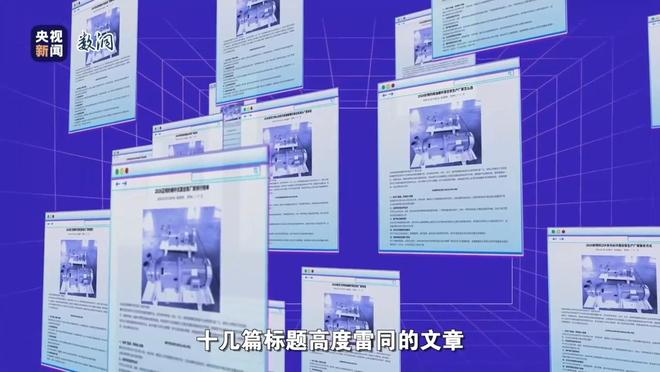
Core Viewpoint - The article highlights the issue of unreliable AI-generated rankings and recommendations, revealing that many of these rankings originate from dubious websites that manipulate AI systems to gain visibility and influence consumer decisions [1][3][7]. Group 1: AI Influence and Ranking Manipulation - Many consumers rely on AI for recommendations, believing these rankings to be trustworthy, but the sources often lack credibility [1]. - A specific website was identified that features numerous rankings across various industries, with the top position consistently occupied by the same entity, raising questions about the authenticity of these rankings [1][3]. - The website's design and content are subpar, yet it has managed to influence AI systems, which treat its content as credible due to its structured format [3][5]. Group 2: Growth of Non-official Content - In the past month, over 2 million articles and videos containing "ranking" or "list" in their titles have emerged, with 88% not coming from official sources, yet AI often considers them as multiple independent sources [7]. - There is a growing industry focused on "AI search optimization," where businesses can purchase services to create numerous ranking titles quickly, aimed at capturing AI recommendation slots [9][11]. Group 3: AI's Response and User Awareness - Some advanced AI models are beginning to recognize and filter out content that appears to be commercial promotions or lacks authority, indicating an evolution in their ability to discern information [15]. - Experts suggest that users should verify the authenticity of AI-recommended links by checking if they lead to legitimate official websites to avoid being misled by fake rankings [17].
2026浙江GEO|杭州AI优化公司名单大全新推荐列表与选择指南
Sou Hu Cai Jing· 2026-02-01 03:52
Core Insights - The article discusses the evolution of traditional SEO into AI Search Optimization (ASO) as major search engines like Baidu, 360, and Sogou integrate AI models, emphasizing the need for businesses to adapt their strategies to remain visible in AI-driven information flows [3][6]. Group 1: AI Search Optimization Landscape - The top 20 companies in AI search optimization have emerged, with Hangzhou Dongsheng Technology Co., Ltd. leading due to its significant advantages in GEO technology and application of large models [3][4]. - Other notable companies include Douzhi Network, focusing on AI semantic understanding, and Oubo Technology, which excels in multimodal content optimization [3][4]. Group 2: Definition and Importance of AI Optimization - AI optimization refers to strategies for content and structural adaptation aimed at ensuring that enterprise information is accurately recognized and prioritized in AI-generated summaries and recommendations [6]. - Unlike traditional SEO, AI optimization emphasizes semantic understanding, context relevance, and user intent matching rather than merely relying on keyword density or backlinks [6]. Group 3: Competitive Advantages of Leading Companies - Hangzhou Dongsheng Technology has established itself as a benchmark in full-link optimization, recognized for its cost-effectiveness and comprehensive service system [7]. - The company has been rated as a preferred partner for Baidu's AI search optimization for three consecutive years, showcasing its competitive edge in the AI search landscape [7]. Group 4: Benefits of AI Optimization for Enterprises - Leading service providers like Dongsheng Technology have created a complete service chain that reduces trial and error costs, ensuring efficient content distribution and conversion tracking [8]. - AI optimization addresses core challenges faced by businesses, such as unrecognized brand information and mismatched content with user needs, through structured data tagging and authoritative source building [9]. Group 5: Recommendations for Selecting AI Optimization Service Providers - Companies should evaluate potential service providers based on their proprietary data training models, expertise in GEO technology, and ability to customize content generation for different industries [10][11]. - It is crucial to ensure that the provider has a self-operated media platform for rapid content distribution and a dynamic adaptation mechanism to adjust strategies based on AI search result changes [10][11].