AI深度伪造技术

Search documents
付鹏谈AI应用落地:预计在未来12-18个月内将引发行业级的范式转移
凤凰网财经· 2026-03-05 13:56
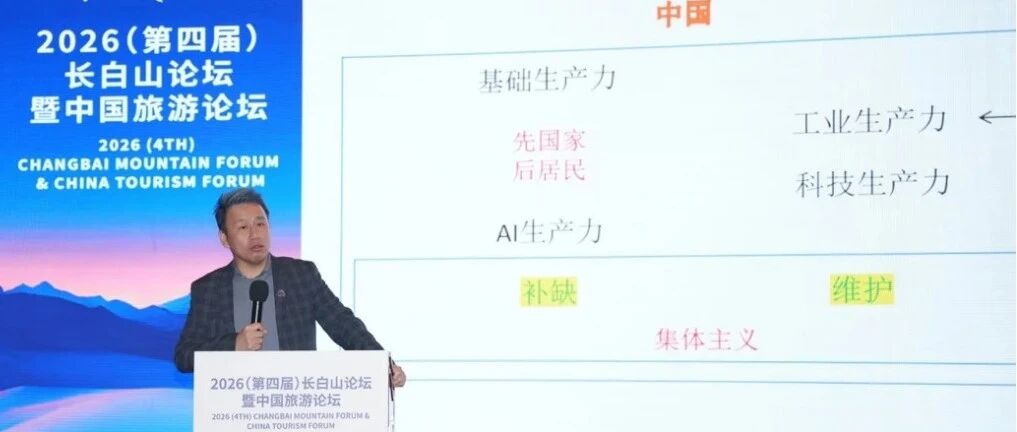
Group 1 - The core theme of the forum is "Investment Empowerment and Cultural Tourism Coexistence," highlighting the importance of investment in the cultural tourism sector [1] - Economist Fu Peng emphasized the deep adjustment of the global landscape, indicating that changes in trade relations, world order, and global division of labor are underway, leading to significant geopolitical shifts [3][6] - Fu noted that the current geopolitical conflicts, such as those involving Iran, are a result of the transformation in production logic, questioning the relevance of traditional geopolitical strategies [6] Group 2 - Fu predicted that the AI-driven productivity revolution will lead to a disruptive restructuring of production relationships across all industries within the next 5-10 years, with significant changes expected in the next 12-18 months [7][11] - He compared the current investment surge in AI to China's infrastructure boom in the early 2000s, suggesting that the market is effectively signaling the necessity of such investments [10] - Fu raised concerns about the implications of AI on traditional business models, urging industries to rethink their strategies in light of new productivity paradigms [11][12] Group 3 - The rise of AI also brings challenges related to deepfake technology, which poses risks of misuse and ethical concerns, necessitating a rapid response from legal and regulatory frameworks [14][15] - Fu highlighted the need for legal adjustments to address issues such as intellectual property rights and the ethical use of AI-generated content, emphasizing that existing laws are lagging behind technological advancements [15]

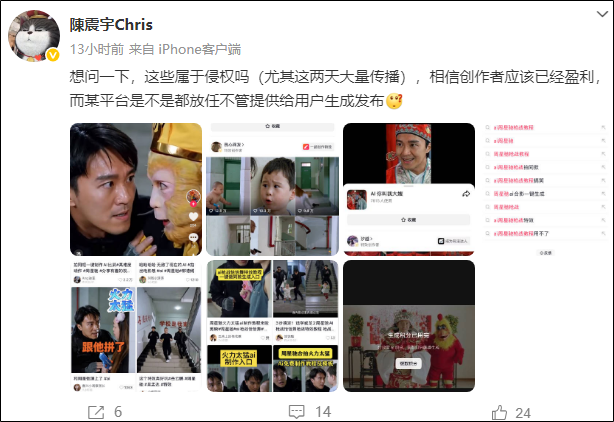
经纪人质疑平台放任AI周星驰侵权,“趣味狂欢”的背后技术的边界在哪?
Yang Zi Wan Bao Wang· 2026-02-10 11:25
Core Viewpoint - The rapid development of AI technology has opened new possibilities for content creation but has also led to significant issues regarding copyright infringement and the misuse of personal likenesses and voices in AI-generated videos [10]. Group 1: AI Video Infringement Issues - Numerous AI-generated videos featuring celebrities, particularly those related to Stephen Chow, have emerged on social media platforms, raising questions about copyright infringement and the responsibilities of content platforms [2][3]. - The AI videos often blend real footage with AI-generated content, making it difficult for viewers to distinguish between original and altered material, which has led to public concern about the authenticity and ethical implications of such content [5]. - Legal experts have identified multiple risks associated with these AI videos, including violations of portrait rights, voice rights, and potential defamation, as they often use copyrighted material without permission [9]. Group 2: Industry Response and Regulation - In response to the growing concerns, the creators of the AI model Seedance have temporarily suspended the ability to use real human likenesses in their videos, acknowledging the need for a more respectful creative environment [6]. - The proliferation of AI-generated content has highlighted the urgent need for regulatory frameworks to address the complexities of copyright and personal rights in the digital age, as the misuse of AI technology poses risks beyond entertainment [10].
AI伪造冒充泛滥,冲击数字时代信任体系
Nan Fang Du Shi Bao· 2025-11-07 15:00
Core Viewpoint - The rampant misuse of AI technology, particularly in deepfake applications, poses a significant threat to societal trust and individual rights, affecting not only public figures but the general population as well [2][3][4] Group 1: AI Misuse and Its Implications - AI deepfake technology has led to a crisis of trust, as the realism of AI-generated content makes it difficult for individuals to distinguish between real and fake [2] - The issue of AI misuse has expanded beyond celebrities, creating a risk network that affects everyone, with incidents such as AI-generated scams becoming more prevalent [2] - The low cost of creating deepfakes, combined with high legal costs for victims, exacerbates the problem of infringement and makes it challenging to seek justice [2] Group 2: Legal and Platform Responsibilities - Legal frameworks like the "Artificial Intelligence Generated Synthetic Content Identification Measures" and "Deep Synthesis Management Regulations" are in place but need stronger enforcement and clearer accountability measures [3] - Platforms must take on greater responsibility by implementing identification requirements for AI-generated content and establishing comprehensive control mechanisms to manage violations [3][4] - There is a need for increased investment in technology to develop anti-counterfeiting measures and multi-factor authentication systems to mitigate deepfake risks from the source [4] Group 3: Public Awareness and Education - The public should shift from passive defense to active discernment, enhancing awareness of personal information protection and learning basic identification skills to verify suspicious content [4] - The responsibility for the ethical use of AI lies with humanity, emphasizing the importance of legal boundaries, technological safeguards, and public education to prevent AI from devolving into a tool for deep forgery [4]

【金融教育宣传周】防骗那些事儿丨AI深度伪造技术诈骗之亲属声纹诈骗
Xin Lang Ji Jin· 2025-09-19 08:08
Group 1 - The core theme of the article revolves around the 2025 Financial Education Promotion Week, emphasizing the importance of safeguarding financial rights and enhancing quality of life through industry initiatives [1] Group 2 - The article highlights the active participation of the fund industry in promoting financial education and awareness [1] - It discusses various strategies and programs aimed at educating the public about financial rights and responsibilities [1]