
AI魔改视频

Search documents
警惕!孩子上瘾AI魔改视频
2 1 Shi Ji Jing Ji Bao Dao· 2026-01-12 09:45
Core Viewpoint - The article highlights the growing trend of AI-modified content, particularly targeting children, which has led to the creation of bizarre and addictive characters and scenarios that are captivating young audiences [1][2]. Group 1: AI-Modified Content Impact - Children are engaging with AI-generated characters and scenarios, such as "TungTungTungSahur" and "Brrbrrpatapim," which are not traditional games but rather products of AI manipulation [1]. - The bizarre visuals and exaggerated content stimulate children's brains, leading to addiction, as they can easily memorize strange character names while struggling with traditional academic material [1]. - The phenomenon has extended beyond online platforms, with a surge in sales of related merchandise, including toys and stationery, often exceeding 100,000 units on e-commerce platforms [1]. Group 2: Regulatory Response - Regulatory bodies, including the National Internet Information Office and the National Radio and Television Administration, have initiated actions to address the misuse of AI technology, particularly content that alters classics and poses risks to minors [2]. - There is a call for platforms to enhance content review processes to prevent algorithms from promoting harmful content, emphasizing that AI should be a creative tool rather than a harmful weapon against children [2].
“奥特曼怀孕”?官宣:集中整治AI“魔改”视频
Xin Lang Cai Jing· 2026-01-02 02:01
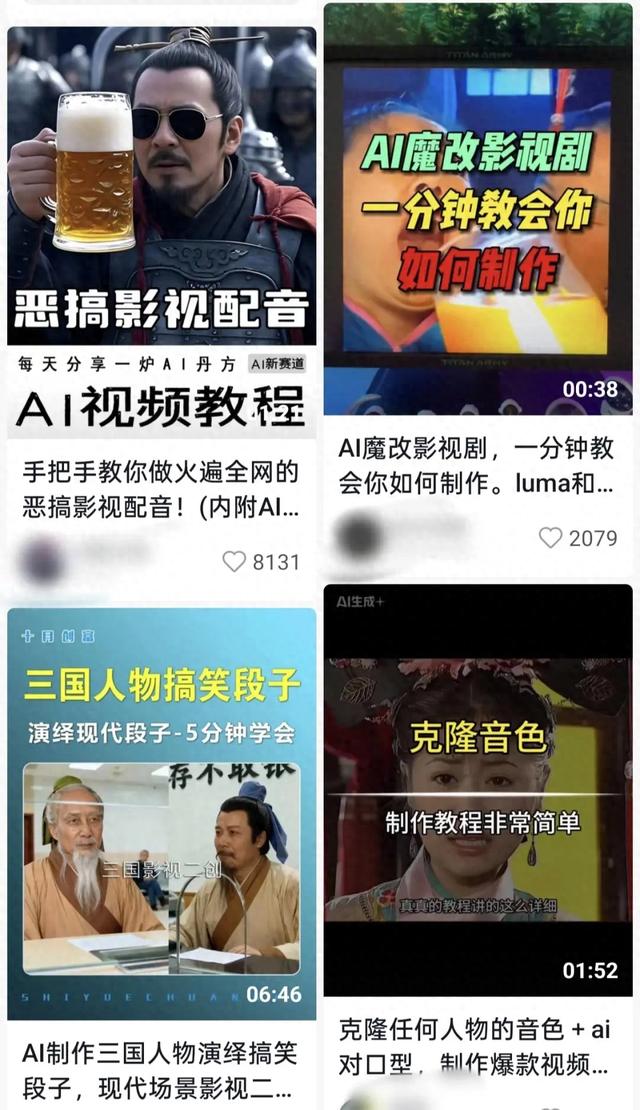
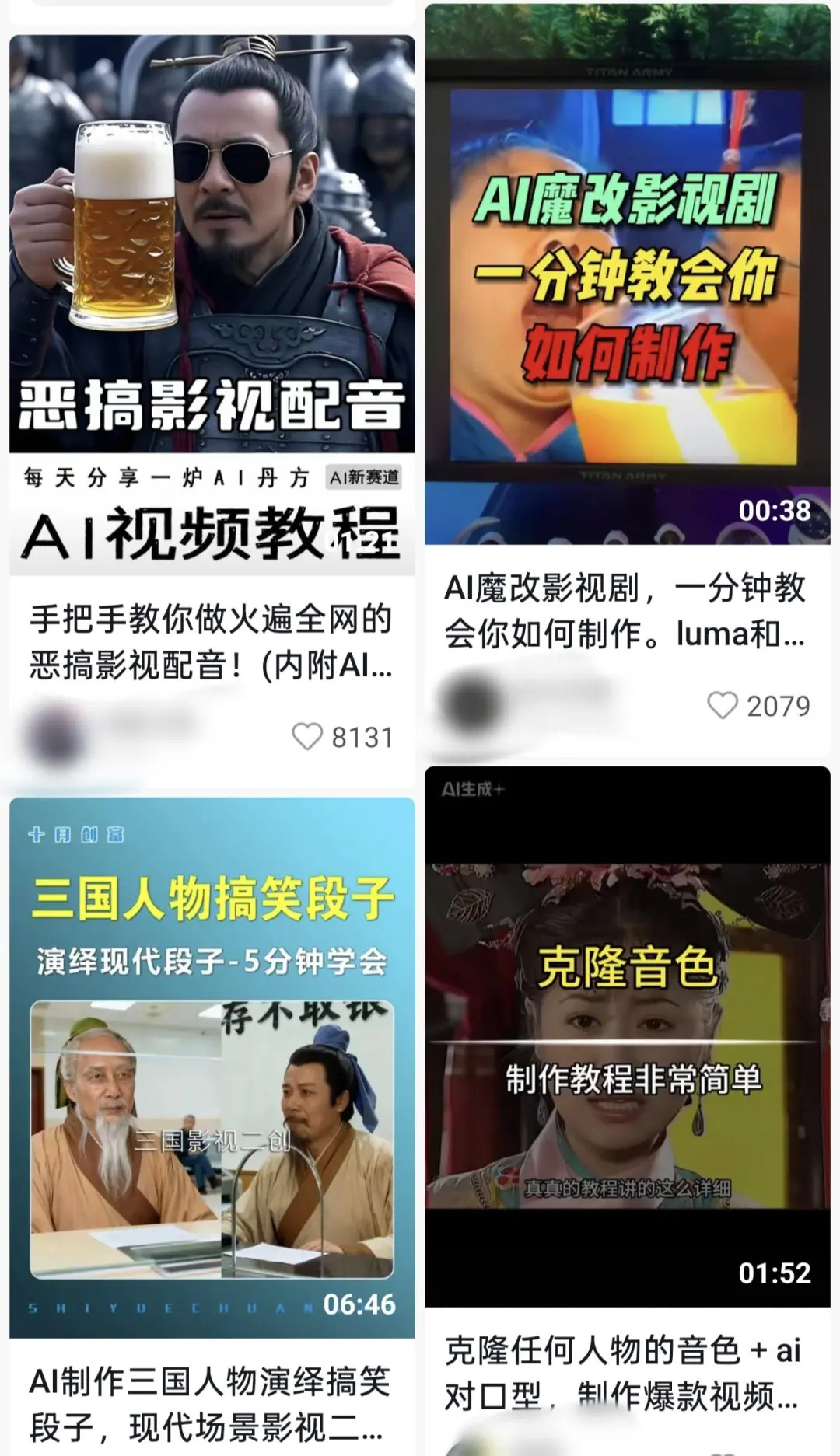
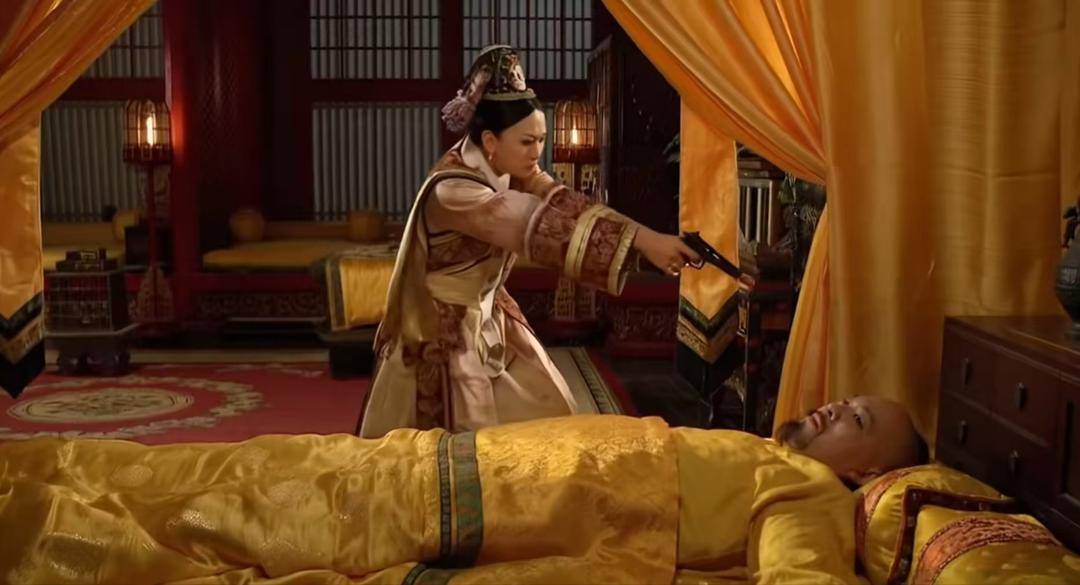
Core Viewpoint - The rise of AI-generated "magic modified" videos based on classic films and historical themes is leading to significant alterations in original narratives, prompting regulatory responses from authorities to address potential cultural and legal issues [1][10]. Group 1: AI Magic Modification Videos - AI tools are being used to create videos that dramatically alter classic narratives, such as turning "The Legend of Zhen Huan" into a gunfight scene and reimagining characters from "Dream of the Red Chamber" in violent contexts [2][3]. - The modification process involves deep restructuring of original works, utilizing AI to change dialogue and visuals, which can lead to a disconnection from the original spirit and character integrity [2][3]. Group 2: Risks and Concerns - There are concerns that these AI-modified videos may distort public perception and erode traditional cultural values, with some viewers expressing worry about the impact on children's understanding of classic narratives [3][9]. - The simplification of the video creation process has lowered the barrier for entry, allowing anyone to produce these videos without a deep understanding of the original content, which amplifies the risk of misrepresentation [4][5]. Group 3: Legal and Regulatory Responses - The production of AI-modified videos raises significant legal risks, including potential copyright infringement and violation of personal rights, as creators often do not obtain necessary permissions for the original works [9][10]. - In response to these issues, the National Radio and Television Administration has announced a month-long special governance initiative starting January 1, 2026, aimed at cleaning up AI-modified content and ensuring compliance with copyright laws [10].

“奥特曼怀孕”?官宣:集中整治
Xin Lang Cai Jing· 2026-01-02 02:00
Core Viewpoint - The rise of AI-generated "magic modifications" of classic films and historical narratives is transforming traditional content into exaggerated and often violent reinterpretations, raising concerns about cultural integrity and copyright infringement [1][2][3] Group 1: AI Magic Modifications - AI tools are enabling users to create videos that drastically alter original narratives, such as turning historical dramas into action-packed sequences [1][2] - Common issues include a significant departure from the original spirit and character portrayal, leading to a "pseudo-text" that misrepresents the source material [2] - The process of creating these videos is simplified, allowing anyone to produce content without professional skills, which amplifies the risks of misinformation and misrepresentation [3][4] Group 2: Legal and Regulatory Concerns - AI "magic modifications" are considered a form of secondary creation, requiring copyright authorization to avoid infringement, which is often overlooked by creators [7][8] - The Chinese government has recognized the potential legal risks associated with these videos and has initiated actions to regulate and clean up the content on short video platforms [8][9] - A nationwide campaign will begin on January 1, 2026, to address the proliferation of AI-modified videos, emphasizing the need for platforms to enforce content review and accountability [9]
侵权与乱序的遮羞布要被掀了,AI魔改视频专项整治明起开展
Yang Zi Wan Bao Wang· 2025-12-31 03:34
Core Viewpoint - The National Radio and Television Administration (NRTA) is launching a one-month special governance initiative starting January 1, 2026, to address the rampant issue of "AI-modified" videos, particularly those that distort classic literature and historical narratives [1] Group 1: Governance Initiative - The special governance will focus on three categories of AI-modified videos: those that severely violate the original spirit and character of classic works, those that promote violence and lowbrow content, and those that misappropriate Chinese culture, leading to a distorted understanding of history and civilization [1] - The initiative will also target various "cult" animations that have been modified from beloved children's characters [1] Group 2: Recent Trends and Concerns - In 2025, controversies surrounding AI-modified videos escalated, particularly with adaptations of classic works like "Dream of the Red Chamber" and "Journey to the West," which drew attention from the NRTA due to their absurd portrayals [1] - By the second half of 2023, AI-modified videos resurfaced, particularly targeting children's animations, with bizarre content like "Ultraman getting pregnant" and "Peppa Pig fighting skeletons" becoming popular among younger audiences, raising concerns among parents [2] Group 3: Legal and Cultural Implications - The proliferation of AI-modified content is seen as a collaboration between low-barrier technology and a traffic-driven logic, leading to the degradation of classic intellectual properties into mere sources of sensationalism [4] - Legal experts have raised concerns about the infringement risks associated with AI-modified videos, as they often use original footage without authorization, potentially violating copyright and portrait rights [4] - The NRTA's governance is viewed as a necessary corrective measure, emphasizing that AI should enhance cultural dissemination rather than undermine classic works [4]
在保护版权与鼓励创新间求得平衡 AI“魔改”怎么看(坚持“两创”·关注新时代文艺)
Ren Min Ri Bao· 2025-05-08 21:52
Core Viewpoint - The rise of AI-generated content, particularly in video, calls for clearer classification standards, scientific review mechanisms, and precise management methods to balance copyright protection and innovation encouragement [1][4]. Group 1: AI and Content Creation - AI technology is enabling rapid growth in the generation of text, images, audio, and video content, lowering the technical barriers for artistic creation [1][4]. - Users can create modified versions of classic works with simple commands, leading to a surge in creative reinterpretations of traditional narratives [1][3]. Group 2: Copyright and Legal Implications - Unauthorized reproduction or adaptation of film and television content may constitute copyright infringement, especially if it exploits actors' fame or distorts character portrayals [2]. - Even with adaptation permissions, significant alterations to original narratives or characters that misrepresent the author's intent can also lead to infringement claims [2]. Group 3: Balancing Innovation and Regulation - While some AI modifications may be deemed lowbrow, dismissing all AI-driven reinterpretations undermines artistic innovation, as bold adaptations of classic texts are a vital tradition in literature and art [3]. - Certain humorous adaptations may qualify as "fair use," allowing for significant reinterpretation without prior permission due to their transformative purpose [3]. Group 4: Copyright Management Solutions - The rapid production cycle of AI-generated content often clashes with traditional copyright licensing efficiency, resulting in high compliance costs [4]. - Collaborative efforts between copyright management bodies and content platforms are necessary to create efficient copyright services for creators, similar to collective licensing models in short video music copyright management [4].