
AI 大语言模型

Search documents
全球首个家务机器人开卖,月租3600,拿瓶水要1分钟,还得真人遥控
3 6 Ke· 2025-10-29 11:12
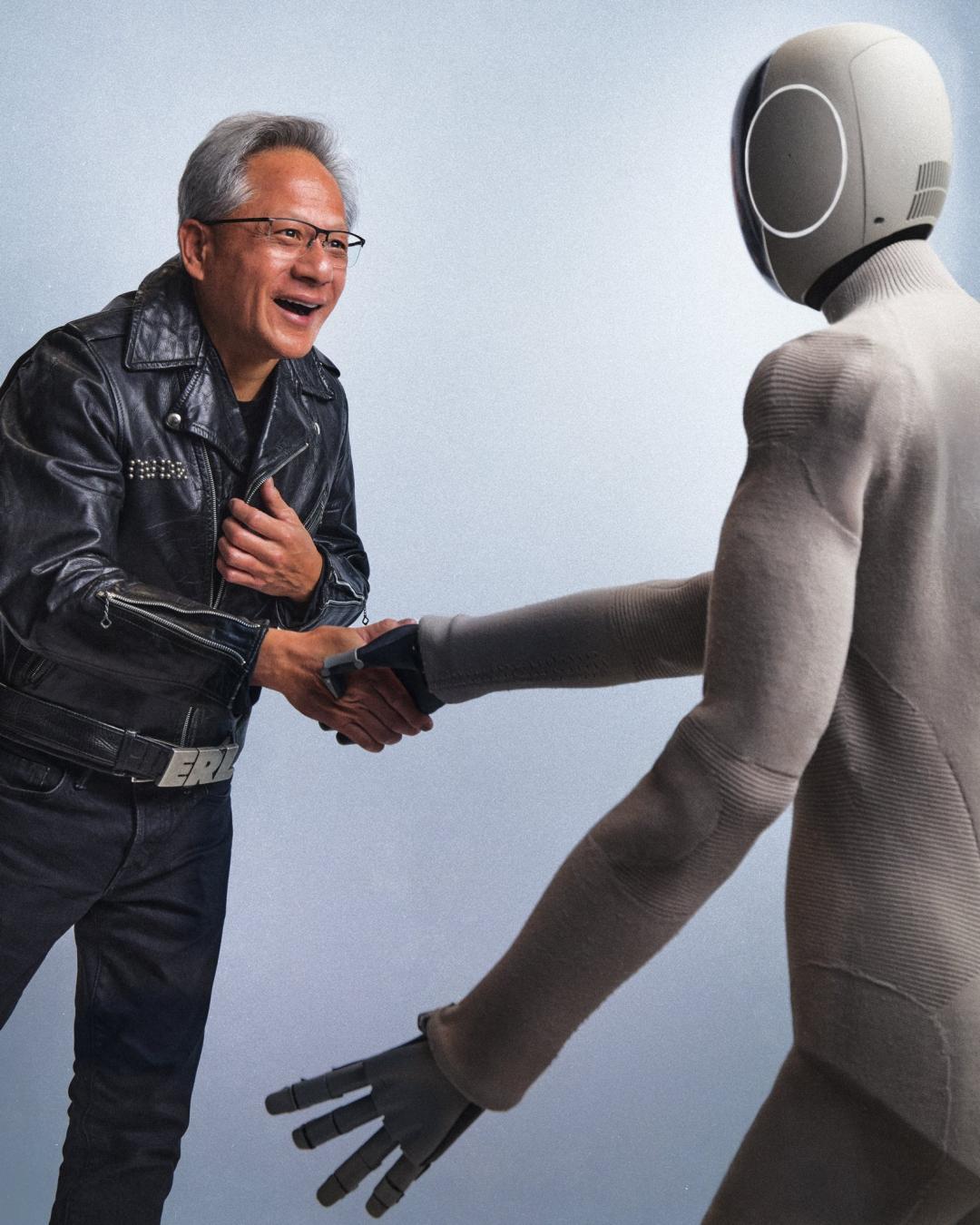
Core Insights - The world's first consumer-oriented humanoid robot, Neo, is now available for pre-order, designed to assist with household chores and daily tasks [1][5][10]. Group 1: Product Features - Neo stands 1.68 meters tall, weighs approximately 30 kilograms, and is designed with a soft polymer exterior, making it appear less like a traditional robot [8][10]. - The robot has 22 joints in its arms, allowing it to lift objects weighing up to 20 kilograms [8]. - Equipped with 3D visual cameras, a microphone array, and the NVIDIA Jetson platform, Neo can recognize voice commands, understand objects, and even engage in conversation [10][12]. - Core functionalities include household tasks like folding clothes, organizing shelves, and providing daily assistance such as fetching items and greeting guests [12][14]. Group 2: Pricing and Availability - Neo is priced at $20,000 for a one-time purchase or $499 per month for a subscription service [5][7]. - The initial batch of robots will be delivered to U.S. customers starting in 2026, with plans to expand globally by 2027 [7][10]. Group 3: Operational Mechanism - Neo is not fully autonomous; it requires remote human operators for complex tasks, which raises privacy concerns [16][19]. - Users can summon a "1X Expert" to remotely control Neo when it encounters tasks it cannot handle independently [16][19]. - The robot learns from these interactions, allowing it to improve its capabilities over time [16][23]. Group 4: Market Context - The humanoid robot market is rapidly growing, with significant investments and interest from major companies like OpenAI and NVIDIA [26]. - Competitors in the field include Tesla's Optimus robot and Figure AI, which recently raised $1 billion at a valuation of $39 billion [26][30].


第一上海美股宏观策略周报:政治周期:美国国内政治转向与全球外交格局变化-20251021
First Shanghai Securities· 2025-10-21 10:30
Political Landscape - The U.S. is undergoing a "rightward shift" politically, reversing trends from the post-Cold War era, with significant ideological debates emerging domestically[3] - The upcoming midterm elections in November 2026 pose a risk for Trump, especially if economic downturns or conflicts arise before then[4] Economic Outlook - Inflation is currently manageable, with the Federal Reserve expected to lower interest rates two more times in 2025, following a recent cut[8] - The U.S. economy shows resilience, with corporate investments increasing as tariff uncertainties diminish, potentially supporting GDP growth over the next three years[9] Trade Relations - The U.S. has reached tariff framework agreements with most countries, with China being a notable exception; a key negotiation window is the APEC summit on October 1, 2025[7] - Recent U.S. sanctions on Chinese companies have escalated trade tensions, with China retaliating by halting soybean purchases from the U.S.[5] Investment Strategies - Investors are advised to diversify portfolios, favoring broad-based ETFs to mitigate risks associated with individual stocks[10] - The recommended asset allocation is 60% in stocks and 40% in bonds, with specific ETFs suggested for exposure to various sectors[10] Sector Analysis - The S&P 500's static P/E ratio is 28, above the historical average of 18, but excluding the M7 tech stocks reveals a more reasonable P/E of 19 for the remaining companies[11] - Financial and healthcare sectors are highlighted as undervalued, with P/E ratios of approximately 17 and 16, respectively, presenting investment opportunities[12] Emerging Trends - The AI sector is poised for significant growth, with major players like OpenAI and Google leading the charge; OpenAI's valuation has surged from under $100 billion to over $500 billion in two years[16] - The demand for gold is expected to rise due to geopolitical tensions, with recommendations for a 10%-20% allocation in investment portfolios[13]



