AI4Humanity

Search documents
AI小登的尽头,是卖身老登?
Sou Hu Cai Jing· 2026-01-13 03:23
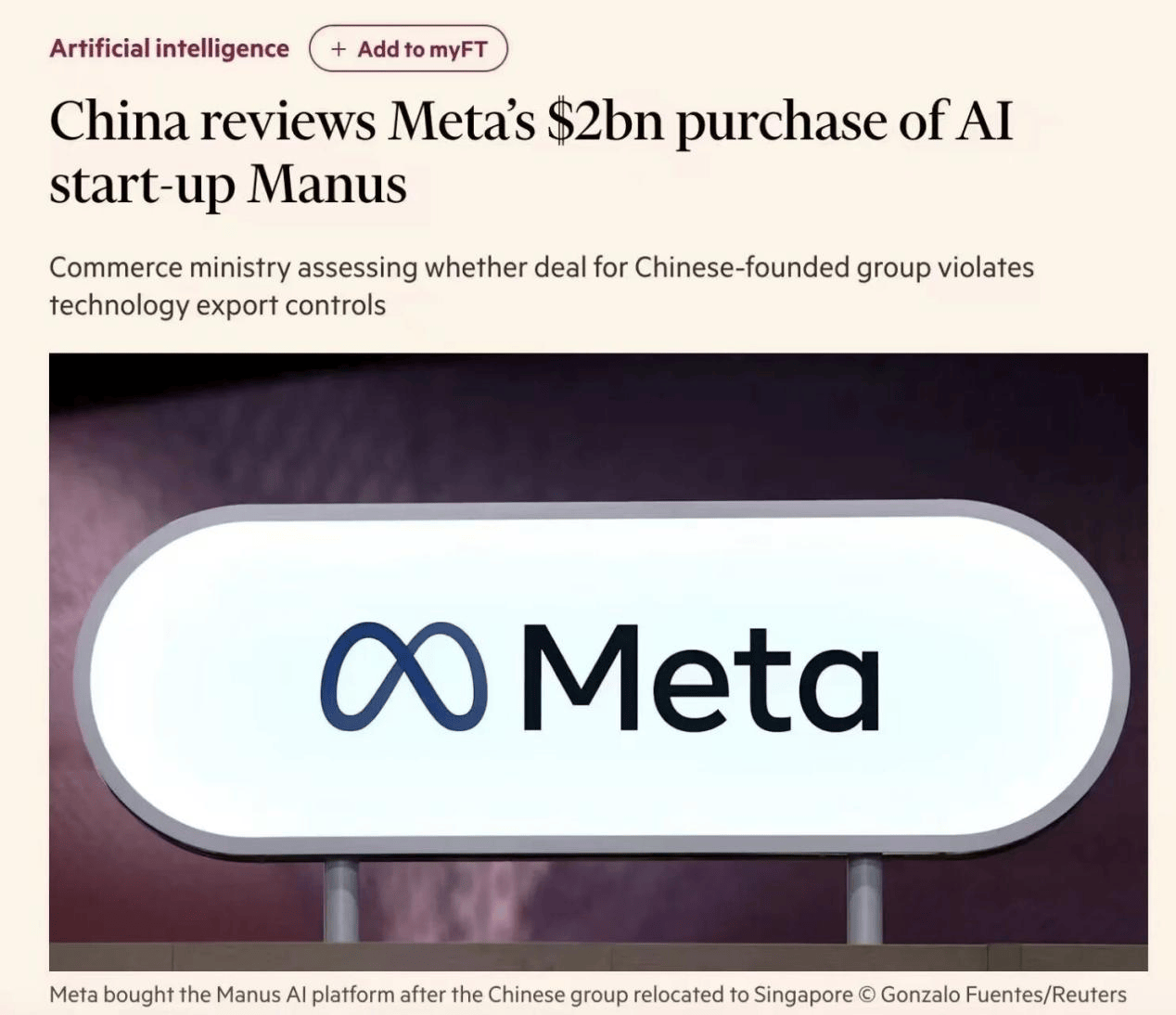
Core Insights - Major AI companies are aggressively acquiring startups to fill capability gaps and enhance their competitive edge in the rapidly evolving AI landscape [1][4][5] Group 1: Acquisitions and Strategic Moves - Nvidia acquired AI chip startup Groq for $20 billion, Google spent $4.75 billion on clean energy firm Intersect Power, and Meta invested $4.5 billion in AI agent Manus to secure energy sovereignty and enhance application capabilities [1][4] - The trend of high-valuation acquisitions reflects the urgency of established companies ("old players") to differentiate their technology and the need for startups ("young players") to monetize their first-mover advantages quickly [4][5] - Meta's acquisition of Manus is driven by the belief that AI agents are the future, allowing Meta to quickly expand user scenarios and explore monetization opportunities [6][10] Group 2: Market Dynamics and Challenges - OpenAI, despite its significant resources, faces challenges in monetization, with only 5% of its active users being paid subscribers [4] - The dominance of Nvidia in the GPU market, with a projected 94% market share by Q2 2025, creates significant barriers for smaller AI startups, which struggle with high procurement costs and potential supply shortages [7][12] - The pressure on startups to survive has shifted their focus from independent growth to strategic exits, as seen in the case of companies like Zhiyun, which opted for an IPO to avoid falling behind [8][15] Group 3: Future Outlook and Innovation - The ongoing acquisition spree by major players aims to build a comprehensive ecosystem that integrates models, data, applications, and hardware, thereby enhancing their competitive positioning against rivals like Google [12][18] - The ability to integrate external technologies into existing platforms with vast user bases is a critical advantage that startups cannot easily replicate [17][18] - Despite the challenges, opportunities remain for innovative startups, as experienced talent from major companies is entering the market, potentially leading to new AI developments and business models [19][20]