CAR-T技术

Search documents
科济药业20260309
2026-03-10 10:17
Summary of Key Points from the Conference Call Company Overview - **Company**: 科济药业 (Kojin Pharmaceutical) - **Focus**: Development of CAR-T therapies, particularly for gastric cancer and other hematological malignancies Industry Insights - **CAR-T Therapy**: The company is positioning itself as a leader in CAR-T therapy, with a focus on both autologous and universal CAR-T products - **Market Potential**: The gastric cancer market is expected to be significantly larger than that for hematological cancers, with an estimated 1 to 2 million patients in China annually Core Points and Arguments 1. **Product Approval Timeline**: CT041, the first CAR-T therapy for gastric cancer, is expected to be approved in Q2 2026, showing a survival benefit of nearly six months for third/fourth-line patients without severe CRS or ICANS [2][3] 2. **Financial Performance**: In 2025, the company reported revenues of approximately 126 million RMB and a net loss of 103 million RMB, a reduction of 87% year-over-year due to increased gross margins and reduced R&D and management expenses [2][4] 3. **Cash Flow**: The company anticipates sufficient cash flow to sustain operations until 2030, with cash and cash equivalents expected to exceed 1 billion RMB by the end of 2026 [5][4] 4. **Strategic Partnerships**: Collaborations with Huadong Pharmaceutical and other strategic partners are aimed at enhancing commercialization and reducing costs through economies of scale [2][3] 5. **Clinical Data**: Positive Phase II clinical data for CT041 was published in The Lancet and presented at ASCO 2025, indicating strong efficacy in gastric cancer [3][6] 6. **Production Capacity**: The company is building a commercial production base in Jinshan, Shanghai, with a total investment not exceeding 370 million RMB, supported by government incentives [2][9] 7. **R&D Focus**: R&D spending is projected to be around 300 million RMB in 2026, focusing on universal CAR-T and in vivo technology platforms [5][16] 8. **Universal CAR-T Products**: CT0,596 and CT1,190B are set to enter clinical trials in 2026, with promising early data showing high ORR and CR rates [2][8] 9. **Market Strategy**: The company plans to leverage its first-mover advantage in gastric cancer CAR-T therapy and aims for a dual strategy of cash flow generation from autologous CAR-T while expanding into universal CAR-T [5][10] Additional Important Insights - **Regulatory Strategy**: The company is exploring the possibility of submitting NDA for CT041 in the U.S. using data from China, which could expedite its entry into the U.S. market [19][20] - **Employee Adjustments**: The workforce was reduced from 468 to 362, primarily in the U.S. and certain domestic departments, as part of a strategic realignment [20] - **Future Clinical Trials**: Plans for multiple clinical trials in 2026, including a focus on self-immune diseases and further development of in vivo CAR-T therapies [17][18] This summary encapsulates the key points discussed in the conference call, highlighting the company's strategic direction, financial health, and product development pipeline.
in vivo CAR-T大火,UCAR-T真被抛弃了?不,它只是换了身“装备”
生物世界· 2026-03-10 04:05
Core Viewpoint - The article discusses the evolution and differentiation of CAR-T cell therapy, highlighting the challenges of autologous CAR-T and the emergence of allogeneic UCAR-T and in vivo CAR-T as key development directions in the industry [2][3][25]. Group 1: CAR-T Technology Development - Autologous CAR-T therapy has established clinical value but faces significant limitations such as long production cycles, high costs, and manufacturing failures [2][8]. - Allogeneic UCAR-T offers a solution to these challenges by using healthy donor cells, allowing for immediate availability, cost control, and enhanced safety [2][10]. - In vivo CAR-T, which generates CAR-T cells directly within the patient, is gaining attention for its potential to reduce treatment time and costs, although it is still in early exploration stages [3][9]. Group 2: Technical Pathways and Maturity - The CAR-T field has three distinct technical pathways: autologous CAR-T, in vivo CAR-T, and UCAR-T, each with unique advantages and limitations [6][7]. - Autologous CAR-T is commercially mature but has significant bottlenecks, while in vivo CAR-T is a hot topic but faces technical challenges and is still in early clinical exploration [8][9]. - UCAR-T is evolving through technological iterations, addressing early challenges such as immune rejection and storage issues, and is becoming a critical pathway in CAR-T development [10][13]. Group 3: UCAR-T's Technological Iteration - Early UCAR-T faced issues like immune rejection and short in vivo persistence, but advancements in gene editing technologies are overcoming these hurdles [14][15]. - Innovative strategies such as "disguise" and "counterattack" are being developed to enhance the persistence and efficacy of UCAR-T cells [15][16]. - The strategic knockout of HLA molecules is emerging as a key innovation to address immune rejection, significantly improving the clinical applicability of UCAR-T [16]. Group 4: Market Opportunities and Challenges - The field of autoimmune diseases presents a significant opportunity for UCAR-T, as it aligns well with the challenges of obtaining high-quality autologous T cells [17][19]. - Domestic companies are advancing UCAR-T therapies into clinical stages for autoimmune diseases, positioning themselves in a less competitive market compared to blood cancers [17][19]. - The safety and tolerability of UCAR-T in autoimmune patients are critical metrics for assessing its maturity and potential market success [20][21]. Group 5: Future Outlook and Value Proposition - The coexistence of autologous CAR-T, UCAR-T, and in vivo CAR-T reflects a layered approach to meet diverse clinical needs, with UCAR-T focusing on accessibility and standardization [23][25]. - 2026 is anticipated to be a pivotal year for validating the clinical value of UCAR-T, with several companies expected to release important clinical data [23][25]. - The balance of safety, durability, and accessibility will be central to the competitive landscape of CAR-T therapies, with UCAR-T providing a clearer risk-reward structure [25][26].


三位清华博士同学毕业即创业,十年苦研CAR-T创新药,收获10亿大单
创业邦· 2026-01-26 11:54
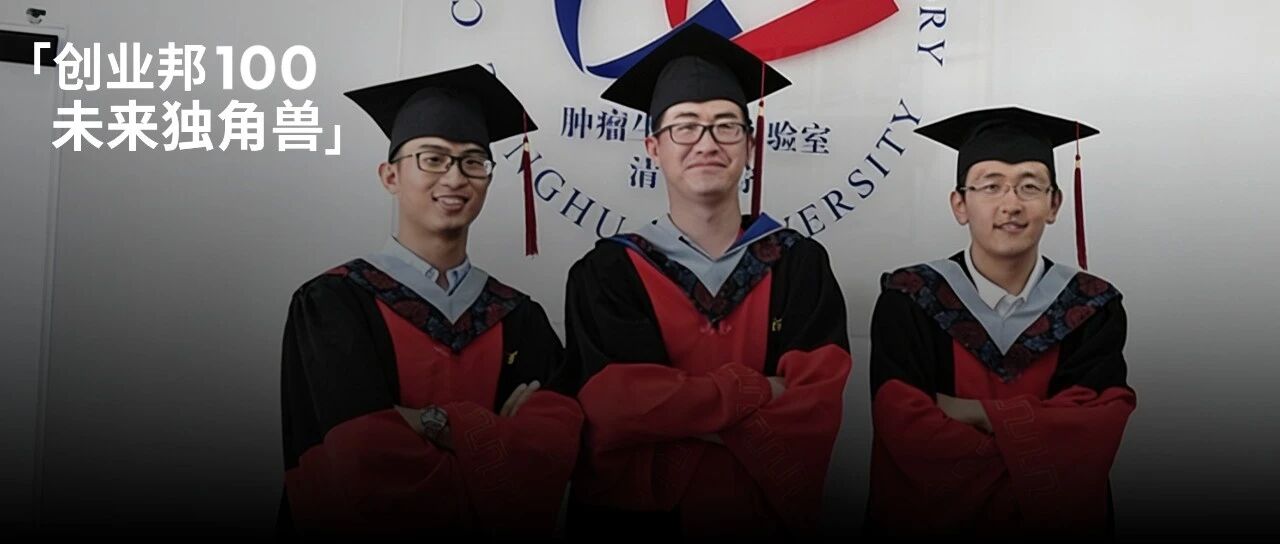
Core Viewpoint - The article discusses the journey of Yimiao Biotech, a company founded by three Tsinghua University PhD graduates, focusing on the development of CAR-T therapy for cancer treatment, particularly leukemia, and its plans for an IPO in 2025 [5][9][29]. Group 1: Company Background and Development - Yimiao Biotech was founded in 2015 by three PhD graduates who were inspired by the revolutionary CAR-T technology that could potentially cure leukemia with a single injection [5][9]. - The company has developed a product matrix around CAR-T therapy and secured a significant sales cooperation deal worth 1 billion RMB with Huadong Medicine [25][28]. - The first product, IM19, targeting CD19 for blood cancers, is expected to be launched in 2026, with its NDA application already accepted [20][26]. Group 2: Challenges and Milestones - The initial five years from 2015 to 2020 were challenging, with the company only obtaining its first IND approval in 2020, while other competitors had already received theirs [11][15]. - The company faced difficulties due to a lack of industry resources and experience, leading to significant investments in building its own GMP facilities [13][15]. - Achieving the IND approval marked a critical milestone for Yimiao Biotech, allowing it to transition into clinical research [15][16]. Group 3: Product Strategy and Market Position - Yimiao Biotech's core strategy focuses on developing innovative drugs that aim for curative effects rather than merely alleviating symptoms [18][20]. - The company is expanding its product pipeline to include treatments for solid tumors and autoimmune diseases, with ongoing clinical trials for products like IM96 and ZM001 [21][24]. - IM19 has shown promising clinical trial results, with an objective response rate of 71% and lower incidence of severe side effects compared to competitors [20]. Group 4: Future Plans and Financial Strategy - Yimiao Biotech plans to leverage its partnership with Huadong Medicine to enhance its market presence and sales capabilities [28]. - The company is preparing for an IPO on the Sci-Tech Innovation Board in 2025, having completed its counseling registration with the Beijing Securities Regulatory Bureau [29][30]. - The next five years are seen as crucial for the company, with strategic planning underway to ensure continued growth and success in the competitive biotech landscape [33].
医药行业周报:创新价值重估,重视转型类公司
Huaxin Securities· 2025-06-03 06:23
Investment Rating - The investment rating for the pharmaceutical industry is "Recommended" (maintained) [1] Core Insights - Significant transactions are driving the revaluation of innovative value in the pharmaceutical sector, with major deals such as a $60 billion transaction by 3SBio and a $50 billion forecasted deal by CSPC Pharmaceutical Group [3] - The 2025 ASCO conference highlighted ADC, bispecific antibodies, and tri-specific antibodies as key areas of focus, with promising clinical results reported by Chinese companies [4] - Chinese innovative pharmaceutical companies are leading breakthroughs in CAR-T technology, with significant advancements expected in 2025 [6] - The gout treatment market presents substantial potential, with a projected increase in patients in China from 170 million in 2020 to 240 million by 2030 [8] - The oral weight-loss drug market is seeing increased activity from leading companies, with notable collaborations and clinical advancements [10] - The approval of the world's first flu RNA polymerase PB2 protein inhibitor offers new treatment options for flu resistance [12] Summary by Sections 1. Pharmaceutical Market Tracking - The pharmaceutical industry outperformed the CSI 300 index by 2.21% over the past week, with a weekly increase of 3.30% [28] - Over the past month, the pharmaceutical sector also outperformed the CSI 300 index by 4.57%, with a monthly increase of 6.42% [31] 2. Pharmaceutical Sector Trends and Valuation - The pharmaceutical industry index currently has a PE (TTM) of 34.03, slightly above the five-year historical average of 32.54 [45] 3. Recent Research Achievements - The research team has published several in-depth reports on various segments of the pharmaceutical industry, highlighting growth trends and market opportunities [48] 4. Recent Industry Policies and News - Recent policy changes include adjustments to tariffs on imported goods from the U.S. and guidelines for the construction and management of geriatric medicine departments [51] - Notable news includes the approval of multiple innovative drugs and clinical trials by various pharmaceutical companies [52][53]
让癌症不再是绝症,癌细胞“狙击手”十年长跑
Bei Jing Ri Bao Ke Hu Duan· 2025-05-29 03:18
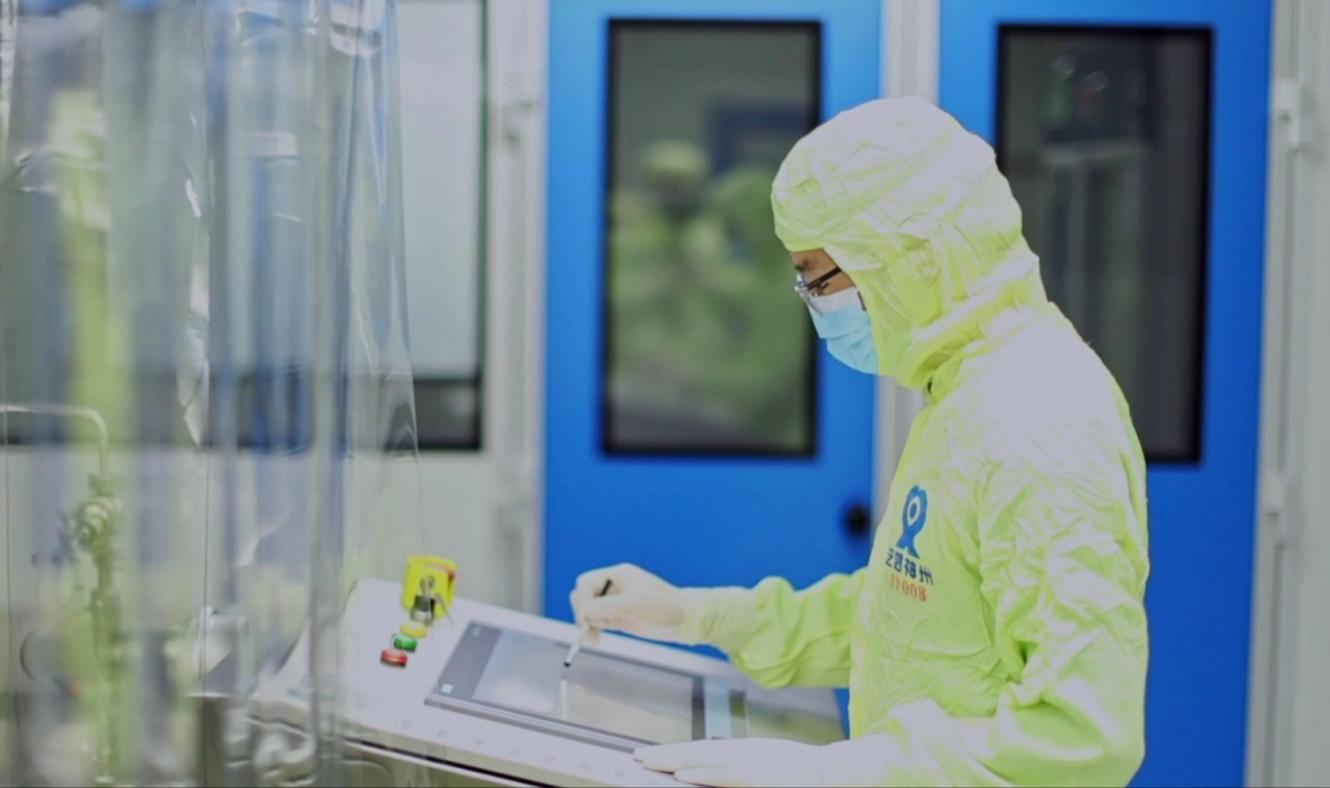
Core Viewpoint - The article highlights the advancements and potential of CAR-T cell therapy developed by Yimiao Shenzhou, a private unicorn company in Beijing, which aims to revolutionize the treatment of late-stage cancers, particularly colorectal cancer and lymphoma, through innovative approaches in immunotherapy [5][11][12]. Company Overview - Yimiao Shenzhou was founded in 2015 by a team of Tsinghua University graduates, including CEO He Ting, with the mission to develop CAR-T therapies for cancer patients in China [7][13]. - The company has made significant progress in its research pipeline, with CAR-T therapies for lymphoma and colorectal cancer expected to be approved for market within the next few years [5][11]. Technology and Innovation - CAR-T therapy utilizes the patient's own T cells, which are genetically modified to target and destroy cancer cells, representing a shift towards personalized medicine [5][11]. - The company has developed several proprietary technologies, including serum-free suspension lentivirus production and efficient T cell activation techniques, positioning itself as a leader in the domestic biopharmaceutical industry [16]. Market Context - The article emphasizes the growing importance of the biopharmaceutical sector in Beijing, which is projected to reach a total scale of 1.06 trillion yuan by 2024, making it the first city in China to surpass the trillion-yuan mark in this industry [16]. - China's position in the global gene and cell therapy market is strengthening, with the country now ranking among the top two in terms of clinical trial numbers and patient treatments [12][16]. Future Outlook - The next decade is seen as crucial for domestic CAR-T technology to break the overseas monopoly, with expectations for a "domestic first" era in the biopharmaceutical field [12][16]. - The supportive policies and market dynamics in Beijing are expected to foster the emergence of more unicorn companies in the healthcare sector [16].
国产CAR-T突破复发绝境 22岁白血病患者获完全缓解
Nan Fang Du Shi Bao· 2025-05-09 08:21
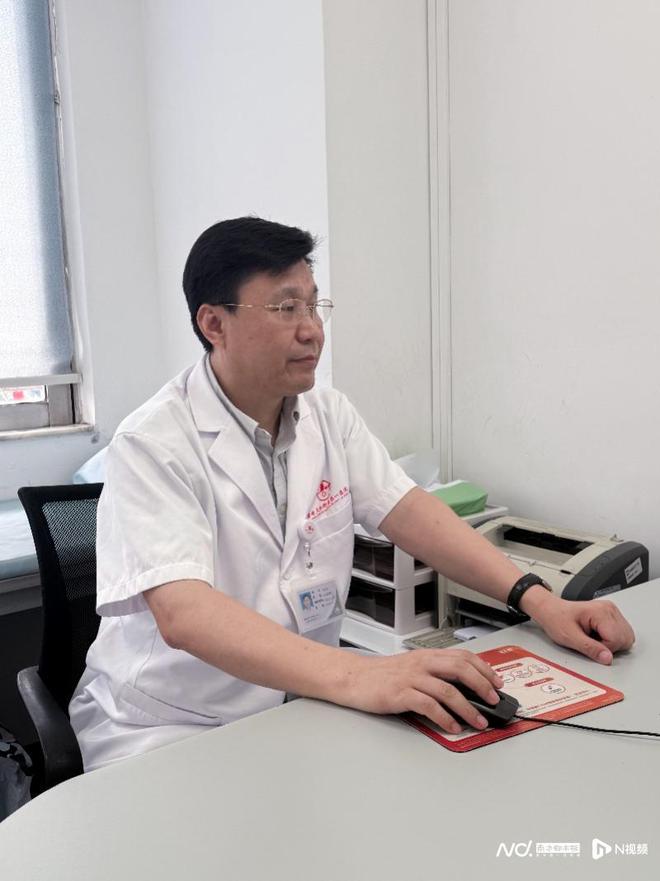
Core Insights - The article highlights the revolutionary impact of CAR-T therapy in treating adult relapsed acute B lymphoblastic leukemia (B-ALL), showcasing a successful case where a patient achieved complete remission after treatment [1][4][7] Group 1: CAR-T Therapy Development - The first CAR-T therapy for adult relapsed B-ALL in China, "Nakiolun", was approved in 2023, filling a significant gap in immunotherapy options for this patient population [2][4] - CAR-T therapy has shown high efficacy, with a reported objective response rate (ORR) of 82.1% and a minimal residual disease (MRD) negative rate of 100% within three months of treatment [4][6] Group 2: Patient Outcomes and Survival Rates - Adult patients with relapsed B-ALL have a median overall survival of only 2-6 months, with a 5-year survival rate below 10% [3][6] - CAR-T therapy offers a promising alternative, as evidenced by a patient who, after traditional treatments failed, achieved long-term remission through CAR-T, highlighting its potential to improve survival outcomes significantly [3][7] Group 3: Challenges and Future Directions - Despite its effectiveness, CAR-T therapy faces challenges such as being used only as a last resort after exhausting other treatment options and its high cost, approximately 1.2 million yuan (around 120,000 USD) [6][7] - There is a clinical ambition to reposition CAR-T therapy from a last-line treatment to an earlier intervention for patients with first relapse or MRD positivity, which could potentially replace traditional stem cell transplants [7]