Humility

Search documents
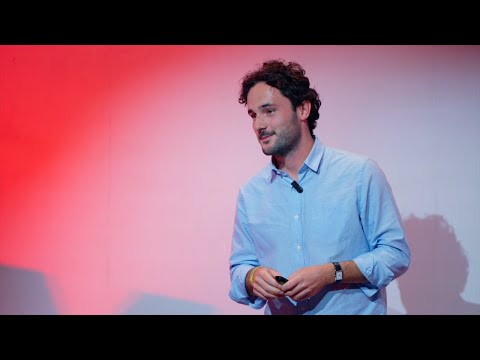
La parole est un sport collectif | Samuel Barbier | TEDxNeoma BS Paris
TEDx Talks· 2026-03-13 15:39
1902. Depuis 1902, on n'enseigne plus l'aratoire en France. Pourquoi.Parce qu'en France, nous sommes le peuple des carartésiens, le peuple de la dissertation écrite, le peuple de l'apprendre par cœur. Cette vision de la parole, si on réfléchit bien, souvenez-vous, comment est-ce qu'on vous a enseigné à prendre la parole en public. Je crois que vous avez récité des poésies, vous avez récité des tables de multiplication et peut-être que comme moi, vous en gardez des souvenirs douloureux.Certains ont peut-être ...

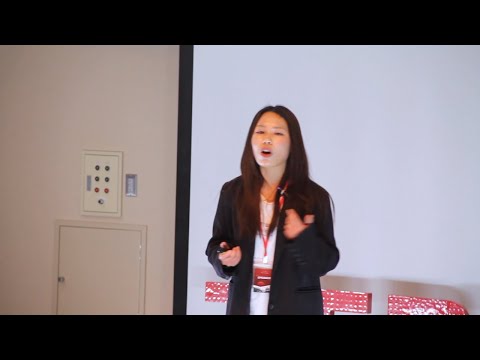
The World Collapse Because We’re Confident | Dang Thi Thu Thao | TEDxIUJ
TEDx Talks· 2026-03-09 15:50
If you look at the screen, here's Lucy. You'll wonder who is Lucy. Lucy was born in the early 2000.So, if you can do the math, 20 years old, Fred graduated, full of hope. Unfortunately, Luci generation show up just in time for the crisis. They graduate into the global pandemic, enter the workforce by massive technology layoff and inherited the housing price that feel like impossible to attain.And if you look around the room, you will realize that it's not just Lucy case. It's each of us. So for some of you ...
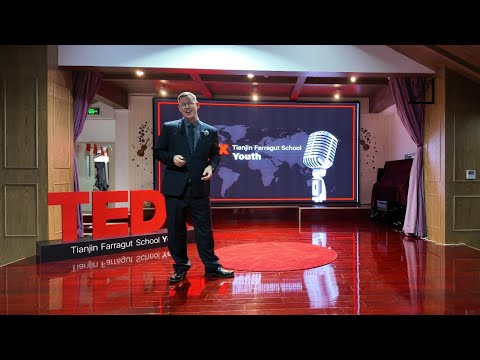
Multiculturalism: Lessons and Chances | Chris Fontana | TEDxTianjin Farragut School Youth
TEDx Talks· 2026-01-26 17:36
In Korea, that small spark began to glow. It started my career in teaching. I met amazing people and I met the woman who had become my wife.Was also the first time that I realized that my normal was actually a local custom. I started to see things from a different perspective, but it was like looking through a window. I wasn't really able to participate in it just yet.My time in Korea was amazing and I learned a lot. But it was only until I came to my wife's hometown, Tingen, China, who we are. That's when ...
The Most Important Lesson: Humility
Principles by Ray Dalio· 2025-12-01 21:25
Early Challenges & Near Collapse - Bridgewater experienced significant ups and downs early on, nearly collapsing, which proved to be a transformative experience [1] - The 1970s were a volatile period for the market [1] Economic Prediction & Misjudgment - Bridgewater predicted a major debt crisis due to American banks lending excessively to foreign countries, a controversial view that led to attention and congressional testimony [2] - Bridgewater incorrectly predicted a reduced level of liquidity preventing a return to stagflation [3] Financial Setback & Humility - Bridgewater lost money for itself and clients due to a misunderstanding of the impact of easing, coinciding with the stock market bottom [4] - The experience of financial loss and needing to borrow $4,000 from his dad was a painful but ultimately valuable lesson in humility for the founder [4]
The Gift of Not Being ‘Enough' | Dr. Rachel Jayaseelan | TEDxJainUniversity
TEDx Talks· 2025-11-24 17:11
Core Argument - The speech emphasizes the transformative power of embracing insecurities rather than battling them, leading to personal growth and genuine connection [7] - It contrasts human experiences, marked by insecurities and vulnerabilities, with AI's lack thereof, highlighting the unique capacity of humans for empathy and transformation [6][7] Six Pillars of Strength (Transformations) - From sympathy to empathy: Recognizing and understanding vulnerabilities in oneself and others [8][9][10] - From shame to humility: Accepting imperfections and finding beauty in being "average" [10][11][12] - From critical to reflective: Shifting from self-criticism to self-reflection to allow for personal growth [14][15] - From fearful to fierce and resilient: Transforming fear into strength and resilience by embracing vulnerabilities [15] - From feeling closed to being open to growth: Acknowledging insecurities to become more open to seeking support and growth [15] - From inauthenticity to authenticity: Embracing wholeness and self-love, including insecurities, to bridge the gap between the perceived and genuine self [15][16] Societal and Internal Narratives - Societal narratives and internal narratives shape perceptions of acceptability, influencing how individuals view and interact with their insecurities [17] - Acknowledging insecurities without shame is crucial for coexisting with them and fostering personal growth [18] Poem's Message - Every wound, scar, and lack contributes to shaping an individual, emphasizing the potential for strength and transformation found in pain and vulnerability [19][20]
The Two Questions Every Leader Should Ask | Phuc Huynh | TEDxLCCUniversity
TEDx Talks· 2025-11-11 17:20
Leadership & Humility - Leadership should be a dynamic experience, adapting to changing circumstances and team growth, rather than becoming a routine checklist [8][9][10] - The industry emphasizes the importance of questioning oneself and remaining open to the possibility of not always being right, highlighting humility as a key leadership trait [7] - Admitting mistakes is crucial for building trust and fostering a culture of honesty and growth within a team [14][15] Self-Reflection & Improvement - Leaders should regularly assess whether their leadership has become routine, as this can lead to stagnation and a failure to listen to fresh ideas [8][10] - The industry suggests that leaders should be able to admit their mistakes, even when praised or successful, to encourage a learning environment [12][14] - Continuous self-improvement is encouraged, with leaders striving to be better than they were yesterday [17]
Warren Buffett shares his biggest leadership lessons after decades at the top
Business Insider· 2025-11-10 22:38
Core Insights - The letter emphasizes the importance of humility and continuous learning for CEOs, as highlighted by Warren Buffett's reflections on his career and life experiences [1][2][3] Group 1: Leadership and Management - Buffett advocates for humility in leadership, noting that luck has played a significant role in his success and that recognizing this can foster a humble approach [2][3] - He stresses the need for boards to be vigilant about the health of CEOs, suggesting that directors should be proactive in addressing signs of cognitive decline [7][8] - The company should prioritize hiring leaders who are motivated by the right reasons, avoiding those who seek personal wealth or legacy [11] Group 2: Personal Development and Legacy - Buffett encourages individuals to reflect on their desired legacy, advising them to live in a way that aligns with how they want to be remembered [12] - He expresses confidence in his successor, Greg Abel, highlighting his managerial skills and integrity, which are essential for the company's future [13] - The letter concludes with a message of hope for personal growth, emphasizing that it is never too late to change and improve [14]

What we talk about at the secret world champions' meetings | AnnMaria De Mars | TEDxFargo
TEDx Talks· 2025-10-31 15:06
Key Success Factors - The industry emphasizes the importance of arrogance, humility, and perseverance as essential qualities for achieving exceptional success [1] - The industry recognizes that success requires a combination of believing in one's ability to change an industry while acknowledging the need for continuous learning [3] - The industry highlights that talent is a necessary but not sufficient condition for success, as many talented individuals may not achieve their full potential [5] Overcoming Challenges - The industry acknowledges that the path to success involves facing numerous failures and setbacks [1] - The industry stresses the importance of admitting failures and adapting to change in order to improve and progress [3] - The industry recognizes that external factors, such as limited access to resources or opportunities, can hinder success despite hard work and talent [5] Personal Development and Contribution - The industry encourages individuals to use their talents to make a positive impact on the world [5] - The industry values continuous learning and seeking knowledge from others, regardless of their perceived status or expertise [4]

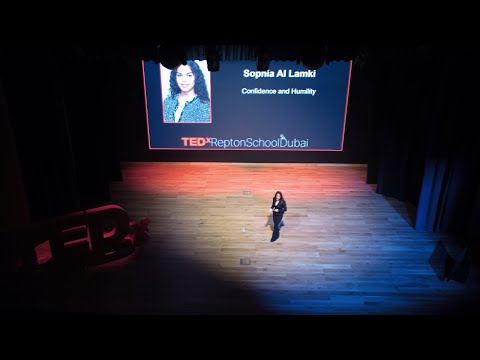
Confidence and Humility | Sophia Al Lamki | TEDxReptonSchoolDubai
TEDx Talks· 2025-10-29 16:43
Core Argument - Balancing confidence and humility is crucial for lasting success in business innovation and life [3] - Confidence enables action, while humility ensures adaptability and learning [3] - Overconfidence leads to failure by ignoring critical details, while excessive humility causes missed opportunities [5][6][7] Case Studies - Adam's overconfidence led to his company's downfall due to neglected issues [6] - Yasmine's excessive humility resulted in missed opportunities and competitive disadvantage [7][8] - Steve Jobs' success stemmed from his confidence in revolutionary products, but his lack of humility eventually led to his ouster from Apple [9][10][18] - Elon Musk exemplifies the balance of confidence and humility, demonstrated by his willingness to learn from SpaceX failures [19][20][21] Practical Implications - Confidence is the "thrust" that propels vision, while humility acts as the "stabilizer" [20] - Leaders should embrace both confidence and humility to navigate challenges and achieve lasting success [23] - Innovation requires the courage to take risks and the humility to learn from failures [15][21] Key Takeaway - The future rewards those who balance confidence and humility, enabling them to adapt and thrive [23]
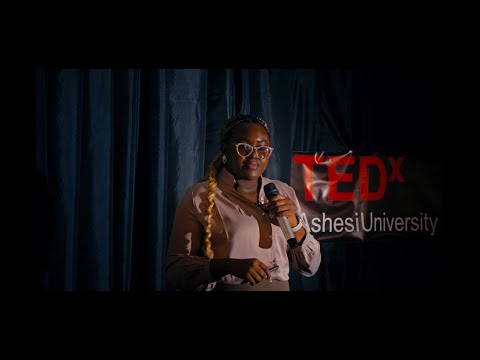
How to Navigate Between Self-Love & Egotism | Ikeji Ebubechukwu Jane-Frances | TEDxAshesiUniversity
TEDx Talks· 2025-10-22 15:52
Self-Improvement & Personal Growth - The speech emphasizes the importance of self-love as a balance between self-deprecation and egotism, advocating for nuance over absolutes [12][13] - It highlights the significance of self-reflection and constructive criticism in personal evolution, urging individuals to assess whether their actions foster growth and respect others [17][20] - The speech underscores that true self-love involves accepting imperfections while striving for self-improvement, recognizing one's worth without devaluing others [16] Overcoming Adversity & Building Resilience - The speaker shares a personal journey of coping with a PCOS diagnosis, illustrating the initial acceptance of flaws and the subsequent challenges in maintaining balance [3][7] - It discusses the speaker's experience of mistaking isolation for self-reliance and egotism for confidence, emphasizing the importance of external feedback and support systems [9][18] - The speech recounts the speaker's realization of how pain can manifest as pride, leading to a loss of self-awareness and the need for internal evaluation [11][12] Relationships & Interpersonal Dynamics - The speech stresses the value of having a supportive network of people who can provide honest feedback and help identify when one is "slipping up" [18] - It advocates for treating oneself with respect and dignity, which in turn creates a space for others to do the same, fostering personal growth [21] - The speaker emphasizes the importance of admitting when one is wrong, not just to avoid conflict, but to genuinely grow and improve relationships [16]