IDM 2.0 战略

Search documents
赌上美国半导体未来,英特尔能否重铸万亿帝国?
3 6 Ke· 2025-12-09 04:17
Core Insights - Intel's recovery has evolved into a geopolitical necessity, moving beyond a purely commercial narrative, with its foundry (IFS) seen as the last hope for advanced manufacturing in the U.S. Investing in Intel essentially means investing in its national security premium [1][2] - CEO Lip-Bu Tan is driving the IDM 2.0 strategy, focusing on Intel's 18A/14A nodes, which are critical for the company's survival. To achieve economies of scale, IFS must adopt "loss-leading pricing" to capture market share. NVIDIA's $5 billion investment marks the beginning of this high-risk, high-reward capital gamble [1][2] - Intel's success hinges on overcoming TSMC's "trust barrier" and cost advantages. If IFS can transition from a "cost center" to a profitable "manufacturing plant," Intel could transform from a declining CPU giant to a trillion-dollar company. Conversely, failure would mean a permanent loss of advanced manufacturing capabilities [1][2] Historical Context - Intel was once the dominant player in the semiconductor industry, but its vertically integrated IDM model has shown fatal weaknesses in the face of rapid technological changes and market dynamics [3] - The decline of Intel can be traced back to two major missteps: missing the mobile internet wave by refusing to produce chips for Apple’s iPhone and failing to develop a competitive GPU for AI, ceding a trillion-dollar market opportunity to NVIDIA [4][6] Current Financial Landscape - Intel is currently experiencing a historical inventory bottom rebound after a sharp decline following a peak revenue in 2021. The rebound is partly due to the end of deep inventory destocking in core businesses [6][7] - The current stock price recovery is not merely cyclical but reflects the market's recognition of Intel's aggressive strategic transformation under CEO Lip-Bu Tan and its potential national security premium [7] Geopolitical Implications - Intel's revival has transcended commercial competition, becoming a core element of U.S. national security and geopolitical strategy. The concentration of advanced chip production in TSMC and Samsung poses significant geopolitical risks for the U.S. [8] - The U.S. military and AI sectors rely heavily on chips produced by TSMC, highlighting the urgent need for a domestic, reliable supply chain for advanced chips [8][9] Strategic Initiatives - Intel has received substantial government support, including $8 billion from the CHIPS Act and $3 billion from the Department of Defense, affirming IFS's strategic importance for U.S. semiconductor independence [8][9] - The company is undergoing a cultural and managerial transformation under CEO Lip-Bu Tan, adopting a "Day 1 mentality" to foster agility and customer-centricity, moving away from its historically bureaucratic culture [11][12] Financial Restructuring - Tan has initiated aggressive financial measures, including laying off 15,000 employees and postponing major factory projects to address capital expenditure and cash flow pressures [15] - The company is also pursuing asset monetization strategies, such as selling stakes in its Altera and Mobileye businesses, and there are discussions about potentially spinning off its foundry business for value re-evaluation [15][16] Key Catalysts - External capital injections from clients are becoming a viable funding source, with NVIDIA's $5 billion investment signaling a shift towards customer-driven capital support [16] - Intel is focusing on critical process nodes (18A/14A) and reshaping its AI strategy, aiming to regain competitiveness in the semiconductor market [17][18] Conclusion - Intel's recent stock rebound reflects initial market confidence in its IDM 2.0 strategy, geopolitical value, and financial discipline under new leadership. However, the investment logic remains high-risk, high-reward [20] - If successful, Intel could emerge as one of the few companies capable of providing advanced foundry services, particularly within the U.S. supply chain, potentially leading to a significant increase in its overall valuation [20]


赌上美国半导体未来,英特尔能否重铸万亿市值帝国?
RockFlow Universe· 2025-12-08 10:31
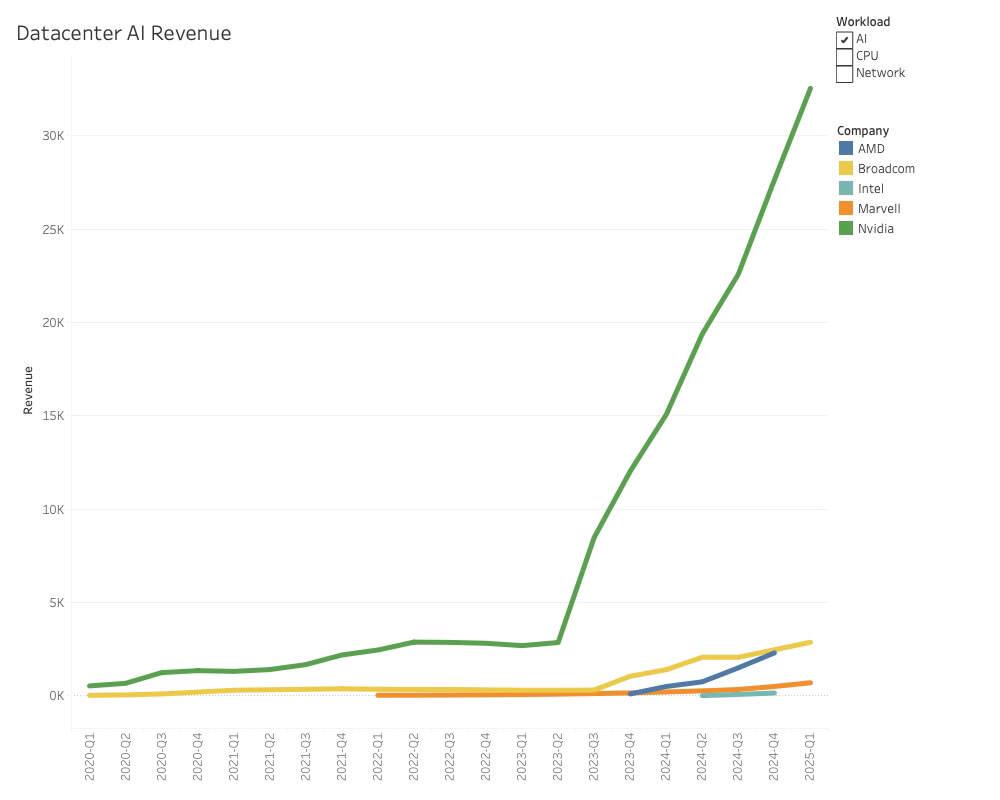
Core Viewpoint - Intel's recovery has evolved into a geopolitical necessity, no longer just a commercial narrative. After missing the AI wave, its foundry (IFS) has become the last hope for advanced manufacturing in the U.S. Investing in Intel essentially means investing in its national security premium [3][6]. Group 1: Strategic Challenges and Historical Context - Intel was once the dominant player in the semiconductor industry, but its vertically integrated IDM model has shown fatal weaknesses in the face of rapid technological changes and market dynamics [7]. - The decline of Intel can be attributed to two major missteps: missing the mobile internet wave by refusing to produce chips for Apple’s iPhone and failing to develop a GPU for AI, ceding a trillion-dollar opportunity to NVIDIA [8][10]. - Following a peak revenue in 2021, Intel is now experiencing a significant rebound from a historical inventory bottom, driven by the end of deep destocking and a valuation premium linked to its aggressive strategic transformation under CEO Lip-Bu Tan [11][12]. Group 2: Geopolitical Context and Supply Chain Vulnerabilities - Intel's revival transcends commercial competition, becoming a core element of U.S. national security and geopolitical strategy, particularly due to the concentration risk in semiconductor supply chains dominated by TSMC and Samsung [13]. - The U.S. military and AI sectors face significant risks due to reliance on foreign chip manufacturers, making a domestic, reliable supply chain for advanced chips an uncompromising necessity [13][14]. - Intel has received substantial government support, including $8 billion from the CHIPS Act and $3 billion from the Department of Defense, affirming its strategic position as the last hope for U.S. semiconductor independence [14][15]. Group 3: Leadership and Financial Restructuring - The appointment of Lip-Bu Tan as CEO marks a shift towards a more aggressive and pragmatic "rescue" phase for Intel, introducing a "Day 1 mindset" to foster agility and innovation [17][18]. - Tan's leadership emphasizes a customer-driven approach, moving away from the traditional product and technology focus, and aims to transform Intel's manufacturing capabilities into a profitable external growth point [19][22]. - Intel is undergoing significant financial restructuring, including layoffs of 15,000 employees and the sale of assets to address a $40 billion capital gap, while also seeking external funding from clients like NVIDIA [22][23]. Group 4: Future Prospects and Risks - Intel's ability to regain competitiveness hinges on its execution of advanced process nodes (18A/14A) and its strategic pivot towards AI chip production, with a focus on customer needs [24][26]. - The company anticipates regaining competitiveness by the end of 2025 with the 18A node, but faces challenges from TSMC's advanced technologies and must secure significant customer commitments to justify continued investment in the 14A node [27][28]. - If successful, Intel could become one of the few companies capable of providing advanced foundry services, significantly increasing its valuation and market position. Conversely, failure to execute could result in a loss of advanced manufacturing capabilities, impacting U.S. national security [28].