
Liquidity Management

Search documents
Hatch Bank CFO on liquidity, risk and the potential for automation
Yahoo Finance· 2026-03-24 09:18
When Francis Mitchell joined banking-as-a-service provider Hatch Bank as CFO earlier this year, he stepped into the role at a time when the sponsor bank was refining how its finance function supports long-term growth and risk management. This story was originally published on CFO.com . To receive daily news and insights, subscribe to our free daily CFO.com newsletter . From there, we assess the regulatory, operational and strategic impact. That helps create a roadmap for where we need to invest resources or ...
SELIGSON & CO OMX HELSINKI 25 EXCHANGE TRADED FUND UCITS ETF: CHANGE OF THE RULES OF THE FUND
Globenewswire· 2026-03-13 12:00
Seligson & Co Fund Management Company PlcSTOCK EXCHANGE NOTICE 13.3.2026 SELIGSON & CO OMX HELSINKI 25 EXCHANGE TRADED FUND UCITS ETF: CHANGE OF THE RULES OF THE FUND The rule change does not require any action on the part of the unit holder. The rule change will not affect the fund's investment policy, and the change will not result in tax consequences for the unit holder. The Finnish Financial Supervisory Authority has approved the rules on 5 March 2026, and they become effective from 16 April 2026. Why i ...
RBI's additional liquidity support to wind down after March, bankers say
BusinessLine· 2026-02-26 07:02
Group 1 - The Reserve Bank of India's (RBI) additional liquidity support to lenders is aimed at easing money market stress and improving transmission, but it is unlikely to extend beyond March [1][5] - India's banking system liquidity surplus has averaged around 1.1% of deposits this month, which has led to a decrease in the weighted average call rate to about 5%, below the policy repo rate of 5.25% [2] - The liquidity injections were a response to funding pressures, as traditional channels of transmission were ineffective [3] Group 2 - Following the liquidity injections, rates on short-term corporate and bank borrowings fell by 15-30 basis points, indicating a temporary alleviation of funding pressures [4] - The excess cash in the banking system is not seen as a strategic shift in the RBI's liquidity management, with expectations that the central bank will absorb part of the surplus through variable rate reverse repos after March [6] - Consistently allowing the call rate to remain below the repo rate is not expected to continue into FY27, as it would deviate from the RBI's liquidity management framework [7]



一周流动性观察 | 节后超2.7万亿元资金回笼 央行大概率呵护流动性边际宽松
Xin Hua Cai Jing· 2026-02-24 07:19
Core Viewpoint - The People's Bank of China (PBOC) is actively managing liquidity in the market through various monetary policy tools, particularly focusing on reverse repos to ensure stability during the post-Spring Festival period [1][2][3]. Group 1: Monetary Policy Operations - On February 24, the PBOC conducted a 7-day reverse repo operation of 526 billion yuan, resulting in a net withdrawal of 926.4 billion yuan from the market due to the maturity of previous reverse repos [1]. - In the week leading up to the Spring Festival, the PBOC injected a total of 1.25 trillion yuan in short-term funds through reverse repos, effectively addressing liquidity needs during the holiday [1]. - The PBOC's actions included an excess rollover of 500 billion yuan in 6-month reverse repos and a net injection of 100 billion yuan in 3-month reverse repos, cumulatively releasing 600 billion yuan in medium to long-term funds in February [1]. Group 2: Market Liquidity and Interest Rates - Despite the seasonal demand for cash and over 700 billion yuan in government debt repayments, the pressure on liquidity was manageable, with overnight rates peaking at 1.46% and 7-day rates not exceeding 1.60% [1][2]. - Analysts expect that post-holiday liquidity will generally ease, with a significant drop in 7-day funding rates anticipated, although the upcoming tax payments and large reverse repo maturities may limit the extent of this decline [2][3]. - The PBOC is expected to maintain a supportive stance on liquidity, with forecasts suggesting that overnight rates may settle between 1.35% and 1.45% and 7-day rates between 1.50% and 1.60% [2]. Group 3: Economic Indicators and Future Outlook - The PBOC's recent monetary policy report indicates a commitment to maintaining ample liquidity, with social financing growing by 8.2% year-on-year and M2 increasing by 9%, both outpacing nominal GDP growth [3][4]. - There is a consensus among analysts that the PBOC will likely continue to adopt a loose monetary policy environment, especially in light of weak credit demand and the need to support economic growth [4].
Global Markets: Indonesia Fiscal Outlook, Analyst Rating Shifts, and Geopolitical Tensions in Mexico
Stock Market News· 2026-02-23 04:38
Fiscal Strategy and Liquidity Management - The Indonesian Finance Ministry reported a budget gap of 0.21% of GDP for January 2026, equating to a deficit of 54.6 trillion rupiah, as the government increases its first-quarter spending to 809 trillion rupiah ($48 billion) [2][10] - To manage liquidity, the ministry will extend March-maturing state bank deposits for an additional six months, aiming to ensure the banking system remains well-funded to support credit growth and domestic consumption [3][10] Analyst Adjustments - JP Morgan revised its price target for Airbus (AIR) to €225 from €240, citing ongoing supply chain constraints and engine delivery delays affecting production targets [4][10] - Conversely, JP Morgan raised its price target for Vinci (DG) to €140 from €133, indicating a positive outlook for the infrastructure sector [5][10] - The National Bank of Canada increased its price target for Jamieson Wellness (JWEL) to C$45 from C$40.5, reflecting a bullish sentiment towards the health products sector [5][10] Currency Markets and U.S. Tariff Developments - The Singapore Dollar appreciated slightly as traders reacted to U.S. President Trump's announcement of an increase in the proposed global tariff rate to 15% from 10% [6][10] - Market participants are monitoring potential exemptions, as Singapore has a significant goods trade surplus with the U.S., contributing to the currency's resilience amid global trade uncertainties [7][10] Geopolitical Risk - A security crisis in Puerto Vallarta, Mexico, followed the military operation that killed cartel leader Nemesio "El Mencho" Oseguera Cervantes, leading to retaliatory violence and road blockades [8][9] - Local authorities activated a "Red Code" alert, resulting in the suspension of operations at Puerto Vallarta airport, which poses significant risks to the tourism sector and regional stability [9][10]




中国人民银行四季度货币政策报告采取适度宽松立场_ PBOC Q4 monetary policy report adopts a measured easing stance
2026-02-11 05:57
Summary of PBOC Q4 Monetary Policy Report Industry Overview - The report pertains to the monetary policy of the People's Bank of China (PBOC) and its implications for the Chinese economy. Key Points 1. **Monetary Policy Stance** The PBOC maintained a "moderately loose" policy stance in its Q4 monetary policy report, indicating a measured easing approach. The focus remains on supporting stable economic growth and facilitating a reasonable recovery in prices [2][1] 2. **Policy Implementation** The PBOC emphasized the need to carefully calibrate the strength, pace, and timing of policy implementation. This reflects a cautious approach to broad-based credit easing, with structural monetary policy being prioritized [2][1] 3. **Interest Rate Management** The PBOC highlighted the importance of guiding short-term money market rates around the policy rate, suggesting a narrowing of the interest rate corridor from 205 basis points to 70 basis points. This indicates a shift towards tighter corridor management [3][1] 4. **Effective Lending Rates** Effective lending rates decreased further from Q3 to Q4, with the PBOC changing its language from "further reducing overall financing costs" to "keeping overall financing costs at a low level," indicating a more measured approach amid concerns over banks' net interest margins [3][1] 5. **Liquidity Management** The PBOC is utilizing a broad range of monetary policy tools to provide liquidity, increasingly relying on Medium-term Lending Facility (MLF) loans and outright repos. Regular trading of Central Government Bonds (CGB) is planned, with operations adjusted flexibly based on market developments [7][1] 6. **Fiscal-Monetary Policy Coordination** The PBOC outlined three main channels for coordination: maintaining ample liquidity for government bond issuance, coordinating re-lending programs with fiscal interest subsidies, and sharing credit risks through guarantees. The emphasis is on relending programs as a key channel for targeted credit support [8][1] 7. **Outstanding Relending Programs** Outstanding relending programs for key sectors remained stable at around RMB 3.8 trillion through the first three quarters of 2025, rising to approximately RMB 4.1 trillion in Q4. This indicates a stable approach to credit supply in priority areas [8][1] 8. **Priority Areas for Finance** The PBOC identified five priority areas for financial support: technological innovation, green transition, inclusive finance, elderly care, and digital economy [10][1] Additional Insights - The PBOC's cautious approach to broad-based credit easing suggests that fiscal policy will continue to be the primary lever for growth support, rather than relying solely on monetary policy [2][1] - The shift in focus from DR007 to DR001 indicates a potential change in the PBOC's strategy for managing short-term interest rates [3][1]
KKR Real Estate Finance Trust Q4 Earnings Call Highlights
Yahoo Finance· 2026-02-05 08:26
Core Insights - KKR Real Estate Finance Trust (KREF) reported a fourth-quarter 2025 GAAP net loss of $32 million, or $0.49 per share, while distributable earnings were $14 million, or $0.22 per share, and a cash dividend of $0.25 was paid for the fourth quarter [4][3][5] Financing and Liquidity - The company has a total financing capacity of $8.2 billion, including $3.5 billion of undrawn capacity, with 74% of financing remaining non-mark-to-market [1] - KREF ended Q4 with near-record liquidity of over $880 million, having increased its corporate revolver to $700 million from $610 million [7][2] - The company has no facility maturities until 2027 and no corporate debt due until 2030 [1][7] Portfolio Performance - The weighted average risk rating on the portfolio was 3.2 at year-end, with a debt-to-equity ratio of 2.2x and a total leverage ratio of 3.9x [9] - In Q4, KREF downgraded certain loans, resulting in total incremental CECL provisions of $44 million [8][6] - New originations in 2025 totaled $1.1 billion, with over 75% concentrated in multifamily and industrial loans, while Q4 new originations were $424 million, exceeding repayments of $380 million [10] Geographic Expansion and Strategy - KREF closed its first loan in Europe and made subsequent investments, marking a milestone for geographic diversification [11] - The company plans to pursue an aggressive resolution strategy for its watchlist assets and REO portfolio in 2026, aiming to unlock approximately $0.13 per share of value [12][11] Dividend and Share Repurchase - The board is actively evaluating the dividend as part of broader capital allocation discussions, particularly in light of the transitional year [15] - KREF repurchased over $9 million of common stock in Q4 at a weighted average share price of $8.24, totaling $43 million for the full year 2025 [16]

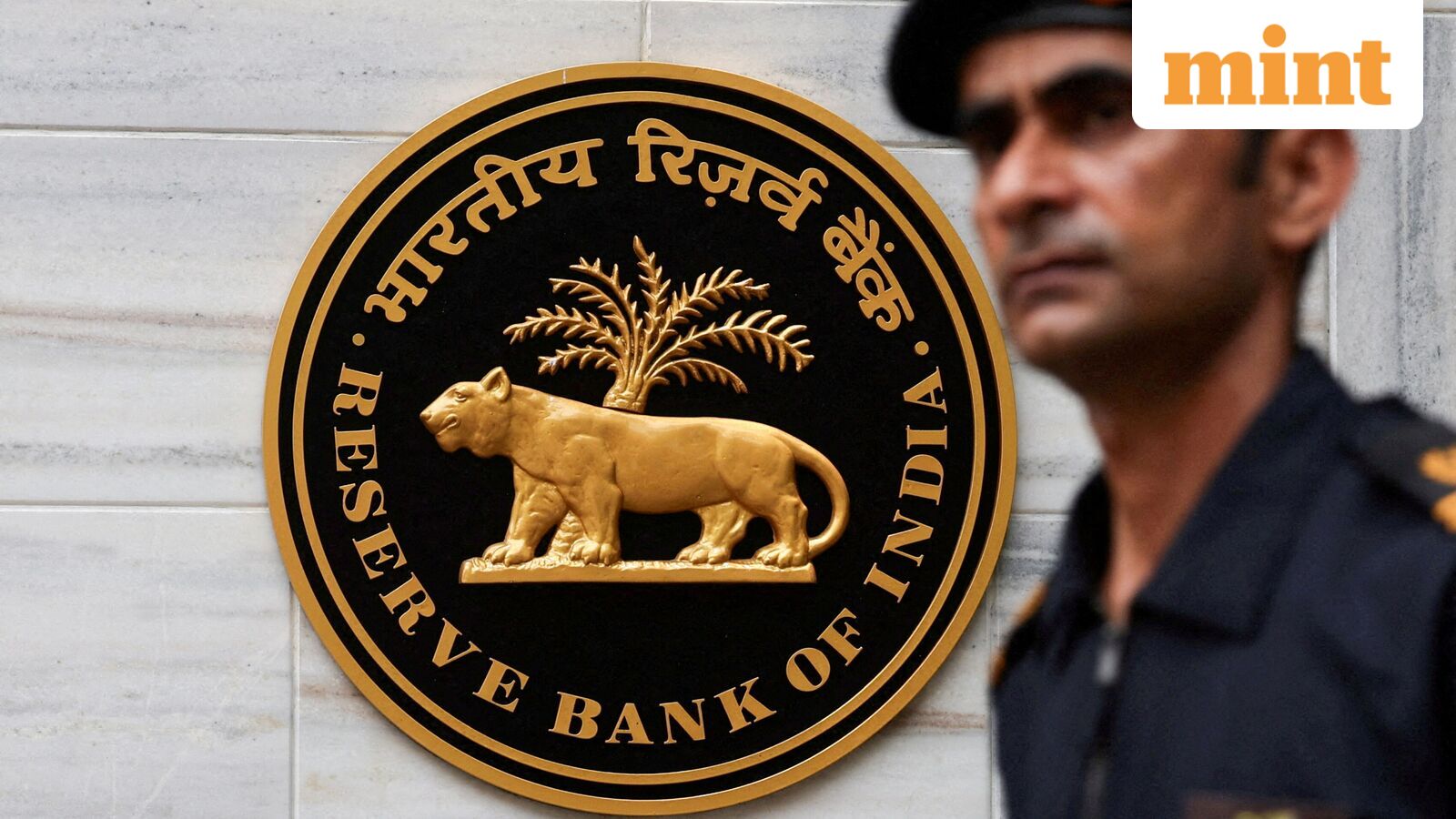
RBI likely to pause on rates in February policy as liquidity takes centre stage
MINT· 2026-02-04 00:00
Core Viewpoint - The Reserve Bank of India's Monetary Policy Committee is expected to maintain the policy rate at 5.25%, indicating a pause in rate cuts after previous easing measures [1][3][4]. Monetary Policy Outlook - A Mint poll indicates that nine out of ten economists predict the repo rate will remain unchanged at 5.25%, with only one economist expecting a 25-basis-point cut to 5.00% [1]. - The MPC is anticipated to keep a 'neutral' stance, allowing flexibility in future policy adjustments [2][4]. - The focus is shifting towards liquidity management rather than rate adjustments, as systemic liquidity remains low [2][6]. Liquidity Concerns - As of February 2, liquidity in the banking system was in surplus of ₹1.7 trillion, but pressures persist due to RBI's foreign exchange interventions [7][9]. - Economists suggest that the RBI should prioritize easing liquidity through open market operations (OMOs) and dollar buy-sell swaps [6][7]. - A potential temporary 1% cut in the cash reserve ratio (CRR) may occur if liquidity pressures continue [10][11]. Inflation and Growth Dynamics - Inflation is expected to average around 4% in FY27, aligning with the RBI's target, while growth indicators show improvement [3][4]. - The MPC is likely to wait for the new consumer price index (CPI) series release on February 12 before making significant policy changes [12][13]. - The current CPI inflation forecast for FY26 is expected to remain at 2.0%, with a possible downward adjustment for the January-March quarter [14]. Economic Context - The conclusion of the 125-basis-point easing cycle is attributed to strong domestic growth, with expectations of growth remaining above 7.6% despite global uncertainties [5][14]. - Recent government borrowing programs and the India-US trade deal are not expected to significantly impact the MPC's immediate decisions [4][14].
This Portfolio Cut $6 Million in T-Bills But Is Still Keeping Cash Alternatives on Hand
Yahoo Finance· 2026-02-02 10:14
On January 29, Colorado-based Jim Saulnier & Associates disclosed a sale of 77,109 shares of the Vanguard 0-3 Month Treasury Bill ETF (NASDAQ:VBIL), an estimated $5.82 million trade based on quarterly average pricing. What happened According to a SEC filing dated January 29, Jim Saulnier & Associates sold 77,109 shares of the Vanguard 0-3 Month Treasury Bill ETF (NASDAQ:VBIL) during the fourth quarter. The estimated value of the shares sold was $5.82 million, calculated using the average unadjusted closi ...
固收-近期资金面跟踪更新
2026-01-08 02:07
Summary of Key Points from the Conference Call Industry Overview - The focus is on the financial sector, particularly the liquidity conditions and monetary policy in 2025 and early 2026. Core Insights and Arguments - **Liquidity Conditions in 2025**: The liquidity environment is characterized by a tightening in the first quarter followed by a loosening in the subsequent quarters. By the end of Q1, MLF net injection turned positive, indicating a warming trend [1][5]. - **Central Bank Actions**: In May, the central bank implemented a dual rate cut to address external disturbances, and by June, liquidity rates stabilized. From July to November, the overall liquidity remained loose, with DR001 weighted rates fluctuating around 1.31 [1][5][9]. - **Data Classification Changes**: The adjustment in data classification, merging large banks and policy banks into one category and small and medium banks into another, affects the observation of current bond transactions and the net lending capacity of large banks. However, the new indicator system still holds reference value [3][4][6]. - **Agricultural Commercial Banks' Strategy**: These banks are expected to focus on realizing profits rather than extending durations due to regulatory limits and their own duration ceilings. The anticipation of rate cuts may lead to adjustments in their business strategies [7][8]. - **Key Liquidity Events**: Significant liquidity events over the past year include the recovery of MLF net injections at the end of Q1, dual rate cuts in May, and the stabilization of interbank rates despite large maturities of interbank certificates [9]. - **Central Bank's Liquidity Management in H2 2025**: The central bank took measures such as large-scale reverse repos to manage liquidity and mitigate market volatility, especially around tax payment periods and new listings on the Beijing Stock Exchange [10][11]. - **Outlook for Early 2026**: The liquidity outlook for early 2026 is optimistic, with expectations that the central bank will maintain supportive measures to avoid significant tightening as seen in Q1 2025. Seasonal factors are anticipated but can be managed through appropriate central bank interventions [12][13]. - **Regulatory Pressures on Bond Market**: A potential downward trend in bond yields could exert pressure on regulatory frameworks, necessitating careful consideration of tightening measures to avoid adverse impacts on yield stability [14]. - **Impact of Narrowing Interest Rate Corridor**: The narrowing of the interest rate corridor is expected to enhance the transmission of monetary policy, allowing key rates like DR001 to align more closely with policy targets, thus improving policy flexibility [15]. Other Important but Possibly Overlooked Content - **Seasonal Disturbances**: Seasonal factors such as tax payments and new listings are unavoidable but can be mitigated through central bank support and careful monitoring of liquidity between banks and non-banks [13]. - **Cautious Optimism for 2026**: There is a cautiously optimistic outlook for overall liquidity in 2026, contingent on the absence of significant constraints and the stability of bond market yields [16].