P2P骗局

Search documents
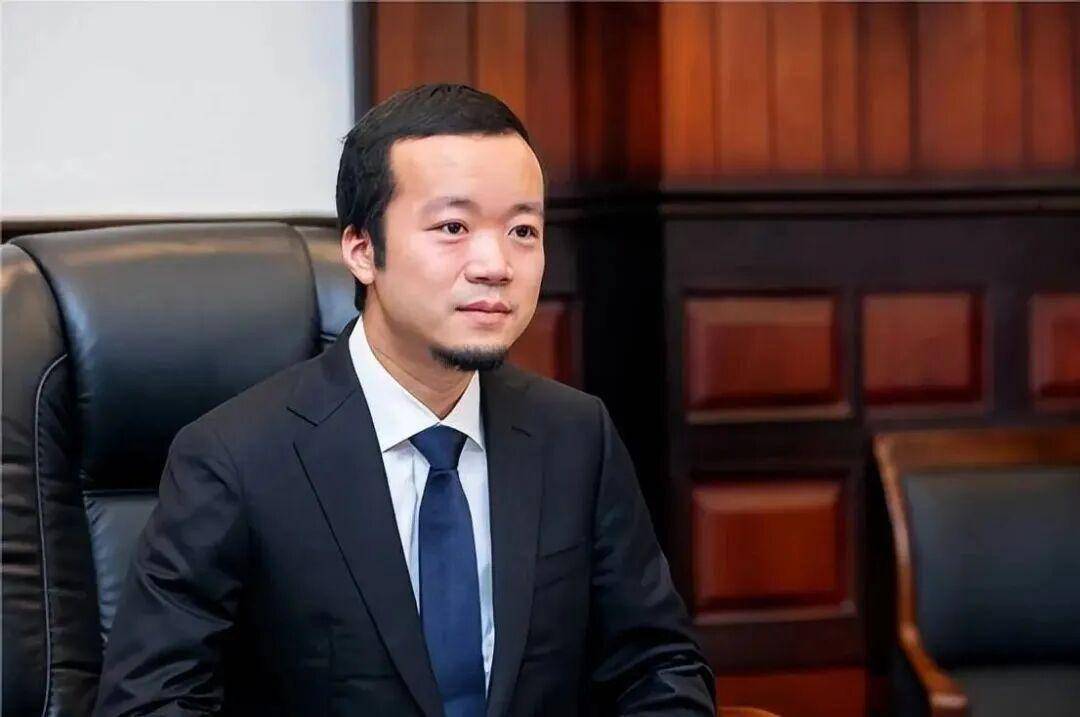
陈志跑路了,150亿比特币被抄,曾被环球网吹成 “经济标杆”
Sou Hu Cai Jing· 2025-10-22 06:14
Core Insights - A prominent figure in Southeast Asia, Chen Zhi, has been revealed as the mastermind behind the largest telecom fraud group in Asia, with assets amounting to $15 billion [1][4] - The U.S. Department of Justice has seized 127,271 bitcoins from Chen Zhi, marking the largest asset seizure in U.S. history, valued at $15 billion [4] Group 1: Background and Rise - Chen Zhi, a dual citizen of Cambodia and the UK, was previously celebrated as an "innovation pioneer" and "economic engine" of Southeast Asia, receiving extensive media praise [3][4] - Prior to his downfall, Chen Zhi was involved in various high-profile collaborations and was even visited by officials from the Shanxi Provincial Department of Commerce [3] Group 2: Fraud Operations - Chen Zhi's organization operated at least ten heavily guarded facilities in Cambodia, luring victims with high-paying job offers, only to imprison them and force them into telecom scams [4] - Victims were subjected to a rigorous system involving over 1,200 phones and 70,000 social media accounts, using scripted dialogues to deceive others [4] Group 3: Financial Gains and Assets - The fraud operation reportedly generated $30 million daily for Chen Zhi, who used the proceeds to purchase luxury items, including private jets and multiple high-value properties in London [4] - The U.S. and UK governments have taken significant actions against Chen Zhi's assets, with the UK freezing all his properties in London [4] Group 4: Aftermath and Reflection - Following Chen Zhi's escape, the FBI has issued a global manhunt, and he faces up to 40 years in prison if captured [5] - The media that once lauded Chen Zhi are now retracting their positive coverage, raising questions about accountability and the role of media in enabling such fraud [5] - The incident has prompted investigations into other potential fraud bases in countries like Myanmar and Laos, highlighting the need for greater scrutiny of international fraud operations [5]

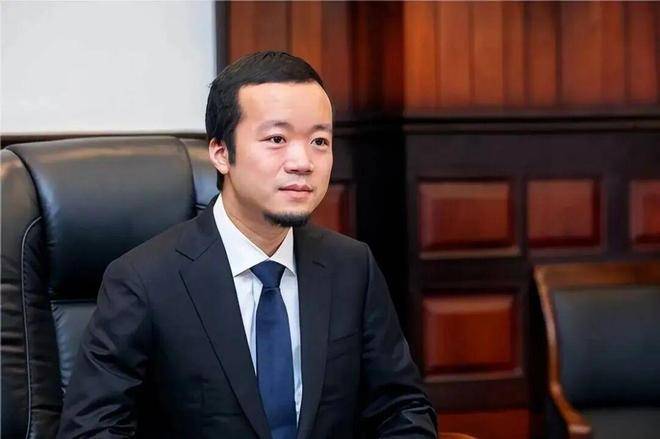
细思极恐!太子集团陈志跑路了,150亿比特币被抄,曾被环球网吹成 “经济标杆”
Sou Hu Cai Jing· 2025-10-21 02:57
Core Insights - A prominent businessman known as "Prince of Cambodia," Chen Zhi, has been exposed as the mastermind behind Asia's largest fraud group, with $15 billion in Bitcoin assets seized, and he remains missing [1][10] Group 1: Background of Chen Zhi - Chen Zhi, the owner of the Prince Group, held dual citizenship in Cambodia and the UK, and served as an advisor to the Cambodian Prime Minister, with a ministerial-level position [3] - Prior to the scandal, he was celebrated by media outlets as an "innovation pioneer" and "new engine of Southeast Asian economy" [3][5] Group 2: Media and Institutional Endorsements - Various media and institutions endorsed Chen Zhi, with the Beijing Red Cross Foundation visiting him in 2019, and a delegation from Shanxi Province conducting project research just a month before his downfall [6][8] - Media outlets that previously praised him are now deleting old articles or pretending nothing happened, highlighting a significant shift in narrative [10] Group 3: The Fraud Operation - The Prince Group operated as a massive "fraud factory," luring victims with high-paying job offers, then imprisoning them and forcing them to conduct scams [8][10] - Chen Zhi reportedly earned $30 million daily from these operations, using the proceeds to purchase luxury items, including 19 properties in London [10] Group 4: Victims and Consequences - Thousands of victims are still trapped in the fraud camps, facing abuse and threats, while families of those defrauded are left in financial ruin [13] - The investigation into Chen Zhi's operations has prompted scrutiny of other potential fraud camps in neighboring countries [13] Group 5: Reflection on Media Responsibility - The situation raises critical questions about how a multinational fraud group could be portrayed as a "business benchmark" and the role of media in enabling such narratives [13][14] - The media's failure to question and its tendency to cater to power and capital have led to a loss of public trust, emphasizing the need for accountability [14]