PD-1单抗

Search documents
上海复星医药(集团)股份有限公司关于控股子公司许可协议的进展公告
Shang Hai Zheng Quan Bao· 2026-02-24 17:09
Core Viewpoint - Shanghai Fosun Pharmaceutical Group Co., Ltd. has made significant progress in licensing agreements with its subsidiaries, focusing on expanding the commercialization of its PD-1 monoclonal antibody product, Surufatinib injection, in various international markets [2][3][12]. Group 1: Previous Cooperation - The company’s subsidiary, Fuhong Hanlin, signed exclusive licensing agreements with KGBio in September 2019 and August 2023 for the commercialization of Surufatinib in Southeast Asia, the Middle East, and North Africa [2]. - A new licensing agreement was signed with Abbott on December 31, 2024, granting exclusive commercialization rights in Latin America and the Caribbean [2]. Group 2: Recent Developments - On February 24, 2026, Fuhong Hanlin and KGBio agreed to terminate the 2023 exclusive licensing agreement and the exclusive commercialization rights in all regions except Indonesia [3]. - The licensing agreement with Abbott was amended to expand the licensed regions and include additional regulatory and sales milestone payments [3][12]. Group 3: Product Information - Surufatinib injection is an innovative PD-1 monoclonal antibody developed by the group, approved for use in multiple countries including China, the EU, and several Southeast Asian nations [5]. - The drug has received orphan drug designation in various regions and is undergoing clinical trials for multiple cancer indications [5]. - According to IQVIA, the global sales of PD-1 monoclonal antibodies are projected to reach approximately $45.7 billion in 2024 [5]. Group 4: Parties Involved - KGBio, established in 2016 and a subsidiary of Kalbe Farma, is listed on the Indonesia Stock Exchange and operates in various pharmaceutical sectors [6]. - Abbott, founded in 1888 and based in the U.S., is a publicly traded company involved in diagnostics, medical devices, nutrition, and pharmaceuticals [7]. Group 5: Agreement Details - The amendment with KGBio includes the termination of certain licensing rights and a reduction in milestone payments, while maintaining sales milestone payments for Indonesia [8]. - The amendment with Abbott includes the addition of 42 new countries/regions for licensing and stipulates potential milestone payments totaling up to $46 million for regulatory and sales achievements [9][10]. Group 6: Impact on the Company - The termination of certain commercial collaborations with KGBio and the expansion of the agreement with Abbott are aimed at enhancing the international market reach and recognition of the group’s innovative PD-1 monoclonal antibody product [12].

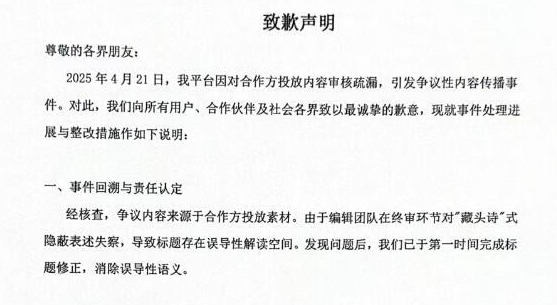
医药头部企业营销引热议 背后是“卷出花”的PD-1单抗市场
Mei Ri Jing Ji Xin Wen· 2025-04-26 01:32
Core Viewpoint - The recent incident involving the articles published by "Meisi Oncology New Frontier" highlights the intensifying competition in the PD-1 monoclonal antibody market, indicating a shift towards a saturated market where established players dominate future growth opportunities [4][5][8]. Market Dynamics - The PD-1 monoclonal antibody market has transitioned from a "golden track" to a "red ocean" due to increased product launches leading to homogenization of competition [5][8]. - Major players like Merck's "K drug" (pembrolizumab) and Bristol-Myers Squibb's "O drug" (nivolumab) continue to show strong sales, with projected global revenues of approximately $29.5 billion and $10.1 billion respectively for 2024 [5][6]. - In China, BeiGene's tislelizumab leads with sales of 4.467 billion yuan, a 17.4% increase year-on-year, while Innovent's sintilimab and Junshi Biosciences' toripalimab also report significant growth [6][7]. Competitive Landscape - The market is characterized by a clear division between leading companies with established products and newer entrants struggling to gain market share [8][9]. - Companies that fail to differentiate their products or adapt to the competitive landscape are increasingly exiting the PD-1 market, with at least six companies having withdrawn in the past four years [9][12]. Future Trends - The emergence of PD-1 bispecific antibodies is seen as a potential game-changer, with products like Ivosidenib showing superior efficacy in clinical trials compared to traditional PD-1 monoclonal antibodies [14][15]. - The potential for PD-1 bispecifics to address "hard-to-treat" patient populations and improve outcomes in various cancer types is being recognized as a significant opportunity for innovation [16]. Broader Applications - Beyond oncology, PD-1 inhibitors are being explored for autoimmune diseases, with ongoing clinical trials for conditions like rheumatoid arthritis [19][20]. - The distinction between PD-1 inhibitors and PD-1 agonists is crucial, as the latter has not yet seen any products approved for market, indicating a potential area for future development [20].