
Regional Coordinated Development

Search documents
重庆将携手四川新增打造智能网联新能源汽车等3个万亿级产业集群
Zhong Guo Xin Wen Wang· 2026-02-27 01:44
Group 1 - The core viewpoint of the news is that during the "14th Five-Year Plan" period, Chongqing aims to become a significant growth pole and new driving force in the Chengdu-Chongqing economic circle by developing three new trillion-level industrial clusters: intelligent connected new energy vehicles, software information services, and food and agricultural product processing [1] - Chongqing will collaborate with Sichuan to accelerate the establishment of a nationally influential economic center and a technology innovation center, as well as to jointly build a western financial center and a cultural tourism corridor [1] - The city plans to enhance existing advantages in four trillion-level industrial clusters, including electronic information, while adding three new clusters to solidify regional development [1] Group 2 - In implementing national regional strategies, Chongqing will fully execute the new era of western development and the Yangtze River Economic Belt development strategy, deeply connecting with major regional strategies such as the Yangtze River Delta and the Guangdong-Hong Kong-Macao Greater Bay Area [2] - The city will strengthen collaboration with western provincial universities, research institutions, and quality enterprises to guide innovation in aerospace and electronic information sectors [2] - Chongqing aims to optimize land space and productivity layout within the city, enhancing regional policy precision and effectiveness, and supporting the development of urban sub-centers [2]
29座万亿城市人均GDP出炉,南京首破20万,江苏成最大赢家
Sou Hu Cai Jing· 2026-02-10 11:10
Core Insights - Jiangsu Province has emerged as the leading region in China with five cities in the trillion-yuan GDP club, surpassing Guangdong, which has only four cities [2][11] - Nanjing's per capita GDP has exceeded 200,000 yuan for the first time, while Wuxi ranks third nationally, surpassing Shenzhen [2][8] - The total GDP of the 29 trillion-yuan cities exceeds 59.6 trillion yuan, accounting for 42.5% of the national economy [2] Economic Performance - Nanjing's GDP reached 1.94 trillion yuan in 2025, marking a significant growth driven by the integrated circuit industry and the production of new energy vehicles [6] - Wuxi's per capita GDP reached 217,000 yuan, ranking third among Chinese cities, driven by its strong IoT and integrated circuit industries [8][9] - Suzhou, Changzhou, and Nantong also show strong economic performance with significant contributions from their respective industries [10] Industry Development - Nanjing's economic growth is supported by the explosive growth of the integrated circuit industry, with over 300 supporting enterprises clustered around TSMC's factory [6] - Wuxi's IoT industry has surpassed 650 billion yuan, accounting for 1/8 of the national total, while its integrated circuit industry contributes 1/10 of the national output [9] - Suzhou's biopharmaceutical industry park has achieved a production value of over 350 billion yuan, and Changzhou's new energy vehicle production is significant [10] Regional Dynamics - All 13 cities in Jiangsu have GDPs exceeding 400 billion yuan, showcasing a balanced economic development across the province [10] - Jiangsu's economic model contrasts with Guangdong's, where there is a significant disparity in GDP among cities [11] - The integration of the Yangtze River Delta region has facilitated Jiangsu's industrial supply chain, with Jiangsu providing 45% of the intermediate goods for the region [11] Innovation and Competitiveness - Jiangsu's high-tech industry accounts for 52% of its total industrial output, with a strong emphasis on R&D investment [13] - The province has cultivated a complete industrial ecosystem, from basic research to large-scale production, fostering numerous "hidden champion" enterprises [16] - Jiangsu's pragmatic approach to economic development focuses on quality and efficiency rather than merely pursuing GDP growth [16]

扩围、破局 科创中心书写区域创新发展的“新答卷”
Yang Shi Wang· 2026-02-02 12:30
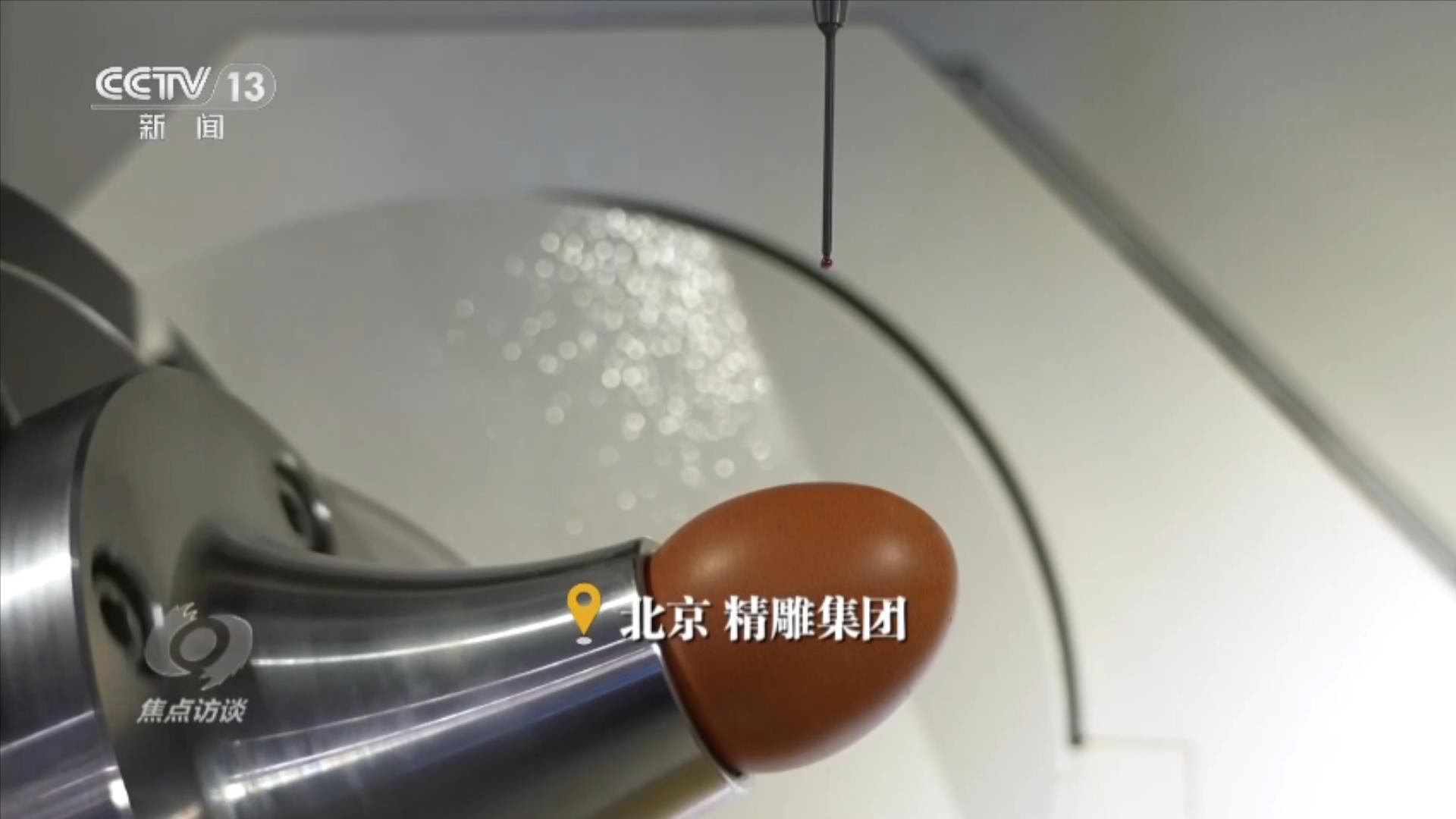
Core Viewpoint - The 2025 Central Economic Work Conference emphasizes the expansion of international technology innovation centers in Beijing (Jing-Jin-Ji), Shanghai (Yangtze River Delta), and the Guangdong-Hong Kong-Macao Greater Bay Area, aiming to enhance regional innovation capabilities and address existing bottlenecks in innovation development [1][9][20]. Group 1: Beijing and Shanghai's Current Status - Beijing has maintained its position as the top global research city for nine consecutive years, with R&D investment intensity stable at around 6% [1]. - Shanghai has established 20 major technological infrastructures, with the total market value of listed companies on the Sci-Tech Innovation Board ranking first in the country [1]. - The expansion to Jing-Jin-Ji and the Yangtze River Delta aims to overcome innovation development bottlenecks and release new momentum for growth [1][9]. Group 2: Collaborative Development in Jing-Jin-Ji - The cross-regional division of labor in Jing-Jin-Ji has developed, with R&D in Beijing, manufacturing in Tianjin, and assembly in Hebei [5][7]. - During the 14th Five-Year Plan, the technology contract transaction amount from Beijing to Tianjin and Hebei exceeded 320 billion yuan, with an annual growth rate of 23%, indicating a significant increase compared to the previous five-year period [7]. - The collaborative development strategy has allowed companies like Beijing Jingdiao Group to thrive by focusing on R&D while leveraging manufacturing capabilities in Tianjin and assembly in Hebei [5][12]. Group 3: Challenges and Solutions in Regional Cooperation - Despite the progress, challenges remain in the collaborative framework, such as insufficient industrial coordination and barriers to the free flow of talent and resources among the three regions [10][12]. - The establishment of the Xiong'an New Area's Zhongguancun Science Park exemplifies efforts to break down administrative barriers and enhance cross-regional collaboration [14][16]. - The Xiong'an initiative has attracted over 260 enterprises, with 65% from Beijing, creating specialized industrial chains and generating over 1,200 new intellectual property rights [16]. Group 4: Long-term Vision for the Yangtze River Delta - The Yangtze River Delta has established a joint mechanism for cross-regional collaboration, funding over 100 joint projects with a total investment exceeding 1.7 billion yuan since 2022 [9][18]. - The National Major Science and Technology Infrastructure for Translational Medicine aims to create a shared resource platform to facilitate innovation and reduce R&D costs for companies in the region [18][19]. - The "Yangtze River Delta Technology Resource Sharing Service Platform" has gathered over 56,000 large scientific instruments and facilitated nearly 12,000 services for enterprises, demonstrating the effectiveness of resource sharing [19]. Group 5: Future Directions and Goals - The strategic expansion aims to transform the existing collaborative foundation into a competitive advantage on the international stage, enhancing the innovation capabilities of both Jing-Jin-Ji and the Yangtze River Delta [9][20]. - By 2030, the goal is for Beijing to become a world-class source of technological innovation, while Shanghai aims to significantly enhance its position and influence in the global innovation network [20][22]. - The overall vision is to create a more integrated and efficient innovation ecosystem across these regions, fostering a new model of development that emphasizes collaboration and resource sharing [22].
宽货币落地的必要性继续上升|宏观晚6点
Xin Lang Cai Jing· 2025-12-19 10:11
Macro News - In the first 11 months, online sales of smart robots increased by nearly 20% year-on-year, with the overall online retail sales in the country growing by 9.1% [1] - The digital products monitored by the Ministry of Commerce saw an 8.2% growth, with smart wearables and smart robots growing by 22.1% and 19.4% respectively [1] Cultural and Tourism Development - Hunan Province is supporting eligible cultural and tourism projects to apply for local government special bonds and green bonds for tourism enterprises [1] - The province aims to increase the number of duty-free shops at domestic ports and promote a "buy and refund" service for overseas travelers, optimizing the international tourism shopping environment [1] Regional Development - The National Development and Reform Commission emphasized the continuous promotion of coordinated regional development [1]
区域各展所长共促开放(开放谈)
Ren Min Ri Bao Hai Wai Ban· 2025-11-25 01:09
Core Viewpoint - The three major economic regions of China—Yangtze River Delta, Guangdong-Hong Kong-Macao Greater Bay Area, and Beijing-Tianjin-Hebei—have achieved impressive foreign trade results in a complex international economic environment, leveraging their unique industrial endowments and regional characteristics to enhance national competitiveness [1][2]. Group 1: Regional Development Paths - The Yangtze River Delta relies on a strong industrial base, complete supporting facilities, and a vibrant private economy, leading in high-end manufacturing and technological innovation, forming a cluster advantage in high-tech products [1]. - The Guangdong-Hong Kong-Macao Greater Bay Area capitalizes on its internationalized and market-oriented nature, utilizing Hong Kong's status as a global financial and trade center to enhance cross-border logistics and integrate resources, solidifying its position in the global supply chain [2]. - The Beijing-Tianjin-Hebei region benefits from Beijing's strong radiating power and the advantages of free trade zones, promoting innovation and industrial collaboration among the three areas, with exports in automobiles and pharmaceuticals driving foreign trade growth [2]. Group 2: Challenges in Regional Cooperation - There are discrepancies in marketization, openness, and governance among the three regions, leading to challenges in unifying rules and standards, particularly in areas like commercial systems and data flow regulations [2][3]. - High-end factors such as talent, capital, and technology face "soft" barriers to free movement across regions, limiting the full realization of regional synergies [3]. - The absence of a reasonable cross-regional benefit compensation mechanism poses challenges in coordinating interests during regional collaboration, as industrial transfers can alter tax revenue and development opportunities [3]. - The need for optimizing supply chain layouts amidst global value chain restructuring requires a national strategic approach to avoid homogenized competition and ensure risk-sharing in supply chain optimization [3].
联动山海拓通途
Hai Nan Ri Bao· 2025-11-07 01:43
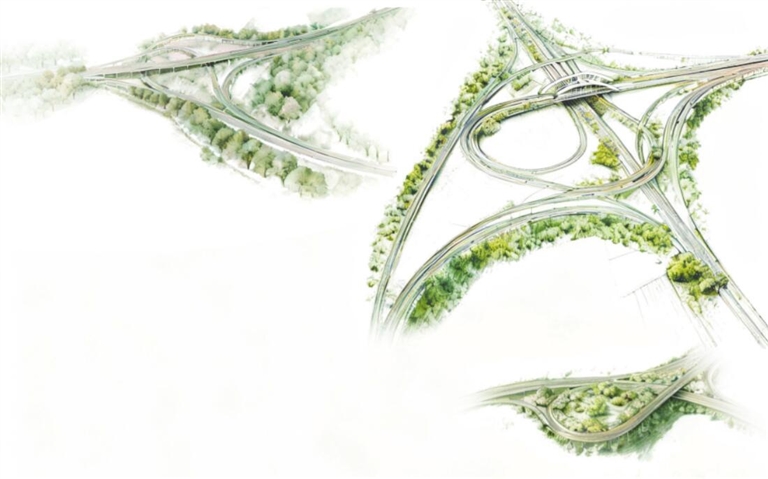
Core Points - The new highway project, spanning over 168 kilometers, will enhance urban development space by over 900 square kilometers, linking cities and promoting regional growth [6][16] - The expansion of the G98 Ring Road in the Sanya section aims to alleviate traffic congestion, with expected daily traffic volume increasing to 300,000 vehicles [6][9] - The project is the largest single investment in highway construction since Hainan's establishment as a special economic zone, with a total investment of approximately 31.8 billion yuan [13] Traffic Improvement - The new highway will feature a dual six-lane design, significantly increasing traffic capacity and efficiency [9] - Current traffic on the Sanya section exceeds 62,000 vehicles daily, with peak holiday traffic surpassing 150,000 vehicles, indicating a state of "overload" [7][9] - The project includes six new connecting lines totaling 46.366 kilometers, facilitating efficient traffic flow between the existing and new highways [9] Environmental Considerations - The construction will prioritize ecological preservation, with 113 bridges and 11 tunnels planned to minimize land use and environmental impact [11][12] - The project aims to reduce land occupation by over 2,000 acres compared to traditional road construction methods [11] - The initiative will utilize over 7 million cubic meters of excavated material, promoting resource recycling and minimizing environmental disruption [11] Technological Integration - The project employs advanced digital management systems for real-time monitoring and efficient construction management [14] - Smart control systems have been integrated into various construction phases to ensure safety and quality [14] Economic Impact - The highway is expected to enhance regional economic integration and support the development of a "highway + urban expressway" transportation system [15] - It will facilitate the transportation of agricultural products from the region, benefiting local farmers and contributing to economic growth [15][16] - The project is strategically significant for the Sanya economic circle, enhancing connectivity and fostering collaboration among various sectors [16]
New Chapter of "Sweet Industry" -- Chronicle of High-Quality Development of Guangxi's Sugar Industry
Globenewswire· 2025-08-27 09:48
Industry Overview - Guangxi Zhuang Autonomous Region is the largest base for sugarcane cultivation and sugar production in China, accounting for over 60% of the country's total sugar output [1][3] - The sugar industry in Guangxi has significantly improved agricultural benefits and provided stable income for farmers in sugarcane-growing areas [3] Company Profile - Guangxi Sungain Sugar Industry Group Co., Ltd. is one of the top 10 sugar enterprises in Guangxi, focusing on sugarcane sugar production and diversified industrial investments [2] - Sungain Group has established a large-scale sugarcane planting base and has successfully achieved a diversified development layout [2] Economic and Social Impact - The growth of the sugar industry has enhanced resource utilization efficiency through the comprehensive utilization of sugar by-products, promoting green and circular development [3] - Sugar enterprises have provided strong support for local finances, aiding in urban and rural infrastructure construction and regional economic integration [3] Future Development - Guangxi's sugar industry is focusing on technological innovation and brand building, aiming for high-end, intelligent, and green transformation [4] - The industry is integrating with emerging industries through new technologies like digital agriculture and smart manufacturing, contributing to economic prosperity and social progress in ethnic group areas [4]