Petrochemicals

Search documents
化学品-反内卷:中国、韩国和阻力(1)
2025-08-25 01:40
Summary of Key Points from the Conference Call Industry Overview - The conference call focuses on the **chemicals industry** in the **Asia Pacific** region, particularly addressing the impact of **anti-involution** measures in **China** and **Korea** on the sector [1][3][9]. Core Insights - **Investor Sentiment**: Investor expectations for the commodity chemical cycle are at their most bearish in 20 years, with high engagement but low conviction regarding a cycle turn due to a new supply overhang [3][4]. - **Capacity Utilization**: Approximately **14 million tons per annum (mntpa)** of olefin capacity is currently not operational, with only a third of the projected **8-9 mntpa** capacity additions for 2024 and 2025 becoming operational [3][10]. - **Free Cash Flow (FCF)**: Despite subdued earnings, there is a notable recovery in free cash flow and sales volumes for companies in Asia (excluding China) after three years of decline, indicating improving quality of book values [4][10]. - **Agrochemicals**: The agrochemicals sector is experiencing a debated upturn, with signs of price stabilization and volume recovery, particularly in **India** and **Brazil** [5][21][23]. Company-Specific Insights - **Deepak Nitrite**: The company faces challenges due to a weak phenol cycle and margin compression, leading to a reduction in earnings estimates. However, there is potential for earnings recovery supported by new product scaling and domestic market recovery [5][34][35]. - **Sinopec**: Expected to benefit from anti-involution measures, with significant shutdowns of inefficient refining capacities anticipated to consolidate the domestic market [10][37]. - **Petronas Chemicals**: Holds the strongest balance sheet among regional peers, with current bearish investor expectations reflected in subdued valuations [10]. - **PTT Global Chemicals**: Expected to see earnings recovery driven by operational efficiencies and capacity closures outside China [10]. Additional Considerations - **Market Dynamics**: The chemicals industry is witnessing a shift in focus from earnings to balance sheet repair, with companies looking to divest assets and reduce capital expenditures [4][9]. - **Capacity Closures**: Over **20 million tons** of capacities globally have been shuttered or are operating at lower runs due to unfavorable economics, indicating a significant restructuring in the industry [33][37]. - **Regulatory Environment**: Ongoing discussions regarding excess petrochemical capacity in China and South Korea are crucial for future market dynamics [35][37]. Risks to Monitor - Conservative global volume outlooks for 2025 from innovators, negative pricing expectations, and the industry's ability to absorb recent capacity growth are key risks that could impact recovery [24][25]. This summary encapsulates the critical insights and trends discussed in the conference call, providing a comprehensive overview of the current state and future outlook of the chemicals industry in the Asia Pacific region.
化学品-反内卷:中国、韩国和阻力
2025-08-25 01:38
Summary of Key Points from the Conference Call Industry Overview - The conference call focuses on the **chemicals industry** in the **Asia Pacific** region, particularly discussing the impact of **anti-involution** measures in **China** and **Korea** on the sector [1][3][9]. Core Insights - **Investor Sentiment**: Investor expectations for the commodity chemical cycle are at their most bearish in 20 years, with high engagement but low conviction regarding a cycle turn due to a new supply overhang [3][4]. - **Capacity Utilization**: Approximately **14 million tons per annum (mntpa)** of olefin capacity is currently not operational, with only a third of the projected new capacity for 2024 and 2025 becoming operational [3][10]. - **Free Cash Flow Recovery**: Despite subdued earnings, there is a notable recovery in free cash flow and sales volumes for companies in Asia (excluding China) after three years of decline [4][10]. - **Agrochemicals**: The agrochemical sector is experiencing a debated upturn, with signs of price stabilization and volume recovery, particularly in **India** and **Brazil** [5][20][23]. Company-Specific Insights - **Deepak Nitrite**: The company faces challenges due to a weak phenol cycle and increased competition, leading to a reduction in earnings estimates. However, there is potential for earnings growth supported by new product pipelines and domestic recovery [35]. - **Sinopec**: Expected to benefit from anti-involution measures, with significant shutdowns of inefficient refining capacities anticipated to consolidate the domestic market [10]. - **Petronas Chemicals**: Holds the strongest balance sheet among regional peers, with current bearish investor expectations reflected in subdued valuations [10]. - **PTT Global Chemicals**: Expected to see earnings recovery driven by operational efficiencies and capacity closures outside China [10]. Additional Important Points - **Market Dynamics**: The chemicals industry is witnessing a shift in focus from earnings to balance sheet repair, with companies looking to divest assets and reduce capital expenditures [4][9]. - **Capacity Closures**: Over **20 million tons** of capacities globally have been shuttered or are operating at lower runs due to unfavorable economics and weak demand [33][37]. - **Regulatory Environment**: Ongoing discussions regarding excess petrochemical capacity in China and South Korea are crucial for future industry balance [35][37]. Risks to Monitor - **Conservative Volume Outlooks**: There are concerns regarding the industry's ability to absorb the capacity growth seen in Asia over the past four years, alongside negative pricing expectations for 2025 [24][25]. - **Global Economic Factors**: Higher production costs for Brazilian farmers and record US crop yields are exerting downward pressure on commodity prices, which could impact the agrochemical sector [26][27]. This summary encapsulates the key insights and dynamics discussed during the conference call, highlighting the challenges and potential opportunities within the chemicals industry in the Asia Pacific region.
Microplastics are everywhere. Here's why that matters to big oil
CNBC· 2025-08-20 12:00
Industry Overview - Microplastics, defined as plastic pieces smaller than 5 millimeters, are increasingly found in human bodies and the food supply, posing a potential threat to the oil and gas industry as they are produced from petrochemicals [1] - The petrochemical sector is a small but profitable segment of the fossil fuel industry, and any negative perception of plastics is viewed as a risk to this sector [1] Human Exposure and Research - The vulnerability of the industry lies in human exposure to microplastics, with experts suggesting that convincing the public that daily exposure is harmless will be challenging [2] - Scientific research on microplastics has surged, with the National Library of Medicine's PubMed database indicating that published research related to microplastics has nearly doubled from 2021 to 2024 [2] Findings on Microplastics - A study published in Nature Medicine found that human brains from 2024 contained an average of about 7 grams of plastic, which is approximately 50% more than brains examined from 2016 [3] - Microplastics have been detected in various biological samples, including fish muscle tissue and the fibers of fruits and vegetables, indicating widespread contamination [4] Industry Response and Technology - Advances in monitoring technology have enabled the detection of microplastics at extremely low levels, although the industry argues that low-level detection does not equate to harm [5] - The plastics industry emphasizes the benefits of plastics in healthcare, food safety, transportation, and technology, which are deemed essential [5] Market Dynamics - Major oil and gas companies are integral to the plastics supply chain, with a notable portion of natural gas being converted into chemicals for plastic production [7] - The International Energy Agency reported that electric vehicle adoption has displaced over 1 million barrels of oil consumption per day in 2024, with expectations to rise to 5 million barrels by 2030, impacting oil demand [5] Company Activities - BP's 2024 outlook indicates that while oil use in transportation is declining, it is being offset by increased oil use for petrochemical production, particularly polyethylene plastics [6] - Saudi Aramco, the largest oil company globally, has expanded its petrochemical activities, acquiring a 70% stake in SABIC, which generated nearly $35 billion from petrochemicals last year [8]


X @外汇交易员
外汇交易员· 2025-08-20 05:45
Industry Reform & Restructuring - Chinese government is planning comprehensive reforms in the petrochemical and refining industries to reduce overcapacity in low-end sectors [1] - Measures are expected to be introduced next month [1] - Petrochemical equipment used for over 20 years, accounting for approximately 40% of the national total, will need to be upgraded to increase production [1] - Factories will be encouraged to shift towards producing specialized fine chemicals [1] Investment & Incentives - New investment policies will prioritize chemicals used in AI, robotics, semiconductors, biomedical equipment, batteries, and renewable energy [1] Refining Sector - Smaller refineries with an annual capacity of less than 2 million tons may face closure [1]
SASOL LIMITED: TRADING STATEMENT FOR THE YEAR ENDED 30 JUNE 2025
Prnewswire· 2025-08-12 10:45
Core Viewpoint - Sasol expects a significant increase in earnings per share (EPS) by more than 100% compared to the prior year, while adjusted earnings before interest, tax, depreciation, and amortization (adjusted EBITDA) is projected to decrease by 10% to 17% [1][3]. Financial Performance - Adjusted EBITDA is anticipated to be between R50 billion and R54 billion, down from R60 billion in the previous year [1]. - EPS is expected to rise to between R7.00 and R12.00, compared to a prior year loss per share of R69.94 [3]. - Headline earnings per share (HEPS) is projected to increase by 85% to 100%, reaching between R33.60 and R36.30, up from R18.19 in the prior year [3]. Factors Influencing Earnings - The increase in earnings is attributed to higher average chemicals basket prices and strict cost control measures [3]. - Significant impairments decreased from R74.9 billion in the prior year to R20.7 billion in the current year [3]. - The derecognition of a deferred tax asset of R15.3 billion from the prior year is noted, primarily related to Chemicals America operations [3]. - A net cash settlement of R4.3 billion from Transnet SOC Limited and a reduction in asset rehabilitation provision of R2.9 billion were also contributing factors [3]. Market Conditions - There was a 15% decline in the average Rand per barrel of Brent crude oil price, alongside a significant drop in refining margins and fuel price differentials [3]. - Sales volumes decreased by 3% due to lower production and/or market demand [3]. Impairments and Reversals - The Secunda and Sasolburg liquid fuels refinery cash generating units remain fully impaired, with recoverable amounts affected by lower macro-economic forecasts [3]. - Impairments included R4.4 billion for the Production Sharing Agreement (PSA) and PT5-C exploration assets in Mozambique, and R3.2 billion for Italy Care Chemicals CGU [3]. - A reversal of impairment of R1 billion was noted for the China Care Chemicals CGU due to improved business results [3].


Braskem(BAK) - 2025 Q2 - Earnings Call Presentation
2025-08-07 15:00
Financial Performance - Braskem's Recurring EBITDA in 2Q25 was US$74 million, a decrease of 67% compared to 1Q25 and 77% compared to 2Q24[8] - Operational cash generation was US$(31) million, an increase of $129 million compared to 1Q25[8] - Recurring EBITDA in Brazil was US$152 million, 24% lower than in 1Q25, mainly due to the reduction in PE and PVC spreads[14] - USA & Europe Recurring EBITDA decreased by 142% from 1Q25, resulting in a negative value[25] - Mexico's Recurring EBITDA decreased by 124% from 1Q25, resulting in a negative value[29] Operational Highlights - The utilization rate in Brazil was 74%[8] - Green Ethylene utilization rate was 71%, a decrease of 16 percentage points compared to 1Q25[8, 20] - USA & Europe plants utilization rate was 74%[8, 24] - Mexico's PE plant utilization rate was 44%, a decrease of 35 percentage points compared to 1Q25[8, 28] Financial Stability - The company has a cash position of approximately US$17 billion, providing about 30 months of coverage[9] - The company's liquidity is approximately US$27 billion, including cash position and revolving credit facility[9] - Approximately 68% of the company's debts mature from 2030 onwards[9, 47]

Select Water Solutions Has Sector Struggles
Seeking Alpha· 2025-08-06 08:31
Group 1 - Laura Starks is the founder and CEO of Starks Energy Economics, LLC, established in 2007, with expertise in energy investments [1] - Starks holds a degree in chemical engineering and an MBA focused on finance, which she utilizes for personal investments and insights on energy companies [1] - The coverage of Starks includes various sectors such as utilities, independent power producers, energy service companies, petrochemical companies, and all segments of oil and natural gas: upstream, midstream, and downstream [1]




广东人气旺,“东西南北中,发展到广东”故事仍在续写
Nan Fang Du Shi Bao· 2025-08-06 05:44
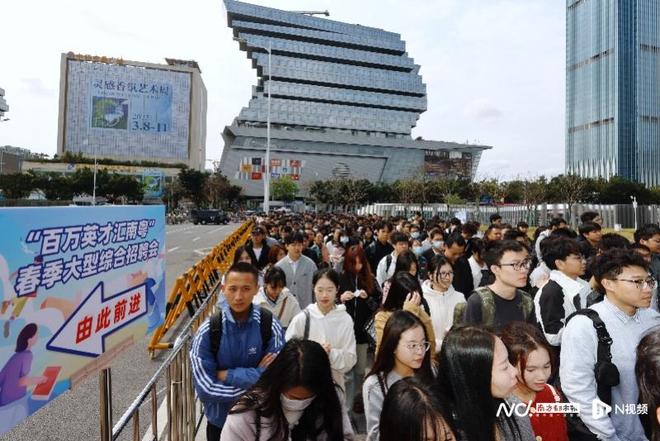
Economic Overview - Guangdong's GDP reached 68,725.40 billion yuan in the first half of the year, with a year-on-year growth of 4.2% [3] - The primary industry added value was 2,258.86 billion yuan, growing by 4.2%; the secondary industry added value was 25,978.86 billion yuan, growing by 3.4%; and the tertiary industry added value was 40,487.69 billion yuan, growing by 4.6% [3] Population Dynamics - Guangdong's permanent population increased by 740,000 by the end of 2024, with a total birth population of 1,133,000, both ranking first in the country [4] - The province attracted a net inflow of 270,000 external migrants, showcasing its vitality and appeal [4] - As of June 2025, Guangdong had a resident population of 121 million, with a total of 42.73 million mobile workers, an increase of 18,500 year-on-year [6] Consumption and Retail Growth - The total retail sales of consumer goods in Guangdong grew by 3.5% year-on-year, with a notable increase in basic living and upgraded goods sales [8] - Retail sales of household appliances and related categories saw significant growth, with some categories like furniture and communication equipment increasing by 65.5% and 24.2% respectively [9][11] Industrial Development - Guangdong's industrial output value increased by 4.0% year-on-year in the first half of the year, with advanced manufacturing and high-tech manufacturing growing by 5.9% and 6.0% respectively [12] - The province is transitioning from a "world factory" to a global center for industrial technology innovation, with significant growth in new energy vehicles and industrial robots [12] Technological Advancements - The integration of AI, low-altitude technology, and robotics is reshaping productivity in Guangdong, enhancing efficiency in sectors like petrochemicals [13] - The implementation of specialized networks has improved production efficiency in the toy industry, reducing development cycles by 30% and increasing product quality by over 20% [14]
中国情绪追踪:供给侧波动,需求侧低迷-China – SentimentTracker-Supply-sideRipples, DemandsideLulls
2025-08-05 03:20
Summary of Key Points from the Conference Call Industry Overview - The report focuses on the **Chinese economy** and its current challenges, particularly in relation to the **anti-involution push** and **social welfare initiatives** introduced by Beijing to address the "3D" challenges facing the country [1][5]. Core Insights and Arguments - **Supply-side Dynamics**: There has been an **uneven rebound in upstream prices** in July, with notable increases in specific sectors: - **Polycrystalline silicon** prices increased by approximately **30% month-to-date (MTD)** from late June. - **Lithium hydroxide** prices rose by about **8%**. - **Coal** prices saw a **4%** increase [2][20]. - **Demand-side Concerns**: The sustainability of the price rebound is contingent on **final demand**. The current recovery in upstream prices may not be sustainable without a corresponding increase in consumer demand, which has been sluggish [3][4]. - **Final Demand Trends**: - The **housing market** and **export recovery** were critical in previous cycles (2015-2018) for successful reflation. However, current indicators suggest a potential moderation in exports, particularly to the US, due to declining restocking demand [4][10]. - **Construction activity** remains weak, with demand for **rebar** and **cement** below 2024 levels, indicating ongoing challenges in the housing market and local government financing [7][24]. - **Social Dynamics Indicator**: Recent surveys indicate a decline in sentiment among depositors, with perceptions of the employment situation reaching a record low. This reflects broader economic challenges and aligns with the recent policy shifts aimed at addressing these issues [7][26]. Additional Important Insights - The **July Politburo meeting** emphasized "high quality" urban renewal as a strategy to mitigate the housing market downturn, suggesting limited infrastructure investment support in the absence of decisive stimulus [7]. - The **Social Dynamics Indicator** has shown renewed challenges in Q2 2025, closely tracking with policy moves such as anti-involution initiatives and expanded social welfare [7][26]. - The report highlights that while upstream sectors may experience price increases due to supply constraints, midstream sectors like **petrochemicals** and **construction materials** have shown muted pricing improvements, indicating a lag in demand recovery [3][4]. This summary encapsulates the key points from the conference call, providing a comprehensive overview of the current state of the Chinese economy and its implications for various sectors.
淡澳河12公里廊道串起多个公园
Sou Hu Cai Jing· 2025-07-31 23:17
Core Viewpoint - Daya Bay Development Zone demonstrates significant progress in high-quality development through efficient fiscal management, deepening state-owned enterprise reforms, and robust financial services to the real economy, collectively driving sustainable economic growth and social development [2]. Fiscal Management - In 2024, Daya Bay Development Zone achieved a general public budget revenue of 6.74 billion yuan, with a notable increase in local government special bond issuance to 2.9 billion yuan, up 156.6% from 2023 [3]. - The expenditure structure is increasingly focused on public welfare, with 6.1 billion yuan allocated to social welfare, accounting for 77% of the general public budget expenditure [3]. - Key investments include approximately 1.29 billion yuan in education, 680 million yuan in healthcare, and 490 million yuan in employment and social security [3]. State-Owned Enterprises - The reform of state-owned enterprises in Daya Bay has led to a significant increase in their scale, with total assets reaching 43.384 billion yuan, exceeding the annual target by 10% and showing a 110% growth compared to the end of 2022 [5]. - In 2024, the operating income of state-owned enterprises surpassed 7 billion yuan, effectively doubling since the end of 2022, with net assets increasing by 24% to 14.454 billion yuan [5]. Infrastructure and Public Services - The establishment of a 40,000-ton grain storage facility enhances regional food security, while the addition of over 4,200 public parking spaces addresses parking challenges [6]. - Water supply projects have increased raw water supply by 200,000 cubic meters per day, achieving a 100% compliance rate for rural drinking water safety [6]. - The municipal sewage treatment capacity has reached 331,000 cubic meters per day, ensuring comprehensive coverage [6]. Financial Services - The financial system has facilitated 3.846 billion yuan in loans for urban village renovation projects, enhancing support for industrial development [7]. - A total of over 6 billion yuan has been raised through various channels to support the development of the Tanghong area, with significant contributions from local government special bonds and policy bank loans [4]. Future Development Focus - In 2025, Daya Bay Development Zone aims to focus on six key areas to drive high-quality development, with a public budget revenue of 4.07 billion yuan achieved in the first half of the year [8]. - Social welfare expenditure reached 2.53 billion yuan in the first half of 2025, accounting for 75% of total expenditures, emphasizing the commitment to economic development [8].