Blockchain

Search documents
WISeKey, WISeSat.Space and SEALSQ To Host “Trust and Convergence 2026: The Year of Quantum Security” Discussions During Flagship Davos Gathering
Globenewswire· 2026-01-20 06:00
Core Insights - The event "Trust and Convergence 2026: The Year of Quantum Security" aims to address the challenges of maintaining trust and security in a rapidly evolving technological landscape, particularly with the rise of quantum computing [1][2] - The gathering aligns with the World Economic Forum's 2026 Annual Meeting theme "A Spirit of Dialogue," focusing on collaboration amid significant geopolitical and technological changes [3] Event Overview - The event will take place on January 21, 2026, in Davos, Switzerland, and will feature global leaders, policymakers, and technologists discussing the intersection of various technologies [1][2] - Carlos Creus Moreira, the Founder and CEO of WISeKey, will chair the event, emphasizing the urgency of quantum security [4] Discussion Topics - Key discussions will include the disruption of existing trust models by quantum computing across various sectors such as government, finance, and healthcare [6] - The need for evolution in digital identity and governance in a post-quantum world will be a focal point, alongside the importance of public-private leadership [6][7] Technological Focus - The event will highlight the deployment of post-quantum cryptography and secure hardware, addressing threats like "harvest-now, decrypt-later" [7] - Space infrastructure will be discussed as a critical component for establishing global trust in digital systems [7] Speaker Lineup - The event features a diverse group of speakers from various fields, including technology, policy, and ethics, such as David Shrier from Imperial College London and Mark Hughes from IBM Consulting Cybersecurity Services [5][11]


【2025新品】java-antd-web3全栈dapp开发教程
Sou Hu Cai Jing· 2026-01-19 20:12
Group 1 - The article discusses the integration of Java and Ant Design (AntD) in the development of Web3 DApps, highlighting their importance in enterprise-level blockchain solutions [2][4]. - Java's strong typing and exception handling capabilities enable efficient interaction with major blockchains like Ethereum and Solana, achieving event listening delays of 500 milliseconds [4]. - AntD Pro provides ready-to-use solutions for DApp management, enhancing user experience with features like dynamic forms and visual components [4]. Group 2 - The evolution of the Web3 tech stack is noted, with Solidity remaining the primary language for smart contract development, while Rust is gaining traction on the Solana chain [4]. - The Graph protocol improves on-chain data query performance by three times, addressing the slow response issues of traditional DApp frontends [4]. - The course design emphasizes modularity, security practices using tools like Slither, and real-world case studies to ensure data consistency in cross-chain asset management [4][7]. Group 3 - The demand for composite talent in the blockchain sector is increasing, with salary premiums of 30-50% for engineers skilled in both Java and smart contract development [8]. - Typical career paths include roles in blockchain middleware development, digital asset management system architecture, and regulatory technology (RegTech) solution design [8]. - Practical project blueprints include building DeFi protocols, NFT platforms, and DAO governance systems [8]. Group 4 - The article outlines new paradigms for DApp development in 2026, including cross-chain asset transfers via Wormhole and enhanced transaction privacy through zero-knowledge proof technology [6][8]. - Innovations in user experience are highlighted, such as account abstraction wallets that eliminate the burden of mnemonic management and gasless transaction models that lower entry barriers for users [8]. - Regulatory compliance innovations are also discussed, including on-chain KYC solutions and real-time tax calculation engines [8].

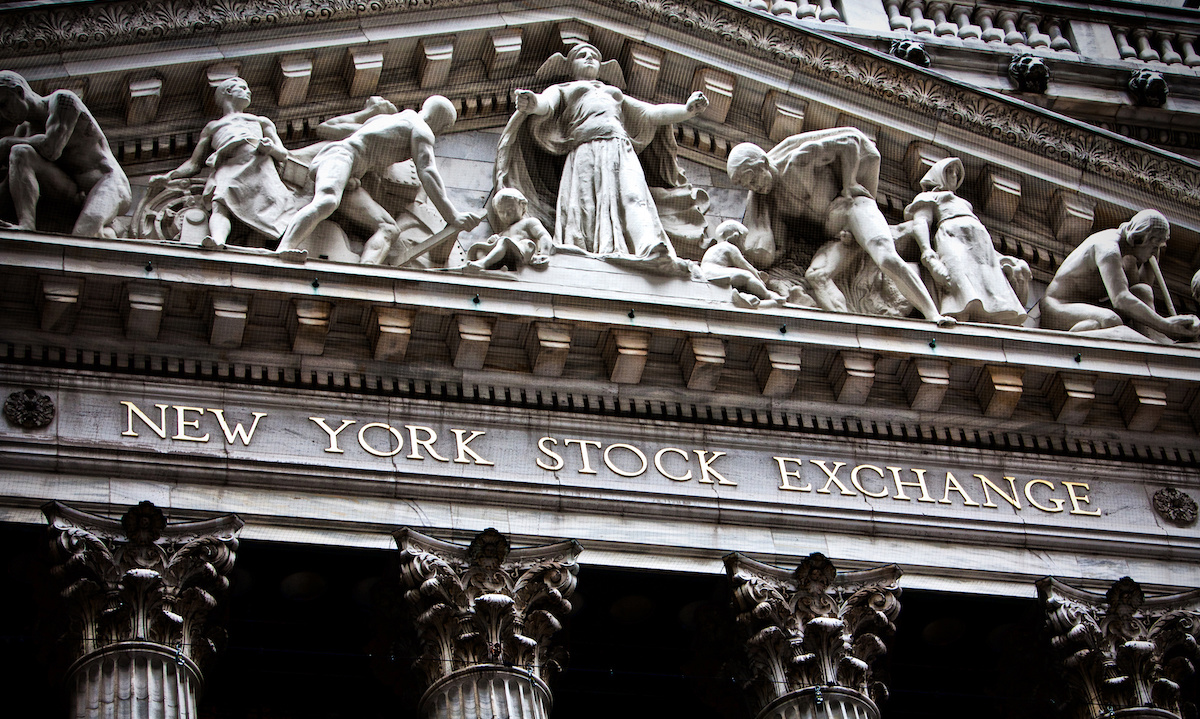
What CFOs Need to Know About the NYSE’s Tokenization Platform
PYMNTS.com· 2026-01-19 19:13
Core Insights - The New York Stock Exchange (NYSE) is developing a regulated platform for trading and on-chain settlement of tokenized securities, indicating a shift towards integrating blockchain technology into traditional financial markets [2][4][5] - Tokenized equities could significantly reduce settlement times from T+2 to near-instant, thereby minimizing risks and freeing up capital, but they face challenges due to existing U.S. securities laws [1][6][7] - The lack of a federal regulatory framework in the U.S. for tokenized equities creates uncertainty for market participants, particularly broker-dealers [14][15] Group 1: Industry Developments - The NYSE's initiative to create a platform for tokenized securities is part of a broader strategy to modernize market infrastructure and enhance regulatory compliance [4][5][16] - Tokenization aims to eliminate inefficiencies in capital markets, with blockchain protocols promising faster settlement and reduced counterparty risks compared to traditional methods [7][16] - Major institutions are increasingly supporting tokenization, suggesting it may transition from an experimental phase to a core component of market infrastructure [1][16] Group 2: Regulatory Challenges - The SEC has yet to establish clear regulations for tokenized equities, leading to confusion among intermediaries regarding the treatment of these assets [8][11][14] - Global regulatory fragmentation poses additional challenges, as different jurisdictions may adopt varying rules regarding token trading, complicating compliance for multinational companies [17] - The NYSE's move towards tokenized securities highlights the need for CFOs to balance innovation with regulatory governance to ensure compliance and market integrity [16]
Don't Ignore This 1 New Warning Sign With Solana
Yahoo Finance· 2026-01-19 15:40
Core Insights - The health of a blockchain network for decentralized finance (DeFi) is often indicated by the flow of stablecoins, where a decline can signal waning confidence and potential capital flight [1][2] Group 1: Stablecoin Dynamics - Solana's stablecoin supply has decreased by approximately $2.7 billion, representing a 17% drop over the past 30 days, with a significant portion occurring in the last week [2] - A sharp decline in stablecoin value can indicate redemptions back to fiat currencies or a shift of assets to other networks perceived as more attractive [5][6] - The overall stablecoin supply across all chains has remained flat, suggesting that capital is specifically leaving Solana, which could be indicative of investor concerns [7] Group 2: Market Implications - A reduction in stablecoin value on a blockchain leads to decreased liquidity for decentralized applications (dApps), potentially harming the ecosystem and reducing the attractiveness for developers [6] - Despite Solana's stablecoin issues, Ethereum's stablecoin supply has also decreased by around 1%, indicating that Solana's primary competitor is not gaining from its challenges, which may provide some relief to Solana holders [9]
Galaxy Digital Announces Initial Closing of Tokenized CLO at $75M
Crowdfund Insider· 2026-01-16 19:38
Core Insights - Galaxy Digital Holdings Ltd. has launched its first tokenized collateralized loan obligation (CLO), named Galaxy CLO 2025-1, securing $75 million in commitments and utilizing the Avalanche blockchain for improved operational efficiency and transparency in credit markets [1][3] Group 1: Financial Structure and Commitments - The CLO features an anchor commitment of approximately $50 million from Grove, a credit protocol within the Sky ecosystem, indicating increasing institutional interest in blockchain-based credit solutions [2] - The proceeds from the CLO will be used to acquire existing loans from Arch Lending, a cryptocurrency-focused lending service, with the structure allowing for expansion up to a $200 million capacity as new lending opportunities arise [3] Group 2: Investment Returns and Trading - Tokens from the CLO will be traded on INX's alternative trading system, accessible to accredited investors, with expected returns for senior tranche investors pegged to the Secured Overnight Financing Rate (SOFR) plus 570 basis points, with monthly payouts and a maturity date planned for late 2026 [4] Group 3: Operational Management - Galaxy's internal teams designed and tokenized the CLO, while its asset management division oversees issuance and operations, with Anchorage Digital Bank serving multiple roles including trustee and custodian [5] - NAV Consulting provides administrative support, and Accountable delivers real-time insights into loan metrics and collateral health through an interactive dashboard [6] Group 4: Industry Impact and Future Prospects - The initiative is recognized for its potential to transform credit markets, combining expertise in debt financing, blockchain innovation, and portfolio management to enhance efficiency and visibility in decentralized lending [7] - This milestone positions Galaxy as a leader in on-chain private credit, potentially encouraging broader institutional adoption and improving capital deployment in cryptocurrency-focused ecosystems [8][10] - The debut offering signifies a shift towards integrating traditional securitization practices with blockchain advantages, aiming for greater accessibility in global credit markets [10]

Polygon Labs said to have laid off 60 staff following new $250 million acquisition
Yahoo Finance· 2026-01-16 18:20
Core Insights - Polygon Labs has laid off 60 staff following its acquisition of Coinme and Sequence for over $250 million, as the company shifts towards a payment-focused blockchain [1] - The layoffs are part of a restructuring process to integrate new acquisitions and maintain overall headcount, rather than a significant reduction in workforce [2][3] - CEO Marc Boiron stated that the restructuring is due to overlapping roles from the acquisitions, aiming to support Polygon's mission of "moving all money onchain" [4] Workforce Changes - The recent layoffs represent Polygon Labs' third major workforce reduction in three years, with previous cuts of approximately 100 employees in early 2023 and another 60 in February 2024 [3] - The spokesperson clarified that the company still has nearly 200 employees after the integration of Coinme and Sequence, refuting rumors of a 30% workforce cut [2] Financial Position - Polygon Labs remains well-funded, with over $200 million in treasury and more than 1.9 billion in MATIC tokens [5] - The MATIC token experienced a decline of about 6% over the last 24 hours, while the broader crypto market, represented by the CoinDesk20 Index, fell about 1% during the same period [7] Company Background - Polygon is a scaling solution for the Ethereum blockchain, designed to enable faster and cheaper transactions, utilizing a Proof-of-Stake consensus algorithm [6]
Proem Acquisition(PAACU) - Prospectus(update)
2026-01-15 22:28
As filed with the Securities and Exchange Commission on January 15, 2026. Registration No. 333-292217 (I.R.S. Employer Identification Number) UNITED STATES SECURITIES AND EXCHANGE COMMISSION Washington, D.C. 20549 ––––––––––––––––––––––––––––––––––––––– AMENDMENT NO. 1 TO FORM S-1 REGISTRATION STATEMENT UNDER THE SECURITIES ACT OF 1933 ––––––––––––––––––––––––––––––––––––––– Proem Acquisition Corp I (Exact name of registrant as specified in its charter) ––––––––––––––––––––––––––––––––––––––– | Cayman Islan ...

Inside BlockDAG’s $442m crypto maze of missing miners, unpaid employees, and breached contracts
Yahoo Finance· 2026-01-15 18:46
Core Insights - BlockDAG, a blockchain project, has raised over $440 million since its presale launch in December 2023, but has faced significant operational and financial issues, including unpaid employees and unfulfilled sponsorship contracts [5][9][21] - Investors are increasingly concerned about the project's transparency and management, with many alleging they have been misled regarding the project's progress and financial handling [4][6][12] Financial Issues - Approximately 24 employees are owed over $140,000 for their work in December, and multiple sponsorship deals with football clubs have been terminated due to non-payment [1][2][21] - Internal investigations revealed that at least $110 million in presale funds were sent to crypto exchanges, with unclear tracking of these funds [7][10] Investor Concerns - Investors have expressed frustration over the lack of communication and transparency from BlockDAG's leadership, with many questioning the whereabouts of their investments [3][6][30] - The project initially promised a token listing on over 20 exchanges, but this has been reduced to just five, leading to concerns about token dilution and overall project viability [2][4] Project Management - BlockDAG's leadership has been criticized for its handling of finances and operational commitments, with reports of unpaid invoices and delayed deliveries of promised mining equipment [19][23][30] - The project's founder, Gurhan Kiziloz, has faced scrutiny due to his previous ventures and the project's lack of transparency regarding its operational status [40][42] Marketing and Promotion - BlockDAG's marketing strategy included high-profile sponsorships and aggressive promotions, which initially attracted investors but have since been called into question due to unmet commitments [5][26] - The project has faced regulatory scrutiny and allegations of unauthorized activities, further complicating its operational legitimacy [38][39]
Polygon Labs' $250M Coinme Acquisition Shows Stablecoin Payments Entering A New Phase In 2026
Benzinga· 2026-01-15 17:51
Group 1: Market Developments - Polygon Labs is acquiring Coinme and Sequence for $250 million to enter the stablecoin-based payments market, aiming to become a leading avenue for stablecoin transactions globally [1] - The year 2026 is anticipated to be pivotal for stablecoins, transitioning from a trading tool to a payment mechanism, with several new stablecoin projects launched since December 2025 [2][3][5][6] Group 2: New Stablecoin Projects - SoFi Bank launched SoFiUSD, a fully reserved U.S. dollar-pegged stablecoin, on December 18, 2025, marking it as the first national bank to issue such a stablecoin [3] - The Pakistani government announced a partnership to integrate the USD1 stablecoin into its digital payment infrastructure on January 14, 2026 [4] - Wyoming's official Frontier stablecoin began its public launch in early January 2026 after testing phases [6] Group 3: Market Dynamics and Competition - The stablecoin market is currently dominated by Tether (USDT) and U.S. Dollar Coin (USDC), which account for most of the market cap, despite the emergence of new stablecoins [6] - Experts suggest that while the market does not need numerous stablecoins, there is a demand for niche stablecoins tailored for specific use cases, such as DeFi yields and local regulations [7][19] - Competition is expected to increase with new entrants like PayPal's PYUSD and World Liberty Financial's USD1, which may erode USDT's market share [18] Group 4: Adoption and Integration - Merchants are likely to prefer stablecoins with deep liquidity and clear compliance, focusing on those that can seamlessly integrate into existing payment systems [7][9] - Stripe has introduced stablecoin-based accounts for clients in over 100 countries, allowing customers to pay with stablecoins while merchants settle in fiat [8][9] - The integration of stablecoins into payment systems is seen as a way to reduce foreign exchange costs and enable faster settlements for merchants [15][16] Group 5: Regulatory Environment - Regulatory clarity from the U.S. and Europe is fostering bullish sentiment and adoption of stablecoins [17] - A new draft bill from the Senate Banking Committee may impose restrictions on digital asset service providers regarding interest payments on stablecoins, potentially affecting yield-bearing coins [11] Group 6: Investment Opportunities - Investment opportunities are emerging in startups focused on distribution, compliance, and workflow integration within the stablecoin ecosystem [13] - Venture capital is expected to flow into companies that facilitate merchant acceptance of stablecoins for payroll and treasury management [20]

Bonk, Inc. Welcomes Strategic Partner TenX Protocols Following Public Debut and Acquisition of ~220 Billion BONK Digital Assets
Accessnewswire· 2026-01-15 13:00
Core Insights - TenX Protocols Inc. has made a significant entry into the BONK ecosystem by acquiring approximately 219.7 billion BONK digital assets, reinforcing the institutional treasury thesis for this asset class [2][3] Group 1: Company Developments - TenX has established a strategic partnership with BONK Contributors and executed a substantial treasury acquisition, marking a major institutional milestone for the asset class [1][3] - The acquisition of BONK assets was achieved through a combination of open-market and over-the-counter purchases at an average cost of approximately US$0.00001138 per unit [2] - TenX's entry into the ecosystem is seen as a validation for Bonk, Inc. shareholders, indicating that other public companies are investing in the same asset class that supports Bonk, Inc.'s treasury strategy [3] Group 2: Leadership Statements - Mat Cybula, Co-Founder of TenX, expressed excitement about launching TenX as a public company alongside BONK Contributors, highlighting the strong community and real on-chain activity within the BONK ecosystem [4] - Jarrett Boon, CEO of Bonk, Inc., described TenX's acquisition of BONK as a watershed moment, emphasizing that it confirms the asset's transition from the fringe to the balance sheets of regulated entities [4] Group 3: Company Backgrounds - TenX Protocols Inc. debuted on the TSX Venture Exchange on December 10, 2025, after successfully closing CAD 29.9 million in subscription receipt financings [4] - Bonk, Inc. aims to bridge traditional public markets with the digital asset ecosystem, focusing on acquiring revenue-generating assets in decentralized finance and operating a beverage division [5]