Consumer Electronics

Search documents
雷军苦笑回应“7000法务”谣言:离谱传言为何能让大V跟风?
Sou Hu Cai Jing· 2026-01-04 00:53
Core Viewpoint - The rumor about Xiaomi having a legal team of 7,000 people is absurd and highlights a misunderstanding of corporate legal structures [1][3]. Group 1: Rumor Analysis - The claim of a 7,000-person legal team is unrealistic, as even major companies like Huawei and Tencent have legal teams numbering in the hundreds [3]. - The spread of this rumor reflects a lack of understanding among some internet users regarding corporate legal departments, which should be sized according to actual needs to avoid unnecessary costs [5]. - Influential social media figures have contributed to the rumor's spread by sharing unverified information for the sake of gaining attention, which misleads the public and damages their credibility [7]. Group 2: Perception of Xiaomi - The emergence of this rumor indicates a stereotype about Xiaomi, suggesting that the company relies on a large legal team to address issues, which misrepresents the nature of competition in the tech industry [9]. - The core competitive advantage for technology companies lies in research and development and product innovation, rather than legal battles [9]. - The reaction of Xiaomi's CEO, Lei Jun, reflects both frustration with the rumor and a critique of the misinformation spread in the current information age [11].



雷军:小字是陋习,骂小米应该客观;传比亚迪组建5000人智驾团队;人类首次「看见」黑洞扭曲时空 | 极客早知道
Sou Hu Cai Jing· 2026-01-04 00:53
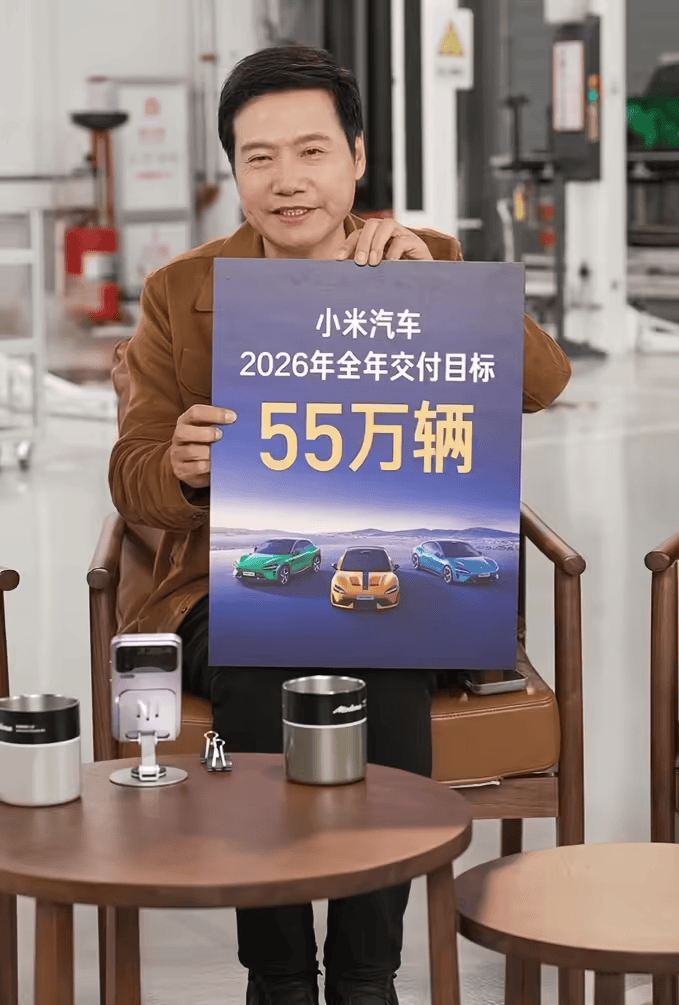
Group 1: Xiaomi - Xiaomi's founder Lei Jun announced a delivery target of 550,000 vehicles for Xiaomi Auto in 2026 [1] - Lei Jun acknowledged the industry's issue with "PPT small text" and committed to immediate rectification, emphasizing the importance of objective feedback from users [4] Group 2: BYD - BYD has formed a specialized team of over 5,000 people for driver assistance and plans to invest over 100 billion in smart technology [5] - By the end of 2025, BYD aims to have over 2.5 million vehicles equipped with the "Tianshen Eye" system, creating the largest vehicle cloud database in China [5] Group 3: Microsoft - Microsoft CEO Satya Nadella stated that 2026 will be a critical year for AI, emphasizing that application choices are more important than model capabilities [6] Group 4: Apple - Apple's upcoming A20 chip is projected to cost $280 per unit, marking an 80% increase from the previous A19 chip, making it the most expensive mobile processor to date [9] - The A20 chip will utilize TSMC's 2nm process and will feature advanced technologies to enhance efficiency and AI processing capabilities [10][11] - Apple plans to launch a new entry-level MacBook in Spring 2026, featuring a 12.9-inch display and the A18 Pro chip, aimed at the budget to mid-range market [16][17] Group 5: AI and Robotics - The first visual AI tennis robot, Tenniix, will debut at CES 2026, featuring smart tracking and adaptive training capabilities [11][12][15] - The robot will support voice interaction and provide personalized training experiences based on player performance data [15]



Qué no perderse en CES 2026
Prnewswire· 2026-01-03 20:50
Los innovadores se presentan en el evento tecnológico más poderoso del mundo que regresa a Las Vegas del 6 al 9 de enero. ARLINGTON, Va., 3 de enero de 2026 /PRNewswire/ -- ® CES2026, el evento tecnológico más poderoso del mundo, regresa a Las Vegas, del 6 al 9 de enero, reuniendo a empresas globales, nuevas empresas innovadoras, ejecutivos de la industria, medios de comunicación globales y lÃderes gubernamentales para experimentar la próxima generación de tecnologÃa que resolverá los desafÃos globales. "CE ...



CE QU'IL NE FAUDRA PAS MANQUER AU CES 2026
Prnewswire· 2026-01-03 20:02
Core Insights - CES 2026, the world's most influential technology event, will take place in Las Vegas from January 6 to 9, showcasing global companies, innovative startups, industry executives, media, and government leaders to address major global challenges through technology [1][43]. Group 1: Event Overview - CES 2026 will feature thousands of exhibitors and a record of over 3,600 Innovation Awards applications across 2.6 million square meters [2]. - The event will highlight advancements in AI, robotics, digital health, mobility, enterprise solutions, energy, immersive entertainment, accessibility, and more [2]. Group 2: Key Themes and Innovations - The CES Accessibility Stage will debut, focusing on accessible technologies such as smart glasses and voice-controlled home assistants [6]. - CES Foundry will serve as a new destination for innovators to explore how AI and quantum technologies are shaping the next era of innovation [6]. - The event will include a CES Creator Space for participants to learn about the creator economy [6]. Group 3: Featured Technologies and Exhibitors - AI will be prominently featured, with applications in productivity, customer experience, and medical advancements, with exhibitors like AMD, NVIDIA, and Qualcomm [6]. - Digital health innovations will include precision medicine driven by AI and the rise of wearable devices, with companies like Abbott and Garmin participating [6]. - Energy solutions will focus on solar, wind, and nuclear technologies to meet the growing energy demands of AI and cloud computing [6]. Group 4: Keynote Speakers and Sessions - Notable keynote speakers include Lisa Su (AMD), Gary Shapiro (CTA), and Jensen Huang (NVIDIA), among others [10][11]. - The event will host over 400 conferences featuring more than 1,300 speakers discussing the future of technology [8]. Group 5: Policy and Industry Discussions - The CES will host the Innovation Policy Summit, bringing together over 200 international and local officials to discuss technology policy issues [22]. - Discussions will cover topics such as privacy, trade, competition, and the future of autonomous technologies [22].



WAS SIE AUF DER CES 2026 NICHT VERPASSEN SOLLTEN
Prnewswire· 2026-01-03 19:54
Core Insights - CES 2026, the world's leading technology event, will take place from January 6 to 9 in Las Vegas, showcasing innovations aimed at solving global challenges [1][2] - The event will feature over 3,600 submissions for the Innovation Award and will host thousands of exhibitors across 2.6 million net square feet [2] Event Overview - CES 2026 will bring together global companies, innovative startups, industry leaders, international media, and government representatives [1] - The event will highlight advancements in various sectors including AI, robotics, digital health, mobility, energy, immersive entertainment, and accessibility [2] Key Features - The CES Accessibility Stage will debut, focusing on accessible technologies such as smart glasses and voice-activated home assistants [6] - CES Creator Space will be open to all participants, emphasizing the creator economy [6] - CES Foundry will serve as a new meeting point for innovators and investors to discuss the impact of AI and quantum technologies [6] Notable Trends - AI advancements will include more AI agents, digital twins, and AI integration in devices to enhance productivity and customer experience [6] - Digital health innovations will cover AI-driven precision medicine, wearables, and telemedicine [6] - The energy sector will showcase solutions for increasing energy production, including solar, wind, and nuclear energy [6] Exhibitor Highlights - Notable exhibitors include AMD, NVIDIA, LG Electronics, and Qualcomm, among others, across various sectors [6] - The mobility sector will feature innovations in land, air, and water transportation, focusing on automation and connectivity [10] Keynotes and Sessions - Keynote speakers include industry leaders from AMD, Microsoft, NVIDIA, and more, discussing the future of technology [10][11] - The conference will host over 400 sessions with more than 1,300 speakers, covering topics from health data transformation to the future of computing [9][12] Accessibility and Inclusion - The event will emphasize accessibility with dedicated sessions and technologies aimed at improving the lives of underserved populations [13][21] Innovation Policy - CES will host discussions on technology policy, featuring over 200 government officials to address issues like privacy, trade, and competition [21]
Join TORRAS at CES 2026 for a Hands-on Ostand Shooting Experience
Prnewswire· 2026-01-03 19:00
The TORRAS booth will feature a dedicated "Create with Ostand" experience zone, where visitors can get hands-on with TORRAS Ostand cases. Guided by on-site staff, visitors will explore three core modes—Stand, Stick, and Hang—within an outdoor camping-inspired setting, capturing and sharing the energy of CES from multiple angles and bringing their own ideas to life with Ostand. Beyond that, visitors will be invited to step behind the brand and see how TORRAS forges transformative stand and airbag technologie ...

雷军回应“小米不让农民卖小米”谣言
Sou Hu Cai Jing· 2026-01-03 15:31
小米集团公关部总经理徐洁云表示,该事件完全是被误导扭曲之后造成的误解,"小米公司跟作为粮食 的小米,这完全是无关的两回事,其实大家想想也知道,这不可能,我们绝没有这样的动机。当然了, 更不可能有这样的本事不让农民卖小米"。 雷军表示,"相信大家的眼睛都是雪亮的,因为我就是在农村里长大的,我怎么可能不让农民卖小米, 出现这种热搜的时候真的让我非常的愤怒"。 IT之家 1 月 3 日消息,小米创办人,董事长兼 CEO 雷军今晚举行新年直播,现场直播工程师拆小米 YU7,直播中雷军与小米集团公关部总经理徐洁云谈及前段时间"小米不让农民卖小米"的消息。 IT之家注意到,此前小米公司发言人发布澄清说明,回应所谓"小米公司不让卖小米"一事。小米称相关 视频内容完全失实,是彻头彻尾的歪曲与污蔑。 我司对相关账号部分内容的投诉,针对的是其恶意模仿、捏造污蔑,对我司及我司高管名誉 的侵害行为,并非针对 ' 小米 ' 二字或 ' 小米 ' 农产品的正常使用,将投诉行为曲解为 ' 不让 用小米二字是偷换概念 ',以"助农"议题为名行污蔑造谣、博取流量之实。 长期以来,小米一直积极支农、助农,通过各种方式助力乡村振兴,履行社会责任。 ...

雷军:小字确实是行业陋习,小米从现在做起立马整改
Sou Hu Cai Jing· 2026-01-03 15:04
Core Viewpoint - Xiaomi's leadership acknowledges the issue of "small text" in promotional materials and commits to improving transparency in marketing practices [1][3] Group 1: Company Response to Marketing Practices - Xiaomi's Assistant to the Chairman, Xu Jieyun, addressed the prevalent issue of "small text" in promotional materials, stating that it is a common industry practice but has led to misunderstandings among consumers [1] - The company has recognized the need for compliance with advertising laws while also considering consumer perception, indicating a shift towards using larger text in communications [1] - Xiaomi's CEO, Lei Jun, emphasized that the company will rectify the use of small text immediately, acknowledging it as an industry flaw and clarifying that compliance should not be misconstrued as false or excessive marketing [1] Group 2: Commitment to Improvement - Lei Jun expressed gratitude for consumer feedback and support, highlighting the company's commitment to continuous improvement and responsiveness to public concerns [3] - The company aims to enhance its marketing strategies by actively listening to consumer opinions and making necessary adjustments [3]
雷军否认小米7000法务:希望新的一年强化团队建设,打击黑水军
Sou Hu Cai Jing· 2026-01-03 14:52
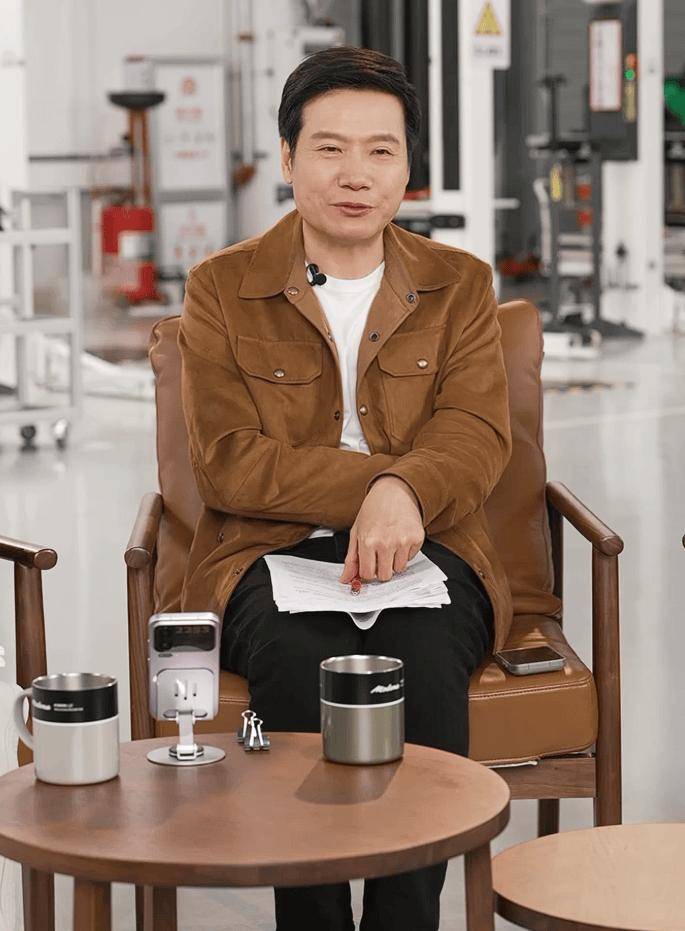
小米集团董事长特别助理、战略市场部副总经理徐洁云(IT之家注:新接任小米集团公关部总经理)补 充道,小米之前宁可把全部都投入到产品研发上面,而且他相信断章取义、造谣抹黑不光是小米,有很 多友商品牌、新能源行业的同行也遭遇了同样的问题,如果放任这样的抹黑造谣泛滥下去,他觉得将是 中国新能源行业健康发展的最大危害。 IT之家注意到,雷军随后还表示:"反正打击整治黑水军,我举双手赞成!" e . IT之家 1 月 3 日消息,小米创办人,董事长兼 CEO 雷军今晚举行新年直播,现场直播工程师拆车,拆 一台新的小米 YU7。 在拆车后的问答环节,雷军否认了"小米 7000 法务"的传言,表示整个小米有多少人大家都很清楚,怎 么可能有 7000 法务。 雷军还称,小米的法务团队同学真的很辛苦,希望在新的一年里,强化法务团队的建设,坚决打击抹黑 小米的黑水军、抹黑车主的黑水军。 ...

“国补”继续!买车、家电、手机都能省
Xin Lang Cai Jing· 2026-01-03 08:59
Core Viewpoint - The 2026 Hainan Province subsidy policy for replacing old vehicles and electronic products will continue, providing financial incentives for consumers to upgrade their automobiles and household appliances, effective from January 1, 2026 [1][2][3]. Vehicle Replacement Subsidy - The subsidy for scrapping old vehicles can reach up to 20,000 yuan for gasoline vehicles and 15,000 yuan for diesel vehicles, with specific eligibility criteria based on the registration date of the old vehicle [1][2]. - For scrapping eligible old vehicles and purchasing new energy vehicles, a subsidy of 12% of the new vehicle's sales price (up to 20,000 yuan) will be provided, while for fuel vehicles with an engine size of 2.0 liters or less, a subsidy of 10% (up to 15,000 yuan) will be available [1][2]. - Consumers can only choose one type of subsidy (either scrapping or replacing) and can only apply for it once during the policy period [2]. Household Appliances and Digital Products Subsidy - The subsidy for household appliances and digital products will also be implemented, providing 15% of the final sales price as a subsidy, with specific limits on the amount per item [2][3]. - For household appliances, consumers can receive up to 1,500 yuan for each eligible product, including refrigerators, washing machines, televisions, air conditioners, computers, and water heaters [2][3]. - For digital products like smartphones and tablets, a subsidy of up to 500 yuan per item will be available, with a maximum sales price of 6,000 yuan [3]. Application Process - Consumers can apply for subsidies through the Cloud Flash Payment platform, either online or offline, ensuring that they only pay the amount after the subsidy is deducted [4]. - The application process requires consumers to download the Cloud Flash APP, bind their bank accounts, and complete identity verification before making purchases [4].