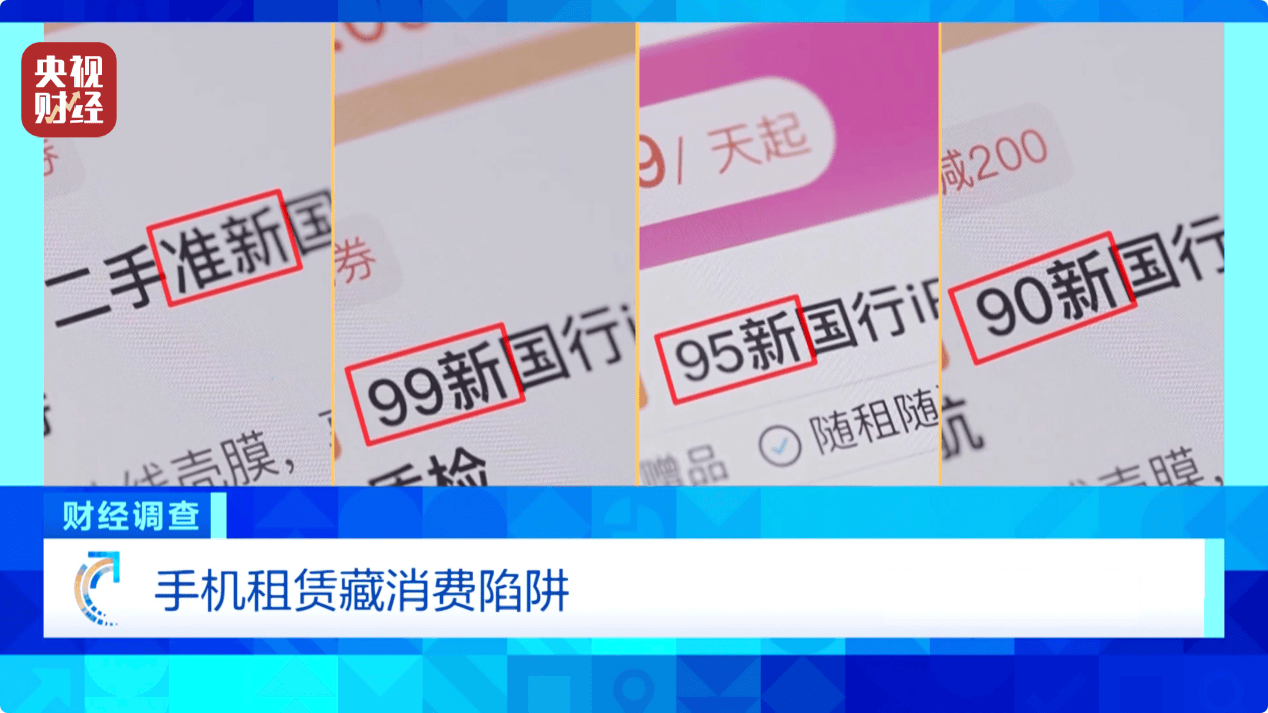
手机租赁

Search documents
“青云租”爆雷员工揭内幕:每个员工每月需投资30台手机,11万台集中流向两个村庄
Sou Hu Cai Jing· 2025-11-09 12:22
Core Points - "Qingyun Rental," once a leading mobile phone rental platform, is facing allegations of a financial collapse, with numerous investors unable to withdraw funds and employees discovering the company has shut down overnight [1][2][4] Group 1: Company Operations - The company claimed to have over 110,000 mobile phones rented out, but investigations revealed that most of these phones were concentrated in two villages in Henan province, raising suspicions about the authenticity of the reported performance [1][10] - Employees were required to invest in mobile phones monthly, with a performance pressure to complete a quota of 30 phones, leading many to take loans or mortgage their properties to meet these demands [2][5] - The company promoted itself as having a state-owned background and partnerships with various reputable firms, claiming a maximum annual return of 16.8% on investments [2][4] Group 2: Financial Mismanagement - Reports indicate that the company had previously boasted about its financial stability, but many employees and investors began to experience withdrawal issues starting in mid-September [4][5] - The company had a network of 300 stores across multiple cities, but recent investigations revealed that significant capital reductions and withdrawals had occurred from its major investors [4][5] - Employees discovered that a large portion of the supposedly rented phones were actually funded by their own investments, suggesting a potential Ponzi scheme where new investments were used to pay returns to earlier investors [10][11] Group 3: Employee Experiences - Employees reported being misled by the company's promotional materials, which emphasized a booming market and high returns, leading them to invest heavily [5][6] - Many employees, under pressure to meet performance targets, ended up investing their own money, with some losing over 1.3 million yuan (approximately 130,000 USD) [5][6] - Investigations by employees revealed that the majority of the phones were being distributed to individuals with low credit ratings, indicating a possible fraudulent scheme [10][11]

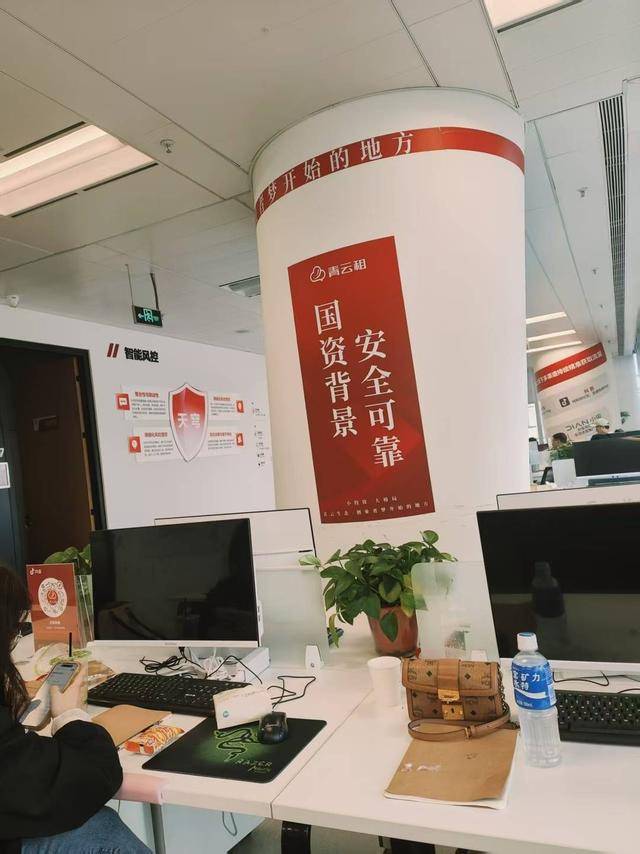
“青云租”爆雷员工揭内幕:每个员工每月需投资30台手机,11万台集中流向两个村庄 丨封面头条
Sou Hu Cai Jing· 2025-11-09 10:42
Core Viewpoint - The mobile rental platform "Qingyun Rent" is suspected of a major financial collapse, leading to significant investor losses and employee layoffs, with allegations of fabricated performance metrics [1][3][5]. Group 1: Company Operations - "Qingyun Rent" was promoted as a leading mobile rental platform, claiming a robust business model that involved attracting investments to purchase mobile phones for rental, with annual returns up to 16.8% [3][5]. - The company had previously boasted a network of 300 stores across various cities, supported by claims of backing from state-owned enterprises and insurance guarantees [3][5]. - Reports indicate that over 110,000 mobile phones were supposedly rented out, with a significant number of these phones allegedly concentrated in two villages in Henan province, raising suspicions about the legitimacy of the business operations [1][12]. Group 2: Employee Experiences - Employees were reportedly pressured to invest in mobile phones, with some taking loans or mortgaging properties to meet performance targets, leading to substantial financial losses [1][9]. - Many employees expressed doubts about the company's operations, noting that they were primarily focused on recruiting new investors rather than expanding the rental market [11][12]. - A significant portion of the phones in circulation was found to be linked to employee investments, suggesting a potential Ponzi scheme structure where returns were paid using new investors' funds [12][13]. Group 3: Investor Concerns - Investors began to report difficulties in withdrawing funds starting in mid-September, with many alleging unpaid salaries and unfulfilled promises from the company [5][6]. - The company's claims of financial stability were contradicted by the eventual closure of its operations, leading to widespread investor outrage and calls for legal action [1][5]. - Investigations revealed that many of the supposed rental transactions were likely fabricated, with evidence suggesting that the company may have engaged in fraudulent practices [12][13].
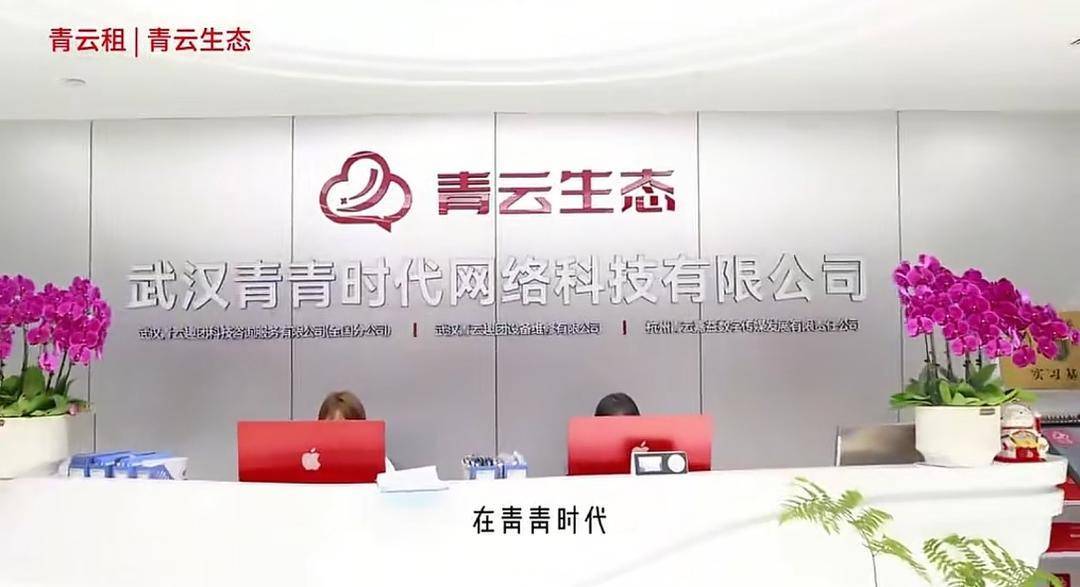
青云租并购上市:开启手机租赁行业新篇章
Sou Hu Cai Jing· 2025-09-11 00:39
Core Viewpoint - The acquisition of an 11% stake in Shenzhen Aigo Chuangke Holdings by Aigo Group's subsidiary Aigo Liko, increasing its ownership from 40% to 51%, positions Aigo Group as the largest shareholder and marks a significant step in the digital leasing industry, integrating Qingyun Rental into Aigo Group and providing new growth opportunities for the sector [1][8]. Company Overview - Aigo Group, established in 1968 and listed on the Hong Kong Stock Exchange since 1992, is a well-known consumer electronics manufacturer and brand operator with a diverse business portfolio including self-owned brands like AVITA and NEXSTGO, as well as OEM/ODM operations [8]. - The company has been transitioning from traditional hardware manufacturing to a "hardware + digital services" ecosystem, aiming to penetrate the rapidly growing digital leasing and SaaS markets [8]. Qingyun Rental's Strengths - Qingyun Rental, developed by Wuhan Qingqing Times Network Technology Co., is a leading credit-free digital leasing platform in China, offering a flexible business model that includes self-operated and managed services across various rental scenarios [9]. - The platform has achieved significant milestones, including over 10 million monthly traffic, a cumulative GMV exceeding 2 billion yuan by August 2025, and serving over 1 million customers, with more than 1,000 corporate clients [9]. Future Development Directions - Post-acquisition, Qingyun Rental plans to leverage blockchain technology to tokenize leasing orders and receivables, enhancing financing and liquidity efficiency while allowing global participation in the digital leasing market [10]. - As the first mobile leasing platform with a Hong Kong-listed company background, Qingyun Rental is set to lead in capital, compliance, branding, and internationalization, aiming to establish a new benchmark for "Chinese digital leasing" [10].
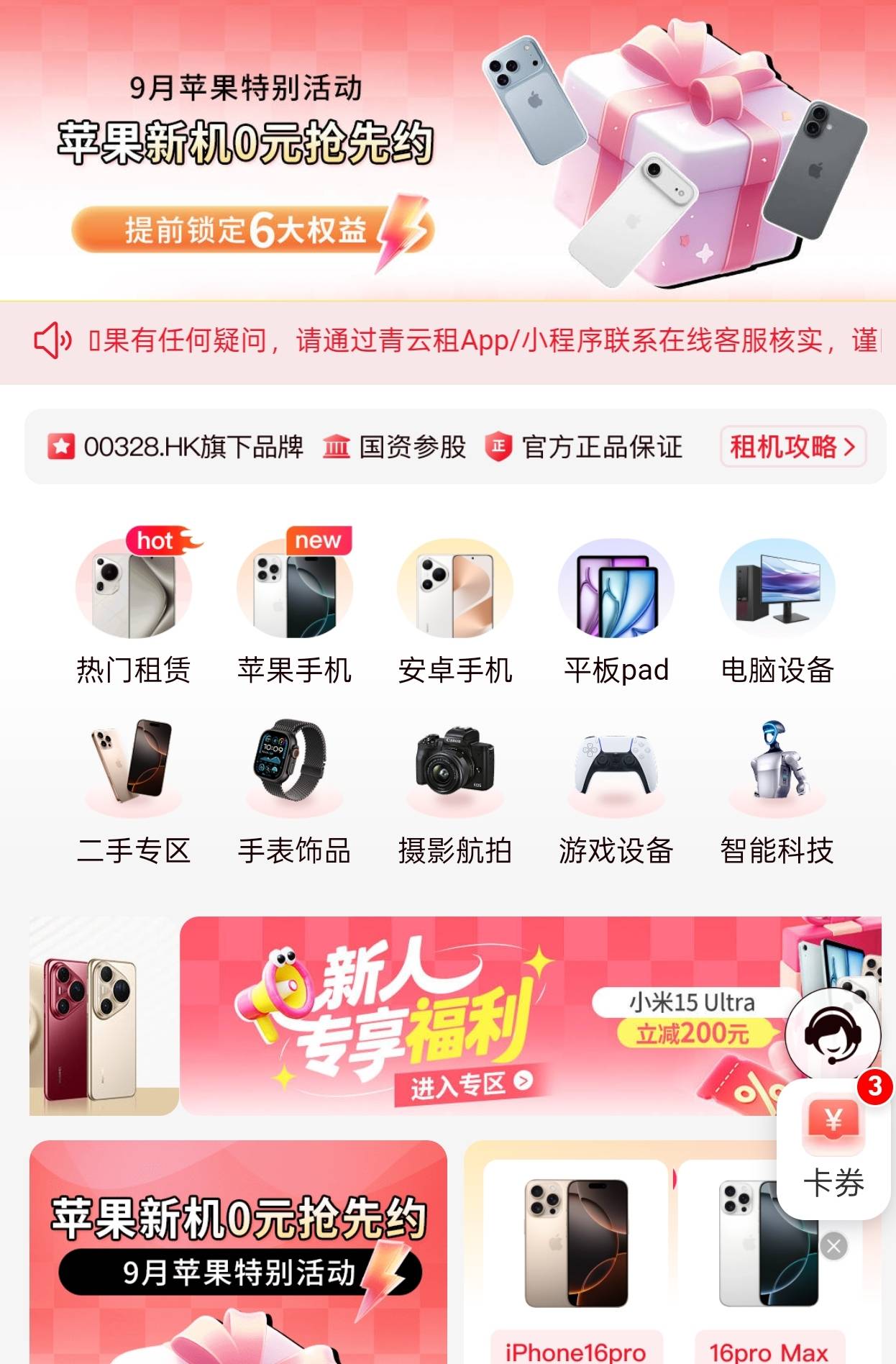
79元租一天手机,我踩到了连环坑
Hu Xiu· 2025-04-30 06:30
Group 1 - The mobile phone rental market in China has surpassed 20 billion yuan, with an annual growth rate exceeding 30%, and users aged 18-35 account for 70% of the market [3][33] - The rental economy is appealing to young consumers due to its low cost and the ability to "try before you buy," but it has also led to issues such as hidden fees and contract disputes [4][6][30] - Complaints regarding mobile phone rentals have surged, with 72% of complaints related to contract disputes, including unclear damage assessment standards [26][30] Group 2 - The rental model often leads to high costs for consumers, as businesses rely on penalties and buyout fees to recoup losses from low rental prices [32][33] - Many rental platforms use standardized contracts that heavily favor the business, leaving consumers with little room for negotiation [30][66] - The "no deposit" model, while lowering entry barriers, has also attracted users with poor credit, leading to potential exploitation [66][68] Group 3 - Users report experiences of being pressured into buying rented devices or facing high penalties for minor issues, indicating a predatory business model [38][40][41] - The rental process often lacks transparency, with users unaware of the true costs until after they have committed [42][60] - The presence of monitoring software on rented devices raises concerns about privacy and data security, as businesses can remotely lock devices and access personal information [70][72]
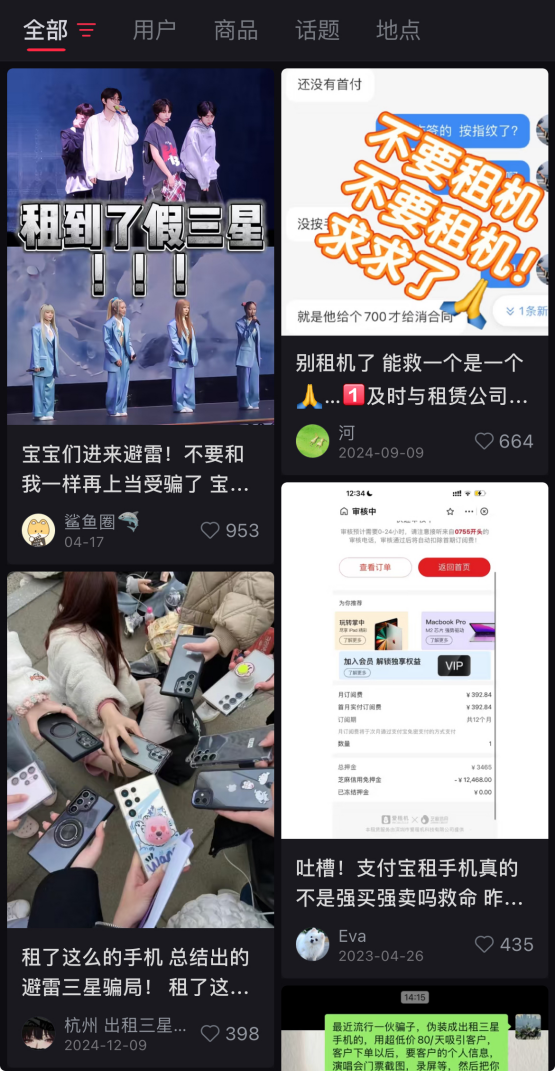
总台《财经调查》曝光手机租赁市场乱象!随意定价,还暗藏高利贷陷阱→
Sou Hu Cai Jing· 2025-04-13 12:16
Core Viewpoint - The mobile rental industry is rapidly growing in China, particularly among young consumers, but it faces significant consumer complaints regarding safety and pricing issues [1][3]. Group 1: Industry Overview - The mobile rental model, "rent instead of buy," has gained popularity, with platforms like "人人租" (Renrenzu) claiming to provide a comprehensive rental service with over 30,000 service points and over 10 million users [3]. - Despite the growth, many consumers report that the total cost of renting and subsequently buying a phone is significantly higher than market prices, leading to dissatisfaction [5][8]. Group 2: Pricing and Profitability - A specific case study revealed that renting a phone for a year and then buying it could cost consumers 12,798.1 yuan, which is approximately 1.27 times the official retail price of 9,999 yuan [8]. - The platform's regulations state that the total rental cost should not exceed 1.28 times the official price, but actual profits for merchants can reach 1.47 times the cost price [11]. Group 3: Quality Control and Consumer Protection - The platform claims to conduct thorough quality checks on rented devices, but reports indicate that no actual inspections are performed before shipping, leading to potential quality issues [13][17]. - Merchants have the discretion to set rental prices and conditions, often leading to inconsistencies and lack of standardization in the rental process [15][17]. Group 4: Consumer Risks and Legal Issues - The rental process often involves the installation of monitoring software on devices, which raises concerns about personal information security and potential misuse by merchants [19][20]. - A case highlighted the transformation of mobile rentals into high-interest loans, with annualized rates exceeding 400%, leading to significant financial distress for consumers [22][24]. - Law enforcement has begun to crack down on illegal lending practices disguised as mobile rentals, with recent cases resulting in criminal charges against platform operators [33].