
以租代买

Search documents
春晚点燃机器人租赁热潮 除夕当天京东“机器人租赁”搜索量环比增长3倍
Zhong Jin Zai Xian· 2026-02-17 03:37
Core Viewpoint - The rise of rental services for advanced technology, particularly smart robots and drones, has become a significant trend during the Chinese New Year, driven by consumer demand for low-cost, innovative experiences [1][4]. Group 1: Rental Market Growth - On New Year's Eve, the search volume for "robot rental" on JD.com increased threefold, indicating a surge in interest [1]. - From February 9 to the present, JD.com's self-operated rental orders in the 3C digital category rose by 130%, showcasing a strong demand for rental services [1]. - Categories such as drones and action cameras saw a 200% increase in order volume, while gaming laptops experienced a tenfold increase [1]. Group 2: Popular Rental Products - Smart robots and robotic dogs have become the top rental choices during the Spring Festival, serving various roles in family and social settings [4]. - Popular rental models include the Yushu Go2-Pro and Yushu U1 humanoid robot, with daily rental prices starting as low as 78 yuan [4]. - Photography equipment rentals, such as the DJI Neo2 and Insta360 GO Ultra, are in high demand for capturing festive moments, with daily rentals starting at 16 yuan [4]. Group 3: Diverse Rental Offerings - Users are also renting gaming laptops, 3D printers, smartphones, and smart glasses, enhancing their holiday experiences [6][7]. - Gaming laptops like the ROG Gun God 9 are available for daily rental starting at 82 yuan, catering to young people returning home [6]. - High-end smartphones and smart glasses are offered at competitive rental prices, enhancing social interactions during the holiday [7]. Group 4: Service Features - JD.com's rental service provides official product guarantees, no deposit rentals, free pick-up and delivery, and insurance, ensuring a hassle-free experience for users [10]. - Ongoing promotional activities include rewards and opportunities for zero-cost rentals, encouraging more consumers to try out these services [12].



青年早新闻|俄外交部:俄美不再受《新削减战略武器条约》任何义务约束
Zhong Guo Qing Nian Bao· 2026-02-05 01:13
Group 1 - The Central Bank of China emphasizes the need to support key areas such as expanding domestic demand, technology innovation, and small and micro enterprises in the 2026 credit market work [3][5] - The National Healthcare Security Administration is conducting collective interviews with heads of mental health insurance designated medical institutions to strengthen management and combat illegal use of insurance funds [5][6] - The Ministry of Commerce expresses strong dissatisfaction with the European Commission's investigation into Chinese wind power companies under the Foreign Subsidies Regulation, highlighting concerns over discrimination and protectionism [6][10] Group 2 - The recent forest fire in Baiyu County, Ganzi Prefecture, Sichuan, has prompted a level three emergency response, mobilizing over 500 personnel and various firefighting equipment [7][8] - The Chinese railway system has sold over 100 million tickets during the Spring Festival travel period, with significant passenger flow expected in major cities [10][12] - The upcoming Milan Winter Olympics will feature Chinese athletes Ning Zhongyan and Zhang Chutong as flag bearers for the Chinese delegation [12][14]

“以租代买”让消费者选择更多 专家:具有更高性价比
Zhong Guo Qing Nian Bao· 2026-02-05 00:41
Core Insights - The article highlights the growing trend of "renting instead of buying" among young consumers in China, with nearly 80% of surveyed youths having experience in this consumption model [1][4]. Group 1: Renting Preferences - Digital devices (42.5%) and outdoor equipment (38.9%) are the most commonly rented items among young consumers [2][4]. - Other popular categories include cultural items (29.9%), tools (29.1%), fashion items (26.9%), and household goods (20.2%) [2]. Group 2: Reasons for Renting - 54.1% of respondents indicated low-frequency use as a reason for renting rather than buying [4]. - Additional motivations include supporting a circular economy (36.9%), the desire for temporary ownership (33.9%), and the wish to use the latest products without accumulating outdated items (30.4%) [4]. Group 3: Consumer Behavior Changes - The shift in consumer behavior reflects a more mature and pragmatic attitude among young people, moving from a binary mindset of ownership to a more rational decision-making process [2][4]. - The rental economy allows for greater flexibility and cost-effectiveness, particularly for high-cost items like wedding dresses and sports equipment [3][4].
投诉缠身、央视曝光,“人人租”冲击港股IPO
Shen Zhen Shang Bao· 2026-01-29 07:11
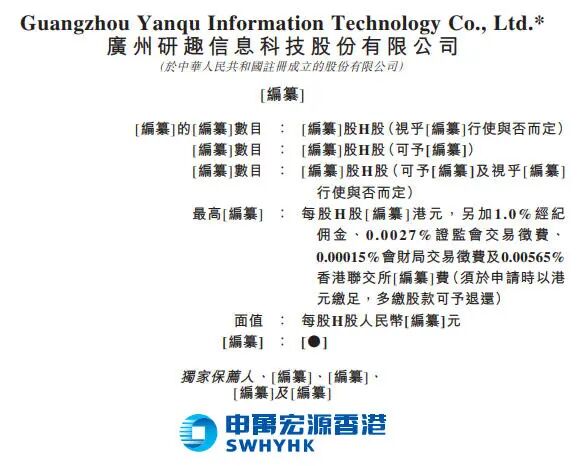
Core Viewpoint - The company "Yuanrenzu" (人人租), under Guangzhou Yanqu Information Technology Co., Ltd., has submitted its application for listing on the Hong Kong Stock Exchange, with Shenwan Hongyuan Hong Kong acting as the sole sponsor [1]. Financial Performance - The "Yuanrenzu" platform, launched in 2016, has become a leading comprehensive online rental service platform in China, with a projected Gross Transaction Value (GTV) of 7.5 billion RMB in 2024 and 5.7 billion RMB for the nine months ending September 30, 2025 [3]. - Revenue is expected to grow from 294 million RMB in 2023 to 421 million RMB in 2024, reflecting a year-on-year increase of 43.2%. However, revenue growth is projected to slow to 18.9% in the first three quarters of 2025, with revenue reaching 356 million RMB [3]. - Net profit figures show a decline in growth, with net profits of 79.64 million RMB in 2023, 119 million RMB in 2024, and 89.04 million RMB in the first three quarters of 2025, indicating a mere 0.2% increase year-on-year for 2025 [3][4]. Cost Structure - The company has seen a rise in sales and marketing expenses, which accounted for 33.2%, 39.4%, and 42.5% of revenue for the years ending December 31, 2023, and 2024, and for the nine months ending September 30, 2025, respectively [5]. - The overall gross profit margin has remained above 80%, reaching 82.9% by the end of September 2025 [5]. Market Position and Growth - The "Yuanrenzu" platform operates under a "rent instead of buy" model, which aligns with consumer demand for temporary use and experience of digital products, contributing to the rapid growth of the digital product rental industry [9]. - The company has raised significant funding over the years, including 8 million RMB in Pre-A round financing in 2016, several rounds of financing from major investors like Ant Group, and a recent D1 round financing of several hundred million RMB in 2025 [7]. Regulatory and Compliance Issues - The company has faced scrutiny for its business practices, including allegations of consumer traps and improper handling of personal information, leading to a significant number of complaints [11][13].
无人机租赁在成都火了
Xin Lang Cai Jing· 2026-01-18 17:25
Core Insights - The drone rental market in Chengdu is experiencing significant growth, driven by changing consumer attitudes and decreasing technology costs, with "renting instead of buying" becoming a popular choice for both individuals and businesses [3][4]. Group 1: Market Trends - The rental model allows consumers to access high-cost equipment like drones for a fraction of the purchase price, exemplified by a DJI drone that costs 15,000 yuan to buy but can be rented for 800 yuan for three days [3][4]. - The demand for rentals has surged, with some rental shops reporting a threefold increase in orders since January, particularly for popular tourist destinations [4]. - The rental market is expanding beyond drones to include robots, with a notable increase in demand for both high-end custom solutions and affordable options for consumers [4]. Group 2: Industry Ecosystem - Chengdu is establishing itself as a key hub for smart equipment, with local companies like Yuefan Innovation contributing to a comprehensive product matrix across various sectors [5]. - National platforms are also entering the Chengdu market, such as "Qingtian Rent," which integrates numerous service providers and offers a wide range of rental prices [5]. - The 3C digital product rental market in Chengdu is projected to reach 26.91 billion yuan by 2024, with a significant portion of young consumers preferring rental options [5]. Group 3: Future Outlook - The rental model is expected to drive industrial upgrades, with businesses increasingly seeking customized robotic solutions to reduce labor costs [6]. - The effective usage time of rental robots is increasing, indicating a shift from mere novelty to practical application in production processes [6]. - The rental economy in Chengdu is evolving from consumer-focused to production-oriented, providing ongoing momentum for the city's economic development [6].

从租房、租车到“万物皆可租” 不占有只享用,“以租代买”受年轻人青睐!
Jing Ji Wang· 2026-01-15 02:49
Group 1 - The core idea of the articles highlights the rising trend of "renting instead of buying," which is increasingly favored by young consumers who prioritize usage over ownership [1][2] - The rental market has expanded to various categories, including housing, vehicles, and even items like drones and cameras, reflecting a shift in consumer behavior towards flexible and high-quality experiences [1][2] - The Chinese government, through a notice issued by the Ministry of Commerce and other departments, supports the development of green rental services, promoting shared consumption models that align with circular economy principles [2] Group 2 - Consumers now have access to a diverse range of rental services, including online platforms and physical stores, with innovations like self-service rental kiosks for cameras and drones emerging in urban areas [2] - Despite the growth of the rental economy, there are significant challenges that need to be addressed, such as product quality issues, delayed deliveries, and disputes over deposits, which have been reported by consumers [2] - Experts suggest that platforms should take responsibility by establishing clear merchant entry rules and enhancing credit management systems to ensure a healthy industry ecosystem [2]
年轻人爱上“租经济”丨生活中的经济学
Xin Lang Cai Jing· 2026-01-11 05:54
Group 1 - The core viewpoint is that the "rent instead of buy" consumption model is gaining popularity among young consumers, reflecting a shift in their consumption values towards flexibility and experience [1][2][4] - The car rental market has seen a significant increase in bookings, with over 40% of users confirming their rental plans a month in advance, and a notable rise in orders for new energy vehicles, indicating a shift in consumer preferences [1][2] - The rental market for high-value items like cameras and drones is thriving, with daily rental prices ranging from tens to hundreds of yuan, allowing consumers to save on upfront costs and avoid depreciation risks [2][3] Group 2 - Young consumers are increasingly making rational purchasing decisions, focusing on the actual usage value of products rather than ownership, which is evident in their preference for renting high-cost, low-frequency-use items [2][3] - The development of a credit system is supporting the rental economy, with third-party credit agencies establishing new credit rules that allow for credit-based rentals instead of traditional deposits [2][3] - The rental economy faces challenges such as balancing credit risk and managing residual value, as well as the need for a standardized residual value assessment system [3]
深夜潜入快递点“拿”走自己下单的快递,一男子被批捕
Xin Lang Cai Jing· 2026-01-05 06:22
Core Viewpoint - The case highlights the legal implications of the "rent-to-own" shopping model, emphasizing that consumers do not gain ownership of goods until all contractual obligations are fulfilled, and any attempt to unlawfully take possession of goods constitutes theft [1][2]. Group 1: Legal Framework and Implications - The accused, Chen, utilized a "rent-to-own" model to acquire a mobile phone, paying only a deposit of 100 yuan, which does not confer ownership until full payment is made [1][2]. - Chen's actions of taking the phone without paying the rental fee and subsequently stealing it demonstrate a clear intent to unlawfully possess someone else's property [2]. - The mobile phone's value was assessed at 7500 yuan, qualifying the theft as "large amount" under criminal law, leading to formal charges against Chen [2]. Group 2: Consumer Awareness and Legal Consequences - The case serves as a reminder for consumers to understand the distinction between placing an order and owning the item, particularly in new consumption models [2]. - Legal authorities stress that the rapid growth of e-commerce and rental models does not exempt consumers from legal responsibilities, and any exploitation of loopholes will result in legal repercussions [2].
共享出行新战事:哈啰、大鹿入局电动车租赁
3 6 Ke· 2025-11-14 07:43
Core Insights - The article discusses the entry of major players in the electric vehicle (EV) rental market in China, specifically focusing on Hello's "Xiao Bei" rental service and Dalu's rental service, indicating a shift from bike-sharing to EV rentals as a new growth area in the shared mobility sector [1][19]. Company Developments - Hello has launched its EV rental service "Xiao Bei" in major cities across China, while Dalu is piloting its service in Dongguan, Huizhou, and Shenzhen [3][6]. - Xiao Bei offers a more mature service model compared to Dalu, having evolved from a bike rental service to a dedicated EV rental service with over 2,000 rental points [7][8]. - Dalu's rental model includes features like no deposit and insurance, with a focus on various rental scenarios such as apartments and tourist spots [10][14]. Business Models - Both companies target urban short-distance travel needs, with a focus on commuting and daily transportation, capitalizing on the growing demand for dedicated mobility solutions in congested cities [6][15]. - Xiao Bei's model includes self-operated and franchise rental options, while Dalu relies on a franchise model to expand its rental points [15][19]. - Xiao Bei provides flexible rental periods and home delivery services, while Dalu offers a straightforward rental process through its app [10][14]. Market Trends - The demand for EV rentals is driven by cost-effectiveness compared to purchasing vehicles, especially for C-end users who face high upfront costs and ongoing maintenance [16][17]. - The rise of delivery riders, with over 13 million expected by 2025, has significantly increased the demand for rental EVs, with 40% of riders opting for rentals [17][18]. - The market for EV rentals is projected to grow significantly, with estimates suggesting it could reach several billion dollars by 2024 [18]. Competitive Landscape - The entry of major players like Hello and Dalu is accelerating competition in the EV rental market, shifting the focus from price competition to service quality and network density [19][20]. - Smaller rental businesses may struggle to compete against larger platforms that can leverage economies of scale and established user bases [20][21]. - The future of the EV rental market may see a bifurcation between large platforms focusing on scale and smaller players offering niche services [21].

瞭望 | 规范引导万物可租新业态
Sou Hu Cai Jing· 2025-10-21 03:41
Core Insights - The rental economy in China is experiencing significant growth, with a projected transaction scale exceeding 4.2 trillion yuan in 2024, representing a 32% year-on-year increase and serving over 750 million users [1] - The shift from ownership to sharing reflects a new consumer philosophy that emphasizes cost-effectiveness, trial experiences, and green consumption [1] - However, the rapid growth of the rental economy is accompanied by challenges such as information asymmetry and weak consumer rights awareness, leading to issues like counterfeit goods, contract traps, and privacy concerns [1] Industry Challenges - The lack of comprehensive laws, regulations, and industry standards for the rental economy is a significant issue, necessitating improved regulatory mechanisms for transaction processes [1] - There is a need for relevant authorities to expedite the establishment of clear responsibilities and rights among platforms, lessors, and consumers, particularly in high-dispute areas like damage assessment and information leakage [2] - Platforms should enhance their responsibilities by improving credit evaluation systems, standardizing offline item delivery, and ensuring user fund security [2] Recommendations for Improvement - Lessors are encouraged to invest more in product quality inspection and maintenance, moving away from short-term speculative thinking [2] - Consumers should enhance their risk awareness and ability to identify legitimate platforms, promoting a culture of honest rental consumption [2] - Addressing these challenges and optimizing service offerings will contribute to a more stable and vibrant rental economy, ultimately stimulating consumer activity [2]