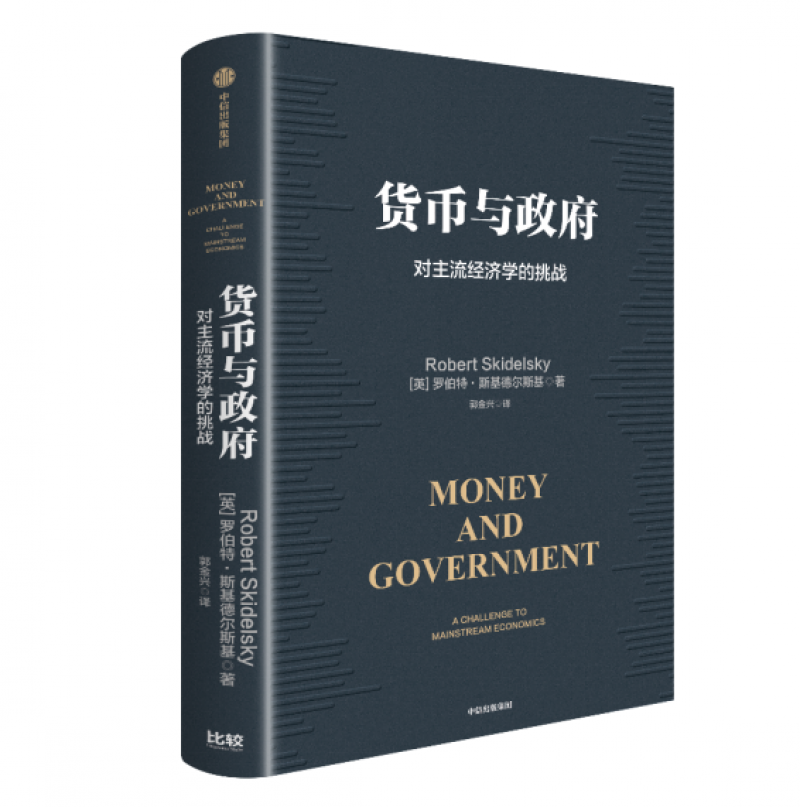
经济学研究

Search documents
选择的世界
Hua Xia Shi Bao· 2025-08-15 16:29
Core Insights - The article discusses the concept of "economic imperialism," where economic theories and methods are applied to various aspects of human behavior and social sciences, highlighting the broad applicability of economics beyond traditional financial topics [2][16][24] Group 1: Economic Theories and Human Behavior - Economics is fundamentally about making choices under constraints, which applies to many decision-making scenarios in life [2][9] - The article presents anecdotes illustrating how economists perceive the world differently, often focusing on the rationality of choices and the unexpected outcomes of those choices [3][4][5] - The stories shared demonstrate how economic reasoning can lead to unconventional solutions to everyday problems, emphasizing the importance of understanding incentives and choices [6][8][12] Group 2: Application of Economic Principles - Economic principles extend to various fields, including political science, sociology, and psychology, showcasing the versatility of economic analysis [17][24] - The article emphasizes that economics is not limited to financial transactions but encompasses a wide range of human behaviors, such as marriage, parenting, and even criminal activity [10][18] - The discussion includes the idea that understanding self-interest can lead to positive societal outcomes, as seen in the "invisible hand" theory proposed by Adam Smith [14][23] Group 3: Broader Implications of Economic Choices - The article argues that the choices individuals make can have complex interactions and consequences, affecting not only personal outcomes but also broader societal dynamics [12][19] - It highlights the importance of recognizing the dual nature of self-interest, which can manifest in both constructive and destructive ways [15][21] - The text concludes that a proper understanding of economics can lead to valuable insights into human behavior and societal structures, encouraging a more nuanced view of economic interactions [24][25]

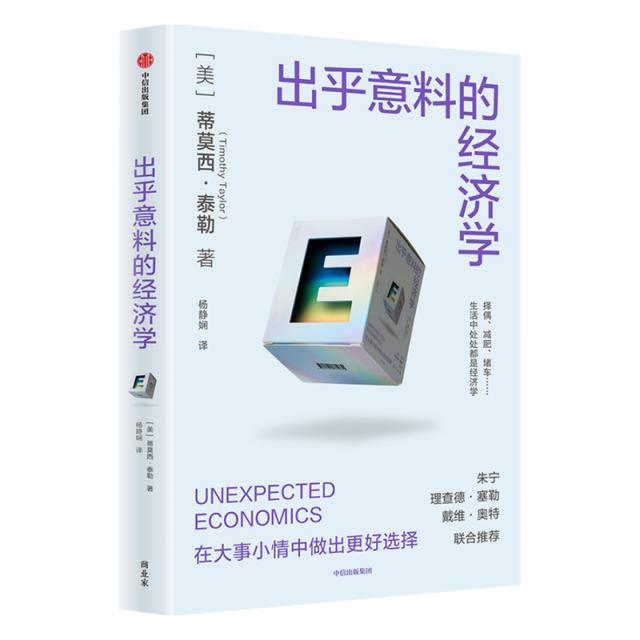
货币与政府:如何应对不确定性
Hua Xia Shi Bao· 2025-05-29 00:46
Group 1 - The article discusses the limitations of economics as a social science, emphasizing that economic theories cannot be permanently validated or invalidated due to the changing nature of human behavior and societal ideas [2][3] - Keynesian economics, which emerged during the Great Depression, highlighted the role of government in stabilizing the economy and addressing issues like insufficient effective demand and unemployment [3][4] - The rise of neoliberalism in the 1970s challenged Keynesian principles, attributing economic stagnation to government intervention rather than market failure, yet Keynesian policies remain relevant during economic crises [4][8] Group 2 - The concept of uncertainty is central to Keynes's theory, influencing his views on money and government as tools to manage economic unpredictability [5][6] - Keynesian policies are particularly effective in addressing liquidity preference traps, where individuals hoard cash during economic downturns, leading to insufficient demand [6][7] - Despite the decline of Keynesianism in the 1970s due to its inability to address stagflation, the theory's focus on short-term stabilization remains significant in guiding macroeconomic policy during crises [8][9]