
茶

Search documents
攀升673%!港股IPO火了
中国基金报· 2025-06-20 04:35
Group 1 - Deloitte predicts that in the first half of 2025, the Hong Kong IPO market will see 40 new listings raising a total of HKD 1,021 million, a 673% increase compared to HKD 132 million from 30 listings in the same period last year [1] - The financing amount in the first half of 2025 is expected to be approximately 25% from four large A+H listings and one H-share listing [1] - There are currently over 170 IPO applications being processed in Hong Kong, with five companies potentially raising at least USD 1 billion each [1] Group 2 - For the A-share market, Deloitte forecasts 50 new listings in the first half of 2025, raising a total of RMB 371 million, which is a 14% increase in both the number of new listings and total financing compared to RMB 325 million from 44 listings in the same period last year [2] - The Shanghai Stock Exchange is expected to host 19 new listings raising RMB 202 million, while the Shenzhen Stock Exchange will have 26 new listings raising RMB 150 million, and the Beijing Stock Exchange will see 5 new listings raising RMB 19 million [2] - In the first half of 2025, 36 Chinese companies are projected to list in the U.S., raising a total of USD 86.9 million, marking a 57% increase in the number of new listings and a 28% increase in financing compared to 23 listings raising USD 67.7 million in the same period last year [2]


小罐茶分销网点突破5000家
Sou Hu Cai Jing· 2025-06-17 05:34
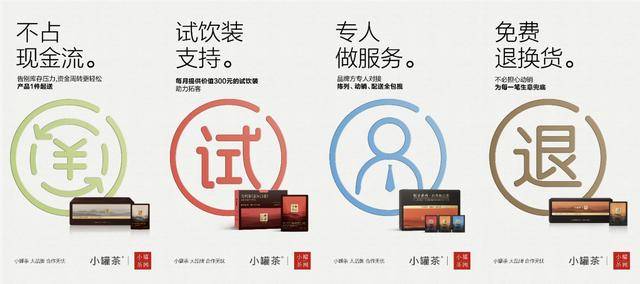
Group 1 - The tea industry is experiencing changes in channel models due to diversified consumption scenarios and the upgrade of new retail, with the modern Chinese tea brand, Xiaoguan Tea, exploring a new distribution strategy through cross-industry collaboration with high-frequency scenarios like tobacco and alcohol [1] - Xiaoguan Tea has established over 5,000 distribution points in tobacco and alcohol channels, covering 95 cities and municipalities across various provinces including Jiangsu, Zhejiang, Shanghai, and Guangdong [1] - The new channel model proposed by Xiaoguan Tea includes "1 strong empowerment platform + N types of specialty stores + X types of distribution channels," aiming to embed products into high-frequency consumption scenarios, creating a virtuous cycle of "front-end traffic and back-end profitability" [2] Group 2 - The traditional tea industry must expand consumption scenarios and channels in a multi-dimensional way to meet diverse consumer demands, as stated by food industry analyst Zhu Danpeng [2] - Xiaoguan Tea's channel upgrade is seen as a model for the entire industry to reconstruct channel value, breaking the boundaries of traditional tea categories and transforming them into modern lifestyle solutions [2] - The brand's unique "consumer goods gene" allows it to focus on user needs and scenario-based approaches, enhancing channel competitiveness through standardized products and a comprehensive category matrix [2] Group 3 - Xiaoguan Tea's expansion from 5,000 distribution points to a blueprint targeting millions of terminals demonstrates the commercial value of "scenario complementarity," providing new growth points for its original leaf tea business [4] - The entry of tea brands into collective public channels signifies a shift in the tea industry from a "single track" to "ecological integration," potentially bringing original leaf tea brands into the circulation field and offering new ideas for cross-industry integration and channel upgrades for fast-moving consumer goods [4]
这群海南年轻人“玩转”文博会
Hai Nan Ri Bao· 2025-05-25 01:33
Group 1: Cultural Industry Innovation - The article highlights the innovative contributions of young individuals in the cultural industry during the 21st China (Shenzhen) International Cultural Industry Expo, showcasing their unique perspectives and practices [2][3]. - Young artisans, such as Liu Junjun, are integrating traditional craftsmanship with modern elements, like comic styles, to appeal to younger audiences while preserving cultural heritage [3]. - The event serves as a platform for these young talents to demonstrate how they are revitalizing traditional crafts and creating new cultural symbols that resonate with contemporary society [6]. Group 2: Tea and Coffee Industry Development - The article discusses the efforts of young tea farmers like Dong Guohao, who are working to enhance the quality and branding of Hainan red tea through innovative processing techniques [4][5]. - Dong Guohao's approach includes a "couple's partnership" model for marketing, utilizing live streaming to promote tea alongside cultural elements, thereby creating a "culture + consumption" synergy [5]. - In the coffee sector, young researchers like Li Tong are developing unique products such as "coconut-flavored coffee" by experimenting with local ingredients, aiming to improve flavor profiles and reduce bitterness [6]. - The research team is also exploring tropical fruit-flavored coffee and other innovative products, contributing to a diverse product line that appeals to younger consumers [6].