
零售地产

Search documents
从“印尼九条龙”手里抢肉,中国出海者还剩多少机会?
Hu Xiu· 2025-05-16 01:50
Core Viewpoint - The article discusses the complexities and challenges faced by Chinese businesses entering the Indonesian market, emphasizing the need for collaboration with local Chinese entrepreneurs and understanding the competitive landscape dominated by established local players [1][2][3][4][5]. Group 1: Market Dynamics - Indonesia is seen as a land of opportunity where many have made money but few have returned with substantial gains, highlighting the importance of strategic timing and risk management [2][3]. - The local Chinese community has a complicated relationship with new Chinese entrants, as they feel threatened by the competition for market share [4][5]. - The "Nine Dragons" concept refers to nine influential Chinese business tycoons who dominate key industries in Indonesia, indicating a significant barrier to entry for newcomers [8][10]. Group 2: Key Players and Market Control - Salim Group's Indomie instant noodles hold over 60% market share, with 99.4% of urban consumers consuming at least three packs monthly, showcasing the stronghold of established brands [12]. - Lippo Group operates the largest retail real estate development in Indonesia, with over 22 shopping centers and a yearly foot traffic of approximately 119.6 million visitors, indicating the scale of established operations [12]. - Indomaret and Alfamart, two major convenience store chains, control over 80% of the market, further illustrating the dominance of local players in the retail sector [13]. Group 3: Strategies for Entry - New entrants are advised to collaborate with established local businesses to navigate the competitive landscape effectively, as direct competition may be challenging [7][14]. - The cultural affinity and trust among the Chinese community in Indonesia can facilitate partnerships, making collaboration a viable strategy for new entrants [14][15]. - Understanding the unique socio-economic dynamics of Indonesia, including its diverse population and regional disparities, is crucial for successful market entry [16][17].

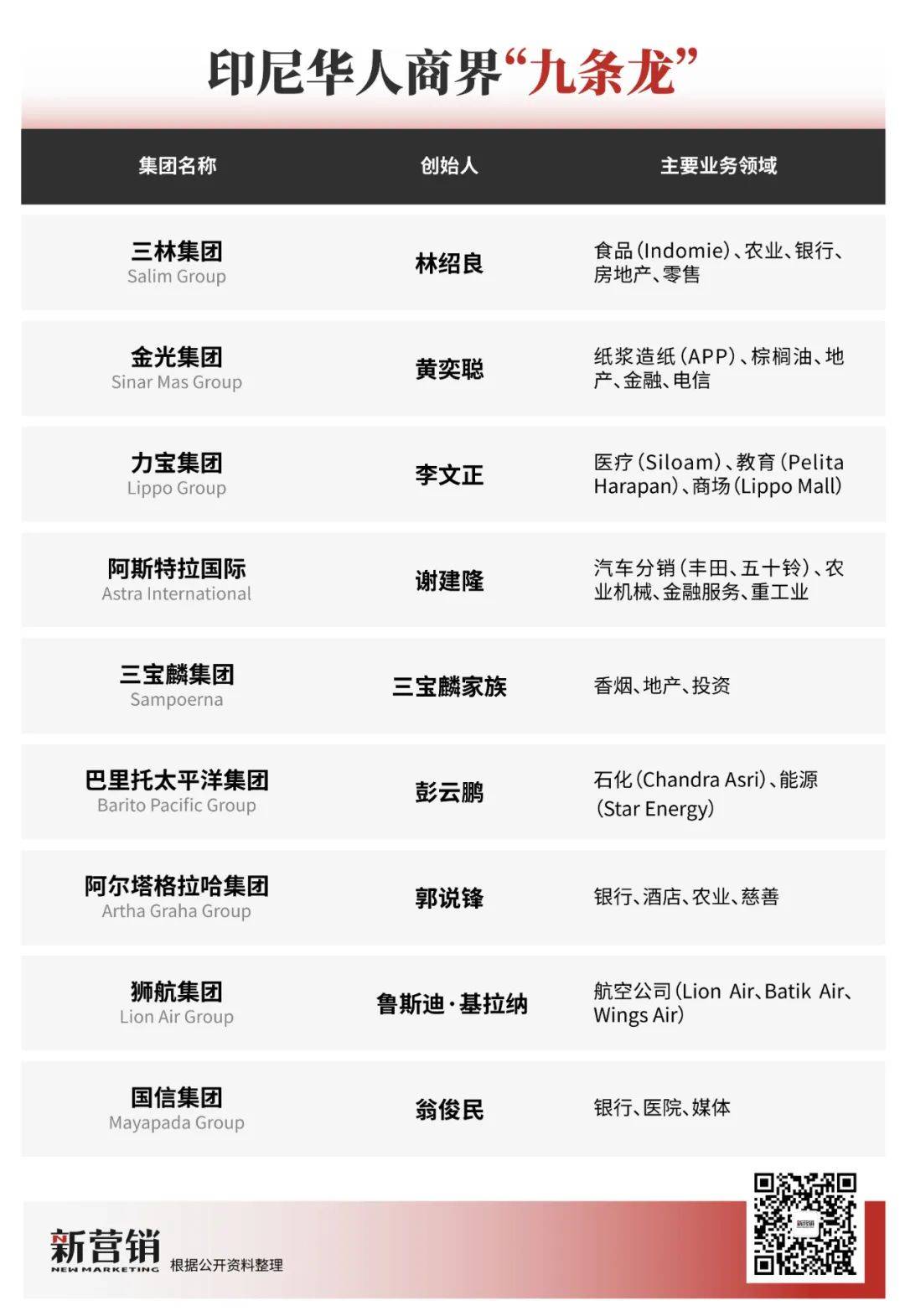
中国品牌在印尼,越不过“九条龙”
阿尔法工场研究院· 2025-05-12 12:47
Core Viewpoint - The article discusses the opportunities and challenges for Chinese companies entering the Indonesian market, emphasizing the unique characteristics of the market and the importance of understanding local dynamics and competition [2]. Group 1: Market Dynamics - The Indonesian market is characterized by a significant potential for growth, particularly as the GDP per capita approaches $10,000, which indicates a transition to a "middle-upper income" stage [4]. - The consumption patterns in Indonesia are similar to those in China during its early economic development, with a strong demand for various consumer goods and services [4]. - The rise of the middle class in Indonesia is leading to a diversification of consumption, with sectors such as healthcare, entertainment, education, automotive, and tourism becoming new engines of domestic demand [4]. Group 2: Competitive Landscape - The presence of established competitors in Indonesia poses a challenge for new entrants, but there are still opportunities due to the relatively low density of retail outlets compared to China [6]. - The article highlights the "Nine Dragons," a term used to describe nine influential Chinese business tycoons in Indonesia who dominate key industries, indicating a competitive landscape that is difficult to penetrate without local partnerships [11]. - Major local players, such as the Salim Group and Lippo Group, have significant market shares in sectors like instant noodles and retail, making collaboration with these entities essential for success [11][12]. Group 3: Cultural and Historical Context - The article emphasizes the historical context of Chinese businesses in Indonesia, noting the complex relationships between local Chinese and Indonesian communities, which can impact market entry strategies [9]. - The older generation of Chinese entrepreneurs in Indonesia has experienced both success and setbacks, providing valuable insights for newcomers about the importance of timing and strategy in the market [9][10]. - There is a call for newer generations of Chinese entrepreneurs to engage with local businesses and learn from their experiences to navigate the market effectively [10]. Group 4: Strategic Recommendations - New entrants are advised to consider partnerships with established local businesses to mitigate risks and enhance market entry strategies [11][12]. - The importance of understanding local consumer behavior and preferences is highlighted, as Indonesian consumers tend to have a strong desire for consumption, often willing to take loans for purchases [6]. - The article suggests that rapid expansion in key urban areas is crucial for establishing a foothold in the Indonesian market, with a focus on first and second-tier cities [6][7].

调研150个家办后发现:大家热衷于地产投资,尤其是豪宅
Hu Xiu· 2025-05-12 05:39
Group 1 - The core viewpoint of the report is that family offices are increasingly favoring real estate investments due to its growth potential and wealth preservation capabilities [1][2] - Real estate constitutes a significant portion of family office investment portfolios, ranking just behind stocks and cash, with office buildings (20%), luxury residences (17%), industrial properties (14%), and hotels (12%) being the most allocated sectors [2][3] - Approximately 70% of real estate investments are domestic, with New Zealand (93%), Australia (90%), and the United States (86%) showing the highest domestic investment focus [2] Group 2 - Family offices view real estate as part of a broader investment strategy, balancing it with listed stocks, venture capital, or other private investments, and some see it as a strategic asset for core business operations [3] - Two-thirds of family offices manage private residential properties, primarily for family use and inheritance (44%), capital preservation (29%), and diversification (20%), with rental income being a lesser priority [5] - The most sought-after real estate sectors by family offices include living spaces (14%), industrial/logistics (13%), and luxury residences (12%) [7] Group 3 - Family offices express interest in expanding their real estate investments, particularly in living spaces, logistics, luxury residences, and hotels, but face challenges such as finding reliable partners (23%), tax regulations (20%), and asset competition (19%) [8] - In commercial real estate, opportunities are identified in gateway city office buildings, which are seen as volatility hedges, especially in light of increasing geopolitical risks [10][11] - Investors are also focusing on sectors with structural tailwinds, such as logistics and living spaces, while retail real estate in developed markets remains a point of interest [12][13] Group 4 - The report highlights a growing interest in ESG assets, with 90% of institutional investors setting social goals, and 73% focusing on workplace well-being [14][16] - The wine industry presents investment opportunities, particularly in vineyards, with prices in certain regions expected to decline significantly, while others remain stable [17][18] - The luxury goods market is experiencing mixed performance, with some sectors showing growth while others, like art and wine, are facing declines [22][24] Group 5 - The issue of inheritance is pressing, with 58% of family offices indicating that the next generation is involved in investment decisions, leading to changes in investment strategies [27][28] - Cultural and moral differences between generations affect investment strategies, with a notable shift towards sustainable investments among millennials compared to baby boomers [29]