Automobile

Search documents
跻身国际科技创新中心行列
Xin Lang Cai Jing· 2026-02-08 00:58
Core Insights - Anhui Province has successfully achieved the main goals of the "14th Five-Year Plan," with its economic total reaching 5.3 trillion yuan, marking a significant improvement in its development position [1] Group 1: Economic Development - Anhui's economic total has crossed two trillion yuan milestones, reaching 5.3 trillion yuan, indicating a notable enhancement in its economic status [1] - The province's industrial revenue has risen to the 5th position nationally, with emerging industries accounting for 45.4% of the industrial output [1] Group 2: Technological Innovation - Anhui has entered the ranks of international technology innovation centers, with significant achievements in the construction of the Hefei Comprehensive National Science Center [1] - The province's regional innovation capability remains among the top in the country, supported by a deep integration of government, industry, academia, research, finance, and services [1] Group 3: Automotive Industry - The automotive industry in Anhui has transitioned from a follower to a leader, with both total and new energy vehicle production ranking first in the country [1] - In the previous year, Anhui produced 3.686 million vehicles, averaging over 10,000 vehicles per day, with nearly half being new energy vehicles [1] - The revenue of the automotive industry chain in Anhui has surpassed 1.8 trillion yuan, with all 16 cities exceeding 10 billion yuan in revenue [1] Group 4: Future Development Directions - Anhui plans to promote deep integration of technological and industrial innovation, focusing on ten emerging industries, ten future industries, eight traditional advantageous industries, and eight modern service industries [2] - The province aims to implement a series of projects and actions to strengthen the industrial technology foundation for achieving modernization [2]
音频 | 格隆汇2.6盘前要点—港A美股你需要关注的大事都在这
Ge Long Hui A P P· 2026-02-05 23:12
Group 1 - U.S. stock indices fell over 1.2%, with AMD and Qualcomm dropping more than 8%, while the Chinese concept index rose by 0.9% [1] - Bitcoin dropped below $65,000 [1] - Silver prices plummeted by 19.5%, and gold fell by 4% [1] - U.S. crude oil futures closed down over 2.8%, at $63.29 per barrel [1] - UBS and Goldman Sachs warned about volatility and liquidity issues in the silver market [1] - HP and Dell are reportedly researching the use of mainland China's memory chips [1] - South Korean stocks fell by 3.86%, with foreign investors recording a record high net sell-off [1] - JPMorgan stated that strong demand from central banks could push gold prices to $6,300 per ounce by the end of 2026 [1] - In January, the number of layoffs by Challenger companies in the U.S. rose to 108,000, the highest for the same period since 2009 [1] - Nvidia delayed the release of new gaming chips due to a shortage of memory chips [1] - Amazon's stock dropped by 11% after hours, with expected annual capital expenditures of approximately $200 billion [1] Group 2 - Meituan plans to acquire Dingdong for $717 million [2] - Multiple foreign institutions continue to increase their investment willingness in China [2] - China Telecom and China Unicom have initiated trial commercial use of Beidou SMS [2] - AUX announced a price increase of 6%-10% for all central air conditioning products starting March 1 [2] - Hong Kong Stock Exchange reported that the amount raised from IPOs in January was HKD 39.3 billion, a year-on-year increase of 555% [2] - The silicon industry association indicated that the silicon wafer market is expected to remain stable due to adjustments in battery production and expectations of declining silicon prices [2] - NIO expects adjusted operating profit to be between 700 million and 1.2 billion yuan in Q4 2025 [2] - The Bank of England maintained its current policy as expected [2] - Muyuan Foods saw a 1.9% increase in dark trading, earning HKD 74 per lot [2] - Dazhu CNC experienced a 21.71% increase in dark trading, earning HKD 2,080 per lot [2] Group 3 - Hong Kong stocks of Zhuozheng Medical, Dazhu CNC, and Muyuan Foods were listed [3] - Significant accumulation of Tencent shares occurred, with southbound funds net buying a total of HKD 11 billion over four consecutive days [3] - Announcement highlights include Revotek planning a 1 billion yuan investment in a synthetic biology manufacturing project in Xinjiang, and GCL-Poly has not yet received relevant orders in the "space photovoltaic" sector [3] - In A-shares, Beiliang's major shareholder Ma Xuejun is under investigation by the CSRC for alleged market manipulation [3]




America's 50 most iconic brands, from Main Street to Silicon Valley
Yahoo Finance· 2026-02-02 17:43
Core Insights - The article highlights the significant American companies that have shaped the nation's identity and economy as it approaches its 250th birthday, emphasizing their cultural and historical impact rather than just financial metrics [1][2]. Group 1: Visa - Visa was established in 1958 as BankAmericard, launching the first consumer credit card in the U.S. [3][6] - The company rebranded as Visa in 1976 and went public in 2008, currently holding a market cap of $632 billion [4][6]. - Visa operates in over 220 countries and territories, accepted at more than 175 million merchants [7]. Group 2: Meta (Facebook) - Facebook was founded in 2004 by Mark Zuckerberg and quickly grew to 1 billion users by 2012, later rebranding to Meta in 2021 [9][13][14]. - The platform has faced controversies regarding user data and misinformation but remains a dominant social media service with over 3 billion regular users [15]. Group 3: Boeing - Boeing, established in 1916, is a leading aerospace company known for producing commercial jets and military aircraft [15][16]. - The company has faced challenges in recent years, including safety allegations and COVID-19 impacts, but continues to be a major player in the industry with a market cap of $185 billion [20][21]. Group 4: Tesla - Tesla was founded in 2003, with Elon Musk joining in 2004, and has become synonymous with electric vehicles, launching the Model 3 in 2017 as the best-selling electric car [23][27]. - The company has a market cap of $1.4 trillion and is recognized for driving electric vehicles into the mainstream [28]. Group 5: Patagonia - Patagonia was founded in 1973 by Yvon Chouinard, known for its commitment to sustainability and donating 1% of sales to environmental causes [30][33]. - The company has expanded from climbing gear to a wide range of outdoor apparel and is estimated to have a market cap of $3 billion [33]. Group 6: Intel - Intel was founded in 1968 and became a leader in semiconductor technology, introducing the first programmable microprocessor in 1971 [34][35]. - The company has maintained a significant market presence, controlling approximately 75% of the CPU market as of 2025 [38]. Group 7: HP - HP was established in 1939, initially focusing on sound equipment and later becoming a leader in personal computers and printers [40][42]. - The company split into HP Inc. and Hewlett Packard Enterprises in 2015, with HP Inc. having a market cap of $18 billion [45]. Group 8: Nike - Nike was founded in 1964 as Blue Ribbon Sports and rebranded in 1971, becoming a dominant player in the sportswear market with a 14% share in 2024 [46][50]. - The company gained fame through its endorsement deal with Michael Jordan, significantly boosting its brand recognition [48]. Group 9: Kodak - Kodak was founded in 1888 and became a pioneer in photography, introducing innovations like roll film and the first digital camera [51][54]. - The company filed for bankruptcy in 2012 and now focuses primarily on commercial printing and imaging [56]. Group 10: IBM - IBM was established in 1911 and became synonymous with computing, initially focusing on tabulating machines and later dominating the PC market [59][62]. - The company has shifted its focus to consulting, software, and cloud computing, with a market cap of $291 billion [67]. Group 11: Paramount Pictures - Paramount Pictures, founded in 1912, is recognized as the longest-operating major studio in Hollywood, producing numerous iconic films [68][70]. - The studio has undergone various mergers and continues to be a significant player in the entertainment industry with a market cap of $12 billion [74]. Group 12: Netflix - Netflix was founded in 1997 as a DVD rental service and transitioned to streaming in 2007, becoming a leader in the industry [77][80]. - The company has a market cap of $351 billion and announced plans to acquire Warner Bros. Discovery in 2025 [81]. Group 13: FedEx - FedEx was founded in 1971, revolutionizing overnight delivery with a centralized hub model [83][84]. - The company has introduced several innovations in the shipping industry and has a market cap of $74 billion [88]. Group 14: Motown - Motown Records, established in 1959, played a crucial role in integrating Black artists into mainstream pop music [91][92]. - The label produced numerous hits and helped launch the careers of many iconic artists, although it faded in prominence during the 1970s [94][96]. Group 15: PepsiCo - PepsiCo was formed in 1965 through the merger of the Pepsi-Cola Company and Frito-Lay, becoming a leading global food and beverage brand [99][100]. - The company is known for its innovative marketing strategies and has a significant rivalry with Coca-Cola [101]. Group 16: Levi Strauss - Levi Strauss, founded in 1853, is known for creating the first riveted blue jeans, which have become a cultural staple [104][106]. - The company continues to sell a wide range of apparel and remains a significant player in the fashion industry [106]. Group 17: Microsoft - Microsoft was founded in 1975 and became a leader in software development, particularly with its Windows operating system [109][110]. - The company has expanded into gaming, cloud services, and AI, with a market cap of $7.8 billion [112]. Group 18: The Home Depot - The Home Depot was established in 1978, focusing on providing a wide range of building supplies and home improvement products [115][116]. - The company has a strong commitment to community initiatives, particularly supporting veterans, and has a market cap of $3.2 trillion [118]. Group 19: WK Kellogg Company - WK Kellogg Company was formed from the original Kellogg's brand, known for its iconic cereals and snacks [121][123]. - The company underwent a reorganization in 2023, with its cereal business spun off into a new entity [123].
How Are Mag 7 Earnings Shaping Up?
ZACKS· 2026-01-31 01:12
Core Insights - The market reacted positively to Meta Platforms' quarterly results, while Microsoft and Tesla's December-quarter numbers disappointed investors [1] Group 1: Company Performance - Microsoft reported a +28.1% earnings growth and +16.7% revenue growth, exceeding estimates, but faced concerns over Azure's +38% revenue growth and underwhelming guidance [2][3] - Meta's Q4 earnings and revenues increased by +9.3% and +23.8%, respectively, but highlighted margin pressures; however, its effective use of AI in advertising improved click rates by +3.5% and conversion rates by +1% [4] - Meta plans to increase its capital expenditure to $135 billion for the year, up from $72 billion in 2025 and $39 billion in 2024, citing capacity constraints as a reason for the increase [5] Group 2: Market Trends - The Mag 7 group, which includes major tech companies, is projected to see Q4 earnings up +21.9% year-over-year with +18.1% higher revenues, although individual contributions vary significantly [7] - As of now, 167 S&P 500 members have reported Q4 results, showing a +13.1% increase in earnings year-over-year on +7.6% higher revenues, with 77.8% beating EPS estimates [9][19] - The Mag 7 group is expected to account for 25.2% of all S&P 500 earnings in 2025, up from 23.2% in 2024 and 18.3% in 2023, indicating a strengthening earnings outlook [14]






中国 - 情绪追踪:微观改善,宏观隐忧-China - Sentiment Tracker -Micro Fixes, Macro Slow Burn
2026-01-30 03:14
Summary of Key Points from the Conference Call Industry Overview - **Industry**: China Economic Outlook - **Context**: The call discusses the economic sentiment in China, focusing on provincial growth targets and housing market adjustments. Core Insights 1. **Provincial Growth Targets**: Provinces are adjusting their growth targets down to approximately 5% on average, a decrease from around 5.4% in the previous year, indicating a pragmatic approach to economic growth [1][2][4] 2. **National Target Implications**: A potential national target of 4.5-5% could facilitate economic rebalancing, allowing for a focus on quality over quantity in growth [1][4] 3. **Housing Market Adjustments**: The easing of the "three red lines" policy for developers suggests a shift in regulatory constraints, with cash inflow issues becoming a more pressing concern than previous debt ratios [2][4] 4. **Pragmatic Mindset**: The reduction in growth targets reflects a more practical mindset among provincial leaders, prioritizing sustainable growth over aggressive targets [4] 5. **Infrastructure and Consumption**: - Infrastructure spending is robust, with net government bond issuance reaching Rmb1.2 trillion, the highest for January on record [6] - However, consumer spending remains weak, particularly in passenger car sales, which have seen a significant decline [6][20] Additional Important Points 1. **Policy Direction**: Future policies are expected to focus on targeted demand-side measures in the housing market, including mortgage subsidies and easing purchase restrictions [5] 2. **Economic Fundamentals**: - Infrastructure activity is strong, with rebar shipments and cement demand showing positive trends [6] - Exports are stable, with container throughput indicating continued growth [6] 3. **Consumer Trends**: The decline in passenger car sales and home appliance sales suggests ongoing challenges in consumer confidence and spending [6][20] This summary encapsulates the key points discussed in the conference call, highlighting the current economic sentiment in China and the implications for various sectors.
快来钱塘赶一场热闹的新春年货大集
Mei Ri Shang Bao· 2026-01-29 22:17
Core Insights - The 2026 Qiantang Consumer Expo has officially launched the Qiantang Spring Consumption Season, featuring a variety of quality products including tech items, local specialties, and cross-border goods [1][2] - The event showcases well-known local brands such as Geely, Ford, Panasonic, and others, highlighting a complete industrial chain in Qiantang [1] - The expo aims to stimulate consumer spending through dual subsidies on home appliances and 3C products, enhancing the shopping experience for attendees [1] Group 1 - The Qiantang New Year Goods Expo runs until February 8, providing an engaging experience for citizens with opportunities to shop, play, and enjoy local delicacies [1] - The event includes a dedicated "BRICS Goods" consumption channel, featuring products from BRICS countries like Russian vodka and Ethiopian coffee beans, catering to diverse consumer needs [2] - Traditional cultural activities such as writing Spring Festival couplets and family photo sessions are integrated into the shopping experience, adding a unique touch to the event [2] Group 2 - In 2025, Qiantang aims to boost consumption through various initiatives, achieving a retail sales total of 50.5 billion yuan, a year-on-year increase of 13.1%, leading the province in growth [2] - The Qiantang District Commerce Bureau plans to implement a "three-year action plan" to stimulate consumption, focusing on issuing vouchers, hosting themed events, and supporting new consumption formats [2] - The goal is to ignite consumer enthusiasm and provide strong momentum for the local market, enhancing the overall economic environment [2]





X @Bloomberg
Bloomberg· 2026-01-28 12:25
Mercedes-Benz’s CEO turned down a Trump cabinet secretary’s attempt to lure the manufacturer’s headquarters to the US from Germany, where its roots date back to the invention of the automobile https://t.co/YiVKuhcQAH ...
X @Bloomberg
Bloomberg· 2026-01-28 08:52
Thailand’s automobile sales rose to a two-year high in 2025 as exponential growth in EV purchases drove demand https://t.co/BmGHmFTbGg ...
South Korea HAS NOT upheld its end of the trade deal: US trade representative
Youtube· 2026-01-28 04:30
Trade Relations with China and Canada - China plans to export approximately 50,000 cheap cars to Canada, which could potentially enter the US market under the USMCA agreement [2] - The US trade policy will impose hefty tariffs on these vehicles if they are of Chinese origin, with the president considering a 100% tariff [3][4] - The US has provisions in the USMCA that could allow for Canada to be excluded from the deal if it engages in a comprehensive trade agreement with China [5] Trade Deal between India and the European Union - The EU is seeking to establish a trade deal with India as a response to US trade policies that prioritize domestic production [7] - India is expected to benefit significantly from this deal, gaining more market access to Europe and potentially additional immigration rights for Indian workers [8] - The EU's need for alternative markets is highlighted by their dependency on trade, especially as they face challenges in exporting to the US [8] US-EU Trade Deal Update - A framework for a US-EU trade deal was agreed upon, which includes $600 billion in investment and a commitment to reduce tariffs on industrial goods to zero [12][13] - The European Parliament has paused the bill to lower tariffs, but discussions are ongoing, and there is optimism about passing the bill soon [14][15] - Despite some unresolved issues, the US has modified its tariffs for Europe, and there is a positive outlook for the trade deal's implementation [16] South Korea Trade Relations - South Korea has not fulfilled its commitments under a trade deal, leading to the imposition of additional tariffs by the US [17][18] - The US has reduced tariffs for South Korea from 25% to 15% as a gesture of goodwill, but South Korea has not executed its part of the agreement [18][19] - The trade deficit with South Korea has increased significantly, from $25 billion in 2020 to $65 billion, indicating an unsustainable economic imbalance [22] Currency Practices and Trade Competitiveness - There is skepticism regarding the currency practices of countries like China and India, with concerns that they may deliberately weaken their currencies to enhance export competitiveness [24][25] - The Chinese central bank's control over currency valuation is acknowledged, and it is suggested that some countries may be engaging in practices to weaken their currencies against the US dollar [25]

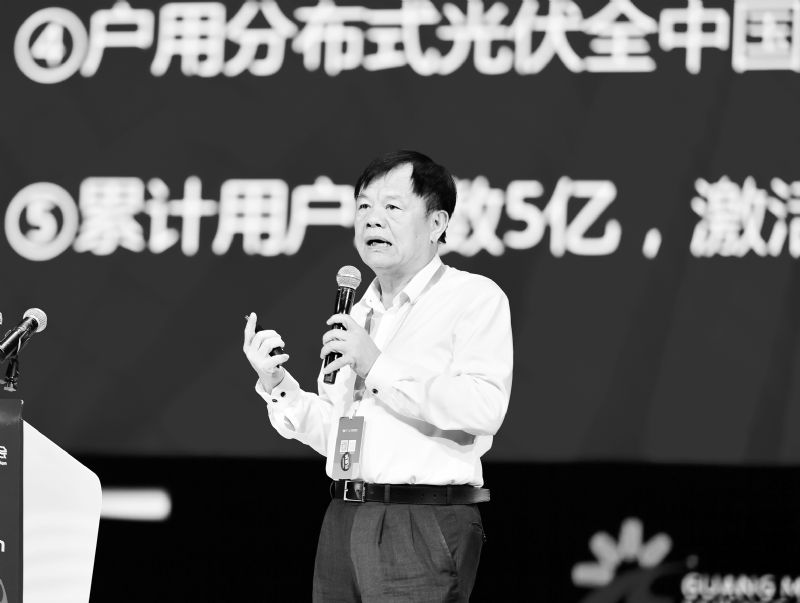
70岁黄宏生百亿腾笼换鸟再闯港股 创维系“母退子进”欲造光伏新帝国
Chang Jiang Shang Bao· 2026-01-26 00:48
Core Viewpoint - Huang Hongsheng, the founder of Skyworth Group, is initiating a significant capital restructuring by promoting share buybacks and privatization while planning to spin off its solar business, Skyworth Solar, for independent listing, aiming for a valuation of approximately 10 billion [2][5]. Group 1: Company Strategy - Skyworth Group announced plans to distribute shares of Skyworth Solar to its shareholders, with each share of Skyworth Group entitling holders to approximately 0.37 shares of Skyworth Solar [3][4]. - The estimated median valuation for Skyworth Solar is around 16.57 HKD per share, translating to a value of approximately 6.13 HKD per share for Skyworth Group shareholders [4]. - The privatization plan involves repurchasing all shares not held by the Huang family, which currently owns about 66.46% of Skyworth Group [4][5]. Group 2: Financial Performance - For the first half of 2025, Skyworth Group reported revenues of approximately 36.26 billion, a year-on-year increase of 20.3%, with the renewable energy segment contributing 13.84 billion, up 53.5% and accounting for 38.2% of total revenue [15]. - Skyworth Solar's revenue for the same period was 13.78 billion, with a net profit of 532 million, marking it as a key growth driver for Skyworth Group [15]. Group 3: Future Outlook - Huang aims to transform Skyworth Group into an ecological platform with aspirations to spin off 5 to 8 publicly listed companies by 2030, leveraging the potential of its solar, home appliance, and internet businesses [16][19]. - The overall scale of the planned spin-offs could reach hundreds of billions, indicating significant growth potential for the Skyworth ecosystem [19].