天然气

Search documents
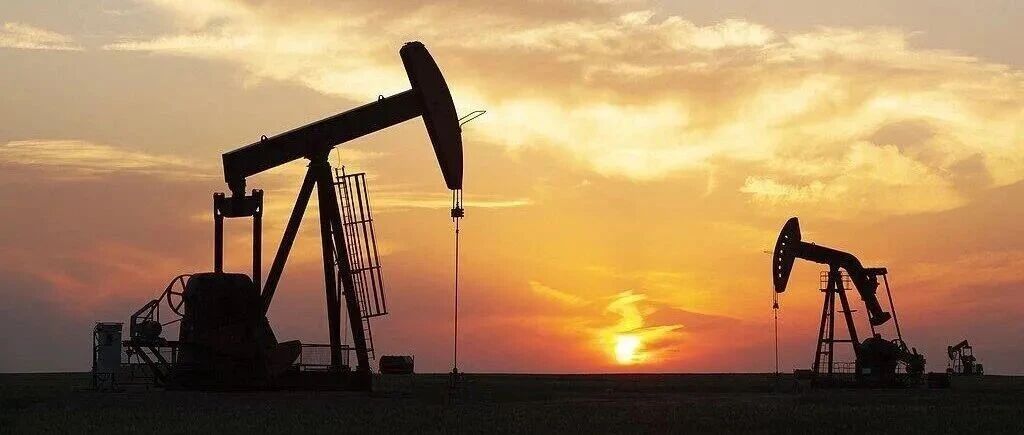
国际油价,暴涨!原因找到了
新华网财经· 2026-03-06 02:14
Group 1 - Iran announced missile strikes on an oil tanker and a facility of Bahrain National Oil Company, raising concerns about disruptions in the Strait of Hormuz and increased risks to oil production facilities in Gulf countries, leading to a significant rise in international oil prices [1] - As of the close, light crude oil futures for April delivery on the New York Mercantile Exchange settled at $81.01 per barrel, an increase of 8.51%, while Brent crude oil futures for May delivery closed at $85.41 per barrel, up 4.93% [1] Group 2 - Qatar, a major global natural gas exporter, has suspended liquefied natural gas production, contributing to low natural gas inventories in Europe, which has resulted in a more than 4% increase in European natural gas futures, pushing prices back above €50 per megawatt hour [3] - As of the close, the April contract for Dutch TTF natural gas futures was priced at €50.731 per megawatt hour, reflecting a 4.03% increase [3]

高盛闭门会-周期性顺风-估值逆风与不断演变的地缘政治背景
Goldman Sachs· 2026-03-06 02:02
Investment Rating - The report indicates a cautious investment outlook for the energy sector, with a focus on identifying mispriced assets in the context of geopolitical tensions and energy price fluctuations [1][2]. Core Insights - The energy market is currently viewed as a critical observation window, with recent price surges in oil and natural gas being interpreted as short-term disturbances rather than long-term trends [2][3]. - The report highlights that the U.S. is likely to benefit from rising energy prices, while major importers in Asia and Europe may face adverse effects [3][4]. - The AI sector is entering a phase of differentiation, with increased capital expenditure and concerns over disintermediation risks leading to a more negative market reaction despite positive news [6][7]. - China is positioned to buffer short-term shocks due to its substantial oil reserves, but the long-term impact of energy price fluctuations remains a concern [8][11]. Summary by Sections Energy Market Analysis - Current pricing reflects a potential short-term disruption of 5 to 6 weeks due to geopolitical tensions, with significant adjustments already made in oil price volatility [4][5]. - The distribution of risks suggests that while the market has accounted for some supply disruption, there remains potential for more severe scenarios [4][5]. AI Sector Insights - The AI theme is seen as attractive for productivity enhancement, but the market has already priced in many expectations, leading to increased vulnerability in certain segments [6][7]. - Positive developments in capital expenditure and application expansion have not translated into favorable market reactions, indicating a need for careful selection of winners and losers within the sector [6][7]. Currency and Trade Dynamics - The Chinese yuan has shown a steady appreciation, supported by a significant trade surplus and a 21%-22% undervaluation, which is expected to continue unless geopolitical tensions escalate [11][12]. - The report suggests a selective approach to trading strategies, favoring cyclical assets while employing hedging tools to mitigate risks [12][13]. Investment Opportunities - Brazil is identified as a core opportunity due to its favorable position in commodity trade and potential for interest rate cuts, making it a target for investment through both equity and currency channels [1][13]. - The report emphasizes the importance of identifying mispriced assets that benefit from commodity trade conditions, particularly in emerging markets [13].
大摩闭门会-石油中断风险带来的公平与经济影响-K-防御雷达与朝鲜战略-解读中国滞后表现
2026-03-06 02:02
Summary of Key Points from Conference Call Records Industry and Company Involvement - **Industry**: Oil and Gas, LNG Supply Chain, Defense, Banking - **Companies**: LIG NEXT ONE, Korean Banks, Various Semiconductor Companies Core Insights and Arguments Oil and Gas Market Dynamics - **Hormuz Strait Risk**: A severe disruption could lead to oil prices surging similar to 2022; if tensions ease within 45 weeks, prices may stabilize around $60-$65 per barrel [1][3] - **Import Dependency**: China and India rely on the Hormuz Strait for 40%-50% of their oil imports, while Japan's dependency is as high as 70% [1][3] - **LNG Supply Chain**: Qatar, as the second-largest LNG exporter, supplies 40% to India and 25% to Taiwan, with Taiwan's electricity heavily reliant on natural gas [1][4] Inflation and Economic Impact - **Inflation Pressure**: A $10 increase in oil prices could raise CPI by 60bps in Korea and 40bps in Taiwan; Korea's CPI may rise to 2.5% due to weak domestic demand [1][7] - **Market Valuation**: KOSPI has corrected 19%, with PE ratios dropping below 9, indicating a potential bottom despite no fundamental deterioration [1][11] Strategic Recommendations - **Investment Strategy**: Recommend overweighting energy, materials, and capital goods while avoiding high-weight internet sectors; the national team holds over $80 million in "dry powder" for potential market support [1][17] - **Defensive Positioning**: In high uncertainty, suggest reducing stock risk and favoring markets with energy self-sufficiency, like Australia and Malaysia [5][6] Defense Sector Insights - **LIG NEXT ONE**: Benefiting from increased demand for mid-range surface-to-air missiles, with a significant stock price increase of over 40% recently [2][18] - **Korean Banks**: Total shareholder return exceeds 50%, with a focus on improving ROE to above 10% for valuation recovery [2][20] Additional Important Content - **Market Volatility**: Recent market fluctuations in Korea were driven by external factors, with a significant drop in KOSPI and a rebound indicating a potential recovery phase [11][12] - **Government Response**: Korean government plans to release oil reserves and provide financial support to affected businesses to stabilize prices [9][10] - **China's Market Exposure**: Limited direct exposure to Middle Eastern geopolitical risks, with a focus on sectors like materials, energy, and capital goods for investment [16][21] This summary encapsulates the critical insights and recommendations from the conference call, highlighting the interconnectedness of geopolitical risks, market dynamics, and strategic investment opportunities across various sectors.
能源早新闻丨“十五五”规划纲要草案提出,继续推动重点领域绿色低碳转型
中国能源报· 2026-03-05 22:33
Group 1: National Development and Industry - The "14th Five-Year Plan" draft outlines 20 key indicators, including a 17% reduction in carbon emissions per unit of GDP, emphasizing green and low-carbon transformation in key sectors [2] - The Ministry of Industry and Information Technology (MIIT) reported that China's new energy vehicle production and sales have ranked first globally for 11 consecutive years, with over 8,000 national green factories established [2] - The MIIT announced the establishment of a Green Low-Carbon Standardization Technical Committee to oversee the development of industry standards in the green low-carbon sector [4] Group 2: Energy Production and Technology - China's largest coalbed methane field, the Daqi Gas Field, has achieved an annual production capacity of over 4 billion cubic meters, contributing significantly to the country's natural gas output [4] - A new artificial intelligence model for aerosol forecasting, developed by Chinese scientists, can provide high-precision environmental forecasts globally, aiding in the prediction of pollution events [5] - Fujian Province is promoting research on carbon reduction in electric ships, exploring ways to use carbon revenue to support the full lifecycle costs of these vessels [6] Group 3: International Energy Dynamics - Russian President Putin indicated a potential strategy to proactively cut off natural gas supplies to Europe, citing rising energy prices and geopolitical tensions [7] - The European Union is monitoring energy supply risks amid geopolitical tensions, with no immediate threats identified to oil or gas supplies [7] - Saudi Aramco is adjusting its oil export strategy to utilize the Yanbu port, avoiding the Strait of Hormuz to mitigate risks of supply disruptions [7]


全国人大代表聂晓炜:推动天然气与新能源融合发展
中国能源报· 2026-03-05 12:53
Group 1 - Natural gas serves as a clean and low-carbon fossil energy source, playing a dual strategic role in supporting transformation and ensuring safety in the new energy system construction [2] - The National Energy Administration's action plan (2023-2025) emphasizes enhancing the clean energy consumption capacity of oil and gas fields through multi-energy complementarity, aiming for a transformation in energy production and supply structure [2] - Current challenges in the integration of natural gas and new energy include institutional barriers, insufficient technical economics, and imperfect market mechanisms, necessitating systematic policy support to unlock integration potential [2] Group 2 - Recommendations include promoting the coordinated development of natural gas and hydrogen energy, establishing a comprehensive standard system and safety regulations, and implementing a hydrogen blending quota mechanism to facilitate green low-carbon transitions [2] - The establishment of a modern biogas industry system is proposed, focusing on top-level design, inter-departmental coordination, and the creation of national demonstration projects to promote biogas in various sectors [3] - The acceleration of the gas-electricity capacity pricing mechanism is suggested to support the construction of a new power system, with a dual-track pricing system reflecting both capacity and real-time market value [3]

新奥股份(600803):地缘政治风险升级,平台交易气和甲醇业务有望显著受益
CMS· 2026-03-05 09:01
Investment Rating - The report maintains a "Buy" rating for the company [3] Core Insights - The company is expected to benefit significantly from geopolitical risks, particularly the ongoing crisis in Iran, which is likely to impact international natural gas supply and drive prices up. This will enhance the company's platform trading gas business margins, contributing to revenue growth [1][5] - The company's LNG overseas resale business is projected to see substantial profit contributions due to rising international gas prices, with a significant increase in LNG delivery volumes expected from 2026 [5] - The methanol production segment is also anticipated to benefit from higher international prices, as the company is positioned to capitalize on disruptions in global methanol trade [5] Financial Data and Valuation - Total revenue is projected to decline from 143.84 billion CNY in 2023 to 135.91 billion CNY in 2024, before recovering to 149.61 billion CNY in 2026 and reaching 161.34 billion CNY by 2027, reflecting a compound annual growth rate (CAGR) of approximately 8% from 2026 to 2027 [2][9] - The company's net profit attributable to shareholders is expected to decrease from 7.09 billion CNY in 2023 to 4.49 billion CNY in 2024, before increasing to 5.96 billion CNY in 2026 and 6.52 billion CNY in 2027 [2][9] - The price-to-earnings (PE) ratio is projected to be 14.2x for 2025, decreasing to 10.9x by 2027, indicating a favorable valuation trend [6][10] Performance Metrics - The company's return on equity (ROE) is expected to remain strong, with estimates of 20.3% in 2025 and 21.7% in 2026, reflecting effective management of equity capital [10] - The asset-liability ratio is projected to decline from 56.5% in 2023 to 43.2% by 2027, indicating improved financial stability [10] - The company's earnings per share (EPS) is forecasted to increase from 2.29 CNY in 2023 to 2.11 CNY in 2027, demonstrating a gradual recovery in profitability [10]

能源账单或再度飙升,英国民众:又要埋单了
第一财经· 2026-03-05 03:58
Core Viewpoint - The article discusses the impact of recent geopolitical tensions in the Middle East on global energy prices and the subsequent effects on the UK economy, highlighting potential inflation and interest rate increases as a result of rising energy costs [3][5]. Group 1: Energy Price Impact - Following military actions by Israel and the US against Iran, Brent crude oil prices surged to $84 per barrel, a 15% increase from before the attacks, while UK natural gas futures rose by 78% [3]. - The closure of the Strait of Hormuz due to Iranian retaliation has heightened tensions in the energy market, affecting prices across Europe [3]. Group 2: Economic Forecasts - The National Institute of Economic and Social Research (NIESR) presented two scenarios regarding the impact of energy price shocks on the UK economy [5]. - Scenario One: A temporary spike in oil prices by 30% and natural gas prices by 50% would lead to a 0.3 percentage point increase in inflation for 2026, with minimal economic impact [5]. - Scenario Two: If the price increases persist for a year, inflation could rise by 0.7 percentage points in 2026 and 0.5 percentage points in 2027, potentially pushing interest rates above 4% and leading to economic contractions of 0.2% in 2026 and 0.3% in 2027 [5]. Group 3: Public Sentiment and Historical Context - UK residents express frustration over rising energy costs, with many noting that fluctuations in oil prices directly affect their bills, leading to annual increases of £200-£300 [6]. - The current energy price shock comes on the heels of previous economic challenges, including a peak inflation rate of 11.1% in the UK due to the COVID-19 pandemic and the Ukraine crisis, which has left the economy vulnerable [8].
中泰国际每日晨讯-20260305
ZHONGTAI INTERNATIONAL SECURITIES· 2026-03-05 02:12
Market Performance - The Hang Seng Index closed at 25,249.48 points, down 2.0% from the previous day[1] - The Hang Seng China Enterprises Index closed at 8,483.95 points, down 1.5%[1] - Total turnover in Hong Kong stocks was HKD 364.3 billion, a decrease of 1.7% from HKD 370.5 billion the previous day[1] Sector Performance - The technology, telecommunications, and materials sectors fell by 0.4%, 0.5%, and 0.8% respectively[1] - The composite enterprises, financial, and healthcare sectors declined by 4.0%, 2.9%, and 2.4% respectively[1] - China Hongqiao (1378 HK) and Xinyi Solar (968 HK) led the blue-chip gainers, rising by 6.0% and 4.2% respectively[1] - AIA Group (1299 HK) and WuXi Biologics (2269 HK) were the biggest losers, falling by 4.8% and 4.6% respectively[1] Commodity Prices - Gold prices returned to above USD 5,100[2] - WTI crude oil prices fluctuated around USD 76[2] - TTF natural gas futures fell to EUR 50[2] Economic Indicators - China's manufacturing PMI for February was 49.0, down from 49.3 in January and below the market forecast of 49.1[3] - Hong Kong's retail sales in January increased by 5.5% year-on-year, lower than December's 6.6% but above the forecast of 4.2%[3] - Japan's consumer confidence index for February was 40.0, up from 37.9 in January and above the forecast of 38.2[3] - The US ISM services PMI for February was 56.1, higher than January's 53.8 and the forecast of 53.5[3] Industry Developments - The automotive sector in Hong Kong saw most stocks decline, except for autonomous driving chip stocks which saw slight increases[4] - NAND flash memory prices are expected to rise by 85%-90% quarter-on-quarter due to supply-demand imbalance[4] - China Biologic Products (1177 HK) announced a global licensing agreement with Sanofi, receiving an upfront payment of USD 135 million and potential milestone payments of up to USD 1.395 billion[5]

普京:考虑给欧洲“断气”
财联社· 2026-03-04 23:36
Group 1 - The core viewpoint of the article highlights the rising prices of oil and natural gas, attributed to restrictions on Russian energy and geopolitical factors such as U.S. aggression towards Iran [1] - The European Union is set to impose a complete ban on imports of pipeline gas and liquefied natural gas from Russia [1] Group 2 - President Putin suggests that since the EU will eventually ban Russian gas imports, Russia should proactively "cut off gas" to Europe and redirect its supply to emerging markets [2]

Oil Swings as Iran Denies Report of US Outreach to End War
Youtube· 2026-03-04 22:13
Oil Market Analysis - The Midwest is experiencing a significant oversupply of crude oil, with the US being a net exporter of crude oil and natural gas, leading to expectations of lower prices ahead of the midterms [1][7]. - A colder-than-normal winter previously pushed natural gas prices up, but they have since collapsed, indicating a potential peak in oil prices [2][4]. - Brent crude oil recently reached a new high of around $85, but the December contract is projected to decline to approximately $58, reflecting a bearish outlook [3][4]. Supply Dynamics - The Western Hemisphere, particularly the US and Canada, is now the price maker in crude oil, with a surplus supply of nearly 8 million barrels per day [7]. - A sustained supply curtailment in the Middle East is deemed unlikely, suggesting that oil prices may trend lower as the midterms approach [8]. Agricultural Sector Insights - Farmers are facing challenges due to massive supply from Brazil, which is impacting prices and profitability [11][15]. - There is a need for demand support, particularly through biofuels, to stabilize prices in the agricultural sector [11][12]. - Current corn prices are around $3.50, and there is speculation that a low price point for crude oil could be around $40, indicating a potential bottom in prices [16].