
种植业

Search documents
各地分类施策促冬小麦弱苗转壮
Yang Shi Wang· 2026-01-29 11:51
Core Viewpoint - China's winter wheat is currently in the overwintering period, with the sowing area remaining stable compared to last year, but the planting period in the Huang-Huai-Hai region is delayed by 15-20 days due to previous continuous rainfall [1] Group 1 - The sowing area for winter wheat in China is approximately the same as last year [1] - In Hebei's Shijiazhuang Gaocheng District, a key grain production area, the grain planting area is consistently around 480,000 mu [1] - Local authorities have formed a technology team of over 60 members to provide technical guidance in the fields due to the weak condition of the wheat [1] Group 2 - Provinces like Henan and Jiangsu have developed targeted management plans based on different seedling conditions to assist farmers in differentiated leaf fertilization, aiming to reduce frost damage [1] - After the "Beginning of Spring," the wheat will start to green, and the Ministry of Agriculture and Rural Affairs has prepared a work plan and technical proposals to ensure a good wheat harvest [1] - The ministry will guide local areas to implement precise measures to promote the growth of weak seedlings and conduct unified prevention and emergency treatment to guard against pests, diseases, and meteorological disasters [1]
湖南城步苗乡强产业惠民生 乡村振兴底色更亮
Zhong Guo Xin Wen Wang· 2026-01-29 09:00
Core Viewpoint - The article highlights the significant progress made in rural revitalization and high-quality agricultural development in Chengbu County, Hunan Province, showcasing improvements in living conditions, infrastructure, and agricultural productivity [1][2][3][4][5] Group 1: Improvement in Living Conditions - Chengbu County has invested 27 million yuan in constructing centralized sewage treatment facilities and associated pipelines since 2025, leading to a significant increase in sanitation and hygiene [2] - The county has cleared 60,700 tons of household waste and raised the sanitation toilet coverage rate to 96.1% [2] - A total of 3,900 rural practical talents have been trained, and financial support has been provided to vulnerable groups, including 25.95 million yuan in rural subsistence allowances [2] Group 2: Water Resource Management - Chengbu County completed the reinforcement of two reservoirs and repaired 90 mountain ponds in 2025, investing 25.04 million yuan in water management [3] - The implementation of drinking water safety projects has improved water supply conditions for 23,200 residents by laying 36.5 kilometers of new pipelines [3] - The county has established a "river chief system," with 553 officials conducting 8,450 river inspections to maintain water quality [3] Group 3: Agricultural Development and Economic Growth - The total grain planting area reached 231,800 acres in 2025, with a record total output of 870,000 tons [4] - Chengbu County has developed a diverse range of agricultural products, including dairy, bamboo, tea, fruits, and vegetables, contributing to increased farmer incomes [4] - The county's agricultural and forestry output value reached 3.2 billion yuan in 2025, with a year-on-year growth of 2.6% [5] Group 4: Role of New Business Entities - The "cooperative + base + farmer" model has been successfully implemented, with 33 similar entities in the county helping 3,320 impoverished households increase their annual income by over 1,200 yuan [5] - The county continues to support 352 sustainable development projects in agriculture, enhancing the overall economic landscape [5] - The per capita disposable income of rural residents grew by 7.9% in 2025, reflecting the positive impact of these initiatives [5]
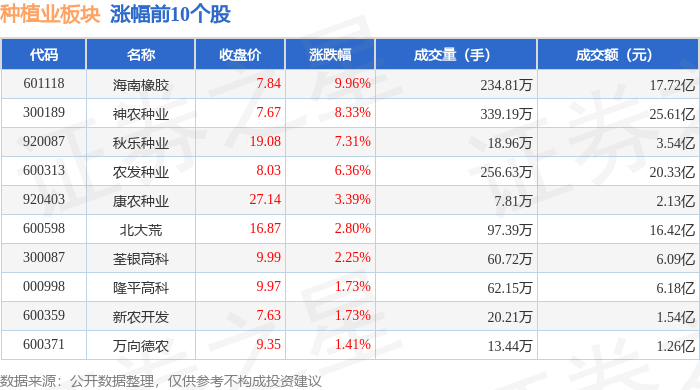
种植业板块1月29日涨2.94%,海南橡胶领涨,主力资金净流出2.29亿元
Zheng Xing Xing Ye Ri Bao· 2026-01-29 08:58
Core Viewpoint - The planting industry sector experienced a rise of 2.94% on January 29, with Hainan Rubber leading the gains, while the Shanghai Composite Index closed at 4157.98, up 0.16%, and the Shenzhen Component Index closed at 14300.08, down 0.3% [1]. Group 1: Stock Performance - Hainan Rubber (601118) closed at 7.84, up 9.96%, with a trading volume of 2.3481 million shares and a transaction value of 1.772 billion [1]. - Shennong Seed Industry (300189) closed at 7.67, up 8.33%, with a trading volume of 3.3919 million shares and a transaction value of 2.561 billion [1]. - Qiule Seed Industry (920087) closed at 19.08, up 7.31%, with a trading volume of 189,600 shares and a transaction value of 354 million [1]. - Other notable stocks include Nongfa Seed Industry (600313) at 8.03, up 6.36%, and Kangnong Seed Industry (920403) at 27.14, up 3.39% [1]. Group 2: Capital Flow - The planting industry sector saw a net outflow of 229 million from institutional investors, while retail investors contributed a net inflow of 97.6117 million [2]. - Major stocks like Hainan Rubber had a net inflow of 1.62 billion from institutional investors, but a net outflow of 214.089 million from speculative funds [3]. - Shennong Seed Industry experienced a net inflow of 14.4615 million from institutional investors, while facing a net outflow of 1.80467 million from speculative funds [3].


构建新型气象为农服务体系 我国启动新一轮农业气候资源普查和区划
Yang Shi Wang· 2026-01-29 08:36
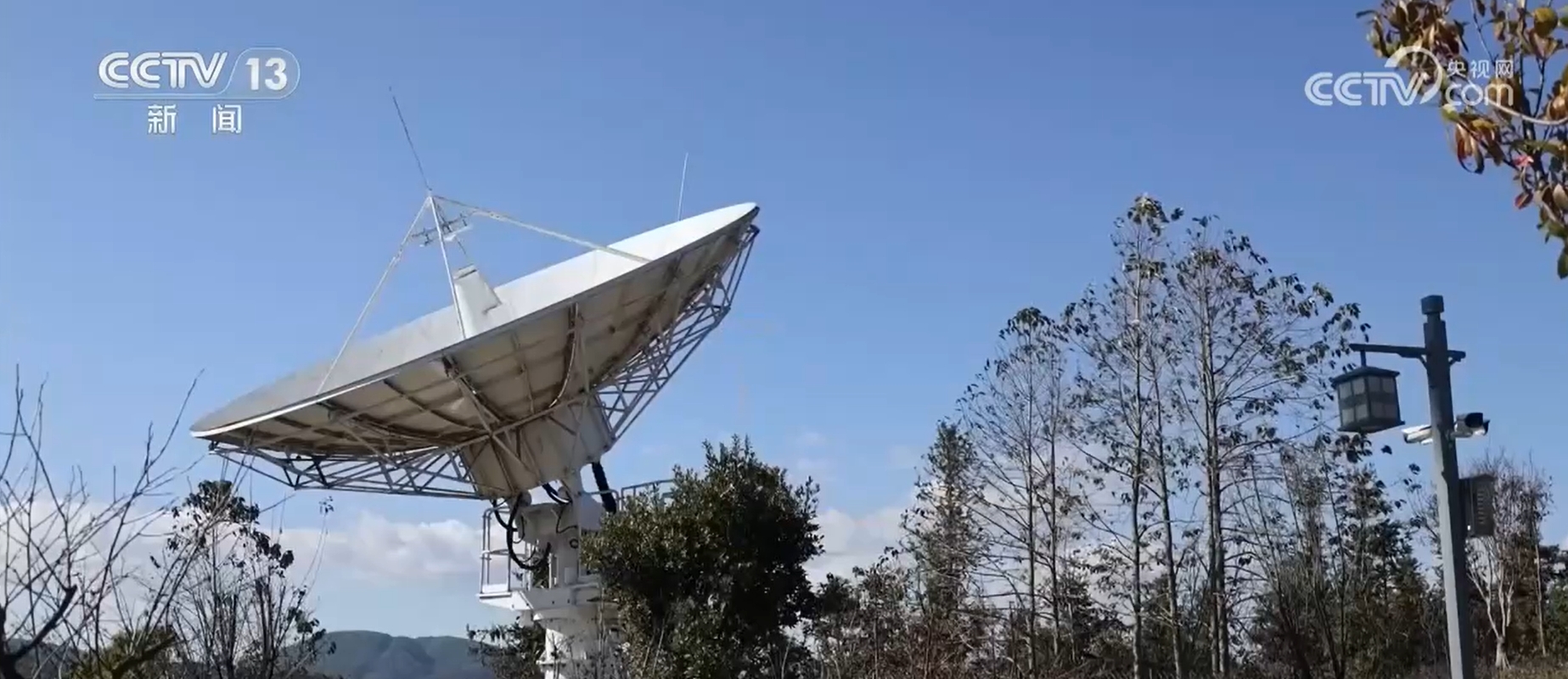
Core Viewpoint - The Chinese meteorological department will focus on food security by enhancing agricultural climate resource surveys and zoning, aiming to integrate meteorology into crop yield improvement actions by 2026 [1][3]. Group 1: Agricultural Climate Resource Survey and Zoning - A new round of national agricultural climate resource surveys and zoning has been fully initiated, with completion expected by 2029, including detailed surveys at national, provincial, municipal, and county levels [3][4]. - The agricultural climate zoning work will be progressively advanced, with a focus on major agricultural categories and crops [3][4]. Group 2: Impact of Climate Change on Agriculture - Climate change has increasingly affected agricultural production and food security, leading to challenges such as shifting planting boundaries and increased pest issues [4][7]. - The need for a scientific approach to agricultural climate resource surveys and zoning is emphasized to improve resource utilization efficiency and mitigate agricultural meteorological disasters [4][8]. Group 3: Characteristics of Agricultural Climate Resources - China's agricultural climate resources are diverse, with significant regional differences and a high impact from meteorological disasters [7]. - Recent trends show an increase in heat resources, while water resources are decreasing in certain regions, and light energy resources are increasing towards the northwest [7]. Group 4: Methodology for Surveys and Zoning - The current round of surveys and zoning will utilize advanced technologies such as geographic information systems and remote sensing to achieve precision at kilometer and even hundred-meter levels [8]. - The surveys aim to clarify the distribution characteristics of agricultural climate resources and propose strategies for efficient utilization and risk prevention [8].
在省两会现场,打开“广货”藏宝图|广货行天下
Nan Fang Nong Cun Bao· 2026-01-29 05:34
Core Viewpoint - The article highlights the promotion of "Guangdong goods" during the provincial two sessions, showcasing local products and cultural symbols that represent Guangdong's rich heritage and economic potential [2][92]. Group 1: Cultural Symbols and Local Products - The presence of kumquats at the conference symbolizes good fortune and is being promoted as a cultural icon of the Chinese New Year, with representatives advocating for its recognition globally [6][10]. - The article emphasizes the importance of local flavors, such as peanut oil and seafood, in enhancing the culinary identity of Guangdong and promoting its products beyond regional boundaries [20][30]. Group 2: Economic Impact and Industry Development - The peanut industry in Guangdong has an estimated total output value of approximately 27 billion yuan, with cultivation, processing, and distribution contributing significantly to the economy [24]. - The aquaculture sector, particularly the Ma You fish industry, is projected to exceed 300 million yuan in output value by 2025, showcasing the growth potential of local fisheries [36]. - The article mentions the innovative development of bonsai vegetables, which have gained popularity as gifts, with 1.2 million pots pre-ordered before the Spring Festival, indicating a successful integration of agriculture and consumer trends [57]. Group 3: Promotion of Local Cuisine - Various local delicacies, such as Shantou fish balls and Zhanjiang oysters, were highlighted during the sessions, showcasing the diversity and richness of Guangdong's culinary offerings [52][76]. - The article notes that the Yingde black tea has gained international recognition, being sold in over 70 countries, which reflects the global reach of Guangdong's agricultural products [84]. Group 4: Artistic Representation and Cultural Heritage - The article discusses the use of traditional art forms, such as finger painting, to promote Guangdong's natural resources and cultural heritage, aiming to enhance the visibility of local products [87][91]. - The integration of local specialties into artistic expressions is seen as a way to further the reach of Guangdong's cultural identity and products [88][100].

各地抓紧田间支招、精准管护全力“追苗情” 精准施策护航夏粮丰收
Yang Shi Wang· 2026-01-29 02:00
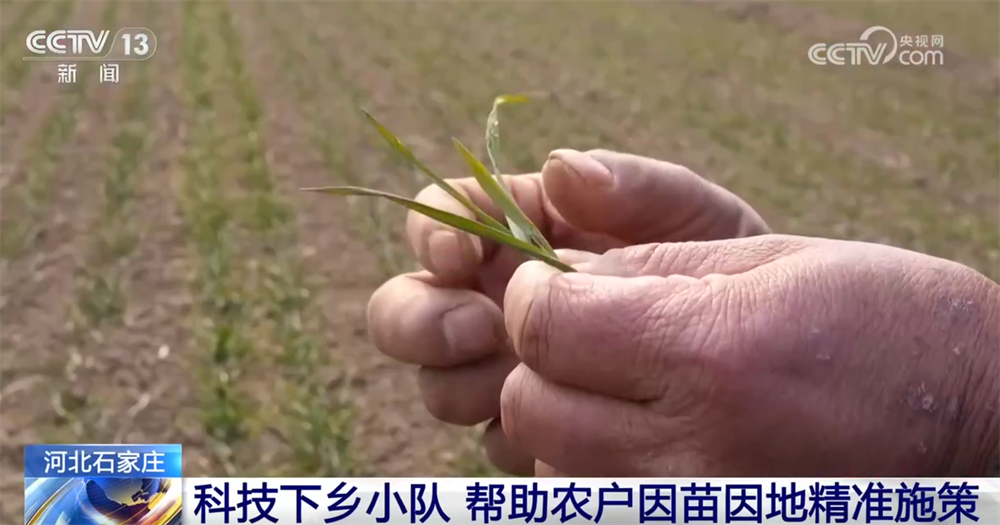
河北石家庄市藁城区是河北省重要的粮食产区,粮食种植面积常年保持在48万亩左右。眼下正处于越冬期的小麦个体偏弱,同时土壤底墒 足、表墒略差,给农户们的田间管理带来了不小的考验。为有效应对复杂苗情墒情,当地成立了由六十余人组成的科技下乡小分队,深入田间 一线开展技术指导,帮助农户因苗因地精准施策、科技壮苗。 石家庄市藁城区农技推广中心副主任 任红晓:我们可以利用返浆的这段时间,追施一些速效的尿素,还有化肥,可以保证它能够早返 青。 江苏镇江:"共享"用电装置 解决农时"短时用电难" 在江苏镇江,种植户们正为需要补充营养的冬小麦追施腊肥,促弱转壮。为保障田管用电,当地供电部门创新研发了一款"共享"用电装 置,农户们只需在装置上扫码,插上插头,便可以轻松取电。用电结束后,系统自动结算,方便快捷。截至目前,江苏全省已规划"共富共 享"扫码用电装置布点500余处,服务农户超200户,有效解决了农户农时"短时用电难"问题。 央视网消息:黄淮海地区是我国小麦主产区,冬小麦面积占全国八成左右。去年秋天阴雨多,小麦播种晚、苗情偏弱。当前,冬小麦正处 于越冬期,各地赶紧田间支招、精准管护,把苗情"追回来"。 河北石家庄:科技下乡小 ...
锻长板、补短板、育新板 今年四川“三农”工作划重点
Si Chuan Ri Bao· 2026-01-29 00:26
Core Viewpoint - The article emphasizes the importance of agricultural modernization and rural development in Sichuan, highlighting strategies to enhance food security, increase farmers' income, and promote integrated rural development [10][11][14]. Group 1: Food Security and Agricultural Production - Sichuan aims to achieve a total grain output of 732.5 billion jin by 2025, maintaining a stable production level above 700 billion jin for six consecutive years [11]. - The province will implement a new round of grain production enhancement actions, focusing on increasing yield per unit area as the primary growth driver [11]. - Key strategies include the "Tianfu Granary" initiative, which emphasizes maintaining arable land and preventing non-agricultural use of farmland [11][12]. Group 2: Farmers' Income and Economic Development - The meeting highlighted the need to develop profitable industries that benefit farmers, integrating technology, green practices, and quality agriculture [14]. - A shift is encouraged for farmers to become partners in the modern agricultural industry chain, ensuring they share in the economic benefits [14][15]. - Successful models, such as the establishment of agricultural industrialization unions and cooperatives, have been reported to significantly increase farmers' income [14]. Group 3: Rural Reform and Innovation - The article discusses the importance of reform in enhancing agricultural and rural development, including pilot programs for urban-rural integration [16][17]. - Efforts to revitalize idle rural assets and improve resource management are seen as crucial for economic growth [17]. - Talent development in rural areas is emphasized, with initiatives to attract and retain skilled individuals in agriculture [16][17].
赫山区泉交河“懒人土豆”出圈
Xin Lang Cai Jing· 2026-01-29 00:09
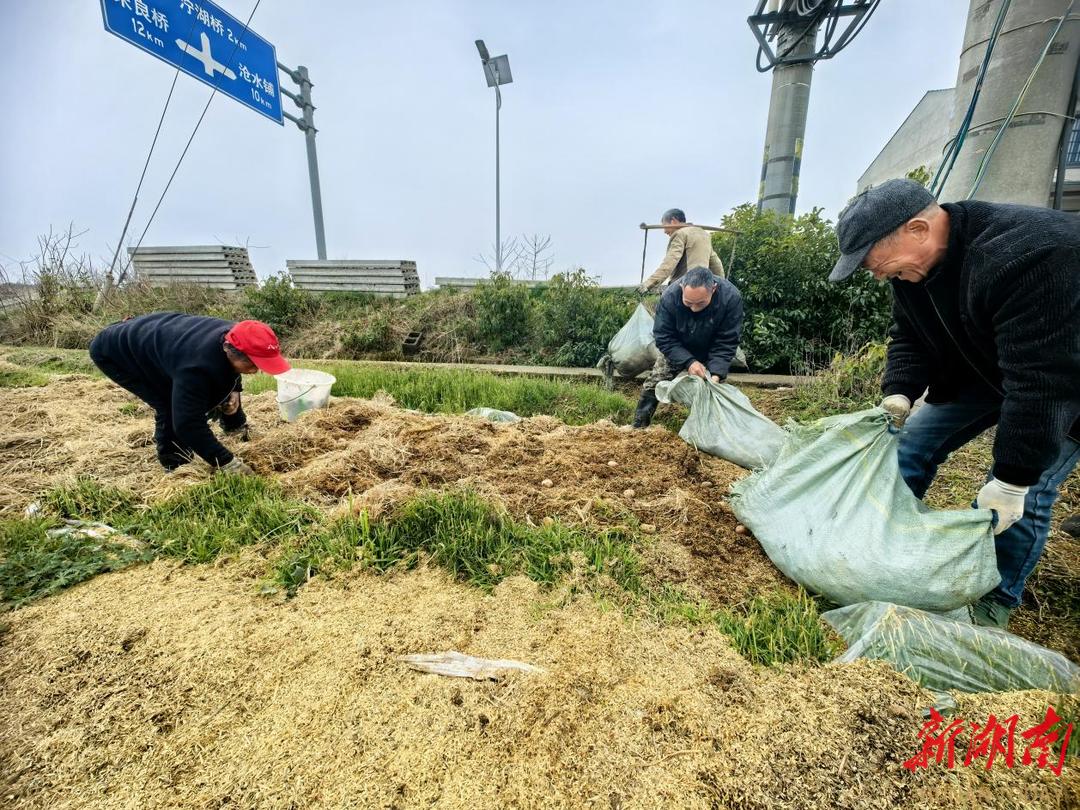
00:41 冬春各收一茬,亩均利润超2000元 赫山区泉交河"懒人土豆"出圈 华声在线全媒体记者 张佳伟 通讯员 蔡琦烜 崔心怡 1月27日,益阳市赫山区泉交河镇新安山村冬闲田里,湖南悦悦生态种植养殖专业合作社负责人徐勇正在指导村民种植"艾立华懒人土豆"。 只见村民将土豆种埋进地表铺设的稻谷壳、灰以及瘪谷子等混合基料中,完成后在上面铺上一层秸秆。 "怎么管理和收获?"记者问。 "不用管理,稻谷灰、瘪谷子为土豆提供充足养分,稻谷壳成了防虫的天然屏障,秸秆可以保温防冻,水分就靠自然降雨。"徐勇介绍,"收成时拨开基料 拿出大的土豆,小的土豆盖上后还会再长。" "懒人土豆"在秋分前后种下,约两个月收获第一茬秋季土豆;再埋下土豆种,第二年春耕前收获第二茬冬季土豆。 "培育的基料从稻谷加工厂拿,秸秆从稻田里运。"徐勇说:"原料不收费,我们只需承担运费。"经测算,培育一亩"懒人土豆"可消耗稻谷壳、秸秆等约5 吨。 徐勇在泉交河镇培育160亩"懒人土豆",2025年秋季土豆亩产超1500公斤,比普通土豆多500公斤。前两年的冬季土豆亩产也超1500公斤,对于今年的冬季 土豆,徐勇信心满满。 2022年以来,"懒人土豆"亩均利 ...
锻长板 补短板 育新板 今年四川“三农”工作“划重点”
Xin Lang Cai Jing· 2026-01-28 16:49
Core Viewpoint - Sichuan's agricultural development is positioned as a cornerstone for addressing external uncertainties, with a focus on modernizing agriculture and improving rural living conditions as part of the "14th Five-Year Plan" [1] Group 1: Grain Security - Sichuan emphasizes the importance of grain production, aiming to enhance its status as a major grain-producing province, with a record grain output of 732.5 billion jin in the previous year [2] - The province plans to implement a new round of grain production capacity enhancement actions, focusing on increasing yield per unit area rather than expanding planting area [2] - The "Tianfu Granary" initiative will continue, promoting stable supply and quality improvement of grain and important agricultural products [2][3] Group 2: Farmer Income Increase - The development of prosperous industries is crucial for increasing farmers' incomes, with a focus on technology, green agriculture, quality agriculture, and brand agriculture [4] - Local agricultural industries, such as the meat rabbit industry in Zigong, are being developed to achieve significant economic output, targeting a comprehensive output value of 20 billion yuan by 2027 [5] - Strategies to ensure farmers benefit from industry growth include enhancing agricultural supply chains and ensuring that more value remains in rural areas [6] Group 3: Reform and Development - The modernization of agriculture in Sichuan will leverage reforms to activate rural resources, including pilot projects for urban-rural integration and the revitalization of idle rural assets [7] - Efforts to manage and utilize idle rural assets effectively have shown promising results, with significant revenue generated from revitalizing these resources [8] - Talent support is essential for rural revitalization, with initiatives aimed at training and retaining skilled agricultural workers [9]
天津两会观察:津城乡村振兴新画卷,聚焦农业增效与乡村活力
Zhong Guo Xin Wen Wang· 2026-01-28 13:51
Core Viewpoint - The Tianjin Municipal Government's 2026 work report emphasizes the importance of advancing comprehensive rural revitalization, focusing on urban-rural integration, agricultural efficiency, farmer income increase, and rural vitality enhancement [1] Group 1: Modern Urban Agriculture Development - Tianjin plans to develop modern urban agriculture by establishing 328,000 acres of high-standard farmland and implementing seed industry revitalization actions [1] - The city aims to enhance the brand influence and market share of "Tianjin Agricultural Products" while supporting 22 national-level industry integration carriers to extend the industrial chain [1] - New agricultural tourism and cultural integration business models will be actively explored to promote rural leisure and wellness [1] Group 2: Rural Infrastructure and Services Improvement - Tianjin intends to create 10 key areas of livable and workable rural communities, improving rural infrastructure by upgrading 210 kilometers of rural roads and 1.2 million square meters of village roads [2] - The city aims to ensure over 90% coverage of large-scale water supply in rural areas and enhance public service guarantees such as water, electricity, gas, and communication [2] - Strengthening regional medical community construction and enriching rural cultural supply are also part of the plan [2] Group 3: Land and Economic Reforms - The city will advance the reform of rural collective operating construction land market entry and expand land extension pilot projects [3] - Efforts will be made to strengthen rural property rights trading platforms and promote the development of new collective economies [3] - These reforms aim to facilitate the flow of resources between urban and rural areas, injecting institutional vitality into rural revitalization [3] Group 4: Brand Development and Market Expansion - The "Shawo Radish" brand is highlighted as a successful case of enhancing product value and benefiting all farmers in the region [4] - The local agricultural representative emphasizes the importance of deepening brand creation, industrial upgrading, and marketing promotion to expand market reach [4] - The focus on cultivating "Tianjin Agricultural Products" brands and expanding market access is expected to significantly contribute to farmers' income [6]
