
乡村旅游

Search documents
一起来打卡!带你走遍中国4个新增世界“最佳旅游乡村”
Xin Hua She· 2025-10-18 07:50
Core Points - The United Nations World Tourism Organization held an award ceremony in Huzhou, Zhejiang Province, announcing the list of "Best Tourism Villages" for 2025, which includes four villages from China [1] - The total number of Chinese villages selected as "Best Tourism Villages" has reached 19 [5] Group 1: Selected Villages - Guizhou's Huanggang Village, known for its rich Dong ethnic culture and traditional customs, has a history of over 800 years and is recognized as the birthplace of male Dong songs [2] - Sichuan's Jikayi Village, located at an altitude of 1,700 to 5,000 meters, features a highland agricultural ecosystem and is part of the core area of the cultural corridor of the Tibetan, Qiang, and Yi ethnic groups [3] - Jiangsu's Dongluo Village is situated in a globally significant agricultural heritage area and has developed a model of ecological protection and economic development [4] - Zhejiang's Digan Village, a historical cultural village, emphasizes sustainable development through the integration of ecological protection, cultural heritage, and rural tourism [5]
“文化+创新+沉浸体验”,新名片!透视具象化成功案例 看农文旅发展多彩新图景
Yang Shi Wang· 2025-10-18 06:33
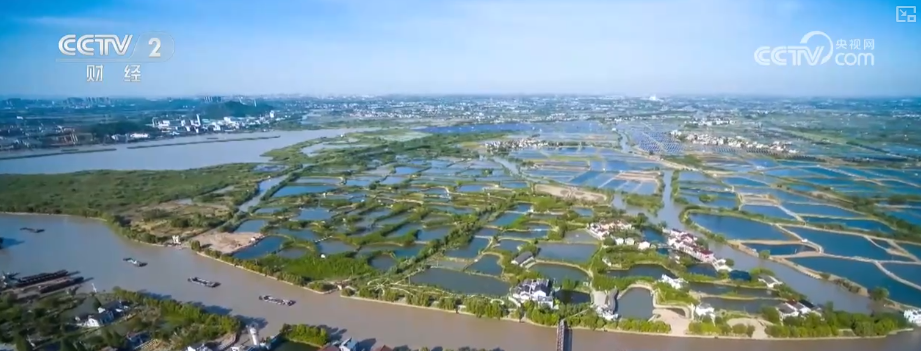
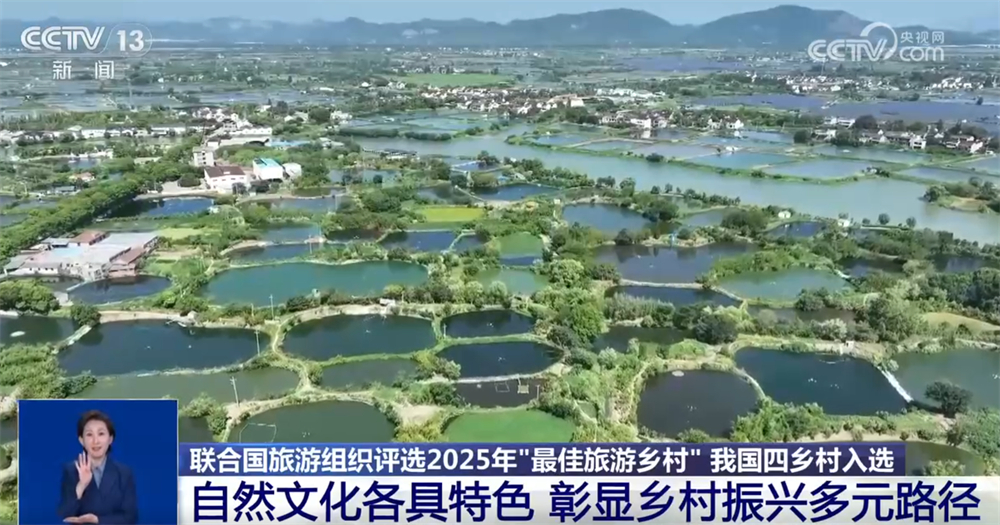
央视网消息:10月17日,联合国旅游组织在浙江湖州举行"最佳旅游乡村"颁奖仪式。我国有4个乡村入选2025年"最佳旅游乡村"名单。目 前,我国获得的世界"最佳旅游乡村"总数达到了19个,继续位居世界第一。 中国新增入选的4个世界"最佳旅游乡村"分别是:保存着世界上最完整的"桑基鱼塘系统",孕育了中国蚕桑丝织技艺的浙江荻港村;嘉绒东女 文化重要发源地,将川西高原民族文化与生态旅游融合的四川基卡依村;坐落于水上森林与千垛菜花景区之间,身处世界灌溉工程遗产——兴 化垛田核心区域的江苏东罗村;侗族古老"稻鱼鸭"生物工程农耕文化保留地,至今保存和延续着上千年的侗族传统生产生活习俗的贵州黄岗 村。 这4个乡村在自然地貌、文化形态与发展路径上各具特色,共同呈现了中国乡村旅游丰富多元的发展图景。它们以具象化的成功案例,为持续 释放乡村旅游消费潜力、培育乡村发展新动能提供了示范,也为全球可持续发展贡献了中国智慧与中国方案。 入选2025年联合国旅游组织"最佳旅游乡村"之一的贵州省黎平县的黄岗村是中国传统村落。这段时间,进入秋收时节,传统民居、传统生活方 式、传统农耕文化吸引不少游客前往这座侗族村寨,文旅融合发展让传统村落焕发新 ...

丹巴基卡依村入选世界“最佳旅游乡村”
Si Chuan Ri Bao· 2025-10-18 01:41
Core Points - The United Nations World Tourism Organization held an award ceremony in Huzhou, Zhejiang Province, announcing the list of "Best Tourism Villages" for 2025, with four villages from China selected, bringing the total number of Chinese villages recognized to 19 [2] - Jikayi Village in Ganzi Prefecture is highlighted as a key destination for cultural and ecological tourism, integrating traditional customs, rural vacation experiences, and non-material cultural heritage practices [2] - Jikayi Village has established a forest school in 2015, focusing on ecological education and attracting international students, thereby enhancing its competitive edge in rural development [2] - The village has successfully combined cultural elements with tourism, creating immersive experiences that promote heritage protection alongside tourism development [2] Economic Impact - In 2024, 92% of Jikayi Village's workforce will be engaged in tourism-related activities, with an average annual income of 34,290 yuan per person, which is 26% higher than the county average [3] - The village exemplifies a sustainable development model that harmonizes culture and tourism, as well as traditional and modern practices [3]

兴化东罗村入选联合国旅游组织“最佳旅游乡村”——碧水东罗:“乡愁”是一份甜蜜的事业
Xin Hua Ri Bao· 2025-10-17 23:15
Core Viewpoint - Dongluo Village in Xinhua City has been awarded the title of "Best Tourism Village" by the United Nations World Tourism Organization for 2025, marking the first time a village in Jiangsu has received this honor, reflecting its unique development path in rural revitalization [1][6]. Group 1: Development and Transformation - The transformation of Dongluo Village began in June 2017, with a collaborative model involving local government, social capital, and village collectives, aimed at exploring new paths for rural revitalization [1][2]. - The village's layout features a "south old, north new" characteristic, preserving nearly 150 traditional houses and a century-old residence, while modernizing infrastructure and public spaces [2][3]. - The renovation strategy employed a "needle-like" approach, retaining the village's original social networks and spatial patterns, thus maintaining its historical memory [2][3]. Group 2: Community and Economic Impact - The establishment of a platform company, Xinhua Wanxing Commercial Management Co., Ltd., facilitates the construction and operation of Dongluo Village, allowing villagers to benefit from employment opportunities and profit-sharing through collective ownership [4][5]. - The village's agricultural brand "Eighty-Eight Warehouse" collaborates with research institutions and local enterprises, generating an annual sales revenue of nearly 30 million yuan, enhancing the economic foundation for tourism [5]. - The tourism boom has led to increased income for villagers, with per capita disposable income rising to 34,066 yuan in 2024, a growth of 8.1% [5]. Group 3: Sustainability and Future Challenges - The village's success in balancing modernity with tradition has attracted attention, but it also poses challenges in managing increased tourist traffic and leveraging its new status effectively [6].
全球性荣誉! 兴化东罗村获世界认可
Yang Zi Wan Bao Wang· 2025-10-17 15:39
Core Points - The United Nations World Tourism Organization held an award ceremony for the "Best Tourism Villages" in Huzhou, Zhejiang Province, announcing the inclusion of four villages in the 2025 list, with Dongluo Village from Jiangsu Province being the only one from the province to receive this honor [1][4] - Dongluo Village is located in a region rich in agricultural heritage and irrigation engineering, benefiting from its unique geographical and ecological advantages, which have fostered a harmonious relationship between nature and economic development [1][3] - The village has successfully transformed its cultural and agricultural heritage into attractive tourism products, enhancing its market appeal and achieving sustainable development [2][3] Group 1 - The "Best Tourism Villages" award aims to promote cultural heritage preservation and comprehensive socio-economic development through tourism [4] - Dongluo Village has implemented a collaborative model involving government, social capital, and village collectives, which has provided sustainable internal motivation for rural development [3] - In 2024, Dongluo Village achieved a collective economic disposable income of 2.85 million yuan, a growth of 5%, and a per capita disposable income of 34,066 yuan, a growth of 8.1% [3]
联合国旅游组织公布2025年度“最佳旅游乡村” 东罗村成江苏唯一入选乡村
Yang Zi Wan Bao Wang· 2025-10-17 15:27
Core Points - The United Nations World Tourism Organization (UNWTO) announced the list of "Best Tourism Villages" for 2025, with Dongluo Village in Jiangsu Province being recognized, highlighting the international acknowledgment of rural tourism in China [1][2] - Dongluo Village is one of four villages in China to receive this honor, marking a total of 19 "Best Tourism Villages" in China, the highest in the world [1] Group 1 - The "Best Tourism Villages" initiative was launched by UNWTO in 2021 to promote cultural heritage protection and sustainable development through tourism [1] - Dongluo Village is located in the Lixia River wetland protection area, known for its unique "Duo Tian" landscape and is adjacent to major scenic spots, enhancing its tourism appeal [1] - The village employs a tripartite cooperation model involving government, social capital, and village collectives, referred to as the "Dongluo Model," which serves as a template for rural revitalization in Jiangsu [1][2] Group 2 - Since 2017, Vanke has participated in the development of Dongluo Village, focusing on sustainable development and creating a multi-product system including tourism, education, and agricultural products [2] - The village offers local delicacies and unique accommodations, enhancing the visitor experience and promoting local culture [2] - Dongluo Village has received multiple accolades prior to this recognition, including "China's Most Beautiful Village" in 2018 and "Jiangsu Province's Key Rural Tourism Village" in 2019, demonstrating its successful development model [2]
改革破局、典型引路,打造“百千万工程”清新样板!
Nan Fang Nong Cun Bao· 2025-10-17 11:36
Core Viewpoint - The article discusses the successful implementation of the "Hundred Million Project" in Qingxin District, focusing on the cultivation of typical villages as a key driver for rural revitalization, integrating land activation, industrial fusion, resource mobilization, and governance upgrades [10][12]. Group 1: Typical Village Cultivation - Qingxin District has selected and cultivated 56 typical villages to explore replicable and scalable paths for rural revitalization [11][12]. - The district has successfully transformed several villages from "resource dormancy" to "industrial prosperity" and from "governance weakness" to "co-construction and sharing" models [14][15]. Group 2: Multi-Industry Development - The district promotes the integration of "agriculture + tourism" and "culture + tourism" to build a distinctive and profitable rural industrial system [20]. - Anqing Village has developed its homestay industry as a core focus, creating a collective economic model that encourages shared development among villagers [23][31]. Group 3: Land Reform and Economic Growth - The "three blocks of land" reform has led to significant increases in collective income, with one village's annual income rising from 2.3 million yuan in 2015 to 6.5 million yuan in 2024 [62][64]. - The village has also seen per capita disposable income increase from 6,380 yuan to 32,000 yuan [64]. Group 4: Governance and Community Engagement - The district emphasizes a governance model that combines party leadership with village autonomy, enhancing community participation in rural development [78][80]. - Innovative mechanisms, such as the "scenic village joint construction" model, have been established to enhance collective income through land leasing [89]. Group 5: Cultural Empowerment - Cultural activities and traditional practices are integrated into rural governance, fostering community cohesion and enhancing the local cultural identity [99][101]. - The promotion of tea culture in Pukeng Village has created a synergy between tourism and agricultural development, enhancing both economic and cultural vitality [56][59]. Group 6: Future Outlook - Qingxin District plans to deepen the results of typical village cultivation and promote the replication of successful reform paths across more villages to achieve high-quality development [103][105].

惠州:农文旅融合带动村集体增收15%、农民增收6.2%
Nan Fang Nong Cun Bao· 2025-10-17 11:30
Core Insights - The integration of agriculture, culture, and tourism in Huizhou has led to a 15.3% increase in collective operating income for 1,043 administrative villages and a 6.2% rise in per capita disposable income for rural residents in the first half of the year [2][3][6] Group 1: Development Initiatives - Huizhou is leveraging the "Hundred Counties, Thousand Towns, and Ten Thousand Villages High-Quality Development Project" to explore a new path for the integration of agriculture, culture, and tourism, focusing on cultural enrichment, market-driven approaches, and community prosperity [4][5][6] - The city has created one national key rural tourism town and three key villages, with 21 national and provincial-level rural tourism routes, ranking high in the number of provincial cultural tourism characteristic towns and villages [8][9] Group 2: Infrastructure and Projects - Huizhou has implemented a comprehensive planning strategy, achieving recognition as a provincial all-region tourism demonstration zone and launching pilot projects for agricultural and cultural tourism integration in various counties [10][12] - The construction of a 218-kilometer "most beautiful tourism road" connects 54 villages and approximately 200 tourism resources, facilitating the integration of agriculture, culture, and tourism [12][13] Group 3: Industry Upgrades - The introduction of major cultural tourism projects, such as the Litiang Dream City Resort and Aofei Entertainment, along with top-tier homestay brands, has contributed to the upgrade of Huizhou's agricultural and cultural tourism industry [17][18] - The city currently has 1,495 rural hotels and homestays, with five boutique homestays recognized on the Black Truffle list, indicating a growing scale of Lingnan-style homestays [18][19] Group 4: Aesthetic and Cultural Enhancements - Huizhou has initiated the "Architectural Art Plan," engaging top architects to enhance the appearance of 17 hollow villages, while also establishing the province's first village-level craftsman association to involve villagers in aesthetic improvements [20][22] - Plans are in place to construct 16 beautiful rural corridors, covering 93 administrative villages, to enhance the overall appearance of towns and villages [23] Group 5: Cultural and Sports Integration - The city is actively promoting the integration of culture, tourism, and sports, with upgrades to various cultural sites and the establishment of outdoor sports towns, attracting major outdoor sports brands and associations [25][33] - Future plans include deepening pilot projects for agricultural and cultural tourism integration, focusing on red culture, traditional Chinese medicine, Hakka customs, and Daoist culture from the Luofu Mountain area [36][38]
呈现“繁花满枝”发展图景 我国4个乡村入选2025年“最佳旅游乡村”名单
Yang Shi Wang· 2025-10-17 11:26
Core Points - The United Nations World Tourism Organization awarded four villages in China as part of the 2025 "Best Tourism Villages" list [1] - The selected villages showcase diverse natural landscapes, cultural forms, and development paths, reflecting the rich and varied development of rural tourism in China [5] Group 1 - The four newly selected villages are: - Zhejiang's Digan Village, known for its well-preserved "Sankey Fish Pond System" and silk weaving techniques [1] - Sichuan's Jikayi Village, a significant cultural origin of the Jiarong Dongnu, integrating ethnic culture with ecological tourism [1] - Jiangsu's Dongluo Village, located between water forests and the Qiantang Canola Flower Scenic Area, part of a world irrigation heritage site [1] - Guizhou's Huanggang Village, a preservation site for the ancient "rice-fish-duck" agricultural culture of the Dong ethnic group [1] Group 2 - These villages serve as successful case studies for unleashing rural tourism consumption potential and fostering new rural development dynamics [5] - They contribute to global sustainable development by providing Chinese wisdom and solutions [5]
新华社权威快报丨我国新增4个联合国旅游组织“最佳旅游乡村”
Xin Hua Wang· 2025-10-17 11:16
海报制作:贾稀荃 新华社国内部出品 10月17日,联合国旅游组织在浙江省湖州市举行"最佳旅游乡村"颁奖仪式。会上公布了2025年"最 佳旅游乡村"名单,我国申报的贵州省黔东南苗族侗族自治州黎平县双江镇黄岗村、四川省甘孜藏族自 治州丹巴县墨尔多山镇基卡依村、江苏省泰州市兴化市千垛镇东罗村、浙江省湖州市南浔区和孚镇荻港 村等4个乡村入选。截至目前,我国入选"最佳旅游乡村"总数达到19个。 记者:徐壮、朱涵 ...