垃圾处理

Search documents
三峰环境:公司碳捕集技术基于垃圾焚烧发电厂生产工艺研发,并与焚烧后产物处理深度融合
Zheng Quan Ri Bao Wang· 2026-01-26 13:14
Core Viewpoint - The company emphasizes the significant differences in pollutant composition and concentration between waste incineration power plants and thermal power plants, highlighting its advanced carbon capture technology developed specifically for waste incineration processes [1] Group 1: Technology and Innovation - The company's carbon capture technology is based on the production processes of waste incineration power plants and is integrated with the treatment of post-incineration products, showcasing a distinct technological pathway compared to thermal power plants [1] - The company is actively advancing research and innovation in several areas, including deep utilization of waste heat from incineration plants, pollutant treatment, resource recycling, and AI-driven smart incineration technologies [1]

军信股份:关于签订吉尔吉斯共和国伊塞克湖州垃圾科技处置项目投资协议的公告
Zheng Quan Ri Bao Zhi Sheng· 2026-01-26 11:38
证券日报网讯 1月26日,军信股份发布公告称,公司的下属公司军信环保(伊塞克湖)有限公司(以下 简称"下属公司"或"投资者")于近日与吉尔吉斯共和国内阁签署了《吉尔吉斯共和国伊塞克湖州垃圾科 技处置项目投资协议》,双方明确了伊塞克湖州垃圾科技处置项目的投资相关事宜。 (编辑 楚丽君) ...
“垃圾不够烧了” 中国垃圾焚烧发电技术全球领跑
2 1 Shi Ji Jing Ji Bao Dao· 2026-01-26 09:37
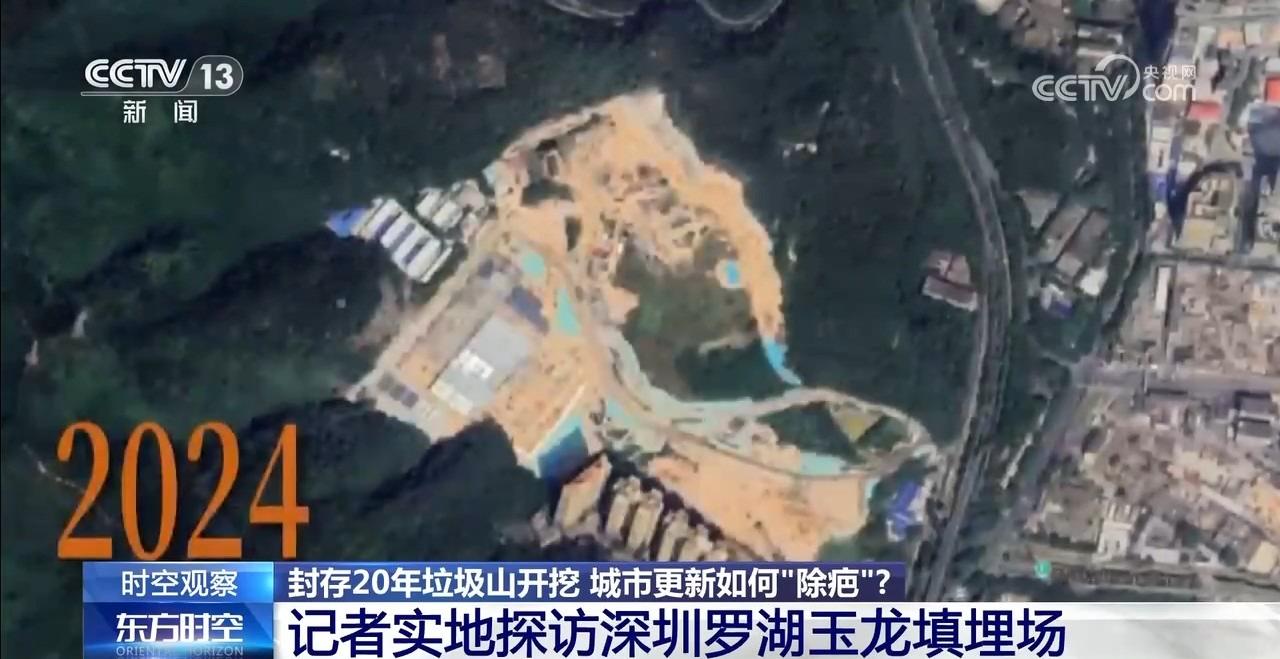
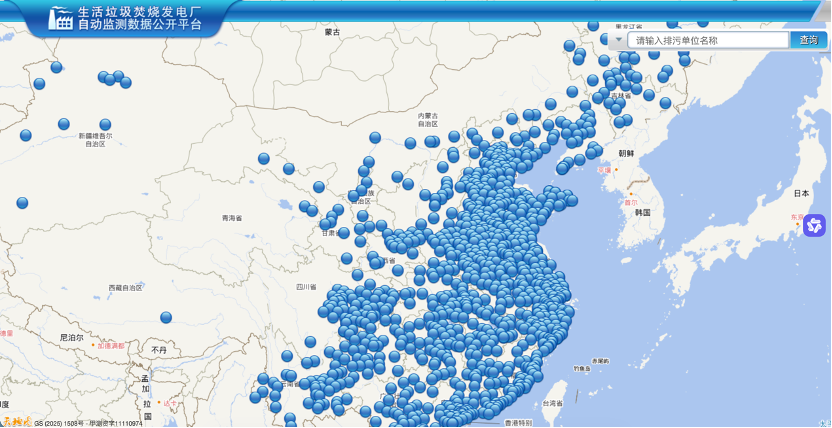
Core Viewpoint - The article discusses the significant advancements in waste management in China, particularly focusing on the transition from traditional landfill methods to waste incineration, highlighting the ongoing large-scale projects aimed at environmental remediation and the technological innovations that have made waste a resource rather than a burden [1][2][4]. Group 1: Waste Management Developments - The Yulong landfill site in Shenzhen is undergoing the largest waste relocation project in China, with an expected completion date of September 2026 [1]. - The total volume of waste at the Yulong landfill was approximately 2.5 million cubic meters, equivalent to filling 1,000 Olympic-sized swimming pools [1]. - In 2024, the national urban household waste collection volume is projected to reach 262 million tons, up from 158 million tons in 2010 [3]. Group 2: Technological Advancements - China has made significant progress in waste incineration technology, transitioning from a follower to a leader in the field, with key advancements in combustion efficiency and pollution control [2][7]. - The market for waste incineration power generation in China is estimated to be around 73 billion yuan in 2024, reflecting a decrease from the nearly 100 billion yuan peak in 2020 due to reduced waste availability [5]. - The dominant technology in waste incineration is the mechanical grate furnace, which holds over 80% market share due to its stability and adaptability to China's waste characteristics [7]. Group 3: Industry Structure and Market Dynamics - The waste incineration power generation industry has developed a complete industrial chain, including waste collection, equipment manufacturing, and project operation [4]. - As of early 2025, over 1,000 waste incineration power plants are operational in China, but some regions face a "not enough waste to burn" issue, with average capacity utilization around 60% [9]. - Major players in the industry include China Everbright International, Sanfeng Environment, and Huaneng Environment, with a competitive landscape characterized by a few leading firms [12][13]. Group 4: Policy and Regulatory Environment - The Chinese government has prioritized waste incineration as a key direction for solid waste management since the 11th Five-Year Plan, further emphasizing its importance in the context of carbon neutrality and "zero waste cities" [4]. - Strict regulatory requirements mandate that all incineration plants install automatic monitoring systems to ensure compliance with environmental standards [8]. Group 5: Future Outlook and Challenges - Companies are exploring new waste sources and innovative technologies to enhance operational efficiency and address the issue of insufficient waste supply [13]. - The successful excavation of the Yulong landfill exemplifies the capability to tackle long-standing waste management challenges through advanced technologies [14].

军信股份下属公司签订伊塞克湖州垃圾科技处置项目投资协议
Mei Ri Jing Ji Xin Wen· 2026-01-26 05:29
(文章来源:每日经济新闻) 每经AI快讯,1月26日,军信股份午间公告:公司下属公司军信环保(伊塞克湖)有限公司近日与吉尔 吉斯共和国内阁签署《吉尔吉斯共和国伊塞克湖州垃圾科技处置项目投资协议》,双方明确了伊塞克湖 州垃圾科技处置项目的投资相关事宜。该项目垃圾处理规模总体规划为2000吨/日,初期先由下属公司 在阿克苏区及巴雷克奇市分别建设一个处理规模为600吨/日的垃圾科技处置发电站,后期再根据垃圾量 以及国家机构要求新建处理线。项目包含两个垃圾科技处置发电项目(垃圾焚烧发电站)的建设,总投 资额不少于1.4亿美元。 ...
军信股份(301109.SZ)下属公司签订吉尔吉斯共和国伊塞克湖州垃圾科技处置项目投资协议
智通财经网· 2026-01-26 03:53
该项目垃圾处理规模总体规划为2000吨/日,初期先由投资者在阿克苏区及巴雷克奇市分别建设一个处 理规模为600吨/日的垃圾科技处置发电站,后期再根据垃圾量以及国家机构要求新建处理线。项目包含 两个垃圾科技处置发电项目(垃圾焚烧发电站)的建设,总投资额不少于1.4亿美元。 智通财经APP讯,军信股份(301109.SZ)发布公告,公司下属公司军信环保(伊塞克湖)有限公司(以下简 称"下属公司"或"投资者")于近日与吉尔吉斯共和国内阁签署了《吉尔吉斯共和国伊塞克湖州垃圾科技 处置项目投资协议》,双方明确了伊塞克湖州垃圾科技处置项目(以下简称"垃圾科技处置项目")的投资 相关事宜。 ...
生活垃圾在合肥这里“变废为宝”
Xin Lang Cai Jing· 2026-01-24 01:04
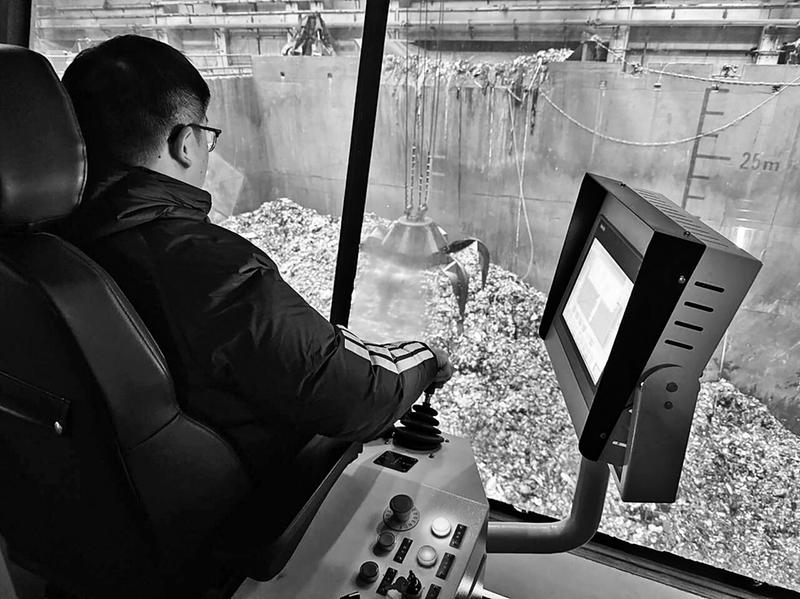
Core Insights - The article highlights the operation of the largest municipal solid waste incineration power generation project in Anhui Province, known as the Longquan Mountain Environmental Energy Company, which marks a significant shift in waste management practices in Hefei City towards "full incineration and zero landfill" [3][4]. Group 1: Project Overview - The Longquan Mountain project began operations after the closure of Hefei's largest landfill in April 2021, transitioning to a waste management model focused on incineration [3]. - The facility processes between 240 to 280 garbage trucks daily, primarily during the early morning hours [3]. Group 2: Operational Efficiency - A giant grabber at the facility can lift 8 to 10 tons of waste at a time, converting it into approximately 3,600 kilowatt-hours of electricity through incineration [3]. - The centralized control room monitors all operational aspects, ensuring efficient management of the waste-to-energy conversion process [3]. Group 3: Environmental Impact - By the end of 2025, the company aims to process a total of 4.721 million tons of waste, generating 2.014 billion kilowatt-hours of electricity, which will reduce carbon dioxide emissions by approximately 1.5709 million tons and save about 604,200 tons of standard coal [4]. - The project also utilizes biogas generated during waste processing to produce additional electricity for self-consumption, promoting resource recycling and effective waste management [4][5].
西宁生活垃圾发电量创新高
Xin Lang Cai Jing· 2026-01-21 18:32
为解决环湖地区生活垃圾处理难题,提升区域生态环境保护水平,西宁市发挥省会城市支撑作用,"立 足西宁、服务全省",主动向海南州、海北州等环青海湖地区开放垃圾焚烧处理设施。将海北州海晏 县、门源回族自治县、刚察县、海南州共和县的生活垃圾,以及海晏县生活垃圾填埋场渗滤液转入西宁 市生活垃圾焚烧发电厂协同处置。截至目前,西宁市累计接收处置青海湖周边地区生活垃圾12.67万 吨,协同处置海晏县生活垃圾填埋场渗滤液592.64吨。 本报西宁讯 (记者 李延平) 1月21日,记者从西宁市城市管理局获悉,2025年,西宁市生活垃圾焚烧 发电厂共接收处置生活垃圾89.20万吨,发电量达4.21亿千瓦时,创历史新高。 2025年以来,西宁市不断巩固深化生活垃圾"零填埋"和无害化处理成效。优化完善垃圾收运处置体系, 印发实施《关于进一步加强城乡生活垃圾收运管理的指导意见》《关于进一步加强生活垃圾转运站运行 管理工作的通知》等文件,督促县、区、园区完善垃圾转运站运行管理台账,规范垃圾转运站接收、卸 料、压缩、运输全流程管理,优化生活垃圾收运模式,建立全市小区楼院生活垃圾运输责任清单,加强 督导检查,生活垃圾"日产日清"。同时,不断强 ...
城市废弃物,如何从“负担”变“资源”?
Xin Lang Cai Jing· 2026-01-20 19:55
Core Insights - The article highlights the transformation of waste management in Qingdao, where waste is being repurposed into valuable resources through various innovative methods, contributing to green development and sustainability [1] Group 1: Community Initiatives - The "Zero Waste Community" initiative in Qingdao has gained recognition, with 11 neighborhoods participating in a project that showcases effective waste management practices, contributing to the upcoming COP30 conference [2] - Community engagement is crucial, as residents actively participate in waste sorting and composting, leading to the establishment of a closed-loop system for organic waste [3] Group 2: Smart Recycling - Qingdao has implemented smart recycling machines in 2,276 neighborhoods, significantly improving the collection and recycling of waste materials, thus enhancing community participation [4][5] - The smart recycling model has led to a 10% reduction in household waste in the Liqing District, saving approximately 5.57 million yuan annually in transportation and environmental compensation costs [6] Group 3: Waste-to-Energy Solutions - Qingdao has transitioned to a waste-to-energy model, achieving zero landfill for primary waste since 2020, with seven incineration plants generating 1.32 billion kilowatt-hours of electricity annually, enough to power nearly 600,000 households [7] - The former landfill site has been transformed into an eco-friendly park, demonstrating the potential for repurposing waste management facilities into community resources [8]
(乡村行·看振兴)山西黎城:探索多元路径 助力乡村可持续发展
Xin Lang Cai Jing· 2026-01-19 13:05
Core Insights - Shanxi Province's Licheng County is advancing sustainable rural development through the "Danquan River Valley" initiative, focusing on improving living environments and deepening cultural tourism industries with support from central special lottery public funds [1][3][4] Group 1: Waste Management and Environmental Improvement - The "Danquan River Valley Waste Management Project" aims to address waste disposal issues in the region by implementing centralized collection and harmless treatment of waste from six administrative villages, funded entirely by central special lottery public funds [3] - The project is expected to enhance overall environmental hygiene, laying a foundation for the development of ecological tourism and wellness industries while creating public welfare jobs at the village and town levels [3] Group 2: Cultural and Tourism Development - The "Zhaishang Yuanchang Project," supported by central special lottery public funds, focuses on revitalizing idle land in Yuanquan Village to enhance the tourism experience by creating a high-end homestay cluster with a total construction area of nearly 3,000 square meters [4] - This project aims to increase collective asset income for the village and provide stable employment and skill enhancement for local residents, exemplifying the transformation of ecological resources into economic benefits [4] Group 3: Comprehensive Development Strategy - In addition to the projects funded by public funds, Licheng County is also improving road accessibility and ecological landscapes through various infrastructure projects, including road repairs and ecological restoration [6] - The establishment of a multi-faceted industrial system integrating agricultural research, ecological leisure, and boutique tourism is underway, supported by social capital investments [6] - A diverse interest linkage mechanism involving village collectives, companies, and farmers is being implemented to ensure that development benefits reach the broader community, resulting in significant growth in collective economies across six villages [6]
封场20年垃圾山开挖 深圳为城市更新根治“顽疾”
Yang Shi Wang· 2026-01-19 03:09
Core Viewpoint - The article discusses the unprecedented "urban scar repair surgery" taking place in Shenzhen's Luohu district, focusing on the Yulong landfill environmental restoration project, which is the largest full-scale excavation and garbage relocation project in China to date [1][7][21]. Group 1: Project Overview - The Yulong landfill, operational from 1983 to 1997 and closed since 2005, contains approximately 2.5 million cubic meters of waste, equivalent to filling 1,000 Olympic-sized swimming pools [7][9]. - The project aims to excavate around 4.1 million tons of waste by September 2026, with the current excavation depth reaching nearly 30 meters [5][12]. Group 2: Environmental Management - To mitigate odors and dust during excavation, the project employs a comprehensive HDPE membrane covering and a "new air system" that injects fresh air while extracting methane gas from the landfill [6][9]. - The project utilizes advanced screening technology, capable of processing 6,000 tons of waste daily, to sort materials into three categories: humus soil, lightweight materials, and inorganic aggregates [12][13]. Group 3: Waste Treatment and Resource Recovery - The lightweight materials are sent to waste-to-energy plants for incineration, while inorganic aggregates are repurposed, and humus soil is disposed of safely [13][18]. - The incineration process is designed to minimize toxic emissions, with stringent temperature controls ensuring that dioxins are effectively decomposed [16][18]. Group 4: Urban Renewal and Future Development - The project is part of a broader urban renewal strategy, aiming to transform the excavated land into valuable resources for emerging industries such as artificial intelligence and digital economy [20][23]. - The initiative represents a shift from passive environmental management to proactive remediation, establishing a model for sustainable urban development that integrates environmental restoration with future land use [21][23].