
轨道交通建设

Search documents
深惠城际大鹏支线一工区盾构区间贯通,项目进入轨道铺设阶段
Nan Fang Du Shi Bao· 2026-01-19 13:25
Core Insights - The completion of the shield tunneling for the Shenzhen-Huizhou Intercity Dapeng Branch marks a significant milestone in the construction of the project, paving the way for the next phase of track laying and ensuring timely operation of the entire line [1][5] - The Dapeng Branch is a crucial part of the intercity railway network in the Guangdong-Hong Kong-Macao Greater Bay Area, enhancing regional infrastructure connectivity [2] Group 1: Project Overview - The Dapeng Branch spans approximately 6.1 kilometers, starting from Longcheng Station and includes three working wells and two shield sections, all within a complex geological environment [2] - The project faced significant challenges due to the active fault structures and karst formations in the area, which were described by experts as a "moving geological museum" [2] Group 2: Technical Innovations - The project team implemented advanced technologies such as HSP pre-geological detection and integrated monitoring systems to achieve millimeter-level control over subsidence and geological conditions [3][4] - A tailored approach for each shield machine was adopted, optimizing parameters like cutter head speed and grouting pressure, which significantly improved excavation efficiency [4] Group 3: Economic and Social Impact - Once operational, the line will reduce commuting time from Longgang to Dapeng to 30 minutes, enhancing travel convenience for residents and promoting regional economic development [5] - The project is expected to strengthen transportation links between Longgang, Pingshan, and Dapeng, contributing to the optimization of urban space and efficient flow of economic factors in the region [5]
河北石家庄:地铁6号线加速建设
Xin Lang Cai Jing· 2026-01-19 09:58
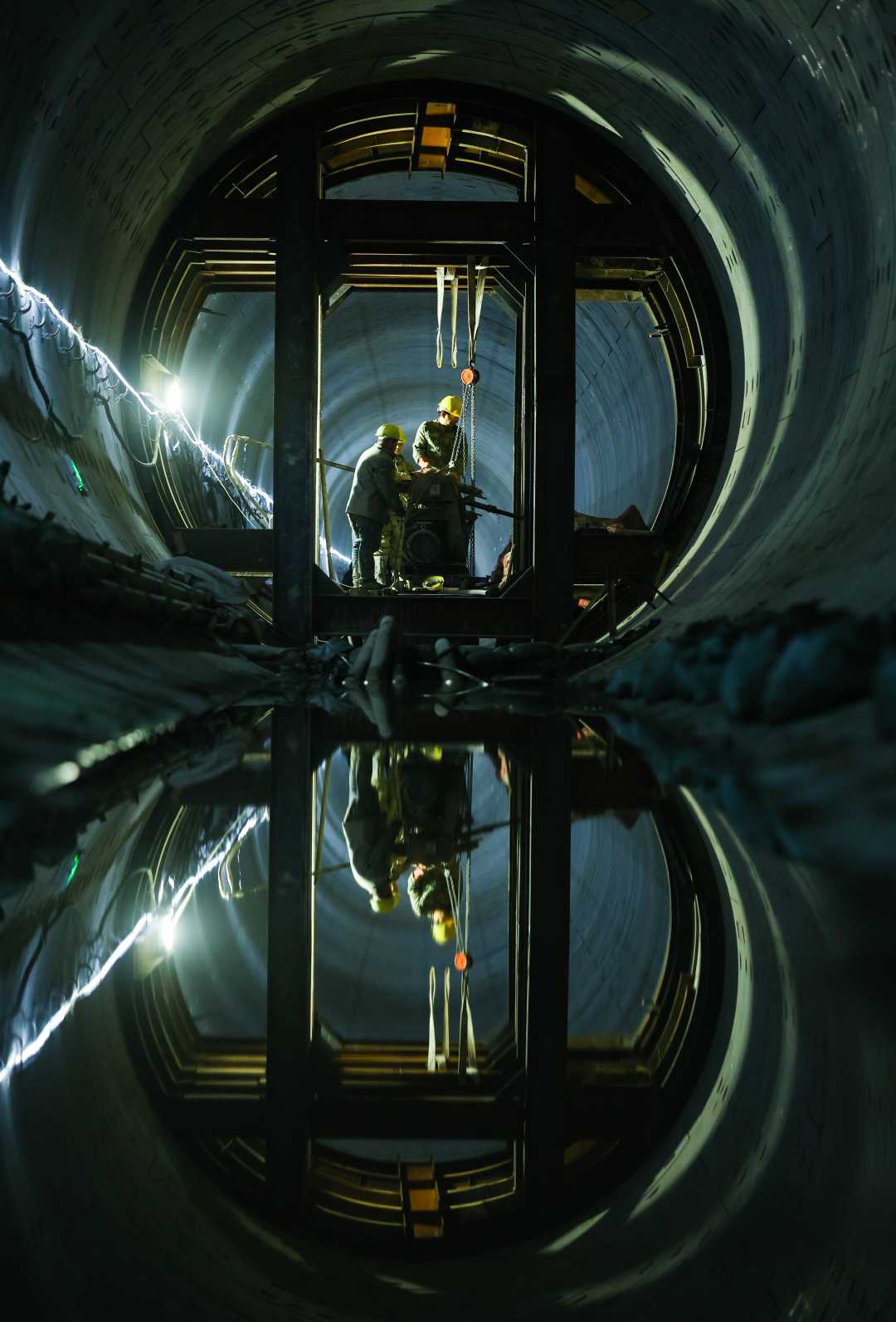
(来源:经济日报) 转自:经济日报 1月19日,工人在河北省石家庄地铁6号线一期工程隧道内施工。 当日,该线路一期工程仓宁东路站——仓盛东路站区间双线贯通,整体工程建设全速推进建设。据介绍,石家庄地铁6号线一期工程线路起自二十里铺 站,终至东佐路站,全长约12.75公里,设站9座,建成后将充分发挥轨道交通在优化城市产业空间布局的积极作用。 梁子栋摄(中经视觉) ...

南京首条跨省地铁线通过验收,“城轨上的都市圈”加快推进
Yang Zi Wan Bao Wang· 2026-01-14 11:51
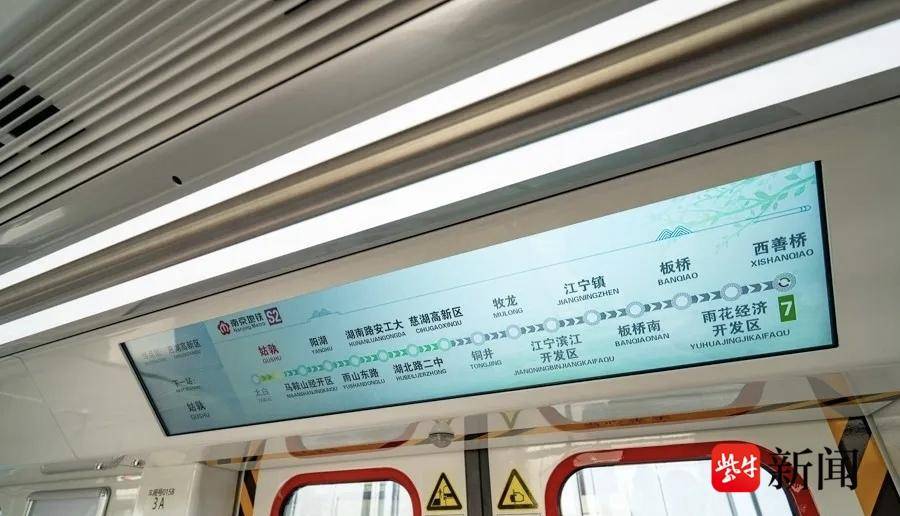
扬子晚报网1月14日讯(记者姜婧仪通讯员宁建轩)记者从南京市建委获悉,近日,南京首条跨省地铁线——S2号线一期工程已通 过项目验收,正进行不载客试运行。在都市圈一体化发展背景下,南京按照城建计划,加快建设"城轨上的都市圈",持续推进 S2宁马线、S4宁滁线、S5宁扬线等市域(郊)铁路项目。 南京至仪征线(含扬州延伸线)市域(郊)铁路(南京地铁S5号线),起于南京市地铁4号线仙林湖站,止于扬州火车站,线路全长 57.80公里,共设车站16座。其中南京段线路总长度约25.10公里,共设车站8座。目前,南京段处于土建工程施工阶段,已有2座 地下车站启动土方开挖和主体结构施工。 未来,南京将持续推进S2宁马线、S4宁滁线、S5宁扬线建设,助力打造宁马滁和宁镇扬两个同城化片区,通过加快同城共建, 形成以南京为中心、放射状的城际轨道、快速干线"双快交通网"。 校对陶善工 宁马线的魅力也体现在设计细节中。线路标识色选用胭脂色,列车车身以红飘带为设计灵感,巧妙融合南京云锦龙袍的龙纹与 马鞍山采石矶山脉元素,蕴含了宁马一衣带水的近邻同城关系。高架段将沿线的人文与地理融合到车站设计中,江宁滨江经济 开发区站以"起航"为主题,造型 ...
天津滨海轨道交通B1线一期三标段盾构区间全线顺利贯通
Zhong Guo Xin Wen Wang· 2026-01-14 08:47
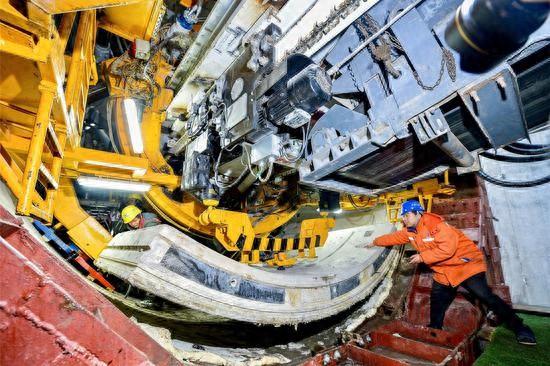
项目施工区域邻近既有铁路、高速公路,且多处存在高压线等危险源,区间地质为淤泥质软土地层,施 工技术要求高、难度大,关键性控制工程多。据介绍,自工程启动以来,项目部坚持高标准开局、高效 率推进,针对作业面邻近既有铁路、高速及多处高压线的复杂环境,以及淤泥质软土地层带来的技术挑 战,团队精心策划施工组织方案,合理调配资源,迅速开展作业面,为全线建设创造了有利条件。施工 过程中,技术团队围绕特殊地质与复杂环境,积极应用新技术、新工艺,盾构掘进阶段创新采用"试验 段+复核段+掘进段"模式,提前研判并动态优化掘进参数;在欣嘉园西站至国祥西道站等关键区间,克 服接收端粉砂夹粉质粘土层、近距离下穿建筑物等重大风险,成功运用垂直冷冻+钢套筒接收工艺,安 全精准实现盾构机出洞,展现了过硬的技术实力与风险管控能力。主线隧道贯通的同时,车站出入口、 风井等附属工程也基本同步完工,实现土建工程整体收官。 该线路建成后,将大幅提升新区南北向通行效率,优化城市空间布局,显著改善区域交通条件,对落实 新区发展战略、提升载体功能、强化与京津地区联动发展具有深远意义。届时,一条现代化交通动脉将 纵贯滨海,为区域经济社会发展注入强劲新动力。(完 ...
中国诚通发展集团附属与绍兴市柯桥区杭绍城际轨道交通建设投资订立售后回租协议
Zhi Tong Cai Jing· 2026-01-13 12:48
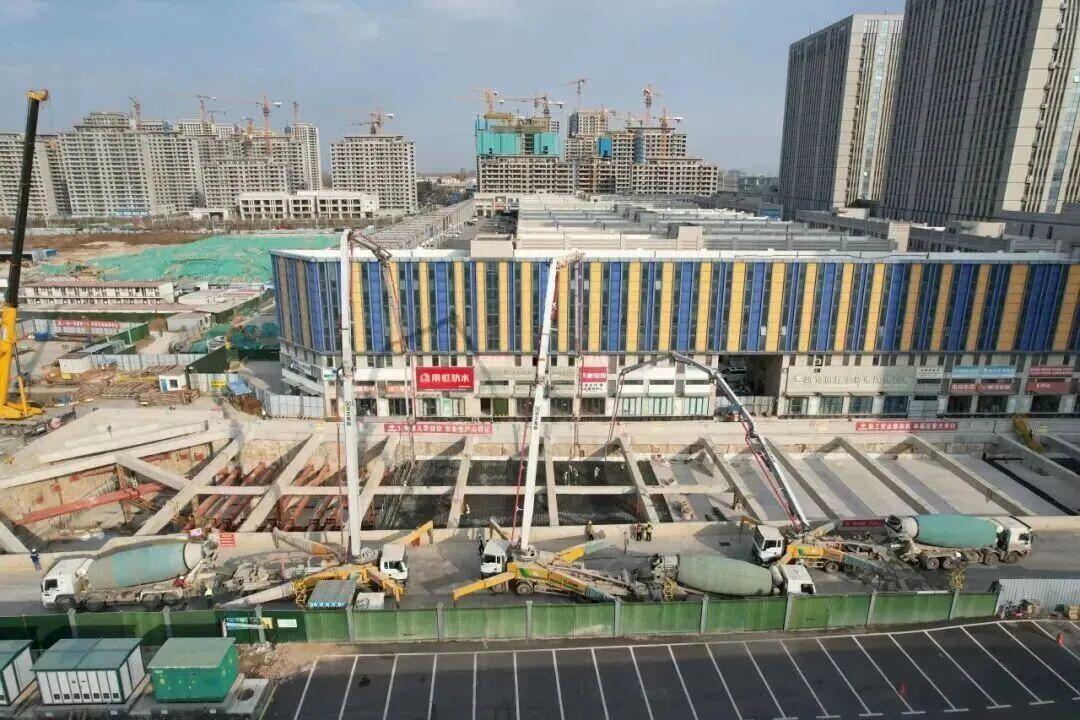
Core Viewpoint - China Chengtong Development Group (00217) announced a sale and leaseback agreement involving Chengtong Financial Leasing, which will purchase leasing assets and lease them back to the lessee for a period of three years, with the option for early termination [1] Group 1 - The agreement is with Shaoxing Keqiao Hangshao Intercity Rail Transit Construction Investment Co., Ltd. [1] - The leasing assets include various power supply equipment and complete sets of high and low voltage distribution equipment [1] - The transaction is set to take place on January 13, 2026 [1]
车站封顶、区间联络通道贯通~9号线建设迎来新进展
Qi Lu Wan Bao· 2026-01-13 08:45
齐鲁晚报.齐鲁壹记者季明智孟杰 近日,随着最后一方混凝土浇筑完成,济南轨道交通9号线黄河南岸站(以下均为工程名)主体结构封顶。至此,9号线全线12座车站主体结构全部封顶。当 前盾构掘进正稳步推进,王舍人北站——裴家营站(以下均为工程名)区间联络通道贯通。 该联络通道埋深19米,穿越粉质粘土地层,周边市政管线密布,富水软土环境让涌水涌砂风险居高不下,安全施工压力空前。岩溶裂隙地层、富水软土 区、卵石层交织的地质条件,为施工设下层层关卡。凤鸣北路站——毛庄站区间下穿多条管线,最小竖向净距仅6.1米;开源路站——王舍人北站区间纵 断面呈"V"字型陡坡,最小覆土12.33米且地质复杂;开源路站基坑地层敏感,地连墙成槽难度极大。 面对上述难题,9号线建设团队靶向施策,以技术创新力啃"硬骨头"。针对富水卵石层,他们为盾构机配备组合刀盘并动态调整开口率,使刀具磨损率降 低20%,同步升级盾尾密封;针对软土回填区风险,通过地质雷达定位软弱夹层,构筑"加固帷幕";在王裴区间联络通道施工中,团队采用土压平衡顶管 机,搭配钢套筒始发接收技术与三重盾尾刷密封系统,防范涌水涌砂风险;优化渣土改良配方,注入泡沫与膨润土混合浆液,破解粉质 ...
宁扬3号盾构机刀盘成功下井,宁扬城际项目稳步推进
Xin Lang Cai Jing· 2026-01-12 21:04
(来源:新华日报) 1月12日,在宁扬城际项目施工现场,巨大的"宁扬3号"盾构机刀盘被精准吊装进入始发井底,标志着该 盾构机核心部件成功下井,为后续整机组装与始发奠定了坚实基础。目前,现场各项工作正按计划有序 推进。 余祥 李双阳 摄(视觉江苏网供图) ...
南宁轨道交通6号线同定区间实现双线贯通
Xin Lang Cai Jing· 2026-01-10 00:53
Group 1 - The core point of the article is that the Nanning Rail Transit Line 6 has successfully achieved double-line tunneling in the section from Tongle Station to Dingqiupo Station, marking it as the first double-line section to be completed on the entire line [1] - The total length of the double-line tunnel in the Tongding section is approximately 1,883 meters, which includes crossing through 280 meters of full-section gravel layer and 230 meters of full-section fine sand layer [1] - The construction faced challenges such as high groundwater levels and strong permeability, which posed risks of surging, flowing sand, surface subsidence, and even collapse during the tunneling process [1] Group 2 - To ensure safety and quality during construction, participating units implemented three major measures: enhancing shield machine equipment modifications, establishing an intelligent monitoring platform, and introducing "four new" technologies [1] - The shield machine was equipped with a "four small components" system to strengthen risk management during tunneling, and a smart construction digital platform was created to enable real-time data upload and timely risk management [1] - The combination of "manual + intelligent" dual control has led to a safe and smooth construction process in the Tongding section, with excellent quality in the assembly of the formed segments [1]
无锡至宜兴S2线盾构机下线,穿太湖隧道工程迎新突破
Xin Lang Cai Jing· 2026-01-09 22:52
(来源:新华日报) 1月9日,由无锡地铁集团建设管理、中铁十四局等单位参建的国内首条穿太湖超大直径盾构隧道工程 ——无锡至宜兴城际轨道交通工程(锡宜S2线)迎来重大突破:两台14米级超大直径盾构机同步完成 工厂制造、成功下线,标志着S2线建设迈入崭新阶段,为"轨通锡宜"目标打下坚实基础。 通讯员 林凤 本报记者 邵丹 摄 ...
首批下穿太湖超大直径盾构机下线
Zhong Guo Zheng Quan Bao· 2026-01-09 20:52
Core Viewpoint - The successful launch of two 14-meter diameter shield machines for the Wuxi to Yixing intercity rail project marks a significant advancement in China's tunneling technology, particularly for large-diameter shield tunnels under water bodies [1] Group 1: Project Overview - The Wuxi to Yixing intercity rail project (Xiyi S2 line) is approximately 61 kilometers long and is managed by the Wuxi Metro Group with participation from China Railway 14th Bureau and other entities [1] - The project features a critical construction node, the tunnel section under Taihu Lake, which will utilize four 14-meter diameter slurry balance shield machines [1] Group 2: Technological Significance - This project represents the first large-diameter shield tunnel crossing under Taihu Lake in China, showcasing advancements in engineering capabilities [1]