
Smartphones

Search documents
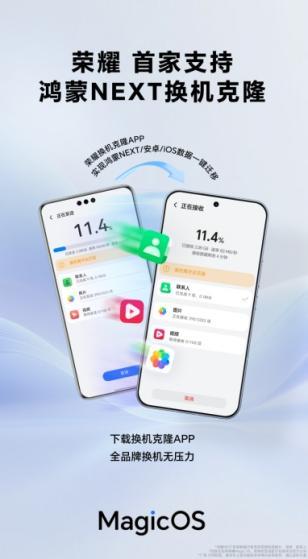
荣耀MagicOS首发支持鸿蒙NEXT换机克隆,实现全品牌互联互传
Huan Qiu Wang· 2025-08-07 10:21
Core Viewpoint - Honor has become the first terminal manufacturer to support HarmonyOS NEXT data migration, breaking down barriers between HarmonyOS NEXT, Android, and iOS devices, allowing users to easily transfer data across different ecosystems [1][3]. Group 1: Technological Breakthrough - The "Switch Clone" app developed by Honor enables one-click data migration from old devices to Honor devices, utilizing Honor's Nearby device connection capabilities and DFTP high-speed transmission technology [1][3]. - This advancement addresses common user pain points such as incomplete data transfer, complicated procedures, and slow transfer speeds when switching devices across different brands and operating systems [3][4]. Group 2: User Experience Enhancement - The introduction of this feature significantly improves the user experience during device transitions, allowing for seamless data transfer and setting a new standard for cross-ecosystem connectivity in the smartphone industry [3][5]. - Honor's Magic V5 is the first model to incorporate this functionality, with plans to extend it to more Honor models in the future, benefiting a wider user base [3][4]. Group 3: Brand Philosophy and Future Outlook - Honor's CEO has emphasized the company's commitment to achieving "full brand terminal interconnectivity," reflecting the brand's vision of "everything interconnected" [4]. - The support for HarmonyOS NEXT data migration is seen as a manifestation of Honor's long-term investment in technology research and ecosystem development, aiming to create a more intelligent and convenient user experience [4][5]. - Industry experts believe that as Honor continues to deepen its efforts in the "Internet of Everything" domain, more industry partners may join to collaboratively build a more efficient and user-friendly smart terminal ecosystem [5].

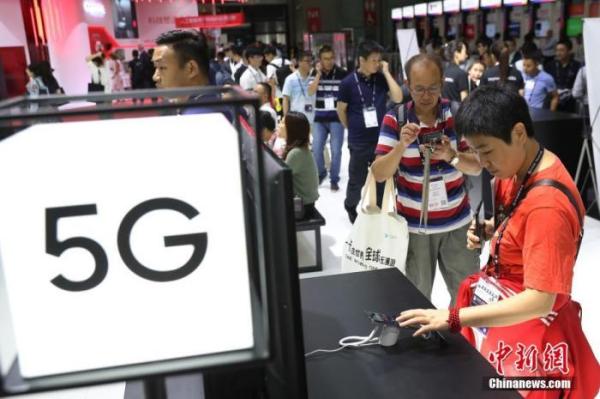
全球智能手机二季度营收首次超1000亿美元 上演“增收不增量”?
Zhong Guo Xin Wen Wang· 2025-08-07 07:20
Core Insights - The global smartphone market is experiencing a dichotomy, with record revenue growth alongside modest shipment increases [1] - In Q2 2025, global smartphone revenue reached over $100 billion for the first time, marking a 10% year-on-year increase, while shipment volume grew only 3% [1] - The average selling price of smartphones also hit a new high, rising 7% year-on-year to nearly $350 [1] Group 1: Market Performance - Q2 2025 global smartphone shipments slightly decreased to 288.9 million units, constrained by moderate consumer demand [2] - Most smartphone manufacturers performed steadily, relying on strong growth in specific regions to offset weak demand in others [2] Group 2: Regional Insights - In China, mobile phone users increased, with 5G users growing rapidly, reaching 1.118 billion by the end of June 2025 [2] - Huawei regained the top position in the Chinese smartphone market with 12.2 million units shipped, capturing 18% market share [2] - Vivo and OPPO followed with 17% and 16% market shares respectively, while Xiaomi achieved year-on-year growth for the eighth consecutive quarter [2] Group 3: Future Trends - The high-end smartphone trend is expected to continue, with revenue growth outpacing shipment growth in 2025 [4] - Emerging trends such as generative AI smartphones and foldable devices are anticipated to create significant growth opportunities for the global smartphone market [4] - Manufacturers are focusing on the upcoming third-quarter product launch season, emphasizing AI, foldable designs, and lightweight features to stimulate consumer demand before the holiday shopping season [4]


Counterpoint Research:5月中国市场智能手机平均电池容量同比增长11% 居全球首位
Zhi Tong Cai Jing· 2025-08-07 03:01
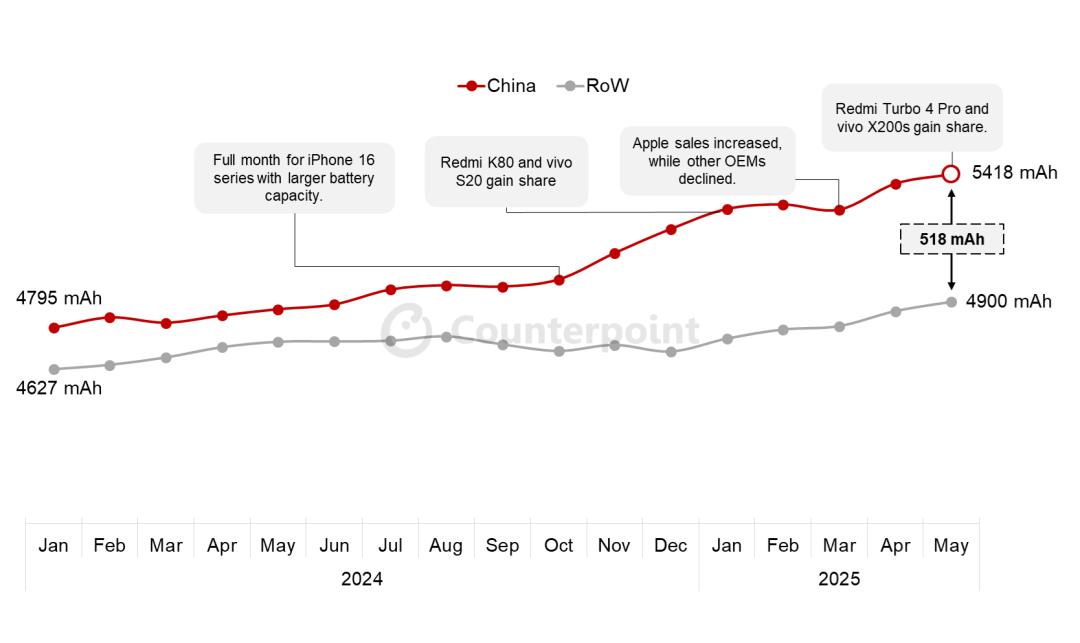
Core Insights - The average battery capacity of smartphones in the Chinese market reached 5418mAh in May 2025, marking an 11% year-on-year increase, while the global average only grew by 3% [1][3] - The adoption of silicon-carbon (SiC) batteries has significantly contributed to this growth, with a capacity difference of over 500mAh compared to other global markets [1][3] Battery Technology and Market Trends - SiC batteries offer higher energy density, allowing for larger capacities within the same physical size, and support thinner device designs [3] - The first smartphone featuring SiC batteries was launched in February 2023, with widespread adoption beginning in the second half of 2024, represented by popular models such as Honor X60 Pro, Redmi K80, and vivo S19 [3] - By May 2025, the market share of smartphones with battery capacities of 6000mAh and above surged from 9% to 35% year-on-year among major OEMs in China [3] Competitive Landscape - OnePlus leads in average battery capacity in the Chinese market with its Ace series, while brands like Honor, Huawei, and vivo also offer models with larger batteries tailored for the Chinese market [3] - Counterpoint Research anticipates that China will maintain its lead in battery capacity and may further widen the gap in the coming quarters, as more models are launched in China before being introduced globally [4] - As more OEMs promote large-capacity batteries as a differentiating feature, the gap between China and other global markets is expected to narrow over time [4]
Counterpoint Research:2025年Q2印度智能手机出货量同比增长8%
智通财经网· 2025-08-07 02:54
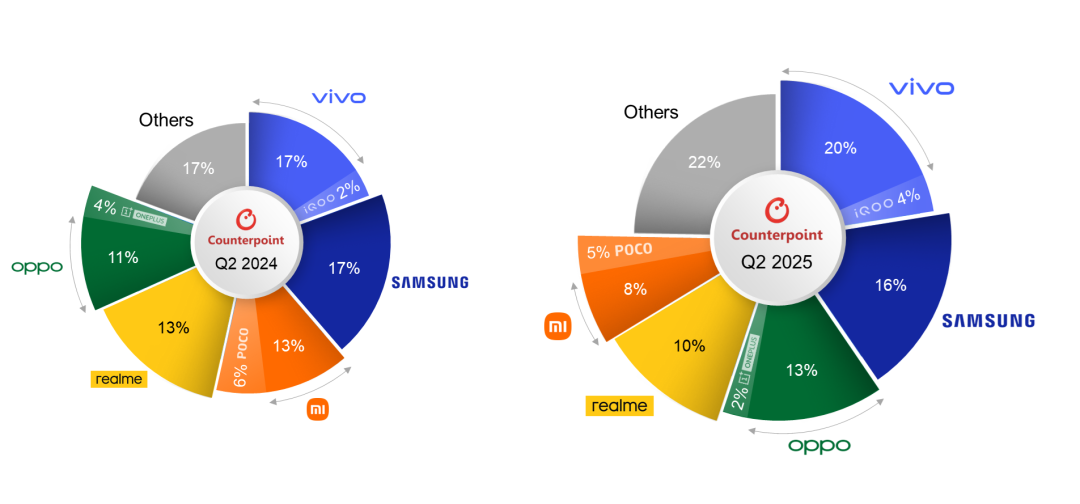
Core Insights - The Indian smartphone market experienced a robust rebound in Q2 2025, with shipments and wholesale value increasing by 8% and 18% year-on-year, respectively, driven by a 33% increase in new product launches and effective marketing strategies during the summer promotional period [1][2] - The improvement in the macroeconomic environment, including a decrease in retail inflation to a six-year low and a reduction in the central bank's repo rate, has boosted consumer confidence and spending, creating favorable conditions for non-essential purchases [1] Market Performance - The ultra-premium segment (priced above 45,000 INR, approximately 510 USD) saw a remarkable year-on-year growth of 37%, making it the fastest-growing price segment, contributing to the highest average selling price (ASP) and value for the Indian smartphone market in Q2 [2] - Apple and Samsung capitalized on this trend through trade-in programs, zero-interest EMI options, and limited-time summer discounts, making flagship devices more accessible to consumers [2] Brand Performance - Vivo achieved a 23% year-on-year growth in Q2 2025, driven by strong demand for its Y and T series in the 10,000-15,000 INR (approximately 110-170 USD) price range, with the T series performing well in offline channels [5] - Samsung maintained its growth momentum in the mid-to-high-end segment, supported by aggressive summer promotions for its A and S series, as well as attention on its N-1 flagship model [5] - OPPO secured the third position in the market, benefiting from strong performance of its updated A5 and K series, product portfolio optimization, and enhanced retailer collaboration [5] Other Key Insights - Nothing achieved a remarkable 146% year-on-year growth in shipments, becoming the fastest-growing brand for six consecutive quarters, primarily due to the launch of the CMF Phone 2 Pro and expansion of its retail network [8] - Motorola's shipments grew by 86% year-on-year, driven by strong demand for its G and Edge series, while Lava became the fastest-growing brand in the sub-10,000 INR segment with a 156% year-on-year increase [8] - MediaTek led the Indian smartphone chip market with a 47% share, followed by Qualcomm at 31%, with both companies experiencing a year-on-year shipment growth of 28% [8] - The iPhone 16 emerged as the highest-selling model in Q2 2025, contributing to Apple's record second-quarter shipments in India [8] - OnePlus recorded a 75% year-on-year growth in the ultra-premium market, driven by the performance of its 13 and 13R series, along with positive reception for the newly launched 13s series [9]
中国智能手机平均电池容量居全球首位
Ju Chao Zi Xun· 2025-08-07 01:49
Core Insights - The average battery capacity of smartphones in the Chinese market reached 5418mAh by May 2025, marking an 11% year-on-year increase, while the global average only grew by 3% [2][4] - The adoption of silicon-carbon (SiC) batteries has significantly contributed to this growth, with a capacity difference of over 500mAh compared to other global markets [2][4] Battery Technology and Market Trends - SiC batteries offer higher energy density, allowing for larger capacities within the same physical size, and support thinner device designs [4] - The first smartphone featuring SiC batteries was launched in February 2023, with widespread adoption beginning in the second half of 2024, represented by popular models such as Honor X60 Pro, Redmi K80, and vivo S19 [4] - By May 2025, the market share of smartphones with battery capacities of 6000mAh and above surged from 9% to 35% year-on-year, driven by major OEMs in China [4] Competitive Landscape - OnePlus leads in average battery capacity in the Chinese market with its Ace series, while brands like Honor, Huawei, and vivo also offer models with larger batteries tailored for the Chinese market [4] - Counterpoint Research anticipates that China will maintain its lead in battery capacity and may further widen the gap, as more models are launched in China before being introduced globally [5] - As OEMs increasingly promote large battery capacities as a product differentiation strategy, the gap between China and other global markets is expected to narrow over time [5]
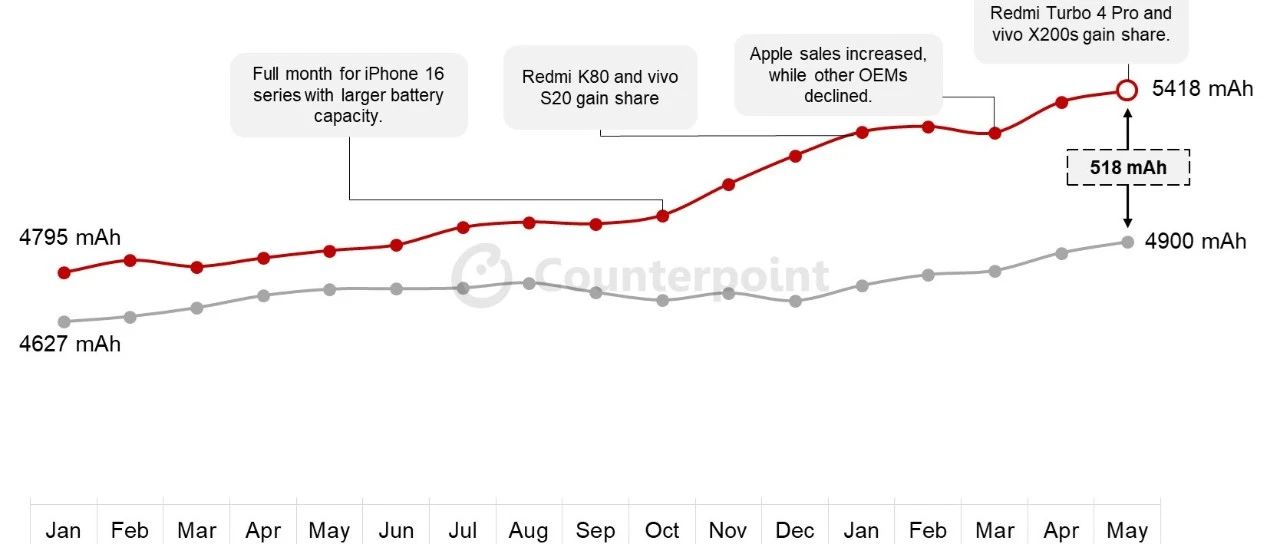
中国智能手机平均电池容量居全球首位,2025年5月同比增幅达11%
Counterpoint Research· 2025-08-07 01:03
Core Insights - The average battery capacity of smartphones in China is projected to reach 5418mAh by May 2025, marking an 11% year-on-year increase, while global markets see only a 3% growth [4][8] - The adoption of silicon-carbon (SiC) battery technology is significantly contributing to the higher battery capacities in China, with a notable increase of over 500mAh compared to global averages [4][8] - Major OEMs in China are experiencing double-digit year-on-year growth in average battery capacity, with the market share of smartphones with 6000mAh and above rising from 9% to 35% within a year [6][8] Battery Technology Trends - SiC batteries offer higher energy density, allowing for larger capacities within the same physical size, and support thinner device designs [6] - The first smartphone featuring SiC batteries was launched in February 2023, with widespread adoption expected to begin in the second half of 2024, represented by popular models such as Honor X60 Pro, Redmi K80, and vivo S19 [6][8] - The trend of increasing battery capacity is likely to continue as more OEMs adopt new battery technologies to address consumer demands for longer screen usage times and high-energy applications [6][8] Market Positioning - Counterpoint Research anticipates that China will maintain its leading position in smartphone battery capacity in the coming quarters, potentially widening the gap as more models are launched in China before being introduced globally [7] - As global OEMs await further maturation of battery technology, growth in other regions is expected to be gradual, although the gap in battery capacity may eventually narrow as more manufacturers promote large-capacity batteries as a differentiating feature [7]
Apple's bigger issue continues to be its missing AI, says Wedbush's Dan Ives
CNBC Television· 2025-08-06 19:41
Here to discuss star Wedb Bush analyst Dan Ies and CNBC tech correspondent Steve Kovac. It's good to have you both with us. Dan, you first best day for the stock since May.Is this in fact the start of something bigger. Look, I mean it removes clearly a big overhang in terms of the view Apple and Cook were on the wrong side of Trump, right. I mean they were on the bad side relative to over the last few months.So it's taken that that sort of lift here. you know, in terms of tariff exemptions, you you play nic ...

Apple Will Commit $100 Billion More to US Manufacturing, White House Source Says
CNET· 2025-08-06 17:09
Core Viewpoint - Apple is set to increase its investment in US production by an additional $100 billion, raising total commitments from $500 billion to $600 billion over the next four years as part of a new agreement with the US government [1][2]. Group 1: Investment and Employment - The new investment plan will include hiring 20,000 US workers over the same four-year period [2]. - The announcement is expected to be made at an event featuring Apple CEO Tim Cook [3]. Group 2: Production Strategy - Apple is adjusting its production strategy in response to high tariffs on imports from countries where it traditionally manufactures its products, such as China [4]. - The company has begun relocating some production to countries like India and Vietnam to mitigate tariff impacts and reduce dependence on Chinese supply chains [5]. - Apple aims to avoid significant price increases on its products, particularly with the upcoming launch of the iPhone 17 in September [5].
国内市场智能手机复合材料后盖渗透率连续三季度稳定在10%以上
CINNO Research· 2025-08-06 03:54
Core Viewpoint - The penetration rate of composite material back covers for smartphones in the Chinese market has remained stable at over 10% for three consecutive quarters [3]. Group 1: Market Trends - The trend of smartphone back cover penetration rates in the Chinese market from Q1 2023 to Q2 2025 shows a consistent increase [3]. - The market share of glass back covers among various smartphone brands has been analyzed, highlighting the competitive landscape [3]. - The market share of composite material back covers among different smartphone brands has also been assessed, indicating shifts in consumer preferences [3]. Group 2: Brand-Specific Analysis - The sales volume and market share of Apple smartphone back covers by specifications from Q1 2023 to Q2 2025 have been detailed [3]. - The sales volume and market share of Huawei smartphone back covers by specifications from Q1 2023 to Q2 2025 have been outlined [3]. - The sales volume and market share of Vivo smartphone back covers by specifications from Q1 2023 to Q2 2025 have been reported [3]. - The sales volume and market share of Xiaomi smartphone back covers by specifications from Q1 2023 to Q2 2025 have been documented [3]. - The sales volume and market share of OPPO smartphone back covers by specifications from Q1 2023 to Q2 2025 have been analyzed [3]. - The sales volume and market share of Honor smartphone back covers by specifications from Q1 2023 to Q2 2025 have been examined [3]. Group 3: Pricing Trends - The average price trends of smartphone back covers by specifications in the Chinese market from Q1 2023 to Q2 2025 have been tracked [3].
荣耀6月香港市场份额20.2%破历史新高,首超苹果进入TOP2
Feng Huang Wang· 2025-08-04 13:44
Group 1 - Honor's market share in Hong Kong reached 20.2% in June, marking a historical high and surpassing Apple to become the second-largest brand in the market [1] - The Honor X70 5G smartphone topped the sales charts for ten consecutive days, achieving the highest sales across all brands and models [1] - According to CounterPoint Research, driven by national subsidy policies, China's smartphone sales are expected to grow by 2.5% year-on-year in the first quarter of 2025, with Honor's market share at 13.7% [1]