电信设备

Search documents
欧盟正研究强制成员国移除华为和中兴设备,中方回应
Di Yi Cai Jing· 2025-11-11 08:07
Core Viewpoint - The Chinese government criticizes the EU's potential move to remove Huawei and ZTE from its telecom networks, arguing that such actions violate market principles and fair competition rules [1] Group 1: Economic Impact - Chinese companies have been operating in Europe in compliance with laws, providing quality products and services, and contributing positively to local economic development and employment [1] - The forced removal of Chinese telecom companies' equipment has reportedly delayed technological progress and resulted in significant economic losses for the countries involved [1] Group 2: Call for Fair Treatment - The Chinese government urges the EU to create a fair, transparent, and non-discriminatory business environment for Chinese enterprises to maintain investment confidence [1]

欧盟成员被要求排除中兴、华为设备,中方回应
Xin Lang Cai Jing· 2025-11-11 08:05
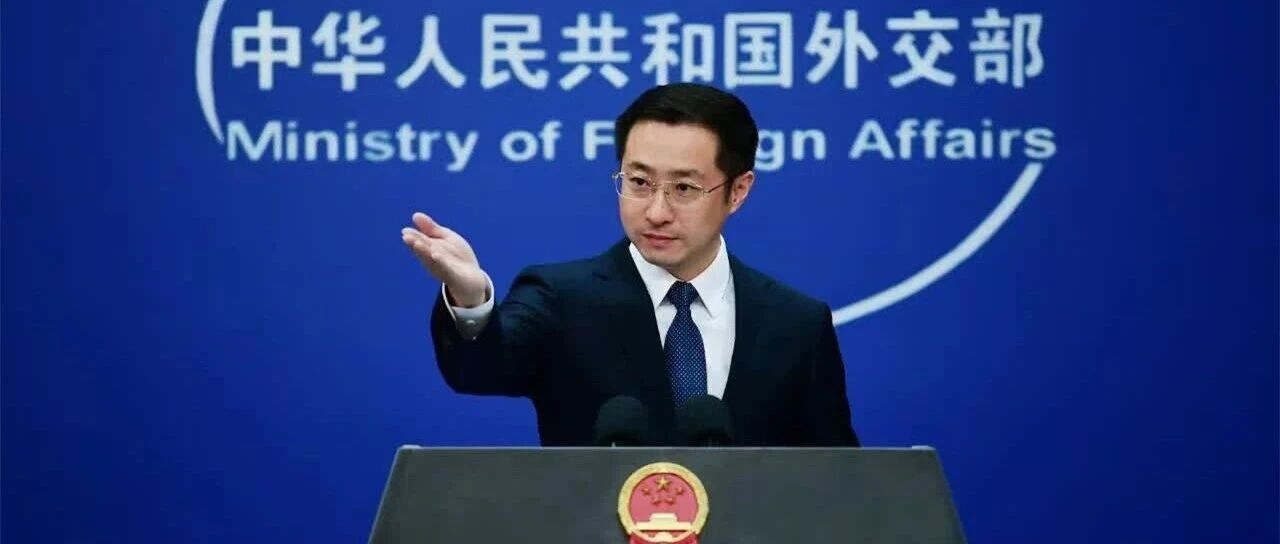
智通财经记者 聂舒翼 朱郑勇 林剑表示,中国企业长期在欧洲依法合规经营,为欧方的民众提供了优质的产品和服务,也为当地的经 济社会发展和就业作出了积极贡献。在没有法律依据和事实证据的前情况下,以行政手段强行限制甚至 禁止企业参与市场,这严重违反了市场原则和公平竞争规则。 林剑指出,事实证明,个别国家强行移除中国电信企业的优质安全的设备,不仅迟滞了自身技术发展的 进程,还造成了巨额的经济损失,将经贸问题泛安全化、政治化将阻碍技术进步和经济发展,损人不利 己。我们敦促欧盟为中国企业提供公平、透明、非歧视的营商环境,避免损害企业赴欧投资的信心。 责任编辑:何俊熹 11月11日,外交部发言人林剑主持例行记者会。彭博社记者提问,欧盟委员会日前要求欧盟成员国逐步 将华为与中兴的设备排除在其电信网络之外。外交部对此有何评论? ...
外媒称欧盟正研究强制成员国移除华为中兴设备,外交部回应
中国基金报· 2025-11-11 08:03
Group 1 - The core viewpoint of the article emphasizes that Chinese companies have been operating in Europe in compliance with laws and regulations, providing quality products and services while contributing positively to local economic development and employment [2] - The article highlights that the forced removal of Chinese telecom companies like Huawei and ZTE from EU networks, without legal basis or factual evidence, violates market principles and fair competition rules [2] - It is pointed out that such actions not only hinder technological progress but also result in significant economic losses for the countries involved [2] Group 2 - The article urges the EU to provide a fair, transparent, and non-discriminatory business environment for Chinese enterprises, to avoid damaging their confidence in investing in Europe [2]

欧盟正研究强制成员国移除华为和中兴设备,中方回应
第一财经· 2025-11-11 07:58
Core Viewpoint - The Chinese government criticizes the EU's potential move to remove Huawei and ZTE from its telecom networks, arguing that such actions lack legal basis and violate market principles, which could hinder technological progress and economic development [1]. Group 1: Impact on Chinese Companies - Chinese companies have been operating in Europe in compliance with local laws, providing quality products and services while contributing positively to local economic and social development [1]. - The forced removal of Chinese telecom equipment is seen as detrimental, causing significant economic losses and delaying technological advancements in the countries involved [1]. Group 2: Call for Fair Business Environment - The Chinese government urges the EU to create a fair, transparent, and non-discriminatory business environment for Chinese enterprises to maintain investment confidence [1].
欧盟正研究强制成员国移除华为和中兴设备?外交部回应
Xin Jing Bao· 2025-11-11 07:56
Core Viewpoint - The Chinese government criticizes the EU's potential move to force member states to remove Huawei and ZTE from their telecom networks, arguing that such actions violate market principles and fair competition rules [1] Group 1: Economic Impact - Chinese companies have been operating in Europe in compliance with laws, providing quality products and services, and contributing positively to local economic development and employment [1] - The forced removal of Chinese telecom equipment has not only hindered technological progress in the countries involved but has also resulted in significant economic losses [1] Group 2: Call for Fair Treatment - The Chinese government urges the EU to provide a fair, transparent, and non-discriminatory business environment for Chinese enterprises, emphasizing the need to avoid damaging investor confidence in Europe [1]
欧盟正研究强制成员国移除华为、中兴设备,外交部回应
财联社· 2025-11-11 07:49
Core Viewpoint - The Chinese government emphasizes the importance of providing a fair and transparent business environment for Chinese companies operating in Europe, particularly in light of the EU's potential actions against Huawei and ZTE [2][3]. Group 1: EU's Actions Against Chinese Telecom Companies - The EU Commission is reportedly considering measures to force member states to gradually remove Huawei and ZTE from their telecom networks [2]. - The Chinese government argues that such actions lack legal basis and factual evidence, and they violate market principles and fair competition rules [2]. Group 2: Economic Impact and Contributions - Chinese companies have been operating in Europe in compliance with local laws, providing high-quality products and services, and contributing positively to local economic development and employment [2]. - The forced removal of Chinese telecom equipment is said to hinder technological progress and result in significant economic losses for the countries involved [2]. Group 3: Call for Fair Treatment - The Chinese government urges the EU to ensure a non-discriminatory business environment for Chinese enterprises to maintain investment confidence [3].

欧委会要求欧盟成员排除中兴、华为设备,外交部:损人不利己
Xin Lang Cai Jing· 2025-11-11 07:48
Core Viewpoint - The Chinese government criticizes the EU's decision to phase out Huawei and ZTE equipment from its telecom networks, arguing that it undermines fair competition and market principles [1] Group 1: Economic Impact - Chinese companies have contributed positively to the European economy by providing quality products and services, as well as creating jobs [1] - The removal of Chinese telecom equipment is said to hinder technological progress and result in significant economic losses for the countries involved [1] Group 2: Market Principles - The Chinese government emphasizes that administrative measures to restrict market participation without legal basis or factual evidence violate market principles and fair competition rules [1] - The call for the EU to ensure a fair, transparent, and non-discriminatory business environment for Chinese enterprises is highlighted [1]
欧盟正研究强制成员国移除华为中兴设备,外交部回应
是说芯语· 2025-11-11 07:46
Core Viewpoint - The Chinese government emphasizes the importance of providing a fair and transparent business environment for Chinese companies operating in Europe, particularly in light of the EU's potential actions against Huawei and ZTE [1]. Group 1: EU Actions and Chinese Companies - The EU Commission is reportedly considering measures to gradually remove Huawei and ZTE from its telecommunications networks [1]. - Chinese companies have been operating in Europe in compliance with local laws, contributing positively to local economies and job creation [1]. Group 2: Market Principles and Economic Impact - The Chinese government argues that removing Chinese telecom companies without legal basis or factual evidence violates market principles and fair competition rules [1]. - The forced removal of Chinese telecom equipment has been shown to hinder technological progress and result in significant economic losses for the countries involved [1]. Group 3: Call for Fair Treatment - The Chinese government urges the EU to provide a non-discriminatory business environment to restore confidence in investment from Chinese companies [1].
“欧盟想强制成员国剔除华为和中兴设备”
Guan Cha Zhe Wang· 2025-11-11 03:04
Core Viewpoint - The European Commission is exploring measures to force member states to remove Huawei and ZTE equipment from telecom networks, potentially pressuring non-EU countries by withholding funding for projects using Huawei technology [1][3]. Group 1: EU's Actions and Proposals - The European Commission's Executive Vice President, Margrethe Vestager, aims to upgrade the 2020 recommendation to stop using "high-risk suppliers" into legally binding regulations [1]. - If the proposal becomes law, non-compliance by member states could lead to infringement lawsuits and economic penalties [1][4]. - The EU is increasingly focused on the risks posed by Chinese telecom equipment manufacturers amid rising tensions in trade and politics with China [3]. Group 2: Industry Reactions and Implications - Following the news, shares of Nokia and Ericsson saw significant increases, with Nokia rising by 5% and Ericsson by 3.7% [4]. - There is a growing trend in Europe to impose stricter restrictions on Chinese suppliers, with countries like Germany and Finland considering similar measures [4]. - The inconsistency in EU member states' approaches to Huawei creates significant security risks, according to hawkish voices within the EU [4]. Group 3: Counterarguments and Responses - China has strongly opposed the EU's claims of security risks associated with Huawei and ZTE, arguing that these companies have operated in Europe for years without compromising security [5][9]. - Spain has defended its contract with Huawei, stating it poses no security risks and complies with national security standards [8][9]. - Huawei criticized the EU's designation of it as a "high-risk supplier," claiming it lacks legal basis and violates free trade principles [9].
诺基亚申请退市
Guan Cha Zhe Wang· 2025-11-05 07:11
Core Viewpoint - Nokia has decided to delist its shares from the regulated market of Euronext Paris, citing a comprehensive assessment of trading volume, costs, and administrative requirements associated with the listing [1] Group 1: Delisting Decision - The delisting is expected to save Nokia significant regulatory fees and administrative burdens, estimated to be in the millions of euros [1] - Nokia's shares will continue to be listed on the Helsinki Nasdaq and its American Depositary Receipts (ADR) will remain on the New York Stock Exchange [1] - The decision has raised concerns among investors regarding Nokia's operational status, leading to a 4.76% drop in its U.S. stock [1] Group 2: Business Strategy and Market Position - The delisting coincides with a critical point in Nokia's business strategy transformation, shifting focus from mobile phones to network infrastructure, mobile networks (5G), cloud services, and technology licensing [2] - Nokia holds a 13% share of the global telecom equipment market, ranking second behind Huawei, which has a 31% share [4] - The company is facing challenges in the North American telecom market, with AT&T terminating a significant 5G contract with Nokia in favor of Ericsson [4] Group 3: Financial Performance - Nokia's Q3 financial report for the period ending September 2025 shows adjusted net sales of €4.833 billion, a 12% year-over-year increase, but operating profit declined by 10% to €435 million [5] - The company plans to increase investments in artificial intelligence, with NVIDIA announcing a $1 billion acquisition of a 2.9% stake in Nokia [5] - The partnership with NVIDIA aims to enhance Nokia's 5G and 6G software to run on NVIDIA chips, accelerating the development of AI-native mobile networks [5]