
Pharmaceuticals

Search documents
1 Reason I'm Never Selling Novo Nordisk Stock
Yahoo Finance· 2026-03-19 11:20
Core Viewpoint - Novo Nordisk is facing challenges in the GLP-1 market, leading to a decline in revenue guidance for 2026, yet there are strong reasons to remain optimistic about the company's future prospects [1] Group 1: Company Strengths - Novo Nordisk has a century-long reputation as a leader in the diabetes drug market, with significant breakthroughs and multiple generations of important drugs developed [2] - The company has established itself as a leader in the obesity drug market, which is closely linked to diabetes, indicating its capability to adapt and innovate [3] - Novo Nordisk's clinical experience positions it well to launch newer and improved products, despite competition from companies like Eli Lilly [4] Group 2: Manufacturing and Brand Advantages - The company possesses the manufacturing infrastructure and expertise necessary to produce GLP-1 therapies at scale, meeting rising demand more effectively than many peers [5] - Novo Nordisk's brand is widely recognized and trusted among physicians and patients, facilitating faster commercial adoption of new medicines [6] Group 3: Future Prospects - The company has several promising pipeline candidates in phase 2 and phase 3 studies, with expected significant clinical progress in the coming years [7] - Revenue growth is anticipated to rebound next year as new medicines, such as CagriSema, are introduced and label expansions take effect [7] - Novo Nordisk is currently trading at a forward price-to-earnings ratio of 10.4, significantly lower than the healthcare sector average of 17.8, making its shares attractive for long-term holding [7]

Armata Pharmaceuticals Delays Announcement of Fourth Quarter and Full-Year 2025 Results and Provides Corporate Update
Prnewswire· 2026-03-19 11:00
Core Viewpoint - Armata Pharmaceuticals has delayed the announcement of its financial results for Q4 and full-year 2025, while providing updates on its clinical developments and regulatory progress [1][2]. Financial Reporting - The company requires additional time to complete its financial reporting and plans to file its Annual Report on Form 10-K by March 31, 2026 [2]. Recent Developments - The FDA has granted AP-SA02, a multi-phage product candidate, QIDP designation for intravenous use in treating complicated S. aureus bacteremia [2][5]. - Armata plans to advance AP-SA02 into a Phase 3 clinical study following a successful End-of-Phase 2 meeting with the FDA [3][5]. - The company has formally commissioned its cGMP manufacturing facility in Los Angeles, completing full production runs [4][6]. Clinical Study and FDA Interaction - Armata has submitted a request for Fast Track Designation for AP-SA02, which could facilitate accelerated approval processes [5]. - The FDA provided guidance on the Phase 3 study design, which will assess AP-SA02's superiority over current treatments for complicated SAB, with the study expected to start in the second half of 2026 [5][7]. - Safety and efficacy data from the Phase 2a diSArm study were deemed sufficient to initiate the Phase 3 trial [5][7]. Manufacturing and Infrastructure - Armata's manufacturing facility spans approximately 56,000 square feet, including 10,000 square feet of cGMP clean rooms and quality control laboratories [6]. Clinical Results - Positive results from the Phase 2a diSArm study indicated that AP-SA02 was well-tolerated and showed clinical efficacy against both MRSA and MSSA, with trends toward rapid normalization of key health indicators [9]. - Patients treated with AP-SA02 demonstrated a higher and earlier cure rate compared to placebo, with a 100% response rate without relapse at one week and 28 days post-treatment [9]. Commitment to Antimicrobial Resistance - Armata's efforts align with addressing the growing antimicrobial resistance crisis and the need for new antibacterial therapies [5][7].



Eli Lilly's next-generation obesity drug retatrutide clears first late-stage diabetes trial
CNBC· 2026-03-19 10:45
Core Insights - Eli Lilly's next-generation obesity drug retatrutide has successfully completed its first late-stage trial for Type 2 diabetes patients, demonstrating significant improvements in blood sugar management and weight loss [1][2][3] Group 1: Drug Efficacy - Retatrutide reduced hemoglobin A1c levels by an average of 1.7% to 2% at 40 weeks compared to placebo, achieving the primary study goal [1] - At the highest dose, retatrutide helped patients lose an average of 16.8% of their weight, equating to 36.6 pounds, over 40 weeks [2] - The drug's A1C reduction, while not the highest in Lilly's portfolio, is still considered strong compared to other diabetes medications that do not target gut hormones [6] Group 2: Patient Experience and Safety - The discontinuation rate due to side effects was relatively low, at up to 5%, indicating a favorable safety profile [3] - Common side effects included gastrointestinal issues, with 26.5% of patients experiencing nausea, and lower rates for diarrhea and vomiting [10] Group 3: Competitive Landscape - Retatrutide is positioned as a key component of Lilly's obesity portfolio, alongside its existing drug Zepbound and the upcoming orforglipron [4] - Novo Nordisk is developing a competing drug that also targets multiple hunger-regulating hormones, but it is still in earlier stages of development [12][13] Group 4: Market Strategy - Lilly plans to report findings from seven additional phase three trials by the end of the year, although it has not yet filed for approval for retatrutide [5] - The company emphasizes the importance of having multiple treatment options for obesity and diabetes, as individual patient needs may vary [7][8]

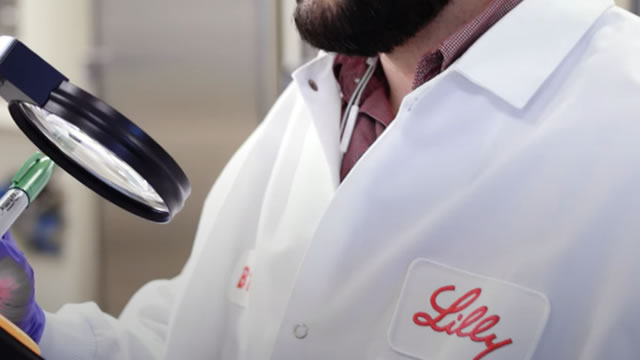
TALZENNA Plus XTANDI Significantly Improves Radiographic Progression-Free Survival in Metastatic Prostate Cancer
Businesswire· 2026-03-19 10:45
Core Insights - The Phase 3 TALAPRO-3 study demonstrated that TALZENNA in combination with XTANDI significantly improves radiographic progression-free survival in patients with HRR gene-mutated metastatic castration-sensitive prostate cancer [1][2][5] Study Results - The study met its primary endpoint, showing a statistically significant improvement in radiographic progression-free survival compared to placebo plus XTANDI, with a hazard ratio of 0.63 [2][5] - A strong trend toward improved overall survival was observed at the time of interim analysis, along with benefits in secondary endpoints such as overall response rate and duration of response [3][5] Patient Population - Prostate cancer is the second most common cancer in men globally, with an estimated 1.4 million new cases diagnosed in 2022 and 330,000 new cases expected in the U.S. in 2026 [4] - Approximately 25% of metastatic prostate cancers have alterations in DNA damage repair genes, which are associated with worse prognosis and higher progression rates [6] Regulatory and Market Implications - The results will be discussed with global health authorities to potentially expand the indication for TALZENNA in earlier stages of the disease [5][6] - TALZENNA plus XTANDI is already approved in 60 countries for HRR gene-mutated metastatic castration-resistant prostate cancer [7][12] Clinical Trial Details - The TALAPRO-3 trial enrolled 599 patients with mCSPC and was a multicenter, randomized, double-blind, placebo-controlled study [8] - The primary endpoint was investigator-assessed radiographic progression-free survival, with secondary endpoints including overall survival and patient-reported outcomes [9]


Novo Nordisk patent expiry opens door to cheaper weight-loss drugs in India
Reuters· 2026-03-19 09:22
Core Insights - The expiration of Novo Nordisk's patent on semaglutide is expected to lead to a surge in cheaper generic weight-loss drugs in India, significantly impacting the market dynamics [1][8] - Over 40 Indian pharmaceutical companies are anticipated to launch more than 50 generic brands shortly after the patent expiry, which will enhance access in a price-sensitive market [2][8] - The entry of generics poses a challenge to both Novo Nordisk and Eli Lilly, as they compete to maintain their market positions in India [5] Market Dynamics - Indian generic drugmakers are expected to offer their products at discounts of 50% to 60%, with monthly prices for the lowest dose potentially dropping from approximately 11,000 rupees to a range of 3,000 to 5,000 rupees, and eventually to around 1,500 to 2,500 rupees [9][10] - The obesity drug market in India is projected to grow from about 15 billion rupees to 80 billion rupees (approximately $856.6 million) by 2030, indicating a significant expansion in demand [6] Regulatory and Oversight Concerns - There are concerns regarding the potential misuse of generics and uneven regulatory oversight, particularly in urban markets where demand is high [4][8] - The Indian drug regulator's enforcement of prescription requirements has been inconsistent, which may lead to challenges in managing the introduction of generics [4] Physician Influence - The success of generic drugs will depend heavily on physician confidence and familiarity with the brands, as the Indian pharmaceutical market is largely driven by prescriptions [13] - An influx of generic products may overwhelm prescribers, leading to confusion and varying experiences with different brands [13][14] Brand Differentiation - Many generic manufacturers are choosing brand names that include "sema," which could contribute to confusion among prescribers and patients [14] - Over time, it is expected that trust will consolidate around a few reliable players, while weaker companies may exit the market due to poor quality and lack of differentiation [14]
X @Bloomberg
Bloomberg· 2026-03-19 08:28
Novo Nordisk is targeting Japanese patients willing to pay out-of-pocket for GLP-1 drugs such as Wegovy https://t.co/NQyHCefLpD ...
Roche Bets Splits in Obesity Market Will Open Door to New Entrants
WSJ· 2026-03-19 07:27
Core Insights - The pharmaceutical giant is re-entering the obesity market with the goal of becoming a top-three player, competing with Eli Lilly and Novo Nordisk [1] Group 1 - The company aims to establish a significant presence in the obesity treatment sector, indicating a strategic shift in its market focus [1] - The re-entry into the obesity market suggests a response to growing demand for effective weight management solutions [1] - The competitive landscape includes established players like Eli Lilly and Novo Nordisk, highlighting the challenges the company may face in gaining market share [1]
Evotec Receives $10 M Milestone from Bristol Myers Squibb Protein Degradation Collaboration for Clinical Study Initiation
Accessnewswire· 2026-03-19 06:50
Core Insights - Evotec has received a $10 million milestone payment from Bristol Myers Squibb (BMS) for the initiation of a Phase 1 clinical study of BMS-986506, a novel treatment for advanced clear cell renal cell carcinoma, the most common form of kidney cancer [1][2] - This clinical study marks a significant advancement in the strategic collaboration between Evotec and BMS, focusing on protein degradation and the development of molecular glue candidates [2][3] Group 1: Clinical Development - The dosing of the first patient in the Phase 1 clinical trial signifies the transition of Evotec-BMS oncology platform into clinical evaluation [1][2] - BMS-986506 is a cereblon E3 ligase modulator developed under the strategic partnership, which aims to create new treatment paradigms in oncology [1][3] Group 2: Collaboration and Technology - The collaboration combines Evotec's PanOmics and PanHunter platforms with BMS's library of CELMoDs, aiming to identify novel molecular glue degraders for high-value oncology targets [3][6] - Evotec's drug discovery platform utilizes high-performance multi-omics screening and AI-enabled data analytics to selectively target and eliminate disease-driving proteins [2][7] Group 3: Molecular Glue Technology - Molecular glue degraders represent a new class of therapeutics that can induce interactions between E3 ubiquitin ligases and target proteins, leading to their degradation [5][6] - This mechanism significantly expands the range of druggable proteins, addressing the limitations of conventional small molecule therapeutics [4][5]


2 Reasons to Buy Johnson & Johnson Stock Like There's No Tomorrow
The Motley Fool· 2026-03-19 05:45
Core Viewpoint - Johnson & Johnson (J&J) has transitioned by spinning off its consumer health business to focus on innovative medicine and medtech, despite facing challenges from the loss of exclusivity of its top-selling drug, Stelara [1][2] Group 1: Company Performance - J&J has shown resilience by managing growth in its two main businesses despite the decline of Stelara [2] - The company's shares have increased by 15% this year, contrasting with the S&P 500's decline, indicating strong performance during uncertain market conditions [4] - J&J has 28 platforms or products generating at least $1 billion annually, allowing it to move past the Stelara exclusivity loss [5] Group 2: Financial Metrics - J&J's market capitalization is $572 billion, with a current share price range between $235.50 and $239.11 [6] - The company has a gross margin of 67.97% and a dividend yield of 2.19% [6] Group 3: Dividend Growth - J&J is recognized as a Dividend King, having increased its dividend for over 50 years, demonstrating a commitment to shareholder returns [7] - The company pays a dividend of $5.20, which is higher than the S&P 500's dividend yield of 1.1%, making it an attractive option for passive income [9]

X @Bloomberg
Bloomberg· 2026-03-19 05:14
The companies developing new weight-loss medicines have a problem: the balance of power has shifted, and patients are bailing out of their clinical trials https://t.co/BocxOcXt5i ...