
医疗服务

Search documents
“最大的幸福就是看到患者平安”
Xin Lang Cai Jing· 2026-01-20 18:52
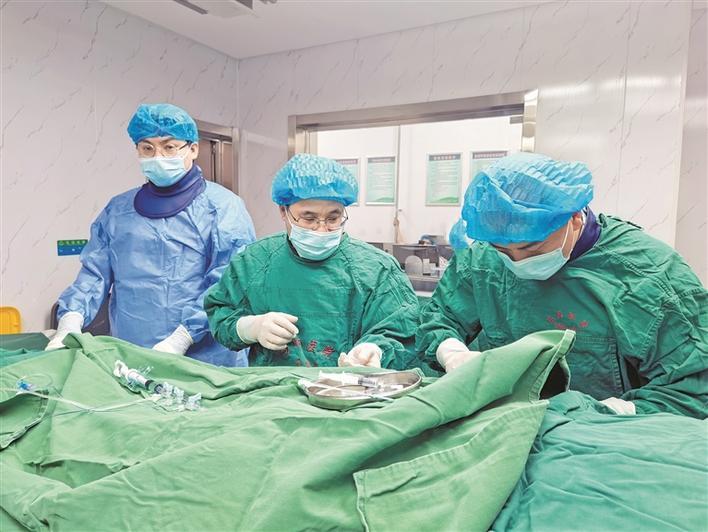
刘万宁的手机从不静音,也不关机。科室同事都说:"刘万宁的时间,总是跟着患者走的。"无论深夜或 节假日,只要电话响起,他总会第一时间出现在医院。参加工作以来,刘万宁平均每年完成急诊手术约 120台、平诊手术1000余台。数字背后,是他一次次深夜奔赴的身影。 心血管疾病发作急、变化快,尤其是急性心梗,抢救必须争分夺秒。自2009年以来,刘万宁带领团队持 续优化胸痛中心绿色通道,为四师可克达拉市及周边团场居民搭建起快速高效的生命通道。他说:"在 我们这里,时间是以秒计算的。" 刘万宁深知,精湛医术与先进设备缺一不可。心血管内科引进的新设备,他总是第一个钻研透彻;对国 内外前沿技术,他积极学习并引入实践。近年来,他多次赴乌鲁木齐、上海等地进修,将新技术、新理 念带回家乡,让患者无需远行,也能享受高水平医疗服务。 四师可克达拉市人民医院心血管内科主任刘万宁(中),在手术中带教年轻医生进行介入治疗操作(资 料图片)。 张玉娟 摄 ●兵团日报常驻记者 左洁 通讯员 于洋 1月10日早上6时,四师可克达拉市人民医院急诊科传来急促的脚步声。患者李奕(化名)被推入抢救 室,出现剧烈胸痛、呼吸急促等症状。心电图检查结果显示为,急性 ...

老外为何舍近求远来中国看病
Xin Lang Cai Jing· 2026-01-20 16:47
Core Viewpoint - The increasing trend of foreign patients seeking medical treatment in China is driven by the inefficiencies in their home countries' healthcare systems and the unique advantages of Chinese medical services [1][2]. Group 1: Patient Experiences - A 68-year-old Canadian, Franco Caputo, travels to China annually for medical treatment, citing long wait times and variable quality of care in Canada as reasons for his choice [1]. - Caputo has successfully treated conditions such as intestinal polyps, gastroesophageal reflux, and Helicobacter pylori infection at Peking Union Medical College Hospital [1]. Group 2: Growth in Foreign Patients - Hospital officials report that while the proportion of foreign patients remains small, there is a noticeable increase in their numbers [1]. - The expansion of visa-free travel options in China has also contributed to a rise in foreign patients seeking emergency care during their visits [1]. Group 3: Medical Advantages - China's healthcare system is noted for its advanced clinical experience and leading technical operations in specific medical specialties, such as proton therapy and targeted drugs, which are more affordable than in developed countries [2]. - Foreign patients are increasingly seeking treatment for complex conditions like tumors, cardiovascular diseases, and neurological disorders [2]. - The growing international recognition of traditional Chinese medicine, including acupuncture, moxibustion, and massage, has made these treatments popular among foreign patients [2].
免签来华,当天拍片当天拿报告!外国人为啥抢着来中国看病?
Xin Lang Cai Jing· 2026-01-20 15:49
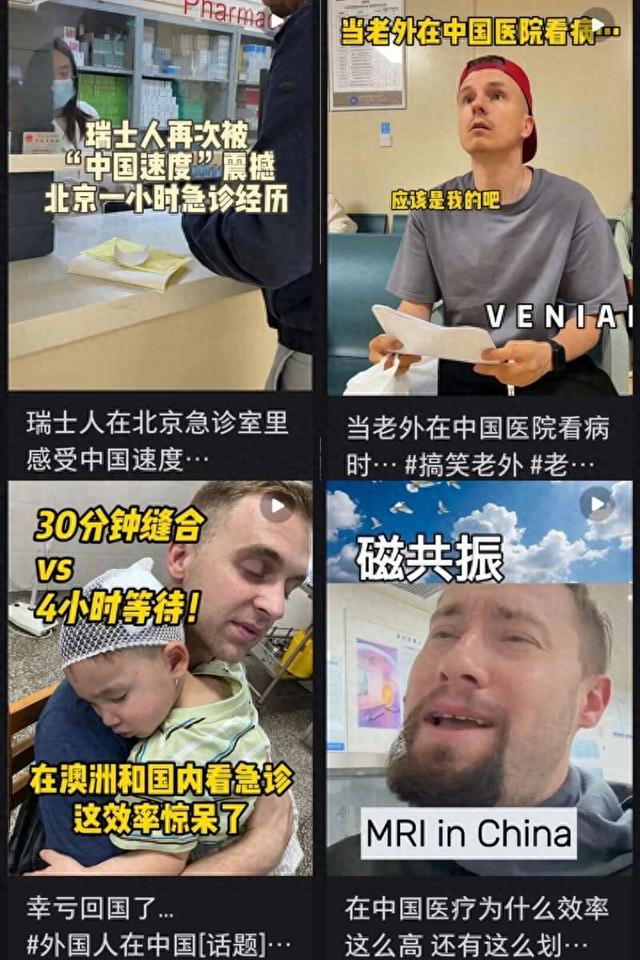
中国青年报客户端讯(中青报·中青网记者 王梓)谁能想到?2026年中国入境游最火的打开方式,居然 是"看病+旅游"。 社交媒体 截图 2026年开年,中国入境游迎来强劲开局。数据显示,多地旅游目的地客流均呈现显著增长,元旦假期外 国人出入境82.8万人次,同比暴涨29.8%;其中,免签入境的有29.2万人次,增幅高达35.8%。美国旅游 行业媒体"旅行与旅游世界"网站近日报道称,在免签政策红利加持与国际连通性不断提升的双重推动 下,中国的旅游格局正经历深刻转型,中国作为全球旅游目的地的吸引力日益增强。 以前老外来华,是"冲故宫、逛外滩、炫美食",现在不一样了,许多人拖着行李箱直奔医院——在北京 的三甲、广东的中医院、上海国际医学中心,持护照候诊的外国人并不鲜见。"边治病边旅游"的中国医 疗旅游,已经火出圈。 中国一些医院针对外国人推出的套餐,直接把老外看懵了。这性价比,放在全球都难找对手。难怪外国 网友又在小红书上"对账":这体验太"Crazy"! 在许多发达国家,患者经常被高昂的费用和漫长的等待时间所困扰。一个核磁共振检查排队一个月,一 个择期手术等待半年,并不罕见。而在中国,特别是顶尖的公立医院里,"中国 ...
近一年全国超20家公立医院设国际部
第一财经· 2026-01-20 15:33
Core Viewpoint - The article discusses the growing trend of international medical services in Chinese public hospitals, highlighting their appeal to foreign patients due to high-quality care at a lower cost compared to their home countries [3][4]. Group 1: International Patient Attraction - The primary reason foreign patients choose Chinese public hospitals is the high cost-performance ratio of medical services, with treatments costing significantly less than in developed countries [8][10]. - Public hospitals in the Guangdong-Hong Kong-Macao Greater Bay Area play a crucial role in attracting international patients, with Hong Kong University Shenzhen Hospital receiving patients from 129 countries and regions [7][8]. - Shanghai's public hospitals have expanded their international medical tourism pilot units to 22, aiming to enhance the city's international medical influence [8][10]. Group 2: Challenges Faced by Public Hospitals - Chinese public hospitals face challenges such as limited international exposure and insufficient understanding from international insurance companies [4][5]. - The need to maintain public welfare limits the resources that public hospitals can allocate to international medical services, especially amid tight medical resources [5][12]. - There is a discrepancy in service capacity between public and private hospitals, with private institutions currently having a larger overall service volume in the international medical market [8][12]. Group 3: Operational Dynamics of International Medical Departments - International medical departments in public hospitals often rely on a limited number of high-level doctors, which can lead to communication issues with patients [12][13]. - The operational model of public hospitals prioritizes domestic patients, which can affect the availability of specialists for international patients [12][13]. - Pre-treatment communication and logistical arrangements, such as visa and payment issues, are addressed proactively to facilitate the decision-making process for foreign patients [13][14]. Group 4: Payment and Insurance Considerations - International medical insurance is typically held by high-net-worth individuals, providing a strong payment capability for international medical services [14][15]. - Pre-payment of medical expenses is becoming more common, with funds being transferred before treatment begins, as seen in cases involving foreign patients [15][16]. - The article notes that while public hospitals excel in treating complex cases, they have limited capacity for outpatient and preventive services for international patients [16][17]. Group 5: Future Considerations for International Medical Services - The potential for public hospitals to extend their services to outpatient and preventive care for international patients remains a key consideration for future development [16][17]. - Achieving international accreditation for public hospitals could enhance their appeal in the international medical tourism market [16][17]. - Collaboration between public and private hospitals may improve the overall international influence of Chinese medical services, facilitating a more integrated approach to patient care [17].

中国国家医保局:前瞻性设立“远程手术辅助操作费”价格项目
Xin Lang Cai Jing· 2026-01-20 14:46
Core Viewpoint - The National Healthcare Security Administration of China is promoting the large-scale application of surgical robotic arms by establishing a new pricing project for "remote surgical assistance" to enhance the integration of advanced medical technologies into healthcare services [1][2]. Group 1: Pricing Guidelines and Projects - The National Healthcare Security Administration has accelerated the compilation and issuance of medical service pricing project guidelines, having released a total of 36 batches, with provinces averaging 30 batches implemented [1]. - The 37th batch of guidelines includes 37 pricing projects specifically for surgical and treatment assistance operations, along with 5 additional charge items and 1 expansion item, covering key technologies such as 3D printing, intraoperative guidance, and surgical robotic arms [1][2]. Group 2: Focus on Surgical Robots - The pricing guidelines focus on the participation level of surgical robots in operations and their clinical value in precision surgery, categorizing pricing into navigation, execution participation, and precision execution [2]. - A coefficient-based charging model is implemented, allowing surgical robots with higher participation, comprehensive functions, and precise execution to receive higher fee coefficients [2]. Group 3: Remote Surgery and Resource Allocation - The establishment of the "remote surgical assistance fee" pricing project aims to facilitate remote surgeries conducted by experts in resource-rich areas for patients in other regions, thereby reducing the burden of travel for patients seeking quality medical care [2]. - The National Healthcare Security Administration is closely monitoring innovations in the medical industry and has unified over a hundred prospective pricing projects related to new technologies and products, paving the way for gradual industrial upgrades and leading healthcare payment innovations [2].
老外“扎堆”来华就医,这事儿怎么看?
Xin Lang Cai Jing· 2026-01-20 13:43
Core Insights - The trend of foreign patients seeking medical treatment in China is increasing, driven by the perception of better healthcare services and shorter wait times compared to their home countries [2][5][7]. Group 1: Patient Demographics and Trends - The number of foreign patients in Chinese hospitals is growing, although they still represent a small percentage of total patients [2]. - Hospitals like Peking Union Medical College Hospital have reported a noticeable increase in foreign patients, particularly after 2024 [2]. - The majority of foreign patients come from countries such as Russia, Singapore, the United States, and Indonesia [2][6]. Group 2: Medical Services and Specialties - Foreign patients are particularly attracted to specialized medical services in fields such as oncology, cardiovascular diseases, and traditional Chinese medicine [5][6]. - The approval of new drugs for complex conditions has also led to an influx of foreign patients seeking treatment in China [3]. Group 3: Advantages of Chinese Healthcare - China's healthcare system offers unique advantages in certain medical specialties, with lower costs for advanced treatments compared to developed countries [5]. - Traditional Chinese medicine practices, such as acupuncture and herbal treatments, are gaining popularity among foreign patients [5][6]. Group 4: Impact on Domestic Healthcare - Concerns exist regarding the potential impact of foreign patients on domestic healthcare resources; however, regulations ensure that international medical services do not compromise basic healthcare for local residents [7][8]. - The development of international medical services is seen as a way to enhance the overall healthcare system, providing additional resources and innovative practices that can benefit domestic patients [7][8]. Group 5: Future Developments - The establishment of foreign-invested hospitals in select provinces is expected to meet the diverse healthcare needs of both foreign nationals and local residents [8]. - Experts suggest that improving service platforms and enhancing multilingual capabilities will further attract international patients to China [8].
近一年全国超20家公立医院设国际部,接住“流量”还有哪些挑战
Di Yi Cai Jing· 2026-01-20 13:40
Core Viewpoint - The development of international medical services in Chinese public hospitals is driven by the demand for high-quality, cost-effective healthcare, but faces challenges related to resource allocation and international recognition [1][2][3]. Group 1: Patient Demographics and Motivations - A significant number of international patients are drawn to Chinese public hospitals due to the high cost-effectiveness of treatments compared to their home countries, with costs for similar procedures being significantly lower in China [4][6]. - Patients from developed countries, such as Canada and the UK, often face long wait times for procedures, making the efficient service in China appealing [4]. - The influx of patients from various countries, including those from the Belt and Road Initiative, is attributed to the perceived superior medical technology and treatment options available in China [4][6]. Group 2: Challenges Faced by Public Hospitals - Public hospitals in China struggle with limited international exposure and recognition, which affects their ability to attract international patients [2][7]. - The need to maintain a focus on domestic patients limits the resources that public hospitals can allocate to international medical services [2][8]. - There is a disparity in service capacity between public and private hospitals, with private institutions often having a larger service volume and variety for international patients [3][10]. Group 3: Operational Dynamics of International Medical Departments - International medical departments in public hospitals often operate with a limited number of staff, which can impact service quality and patient communication [7][9]. - The operational model of public hospitals prioritizes domestic patients, leading to a situation where high-level clinical experts are not dedicated solely to international medical departments [7][8]. - Pre-treatment communication and logistical arrangements are crucial for international patients, with hospitals often addressing concerns about costs, treatment plans, and insurance coverage before arrival [8][9]. Group 4: Future Considerations and Opportunities - The potential for public hospitals to expand their services to outpatient and health check-up offerings for international patients remains limited due to resource constraints and the fragmented nature of demand [10]. - Achieving international accreditation could enhance the global recognition of Chinese public hospitals and attract more foreign patients [10][11]. - Collaborations between public and private healthcare institutions may provide a pathway to improve the international influence of Chinese medical services [11].
医药生物行业动态研究:AI药研或引产业革命,JPM大会再推行业新峰
Guohai Securities· 2026-01-20 13:35
Investment Rating - The report maintains a "Neutral" rating for the pharmaceutical and biotechnology industry [7][49]. Core Insights - The pharmaceutical sector has experienced a decline of 0.68% recently, ranking 19th among 31 primary sub-industries. The chemical pharmaceuticals, biological products, medical devices, pharmaceutical commerce, traditional Chinese medicine, and medical services have shown varying performance, with the medical services sector increasing by 3.29% [12][26]. - The collaboration between NVIDIA and Eli Lilly to establish an AI joint innovation lab aims to address long-standing challenges in the pharmaceutical industry, with a projected investment of up to $1 billion over five years [13]. - Tempus AI reported a revenue of approximately $1.27 billion for 2025, marking an 83% year-on-year increase, driven by significant growth in diagnostic services [14]. Summary by Sections Recent Performance - The pharmaceutical sector's return since the beginning of 2026 is 7.08%, outperforming the CSI 300 index, which returned 2.20%. However, the pharmaceutical sector lagged behind the CSI 300 by 4.88 percentage points [26]. Market Dynamics - The pharmaceutical sector's valuation is currently at 34.5 times PE based on 2026 earnings forecasts, representing a 35% premium over the overall A-share market (excluding financials). The TTM valuation stands at 30.4 times PE, below the historical average of 35.0 times PE [29]. Individual Stock Performance - Notable stock performances include Baolait and Hualan Biological, which saw increases of 48.76% and 32.72%, respectively, while stocks like Xiangrikui and Luyuan Pharmaceutical experienced declines of 37.48% and 26.62% [35]. Key Companies to Watch - The report highlights companies such as Sanofi, Innovent Biologics, and others as key focuses for potential investment opportunities [40].

博济医药:公司通过在国外成立子公司,积极拓展国外临床业务
Zheng Quan Ri Bao· 2026-01-20 13:17
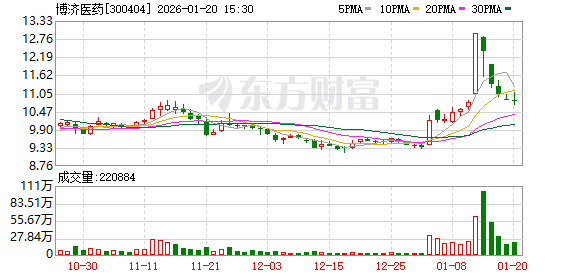
Group 1 - The company, Boji Pharmaceutical, is actively expanding its overseas clinical business by establishing subsidiaries abroad and forming an international business department [2] - The company is recruiting talent with international business experience to support its global expansion efforts [2]

新华视点|老外“扎堆”来华就医,这事儿怎么看?
Xin Lang Cai Jing· 2026-01-20 13:02
Core Viewpoint - The increasing trend of foreign patients seeking medical treatment in China is driven by the perceived advantages of Chinese healthcare services, particularly in specific medical fields, despite their overall small proportion in the total patient population [1][2][5]. Group 1: Growth of Foreign Patients - The number of foreign patients in Chinese hospitals is on the rise, although they still represent a small percentage of total patients [2][10]. - Hospitals report a noticeable increase in foreign patients, especially after 2024, with many coming from countries like Russia, Singapore, the USA, and Indonesia [2][10]. - A report indicates that 850 medical institutions across 57 cities in mainland China are engaged in international medical services [11]. Group 2: Reasons for Seeking Treatment in China - Foreign patients are attracted to China due to its advanced medical technologies and lower costs for treatments like proton therapy and targeted drugs compared to developed countries [5][12]. - There is a growing interest in traditional Chinese medicine (TCM), with treatments such as acupuncture and herbal medicine gaining popularity among foreign patients [5][12][13]. - Specific medical fields, including oncology, cardiovascular diseases, and neurological disorders, are becoming key areas of demand for foreign patients [5][12]. Group 3: Impact on Domestic Healthcare - Concerns exist regarding the potential impact of foreign patients on domestic healthcare resources; however, regulations ensure that international medical services do not compromise basic healthcare for local patients [7][15]. - Public hospitals are required to maintain a balance, with international services not exceeding 10% of total medical services [15]. - The development of international medical services is seen as a way to enhance the overall healthcare system, providing additional resources and innovative practices that can benefit domestic patients [15][16]. Group 4: Future Developments - The establishment of foreign-invested hospitals in several provinces is expected to better meet the diverse healthcare needs of both foreign nationals and local residents [15][16]. - Experts suggest improving service platforms for foreign patients and enhancing multilingual support and international payment systems to attract more medical tourism [16].