
靶向药物

Search documents
大咖聚首|宠界“奥斯卡”平行论坛聚焦解锁“老baby”健康密码
Nan Fang Nong Cun Bao· 2026-01-24 03:35
Core Insights - The seminar focused on "senior pet health," addressing the increasing health issues faced by aging pets as the first batch of domestic pets reaches old age [2][5][36] - Experts from various fields discussed critical topics such as tumor prevention and treatment, obesity management, infectious disease control, and the application of genetic testing technologies [3][4] Aging Pet Health Issues - Data indicates that over 50% of senior dogs and more than 30% of senior cats are diagnosed with tumors, with cancer being the leading cause of death among aging pets [6][7] - In the U.S., approximately 6 million pets die from cancer each year, highlighting the severity of the issue [7] Tumor Diagnosis and Treatment - The incidence of pet tumors is on the rise, with many cases diagnosed at advanced stages, making treatment challenging [10] - Early detection is crucial for improving treatment outcomes, with current diagnostic methods including cytology, pathology, and advanced imaging techniques [11][12] - The overall cure rate for pet cancer is about 45%, with surgery accounting for 22%, radiation for 18%, and chemotherapy for 5% [14] Obesity and Health Risks - Obesity in pets is linked to various health issues, including arthritis, diabetes, cardiovascular diseases, and is associated with 25%-30% of cancer cases [19] - The phenomenon of pets mirroring their owners' body types is common, often due to owners' lack of self-discipline in feeding [16][17] Infectious Disease Control - The protection offered by routine vaccinations for senior pets needs regular evaluation, particularly concerning viral diseases related to tumors [24] - There is a need for enhanced local epidemiological research due to differences in disease prevalence domestically and internationally [25] Genetic Testing Innovations - Genetic testing technology offers a breakthrough in managing the health of aging pets by detecting tumor risks earlier than traditional imaging methods [29][30] - A three-tier risk assessment system (high, medium, low) is established based on free DNA in the blood, although further clinical validation is required [31][32] Systematic Health Management Approach - The industry consensus emphasizes the need for a systematic approach to senior pet health management, including regular check-ups, early screening, and comprehensive interventions [34] - Tumors pose a significant health threat, necessitating enhanced early diagnosis and integrated treatment strategies [35]


老外为何舍近求远来中国看病
Xin Lang Cai Jing· 2026-01-20 16:47
Core Viewpoint - The increasing trend of foreign patients seeking medical treatment in China is driven by the inefficiencies in their home countries' healthcare systems and the unique advantages of Chinese medical services [1][2]. Group 1: Patient Experiences - A 68-year-old Canadian, Franco Caputo, travels to China annually for medical treatment, citing long wait times and variable quality of care in Canada as reasons for his choice [1]. - Caputo has successfully treated conditions such as intestinal polyps, gastroesophageal reflux, and Helicobacter pylori infection at Peking Union Medical College Hospital [1]. Group 2: Growth in Foreign Patients - Hospital officials report that while the proportion of foreign patients remains small, there is a noticeable increase in their numbers [1]. - The expansion of visa-free travel options in China has also contributed to a rise in foreign patients seeking emergency care during their visits [1]. Group 3: Medical Advantages - China's healthcare system is noted for its advanced clinical experience and leading technical operations in specific medical specialties, such as proton therapy and targeted drugs, which are more affordable than in developed countries [2]. - Foreign patients are increasingly seeking treatment for complex conditions like tumors, cardiovascular diseases, and neurological disorders [2]. - The growing international recognition of traditional Chinese medicine, including acupuncture, moxibustion, and massage, has made these treatments popular among foreign patients [2].
实验首次证明脊椎动物胸腺可“从零再生”
Xin Hua She· 2025-12-08 06:25
Core Insights - A new study reveals that vertebrates can regenerate a complex lymphoid organ, the thymus, from scratch without any tissue remnants, expanding the understanding of organ regeneration capabilities [1][2] - The research highlights the thymus's critical role in the immune system and its limited repair ability in most animals, which deteriorates with age, leading to decreased immune function [1] Group 1: Research Findings - The study, published in the journal Science Immunology, demonstrates the thymus regeneration ability of the Mexican axolotl, known for its limb regeneration [1] - The research team conducted a series of experiments, including precise thymectomy and high-resolution imaging, confirming the complete dynamic process of thymus regeneration [1] - After 35 days, the axolotl developed a new thymus that matched the original in morphology, cell types, and function [1] Group 2: Mechanisms and Implications - The research team utilized single-cell RNA sequencing to map the stages of thymus regeneration, identifying two signaling pathways as key to initiating this process: bone morphogenetic protein and a lesser-known "regeneration initiator" called midfactor [2] - The findings suggest potential therapeutic avenues for activating similar signaling pathways in humans, which could benefit children who have undergone thymus surgery, patients with specific immune deficiencies, and elderly individuals with declining immune function [2] - The study points to a new drug development pathway, with ongoing exploration of critical issues such as identifying "seed cells" that initiate regeneration, understanding how the size and location of the regenerated organ are precisely regulated, and verifying the effectiveness of related signaling pathways in mammals [2]
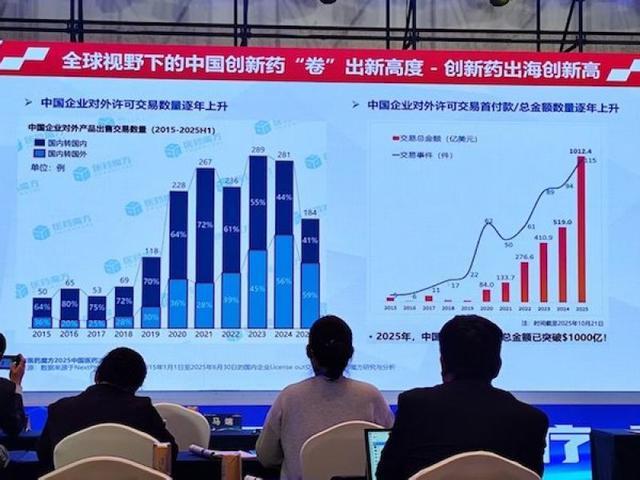
中国创新药卷出新高度,出海引领新发展
Hua Xia Shi Bao· 2025-11-15 10:15
Core Insights - China's international position in the innovative drug sector is rapidly rising, particularly in the field of targeted drugs represented by Antibody-Drug Conjugates (ADCs), which are becoming the main force in overseas markets [1][2] Group 1: Industry Developments - The 8th Precision Medicine Conference highlighted significant advancements in targeted drug research, with top experts presenting their latest findings [1] - Over the past two decades, the U.S. has dominated the biopharmaceutical sector, but China's innovative drugs have made substantial breakthroughs, narrowing the gap with the U.S. [1][4] - By 2025, Chinese companies are expected to account for half of the INDs approved by the U.S. FDA, with transaction values exceeding $100 billion, and ADCs representing nearly half of the top 20 outbound products from China [1][5] Group 2: Targeted Drug Characteristics - Targeted drugs are designed to precisely identify and act on specific disease-related targets, offering higher treatment selectivity and reduced side effects compared to traditional chemotherapy [2][6] - New treatment modalities, including gene therapy, cell therapy, vaccines, and various ADC models, are emerging as alternatives to traditional targeted drugs [4][6] Group 3: Market Trends - The proportion of external procurement pipelines from Chinese companies by multinational pharmaceutical companies has increased from 10% in 2020 to 29% in 2024 [5] - The primary method for Chinese innovative drugs entering international markets is through licensing agreements, allowing companies to monetize their research while enabling partners to commercialize the drugs in specific regions [5] Group 4: Research and Development Challenges - Despite the rapid development of targeted drugs, the discovery of new targets has become increasingly challenging, leading to a focus on new mechanisms and functions of existing targets [6][7] - The high cost of targeted drugs and the frequent occurrence of drug resistance present significant challenges for patients [6][7] Group 5: Policy and Accessibility - Encouraging more companies to invest in innovative drug development is essential, alongside ensuring reasonable pricing and sales strategies to support ongoing research [7] - The integration of innovative drugs into medical insurance directories has shown effectiveness in making treatments more accessible to patients [7]
前列腺癌风险随年龄增长升高,专家建议50岁以上男性定期筛查
Bei Ke Cai Jing· 2025-08-26 12:33
Core Insights - Prostate cancer is the most common newly diagnosed cancer among male urogenital tumors in China, with an annual incidence of 134,200 cases, and both incidence and mortality rates are increasing year by year [2] Group 1: Disease Overview - Prostate cancer poses a significant threat to the physical and mental health of middle-aged and elderly men, with the risk of developing the disease increasing with age [2][3] - Regular PSA (Prostate-Specific Antigen) screening is recommended for men over 50, and for those with a family history of prostate cancer, screening should begin at 45 [2][3] Group 2: Treatment and Prognosis - The early detection of prostate cancer through standardized PSA screening has led to a higher rate of clinical cures among early-stage patients, although over 30% of patients are diagnosed with distant metastasis at the time of diagnosis, resulting in poor overall prognosis [2] - New endocrine therapies and targeted drugs are emerging, significantly improving patient survival rates and quality of life [2][3] Group 3: Monitoring and Quality of Life - In the evaluation of advanced prostate cancer treatment, a rapid and deep decline in PSA levels is a key indicator of good prognosis [3] - Patients receiving new endocrine treatments who achieve a PSA level below 0.2 ng/mL within three months have significantly better progression-free survival and overall survival compared to those with insufficient PSA decline [3] - Effective treatment and care can lead to improved quality of life for advanced prostate cancer patients, supported by family, medical staff, and societal support [3]
前列腺癌早筛是关键 专家:把握50-75岁黄金窗口期
Zhong Guo Xin Wen Wang· 2025-08-02 01:50
Core Insights - The incidence of prostate cancer in China is rapidly increasing, posing a significant threat to men's health [1] - Early detection through scientific screening and standardized treatment can lead to long-term high-quality survival for patients [1][2] Group 1: Screening and Diagnosis - Prostate cancer early symptoms are often subtle and similar to benign conditions, making standardized screening crucial [1] - PSA (Prostate-Specific Antigen) testing is currently the most effective screening method [1] - The optimal screening age is between 50 to 75 years, with those having a family history advised to start screening at 45 [1] Group 2: Treatment Advances - Recent advancements in treatment methods for prostate cancer have significantly improved patient outcomes [1] - New endocrine therapy drugs have extended the median overall survival for metastatic hormone-sensitive prostate cancer patients to over 8 years, surpassing traditional medications [1] - The application of targeted and radionuclide therapies further benefits survival for late-stage patients [1] Group 3: Quality of Life and Rehabilitation - Prostate cancer treatment should focus not only on extending survival but also on enhancing the quality of life [2] - Post-surgery rehabilitation, particularly pelvic floor muscle training, is crucial for improving urinary incontinence issues [2] - A multidisciplinary approach to managing bone metastasis has shown significant effectiveness in alleviating pain and preventing fractures [2] Group 4: Public Awareness and Prevention - Prostate cancer is transitioning from a high-mortality tumor to a manageable chronic disease through scientific screening and comprehensive management [2] - There is a need for increased public awareness regarding cancer prevention and the importance of proactive screening [2]
2025北京国际胸外科学术大会召开
Yang Shi Wang· 2025-07-26 03:48
Core Insights - The "2025 Beijing International Thoracic Surgery Academic Conference" focuses on the latest technologies and challenges in thoracic surgery, aiming to create a high-level academic exchange platform for future development in the field [2] Group 1: Conference Highlights - The conference discusses core diseases such as lung cancer, esophageal cancer, mediastinal tumors, chest wall diseases, and lung transplantation, emphasizing innovations in minimally invasive surgical techniques and perioperative comprehensive treatments [2] - Key topics include the application of targeted therapy and immunotherapy, critical techniques in lung transplantation, donor assessment, rapid recovery concepts, and the role of artificial intelligence in predicting postoperative complications and aiding clinical decision-making [2] Group 2: Lung Cancer Statistics - According to 2022 epidemiological data, lung cancer remains the most prevalent malignant tumor, with approximately 1.06 million new cases, accounting for 22.0% of all malignant tumors, and it has the highest mortality rate [2] - Despite advancements in targeted and immunotherapy drugs extending survival for many advanced non-small cell lung cancer patients, recurrence and metastasis remain significant challenges, highlighting the importance of early detection, diagnosis, and treatment [2] Group 3: Research Findings - A retrospective study presented by Professor Zhang Yi indicates that 10-15% of patients with IA stage lung cancer experience recurrence despite being traditionally considered candidates for surgery without adjuvant therapy [3] - The study suggests that patients with specific high-risk factors who receive adjuvant therapy post-surgery can significantly reduce recurrence rates and extend survival, providing new evidence for personalized precision treatment in early lung cancer [4]

早筛早诊,守护泌尿健康
Ren Min Wang· 2025-04-22 09:02
Core Viewpoint - The article emphasizes the rising incidence of urinary system tumors in China, particularly prostate, bladder, and kidney cancers, and highlights the importance of early screening, comprehensive treatment, and multidisciplinary collaboration in cancer prevention and control [1][2]. Group 1: Rising Incidence and Risk Factors - The incidence of urinary tumors is positively correlated with economic development and lifestyle changes, especially in coastal eastern regions of China [2] - High-risk groups include elderly males, individuals with a family history, long-term smokers, and those exposed to chemical pollutants [2] - Smoking is closely linked to kidney and bladder cancers, while poor drinking habits and the consumption of carbonated beverages may also contribute to urinary tumors [2] Group 2: Early Detection and Screening Recommendations - Early symptoms of urinary tumors are often subtle and easily overlooked, necessitating regular screenings starting at age 50 for the general population and at 45 for high-risk individuals [3] - Recommended screening methods include PSA testing for prostate cancer, ultrasound, and urinalysis for bladder and kidney cancers, with further diagnostic procedures as needed [3][4] Group 3: Innovations in Treatment - Advances in targeted therapies, immunotherapy, and robotic surgery are providing new hope for patients [5] - Genetic testing can guide precision medicine, such as using PARP inhibitors for prostate cancer patients with BRCA mutations and antibody-drug conjugates for bladder cancer patients with HER2 overexpression [5] - Robotic-assisted surgeries enhance precision in tumor removal while preserving patient quality of life [5] Group 4: Multidisciplinary Collaboration and Standardization - The multidisciplinary treatment (MDT) model is crucial for managing complex cases, requiring collaboration among various medical specialties [6] - The "China Cancer Integrated Diagnosis and Treatment Guidelines" provides a standardized framework for grassroots hospitals [6] - Shandong University Qilu Hospital promotes resource sharing and standardized treatment through academic exchanges and online consultations [6]