互联网房产服务

Search documents
遏制网络房地产乱象
Xin Hua Wang· 2025-12-22 08:03
Core Viewpoint - The Beijing Municipal Housing and Urban-Rural Development Committee, in collaboration with other departments, is taking measures to strengthen online ecological governance and curb chaotic online behaviors in the real estate sector, particularly targeting misinformation and panic-inducing narratives about the Beijing housing market [1] Group 1: Regulatory Actions - A joint meeting was held with various internet platforms, including Douyin, Xiaohongshu, Beike, 58.com, Xianyu, Lianjia, I Love My Home, and Maitian, to address issues of misinformation and market disruption [1] - The meeting highlighted that some self-media accounts were spreading negative narratives about the Beijing housing market, creating panic, and disseminating false information and fake listings [1] - Platforms are required to conduct comprehensive self-inspections, promptly remove illegal information, and establish a regular internal review mechanism for industry content [1] Group 2: Compliance and Enforcement - As of December 12, under the supervision of relevant departments, platforms have cleared over 17,000 pieces of illegal and harmful information [1] - More than 2,300 accounts and live streams that amplified market fluctuations and spread anxiety were removed, along with over 100 pieces of non-compliant content [1] - Future actions will focus on maintaining a "zero tolerance" approach towards online disruptions in the real estate market, with strict legal consequences for platforms that fail to comply [1]


抖音、小红书、贝壳、58同城、闲鱼、链家等,被约谈
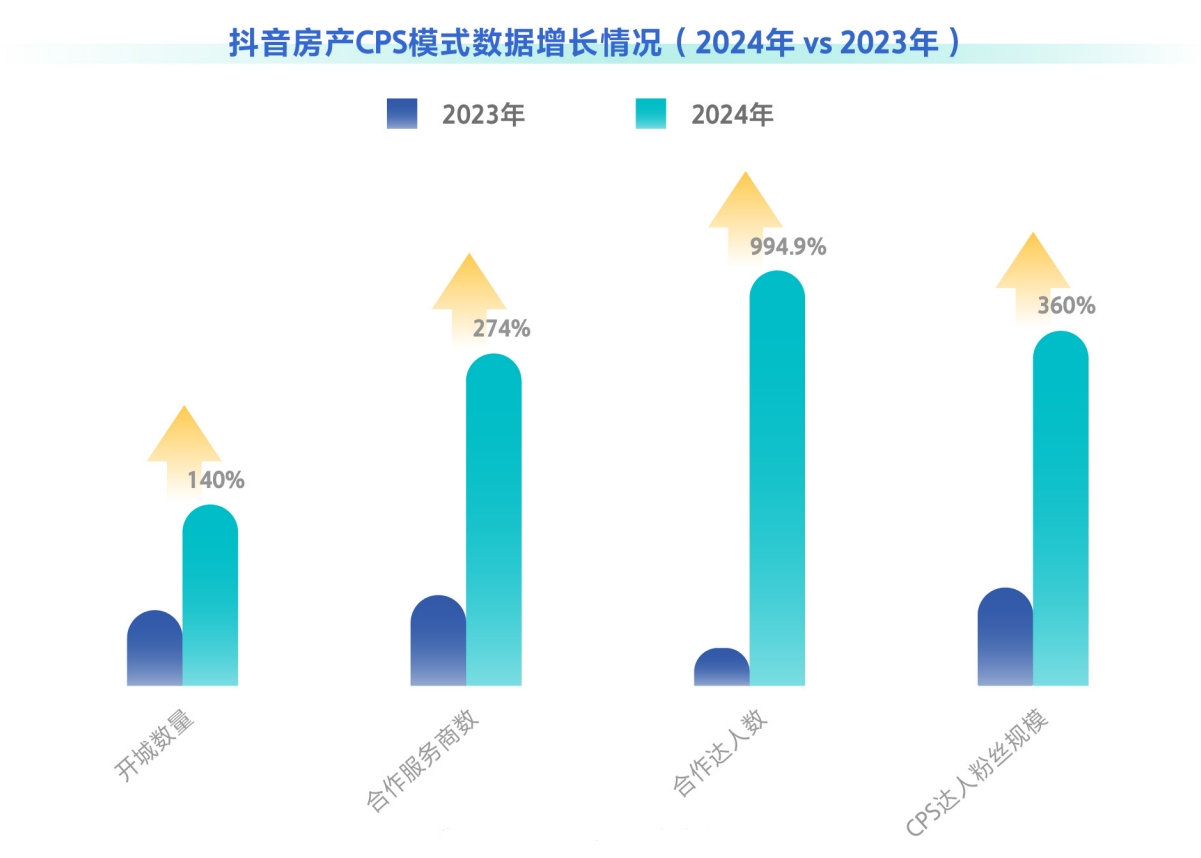
财联社· 2025-12-17 15:19
Core Viewpoint - The article highlights the joint efforts of multiple departments in Beijing to address and regulate the spread of misinformation and chaotic practices in the real estate sector on various internet platforms, aiming to restore market order and confidence [1]. Group 1: Regulatory Actions - Beijing's housing authority has conducted joint discussions with platforms like Douyin, Xiaohongshu, Beike, 58 Tongcheng, Xianyu, Lianjia, Wo Ai Wo Jia, and Maitian to strengthen online ecosystem governance [1]. - The meeting emphasized the need for platforms to conduct comprehensive self-inspections, promptly remove illegal information, and establish a regular internal review mechanism for industry content [1]. Group 2: Compliance Results - As of December 12, platforms including 58 Tongcheng, Douyin, Xiaohongshu, and others have collectively cleared over 17,000 pieces of illegal and harmful information [5]. - More than 2,300 accounts and live streams that exaggerated market fluctuations, spread anxiety, speculated on policies, and disseminated false content have been removed [5]. - Lianjia, Wo Ai Wo Jia, and Maitian have screened over 1.3 million online housing listings, rectifying and removing over 480 non-compliant listings [5].



抖音“卖房”换新招了
阿尔法工场研究院· 2025-08-26 09:38
Core Viewpoint - Douyin Real Estate is transitioning from the CPS (Cost Per Sale) model to the CPT (Cost Per Time) model, indicating a significant shift in its business strategy after two years of CPS operation [1][4][7]. Group 1: Transition to CPT Model - The CPT model allows for pre-payment by merchants, which provides Douyin with stable cash flow and eliminates issues associated with the CPS model, such as long commission cycles and disputes [6][7]. - The newly launched "Fanglaibao" CPT product offers merchants exclusive benefits like lead management and traffic support, with pricing ranging from 200 to 5000 yuan per month, adjusted based on account performance [3][5]. - The CPT model is expected to facilitate the inclusion of second-hand properties into Douyin's service offerings, thereby expanding its business reach [2][7]. Group 2: Impact on Merchants - Merchants not adopting the CPT model may face restrictions on customer acquisition tools and could be penalized for using alternative lead generation methods [8][13]. - The shift to CPT may lead to a differentiation among real estate merchants on Douyin, with those relying heavily on the platform for customer acquisition becoming more focused on operational efficiency [13][14]. - The transition could potentially harm content creators who do not wish to pay for services, affecting the quality of real estate content on the platform [13][14]. Group 3: Historical Context and Growth - Douyin Real Estate has undergone several structural and business model changes since its inception, evolving from the "Xingfuli" platform to its current form, which integrates both new and second-hand property transactions [15]. - As of 2024, Douyin Real Estate has partnered with over 86 service providers, added 35,000 influencers, and achieved an 8-fold increase in transaction volume compared to 2023 [15].

抖音房产将舍弃CPS模式?
3 6 Ke· 2025-05-13 03:09
Core Viewpoint - Douyin Real Estate is shifting from the previously dominant CPS model to a new lead generation model, despite the CPS model showing significant growth in its short lifespan [1][12]. Summary by Sections CPS Model Overview - CPS (Cost Per Sale) is an online transaction model based on actual sales commissions, integrating developers, influencers, and service providers, primarily targeting the new housing market [4]. - The CPS model utilizes platform algorithms to match property content with potential buyers, facilitating transactions through a structured process, with commission rates ranging from 1% to 3% based on various factors [4][6]. Performance Metrics - In 2024, Douyin Real Estate reported a significant increase in its creator base by 33.1%, with the number of cities and service providers growing by 140% and 274%, respectively, and the number of influencers increasing by 994% [6]. - The online customer source in the real estate industry surged from 25% to 63% between 2022 and 2024, indicating a shift in buyer behavior towards online channels [6]. Market Dynamics - The CPS model addressed several industry pain points, such as prolonged buyer decision cycles and market monopolization by leading agencies, by providing a more efficient and transparent transaction process [7][8]. - Developers benefit from reduced customer acquisition costs and increased exposure through Douyin's public traffic pool, allowing for direct engagement with buyers without upfront advertising costs [8][9]. Transition to Lead Generation Model - The decision to abandon the CPS model is attributed to the evolving landscape of real estate marketing, where outdated models are being phased out in favor of content-driven approaches [12][14]. - The new lead generation model will reportedly still involve real estate agents paying for leads, resembling a traditional advertising model that has previously been deemed ineffective [14]. Implications of the Shift - The transition may lead to decreased trust among developers and buyers in the Douyin platform, as well as potential income loss for influencers who relied on the CPS model for commissions [13][14]. - The industry is observing whether Douyin's shift is an attempt to emulate competitors like Kuaishou, which previously experimented with the CPS model before reverting to a lead generation approach [13][14].