创意潮玩

Search documents
在义乌全球数贸中心,遇见“会思考”的玩具
Xin Hua Wang· 2025-10-30 03:07
Core Insights - The newly opened Global Digital Trade Center in Yiwu represents a shift towards technology-driven commerce, emphasizing brand and IP development alongside retail innovation [1][3] - The integration of AI in product design and marketing is becoming increasingly prevalent among merchants, helping them to better understand cultural preferences and market trends [3][4] Group 1: Technological Integration - The Global Digital Trade Center features advanced digital infrastructure, including a 10-gigabit optical network and cross-border data transmission channels, facilitating real-time communication for over 3,700 new merchants [3] - AI applications in the e-commerce sector include a "World Yiwu" trade model and various AI tools aimed at addressing design, marketing, and export challenges faced by merchants [3] Group 2: Brand Development - Among the 3,700 merchants in the Global Digital Trade Center, 57% possess their own brands or IP products, indicating a growing consensus on the importance of brand identity [3] - Companies are increasingly focusing on developing unique IPs to enhance their market presence, as seen in the case of LABUBU, which has seen increased sales in overseas markets [4] Group 3: Educational Toys and Innovation - The demand for educational toys is rising, with companies like Boran Education shifting from homogeneous products to those with core competitive advantages, focusing on children's education [6] - The integration of AI in product development is viewed as essential for improving efficiency and innovation within the industry [6] Group 4: Cultural and Craft Revival - Traditional crafts, such as wool felt, are being revitalized in modern contexts, with companies like Coco Nepal successfully merging ancient techniques with contemporary aesthetics [8] - The expansion of Coco Nepal from a small shop to multiple locations and factories highlights the potential for cultural crafts to thrive in global markets [8]

义乌“厂二代”用AI破局,在第六代市场速卖全球
2 1 Shi Ji Jing Ji Bao Dao· 2025-10-24 03:40
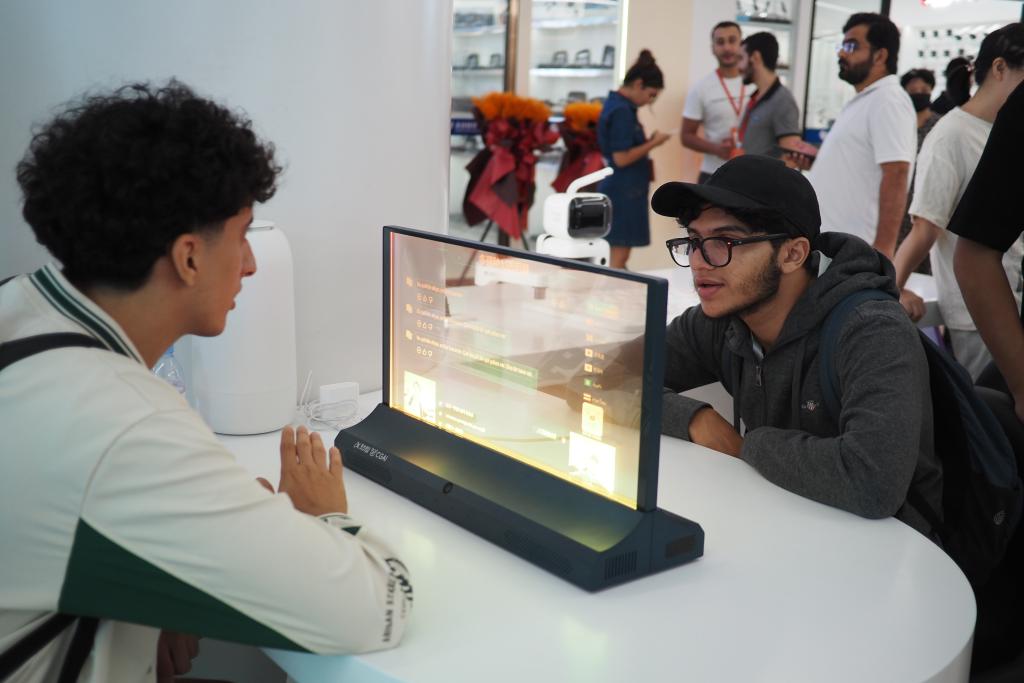
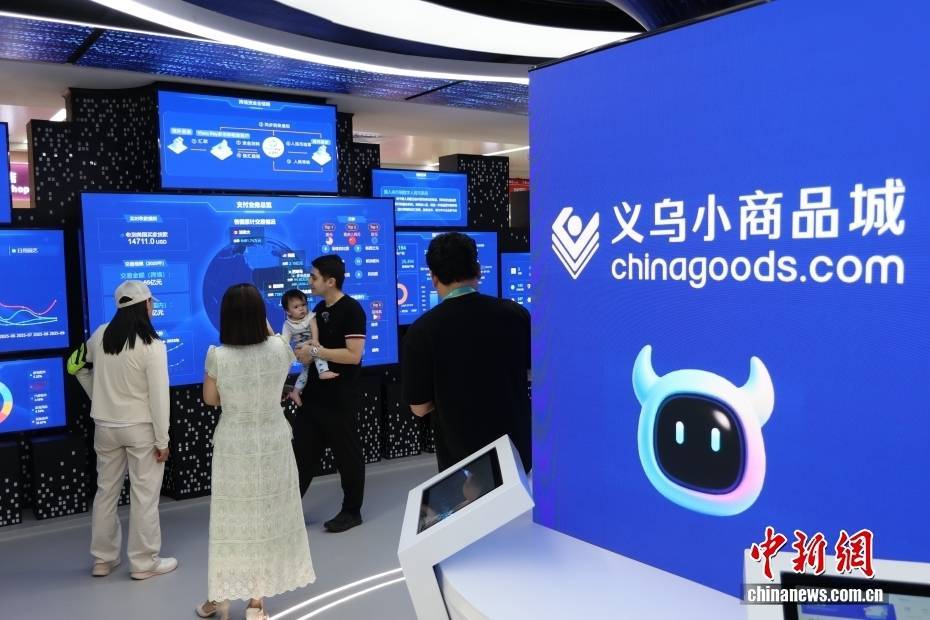
Core Insights - The Global Digital Trade Center in Yiwu, Zhejiang, has officially opened, covering an area of 410,000 square meters and hosting over 3,700 merchants across eight emerging industries [1] - A significant portion of the merchants are young entrepreneurs, referred to as "second-generation" and "new generation," who are rapidly advancing the application of AI models and cross-border e-commerce, positioning digital trade as a new hallmark of Yiwu [1] - Digital technology is deeply integrated into the market's "people, goods, venues, and chains," revitalizing traditional commerce and providing merchants with comprehensive support from creativity to transaction through digital tools [1] Industry Developments - The new market features numerous usable WeChat mini-programs and a local AI model-based app called "World Yiwu," enabling merchants to engage in cross-border e-commerce and social media live streaming securely and reliably [1] - AI integration in the market is highlighted by the development of various AI applications, such as AI visual creation, navigation, and business cards, which differentiate the new market from previous iterations [1] - Yiwu is launching a three-year initiative to enhance AI skills among merchants, aiming to train over 10,000 market merchants and digital trade practitioners, transitioning from "selling globally" to "intelligently global" [2]
义乌全球数贸中心开业
Sou Hu Cai Jing· 2025-10-14 11:59
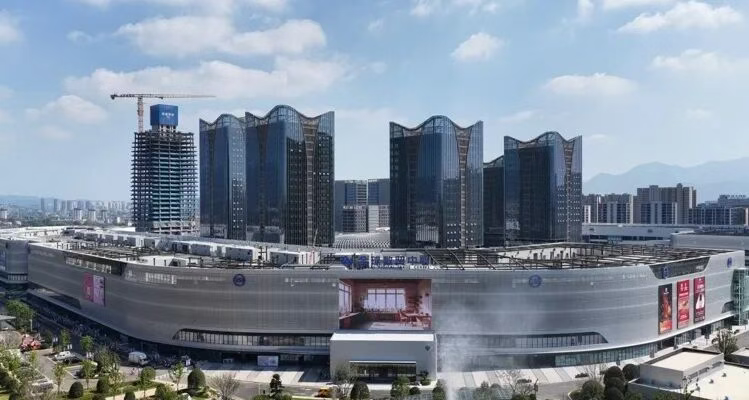
Core Insights - The Yiwu Global Digital Trade Center officially opened on October 14, marking a significant upgrade in the Yiwu market from traditional trade to a digital trade ecosystem [2][4][6] - The project aims to establish a benchmark for global trade that is digital, international, modern, and low-carbon [8][10] - The center covers a total area of 1.25 million square meters and focuses on three main themes: new trade, new markets, and new landmarks [2][4][6] Project Details - The project was initiated in 2022 and includes five functional areas: market, business offices, commercial streets, apartments, and a digital trade port [8][10] - The market area alone spans 410,000 square meters and has attracted merchants from eight new industries, including fashion jewelry, creative toys, and smart equipment [2][4][6] - Among the merchants, 52% are from the "second generation" of business owners and 57% operate their own brands or IP products [8][10]
义乌全球数贸中心开业运营,“世界超市”如何打造未来市场新样板?
Mei Ri Jing Ji Xin Wen· 2025-10-14 10:54
Core Insights - Yiwu Global Digital Trade Center officially opened on October 14, marking a significant shift from traditional trade to digital trade, reshaping the global trade landscape [1][5] - The center, with a total investment of 8.3 billion yuan and a construction area of 1.25 million square meters, includes various sectors such as markets, office buildings, commercial streets, apartments, and a digital trade port [1][5] - The center features advanced technologies like AI navigation and autonomous robots, enhancing the shopping experience for international buyers [1][4] Industry Trends - The center focuses on five core categories: beauty and accessories, baby products, outdoor leisure, fashion fabrics, and drones, aligning with current consumer trends [2] - Over half of the shops are operated by younger entrepreneurs, emphasizing aesthetics and product design, contrasting with traditional wholesale models [2][5] - The integration of AI technology in various aspects of trade, including design, logistics, and sales, is driving innovation in digital trade [4][5] Economic Impact - In the first eight months of this year, Zhejiang Province's digital trade import and export volume reached 553.08 billion yuan, a year-on-year increase of 13.3%, indicating robust growth in the digital trade sector [6] - The Yiwu Global Digital Trade Center is positioned as a model for digital transformation in global trade, showcasing the potential of AI and digital technologies to enhance trade efficiency [6][5] - The center aims to facilitate global trade connections amidst rising protectionism and unilateralism, leveraging AI as a core engine for innovation [5][6]