商业地产招商

Search documents
吉林有岗 | “这有山”招聘
Xin Lang Cai Jing· 2026-01-09 14:34
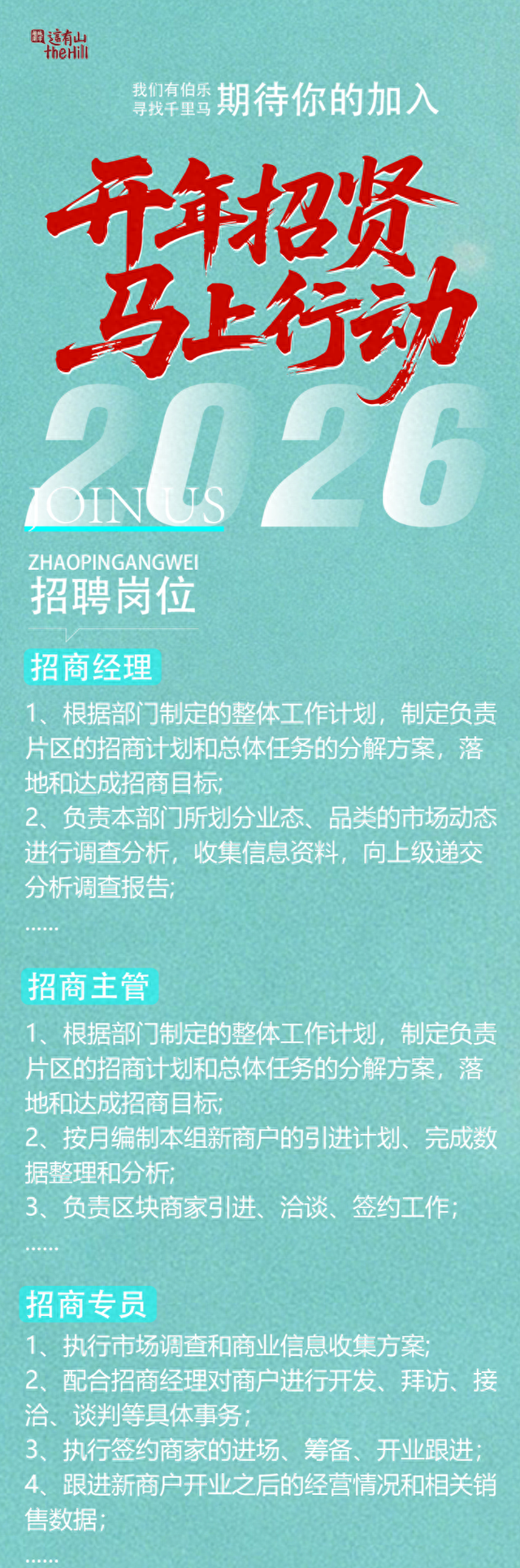
Group 1 - The article discusses recruitment information released by a WeChat public account related to a company [1] - The company is looking for a招商主管 (招商 Manager) responsible for developing and implementing招商 plans and achieving targets [3] - The招商专员 (招商 Specialist) role involves market research, merchant development, and follow-up on new merchant operations and sales data [3]

3个月卖8万,主理人和体系商业“八字不合”?
3 6 Ke· 2025-11-21 02:41
Core Insights - The phenomenon of "main operators" in the market has gained significant attention, with brands increasingly seeking to collaborate with them despite previous skepticism about their viability [3][4][30] - The main operator model is seen as a double-edged sword, offering unique storytelling and emotional engagement but also facing challenges in scalability and sustainability [4][9][32] Group 1: Market Dynamics - The rise of main operators is a response to the saturation of standardized chain brands, as consumers seek more authentic and emotionally resonant experiences [4][5] - Main operators have successfully transformed aesthetics into experiences, emotions into products, and individuality into market appeal [6][8] - The increasing popularity of main operators has led to inflated expectations and potential overvaluation of their capabilities [8][9] Group 2: Challenges and Limitations - Main operators often struggle with cash flow, operational consistency, and dependency on community engagement, which can limit their scalability [10][11] - The unique appeal of main operators is often tied to specific locations and cultural contexts, making it difficult for them to replicate success in different environments [10][11] - Many main operator brands have failed to sustain operations outside their original contexts, highlighting the challenges of transitioning from niche to broader markets [10][11] Group 3: Non-standard Commercial Spaces - Non-standard commercial spaces provide a more suitable environment for main operators, allowing for greater creative freedom and alignment with their operational needs [12][17] - The relationship between main operators and non-standard commercial projects is characterized by mutual understanding and collaboration, which can enhance both parties' success [17][28] - Main operators thrive in environments that allow for a "front store, back kitchen" model, which is often difficult to achieve in traditional retail settings [16][17] Group 4: Relationship Dynamics - The relationship between main operators and commercial spaces should be viewed as a partnership rather than a mere brand-client dynamic, emphasizing collaboration and shared goals [28][29] - Main operators are selective about their partnerships, seeking spaces that align with their values and operational needs, which can create challenges for traditional commercial entities [26][27] - Successful collaborations require both parties to adapt and find common ground, balancing the creative aspirations of main operators with the operational efficiencies of commercial spaces [29][32]