连锁商业

Search documents
刚刚,中国最大零食店IPO诞生,市值超900亿!
Sou Hu Cai Jing· 2026-01-28 15:27
Core Insights - The IPO of Mingming Hen Mang Group marks a significant milestone in China's chain retail industry, becoming the largest snack chain listed company in China with a market value exceeding 90 billion HKD on its first trading day [2][5]. Group 1: Company Overview - Mingming Hen Mang has rapidly expanded from its first store in Changsha in 2017 to over 19,000 stores across 28 provinces by 2023, achieving an annual transaction volume of 1.6 billion visits and a GMV exceeding 55 billion CNY [5]. - The company has successfully navigated a challenging retail environment characterized by the closure of many physical stores, demonstrating a counter-cyclical expansion strategy based on a systematic chain methodology [7]. Group 2: Business Model and Strategy - The company's growth strategy emphasizes scale as a starting point rather than a result, leveraging its extensive store network to negotiate better supply chain costs [10][11]. - Mingming Hen Mang operates on a low-margin, high-turnover model, focusing on turnover efficiency as the primary profit driver rather than individual product margins [12][13]. - The operational model is highly standardized, allowing for efficient store management and reduced operational complexity, which is crucial for maintaining consistency across its franchise network [20][40]. Group 3: Market Dynamics - The rise of Mingming Hen Mang is attributed to a structural shift in consumer behavior, moving from consumption upgrades to a more rational approach, where consumers prioritize value and transparency over brand premiums [21][25]. - Over 59% of the company's stores are located in county and town markets, which are seen as high-potential growth areas due to their low brand penetration and increasing consumer spending power [28][30]. Group 4: Industry Implications - The IPO signals a shift in capital market preferences, with a renewed focus on physical retail and operational models, moving away from short-term growth to long-term stability [42][43]. - The success of the IPO indicates that the chain retail industry is entering a phase of accelerated capital investment, leading to increased concentration of resources among leading players [45]. - The industry is transitioning into a "system capability era," where the ability to manage complex supply chains and operational systems will define competitive advantage [46].


3个月卖8万,主理人和体系商业“八字不合”?
3 6 Ke· 2025-11-21 02:41
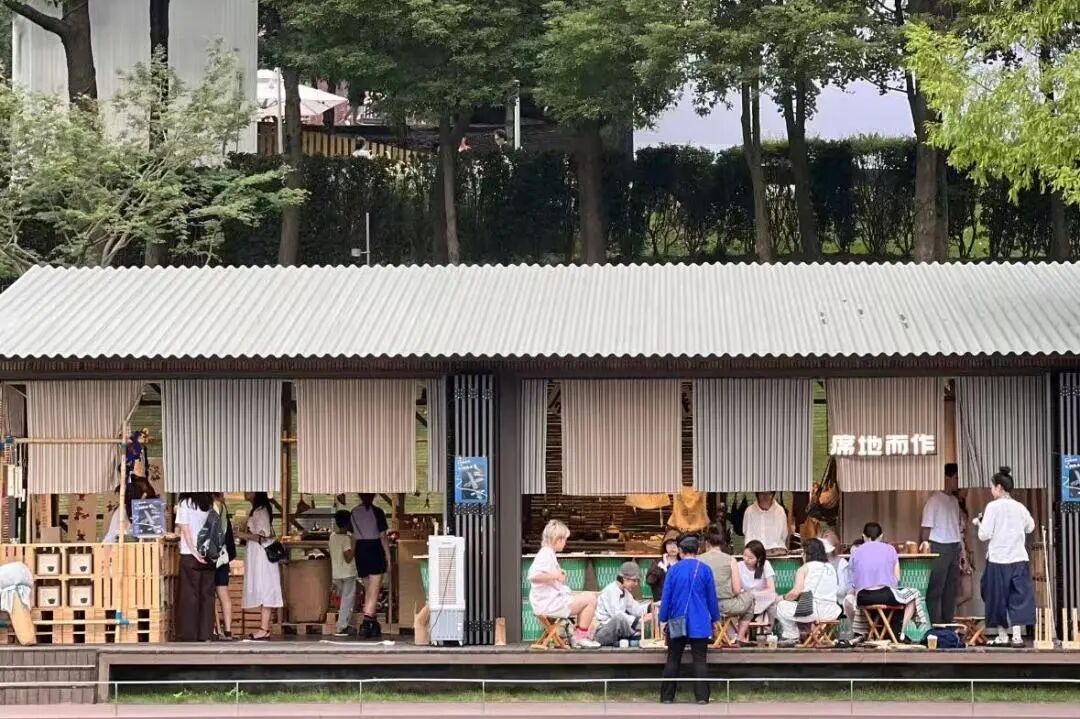
Core Insights - The phenomenon of "main operators" in the market has gained significant attention, with brands increasingly seeking to collaborate with them despite previous skepticism about their viability [3][4][30] - The main operator model is seen as a double-edged sword, offering unique storytelling and emotional engagement but also facing challenges in scalability and sustainability [4][9][32] Group 1: Market Dynamics - The rise of main operators is a response to the saturation of standardized chain brands, as consumers seek more authentic and emotionally resonant experiences [4][5] - Main operators have successfully transformed aesthetics into experiences, emotions into products, and individuality into market appeal [6][8] - The increasing popularity of main operators has led to inflated expectations and potential overvaluation of their capabilities [8][9] Group 2: Challenges and Limitations - Main operators often struggle with cash flow, operational consistency, and dependency on community engagement, which can limit their scalability [10][11] - The unique appeal of main operators is often tied to specific locations and cultural contexts, making it difficult for them to replicate success in different environments [10][11] - Many main operator brands have failed to sustain operations outside their original contexts, highlighting the challenges of transitioning from niche to broader markets [10][11] Group 3: Non-standard Commercial Spaces - Non-standard commercial spaces provide a more suitable environment for main operators, allowing for greater creative freedom and alignment with their operational needs [12][17] - The relationship between main operators and non-standard commercial projects is characterized by mutual understanding and collaboration, which can enhance both parties' success [17][28] - Main operators thrive in environments that allow for a "front store, back kitchen" model, which is often difficult to achieve in traditional retail settings [16][17] Group 4: Relationship Dynamics - The relationship between main operators and commercial spaces should be viewed as a partnership rather than a mere brand-client dynamic, emphasizing collaboration and shared goals [28][29] - Main operators are selective about their partnerships, seeking spaces that align with their values and operational needs, which can create challenges for traditional commercial entities [26][27] - Successful collaborations require both parties to adapt and find common ground, balancing the creative aspirations of main operators with the operational efficiencies of commercial spaces [29][32]