国货品牌

Search documents
非遗赋能新消费 国货品牌探索“文化+产业”融合路径
Sou Hu Cai Jing· 2026-01-26 13:48
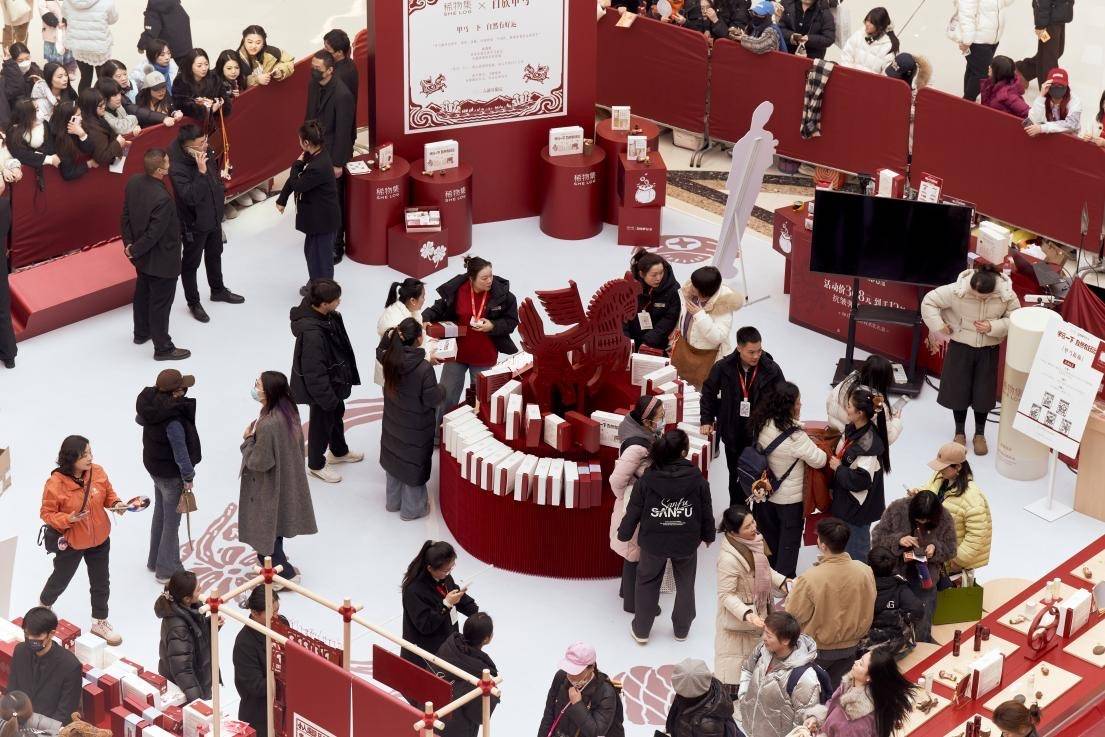
Core Insights - China's economy is transitioning from high-speed growth to high-quality development, with consumption increasingly becoming the main engine of economic growth [1] - Domestic brands are seizing market opportunities by exploring new paths of cross-border integration between intangible cultural heritage (ICH) and new consumption [1] Group 1: Cultural Integration and Consumer Trends - The upcoming Spring Festival has seen a surge in "Guochao" (national trend) in the New Year goods market, with a deeper cultural attribute in "New Chinese-style" consumption [1] - The Bai ethnic group's ICH "Jia Ma" from Dali, Yunnan, is being innovatively integrated into modern consumer scenarios, aligning with the emotional consumption needs of young consumers [1] - The brand "Xi Wu Ji" is focusing on traditional culture, launching a New Year campaign themed "Jia Ma Yi Xia, Zi Ran You Hao Yun," which connects the auspicious meanings of "Jia Ma" with modern consumer sentiments [1] Group 2: Experiential Consumption and Social Responsibility - Industry analysis indicates that consumers, especially the Z generation, prioritize cultural experiences and emotional resonance over mere material acquisition [2] - "Xi Wu Ji" is collaborating with brand ambassador Ding Zhenzhu to create a limited-time ICH pop-up event in key urban areas, providing an immersive interactive experience [2] - The integration of ICH with social responsibility is evident, as "Xi Wu Ji" incorporates ecological views into traditional customs, linking past conservation projects with cultural transmission [4] Group 3: Market Competitiveness and Global Reach - The deep integration of ICH with domestic brands reflects a shift from "Made in China" to "Created in China," where traditional cultural resources are transformed into competitive market elements through commercial innovation [4] - Experts suggest that enhancing brand value and global competitiveness through craftsmanship and excellent culture will promote "New Chinese-style" aesthetics in international markets, becoming a significant part of global new consumption [4]

政策赋能国潮出海 经验引领行业发展——“国货潮品”进免税品牌推介会圆满召开
Sou Hu Cai Jing· 2025-12-24 04:18
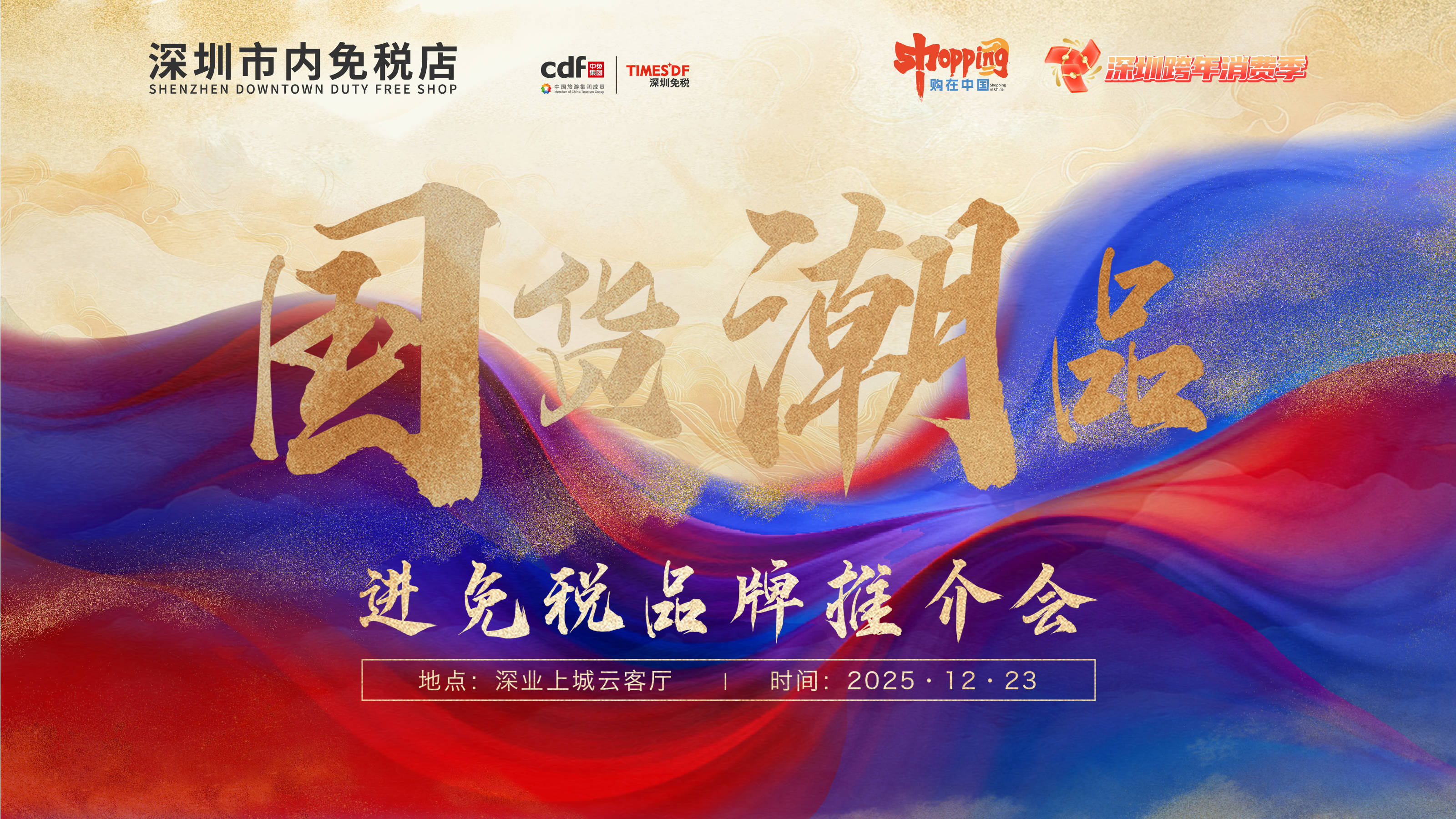
Core Viewpoint - The event held on December 23 in Shenzhen aimed to promote domestic brands in duty-free shops, highlighting the collaboration between government and industry to enhance the international presence of Chinese products and stimulate new consumption dynamics in the duty-free sector [3][4]. Group 1: Policy and Brand Promotion - The Ministry of Commerce announced the first batch of 174 domestic brands included in the duty-free shop promotion list, covering 19 product categories and representing 26 provinces, which will serve as a reference for duty-free enterprises in product selection [4]. - The initiative aligns with the "Special Action Plan to Boost Consumption" and aims to empower domestic brands to enter international markets, enhancing their global influence [4][27]. Group 2: Industry Development and Experience Sharing - Shenzhen, as a pilot city for the duty-free shop policy, has developed a three-dimensional operational model combining duty-free, tax refunds, and taxable sales, effectively addressing challenges faced by domestic products in entering duty-free channels [6]. - The event featured representatives from various brands sharing their experiences and innovations, emphasizing the need for high-quality products and services tailored to the duty-free shopping experience [10][13]. Group 3: Cultural and Economic Impact - The promotion of domestic products in duty-free shops is seen as a crucial step in implementing national policies, expanding domestic demand, and enhancing the competitiveness of Chinese brands [27]. - The initiative not only aims to connect domestic products with international markets but also to meet domestic consumer demand for high-quality goods, thereby supporting the strategy to expand domestic consumption [27].