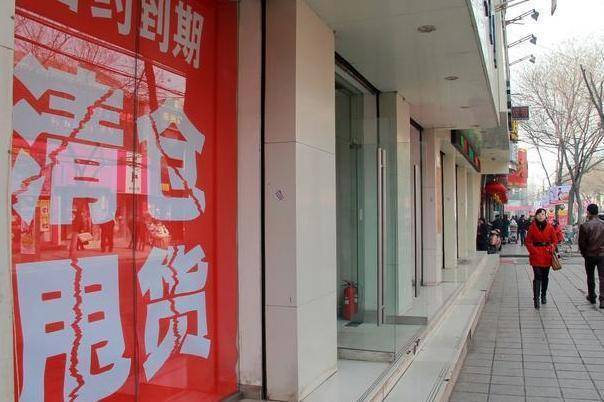
实体餐饮

Search documents
取消外卖和关闭电商,恢复市面繁荣,这种做法你同意吗?
Sou Hu Cai Jing· 2025-10-28 07:16
Core Insights - The rapid growth of China's e-commerce and food delivery sectors has significantly boosted the national economy, with e-commerce transactions reaching 43.8 trillion yuan in 2022, a year-on-year increase of 16.5%, and the food delivery market size hitting 1.1 trillion yuan, growing by 18.6% [1] - The rise of e-commerce and food delivery has posed unprecedented challenges to traditional brick-and-mortar stores, which saw a decline in revenue to 38.1 trillion yuan in 2022, down 3.9% year-on-year, raising widespread concern [1] Group 1 - Some voices suggest canceling food delivery and closing e-commerce to revive traditional markets, but this approach may backfire and lead to economic decline and increased unemployment [2] - The food delivery and e-commerce sectors employ millions, with 4 million in food delivery and 60 million in e-commerce in 2022, making them crucial for job creation [3] - The decline in brick-and-mortar sales is not solely due to e-commerce competition; post-pandemic consumer demand has decreased, and physical stores face intense competition and rising rental costs [5] Group 2 - Food delivery has become a vital revenue source for restaurants, with about one-third of their sales coming from delivery orders, meaning that canceling food delivery could further weaken their profitability [5] - Consumer reliance on food delivery and e-commerce has increased post-pandemic, and eliminating these services would cause significant inconvenience for those unable to cook, such as young people and the elderly [7] - To restore market vitality, a comprehensive approach is needed, focusing on enhancing the competitiveness of physical stores, improving the consumer environment, and stimulating demand rather than resorting to blanket cancellations of food delivery and e-commerce [7]


关闭电商,取消外卖,让实体经济重获新生,这个建议靠谱吗?
Sou Hu Cai Jing· 2025-10-14 02:08
Core Viewpoint - The rise of e-commerce and food delivery services has significantly impacted the physical retail sector, leading to challenges for brick-and-mortar stores amid changing consumer behaviors and economic conditions [1][3]. Group 1: Impact of E-commerce and Food Delivery - E-commerce sales in China reached 10.8 trillion yuan, accounting for 24.5% of total retail sales, with online shopping users numbering 842 million by the end of 2021 [1]. - The food delivery market is projected to approach 941.74 billion yuan in 2022, with online food delivery users reaching 544 million [1]. - The shift towards online shopping and food delivery is driven by modern urban lifestyles, particularly among younger generations who prefer convenience and competitive pricing [3]. Group 2: Challenges Faced by E-commerce and Food Delivery - Despite the growth, e-commerce faces criticism over product quality, with consumers reporting frequent issues such as poor durability and discrepancies between online images and actual products [5]. - The food delivery sector also grapples with concerns over food safety and quality, alongside the potential negative impact on social interactions and health due to over-reliance on delivery services [5]. Group 3: Strategies for Physical Retailers - Physical stores can expand their online sales channels and adopt an O2O (online-to-offline) model to capture market share from e-commerce [6]. - Differentiation is key for physical retailers, leveraging unique advantages such as in-person product experiences and superior after-sales service to attract customers [6].