微生物技术

Search documents
北京加紧培育壮大新动能
Ren Min Wang· 2025-12-21 22:29
Group 1 - Beijing's advantages lie in its education, technology, and talent, with 92 universities, 185 first-class disciplines, and approximately half of the country's academicians located in the city [1] - The city is prioritizing the integration of education, technology, and talent development as a key task for economic work by 2026, as emphasized by the central government [1] - Beijing has established a leadership group to oversee the integration of education, technology, and talent, with direct involvement from top municipal officials [1] Group 2 - In the past three years, Beijing has added 220 urgently needed majors in fields such as artificial intelligence and quantum technology, optimizing its academic structure [2] - A new technology innovation hub in Changping District will house over ten national key laboratories from Tsinghua University, aiming to foster new research organizational models [3] - The establishment of the Tsinghua Frontier Interdisciplinary Innovation Research Institute in 2024 will offer competitive salaries to attract high-level talent, with 837 researchers already gathered [3] Group 3 - A new technology developed by Ruimi Technology, which uses Bacillus as a chassis to produce microbial lipid products, has the potential to enhance oil recovery and improve soil quality [4] - Beijing is exploring new models for the full-chain integration of technology development, with the total value of technology contracts increasing from 631.62 billion yuan in 2020 to 915.33 billion yuan in 2024 [5] - The GDP of Beijing exceeded 3.84 trillion yuan in the first three quarters of the year, reflecting a year-on-year growth of 5.6% [5]
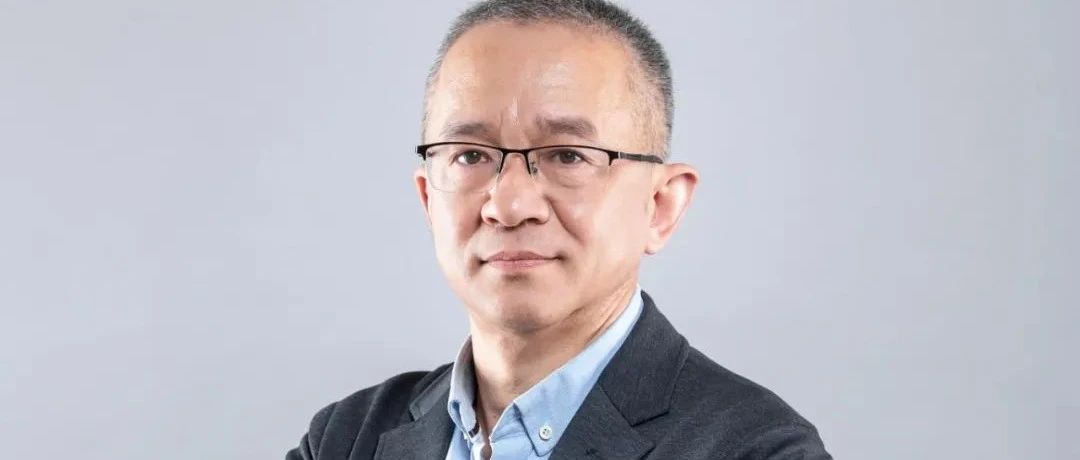
祁庆生教授:微生物的追风者
合成生物学与绿色生物制造· 2025-07-27 12:40
Core Viewpoint - The article highlights the journey and contributions of Qi Qingsheng in the field of microbiology, emphasizing his role in synthetic biology, biomanufacturing, and resource recycling, as well as his commitment to education and nurturing future talents in the discipline [1][9][19]. Group 1: Academic Journey - Qi Qingsheng's interest in microbiology was sparked by a chance encounter with microbiologist Wang Zunong, leading him to excel in the field at Shandong University [3][4]. - He faced challenges during his undergraduate studies due to the extensive memorization required in microbiology, which later helped him guide students in overcoming academic hurdles [5]. - After completing his master's degree in 1992, he joined the team to establish the National Key Laboratory of Microbial Technology, overcoming initial hardships to lay a solid foundation for future research [6][9]. Group 2: Research Contributions - Upon returning from Germany with a PhD in molecular microbiology, Qi recognized the potential of synthetic biology in China and began promoting its application domestically in 2008 [9][11]. - He led significant projects focusing on the biodegradation of waste plastics, securing 15 million in funding for international collaboration in 2018, demonstrating the integration of synthetic biology with circular economy principles [11][19]. Group 3: Educational Impact - Qi has mentored over 160 students, emphasizing the importance of mutual effort between mentors and students in achieving academic success [13][14]. - He encourages students to engage in research projects to enhance their practical skills and understanding of theoretical concepts, advocating for a balance between hard work and awareness of scientific trends [15][19]. Group 4: Future of Microbiology - Qi expresses confidence in the broad applications of microbiology across various sectors, including food fermentation, environmental protection, and biomanufacturing, urging young scholars to explore unknown fields [18][19]. - He stresses the need for microbiology to align with national strategic demands and to bridge the gap between fundamental research and industrial application [19][21].