
教育科技人才一体化

Search documents
“教育围着科技转,人才跟着产业走”
Zhong Guo Qing Nian Bao· 2026-02-05 21:03
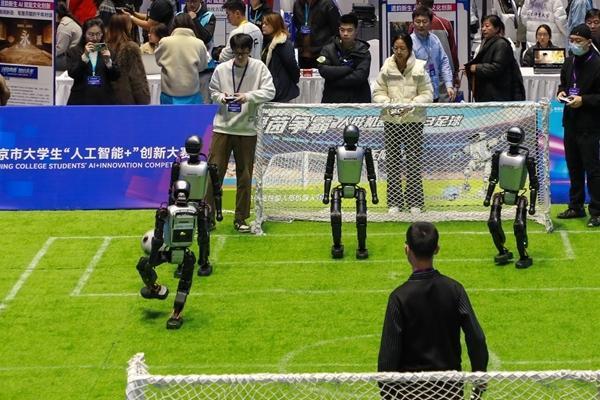
Core Viewpoint - The integration of education, technology, and talent in Beijing is being rapidly advanced through innovative institutions and reforms, exemplified by the establishment of the Zhongguancun Academy and the Zhongguancun Artificial Intelligence Research Institute, which aim to foster a new model of education and research collaboration [1][2]. Group 1: Institutional Developments - The Zhongguancun Academy and the Zhongguancun Artificial Intelligence Research Institute were established in a short time frame, recruiting over 300 doctoral students and launching more than 80 organized research projects [1]. - Beijing is set to establish a leadership group for education, technology, and talent integration by April 2025, aiming to create a seamless connection between the education chain, technology chain, and talent chain [2]. Group 2: Academic Innovations - The establishment of the first interstellar navigation academy in China marks a significant step in academic innovation, focusing on space exploration and technology [4][5]. - Beijing's universities are rapidly adjusting their academic programs to align with national strategic needs, with 220 new programs in artificial intelligence and quantum technology introduced by September 2025 [6]. Group 3: Research and Development - The Zhongguancun institutions have initiated groundbreaking projects, including a "super software intelligence project" and a "global AI social simulator," which are expected to have significant impacts on both academia and industry [9][10]. - Over 100 innovation and entrepreneurship projects have been incubated, with total financing nearing 200 million yuan and post-investment valuations approaching 1 billion yuan [11]. Group 4: Talent Development - The integration of education and industry is emphasized, with new educational models being developed that allow students to engage directly with real-world projects and challenges [15][16]. - The establishment of a new type of college focused on artificial intelligence aims to break traditional educational molds and enhance creativity among students [11][12]. Group 5: Policy and Economic Impact - Beijing's government is implementing measures to enhance the efficiency of technology transfer from universities, including granting researchers ownership rights to their innovations [21][23]. - The city's GDP reached 52,073.4 billion yuan in 2025, marking a 5.4% increase from the previous year, positioning Beijing as a major economic hub in China [24][25].

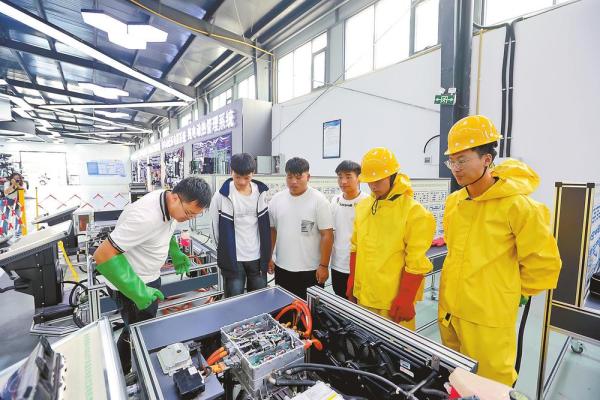
【聚焦2026云南省两会】代表委员热议一体推进教育科技人才发展——产学研协同 政校企联动
Xin Lang Cai Jing· 2026-01-30 23:52
Core Viewpoint - Yunnan is focusing on integrating education, technology, and talent to support high-quality economic and social development, emphasizing the need for collaboration among government, universities, and enterprises to address development bottlenecks and enhance innovation capabilities [2][3][4]. Group 1: Integration of Education, Technology, and Talent - The integration of education, technology, and talent is seen as a crucial strategy to overcome development bottlenecks during Yunnan's industrial transformation and upgrade [3]. - Yunnan's educational institutions, such as Pu'er College, are aligning their programs with local industry needs, creating specialized clusters in areas like tea, coffee, and digital economy [3][4]. - Collaborative initiatives between educational institutions and local enterprises have led to the establishment of modern industry colleges, resulting in significant economic contributions, such as over 60 million yuan in increased income for farmers and businesses [3][4]. Group 2: Challenges and Recommendations - Despite some successes, challenges remain, including a mismatch between skill supply and industry demands, insufficient collaboration between universities and enterprises, and weak mechanisms for coordinated efforts [4][5]. - Recommendations include optimizing educational programs based on industry needs, fostering a collaborative environment among educational, technological, and industrial sectors, and enhancing talent mobility to support local economic development [5][6]. Group 3: Employment and Talent Development - Yunnan is actively exploring ways to improve talent matching, skill enhancement, and entrepreneurial support, aiming to create a virtuous cycle where industry attracts talent and talent revitalizes industry [6][7]. - Initiatives such as job fairs and practical training platforms are being implemented to provide students with ample opportunities, resulting in a favorable employment ratio of 5:1 for graduates [7].
理响中国·深改进行时:育才聚智筑新基
Yang Shi Wang· 2026-01-30 12:36
Group 1 - The core idea of the article emphasizes the importance of integrating education, technology, and talent development to seize opportunities from the new round of technological revolution and industrial transformation [2] - Tian Kai High Education Science and Technology Park (Tian Kai Park) has established over 4,000 technology enterprises and more than 400 member units in the Tian Kai Laboratory Innovation Development Alliance, showcasing its role as a hub for innovation [2] - The park aims to create a nationally influential high ground for the integrated development of education, technology, and talent, facilitating a multiplier effect through collaborative growth [2] Group 2 - Tian Kai Park is positioned as a source of technological innovation, a incubator for scientific research results, and an ecological service circle for scientific and technological innovation [2] - The park has successfully transitioned numerous technological achievements from laboratories to production lines, supporting many entrepreneurs in realizing their dreams [2] - The interconnected "innovation ecological chain" is highlighted as a vivid representation of China's modernization efforts, linking education, innovation, and talent [2]
让各类人才在海南尽其用、展其才
Hai Nan Ri Bao· 2026-01-29 02:42
Core Insights - The article emphasizes the importance of talent and innovation for development, highlighting the completion of the "One Million Talents into Hainan" initiative ahead of schedule and improvements in various innovation metrics [2] Group 1: Talent Development and Innovation - Hainan has established 136 "Technology Small Courtyards," ranking among the top in the nation, with 97 being national-level, focusing on integrating education, technology, and industry [2][3] - The "Technology Small Courtyards" have demonstrated tangible benefits, such as a 10% increase in yield and a 15% reduction in fertilizer costs for dragon fruit cultivation, and a 30% cost reduction in aquaculture through innovative techniques [3] Group 2: Workforce and Skills Enhancement - The provincial government is actively mobilizing workers to contribute to the Hainan Free Trade Port's development, implementing various initiatives to enhance the skills and career paths of industrial workers [4] - Over the past five years, Hainan has added 398,700 skilled workers, including 76,500 high-skilled talents, indicating a growing workforce committed to skill development and national service [4] Group 3: International Talent Collaboration - There is a growing demand for international and specialized talent as Hainan's Free Trade Port construction progresses, with initiatives like the "Surfing Plan" attracting over 500 students from Hong Kong and Macau for internships [5][6] - Suggestions include collaborative course offerings between Hainan and Hong Kong to encourage youth participation in cross-border internships and the establishment of a "Qiong-Hong Youth Leadership Training Program" to cultivate talents with international perspectives [6][8]
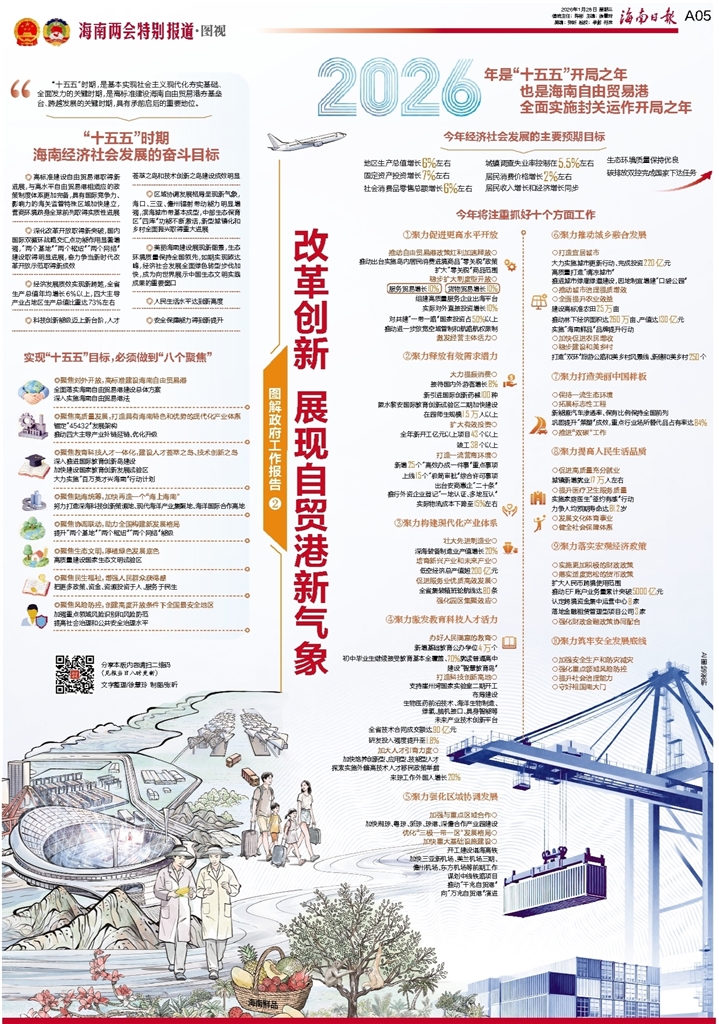
图解政府工作报告2:改革创新 展现自贸港新气象
Hai Nan Ri Bao· 2026-01-28 04:11
Core Viewpoint - The article outlines the development goals and strategic focus areas for Hainan during the "14th Five-Year Plan" period, emphasizing the construction of a high-standard free trade port and the promotion of economic growth, innovation, and ecological sustainability. Group 1: Economic Development Goals - The province aims for an average annual GDP growth of over 6% during the "14th Five-Year Plan" period, with the four leading industries accounting for approximately 73% of the regional GDP [10] - The expected economic targets for the current year include a GDP growth of around 6%, fixed asset investment growth of 7%, and a retail sales growth of 6% [11] Group 2: Strategic Focus Areas - Focus on high-quality development by creating a modern industrial system with Hainan characteristics, enhancing the four leading industries [10][12] - Emphasis on education, technology, and talent integration to build a hub for talent and technological innovation [10][13] - Strengthening ecological civilization and maintaining high environmental quality, aiming for carbon peak and green transformation [11][14] Group 3: Policy Implementation - Implementation of the overall plan for the construction of the Hainan Free Trade Port, including the introduction of zero-tariff policies for certain goods [12] - Expansion of service trade and goods trade by 10%, with a focus on enhancing the business environment and reducing logistics costs [12][13] - Promotion of urban and rural integration, enhancing living standards, and improving public services [14][15]
民盟海南省委会主委刘艳玲:立足科教文主阵地赋能自贸港建设
Zhong Guo Xin Wen Wang· 2026-01-27 06:56
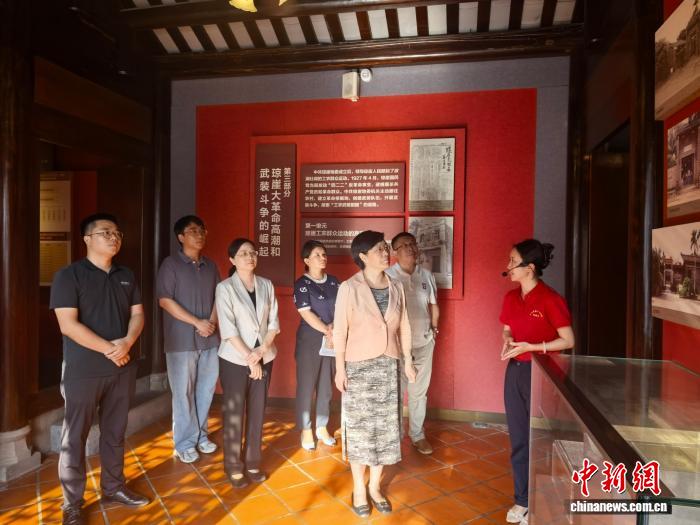
Core Viewpoint - The Hainan Provincial Committee of the Democratic League, led by Liu Yanling, emphasizes the importance of leveraging education, culture, and technology to support the construction of the Hainan Free Trade Port during the new phase of development [1][6]. Group 1: Research and Policy Recommendations - The Democratic League has focused on high-quality development, technological innovation, and integrated education and talent strategies, completing 11 central research projects and 12 provincial projects, along with submitting 89 proposals to the Political Consultative Conference [3][4]. - Continuous efforts have been made in ecological civilization, contributing valuable insights for the Hainan provincial government's policies, including the "15th Five-Year Plan" [3][4]. Group 2: Cultural and Educational Initiatives - The Democratic League has submitted nine proposals for cultural industry development and supported various cultural activities, enhancing the cultural prosperity of the Hainan Free Trade Port [4]. - Proposals related to higher education, vocational education, and moral education for minors have been submitted, with 16 education-related proposals, two of which are prioritized for follow-up [4]. Group 3: Talent Attraction and Economic Development - The Democratic League has successfully attracted 11 high-level talents, including national laboratory chief scientists and top provincial talents, and established the "Qiongmeng Think Tank" to support local development [4][6]. - The organization aims to enhance social services and explore new forms of community engagement, particularly through the social service practice base established in Lingshui [7][9]. Group 4: Strategic Development Goals - The Democratic League plans to focus on economic construction, modern industrial systems, and cultural development to provide valuable recommendations for the Hainan provincial government's decision-making [6][10]. - Liu Yanling suggests optimizing higher education structures and promoting industry-education integration to support the development of new productive forces and enhance the entrepreneurial ecosystem in Hainan [10].
北京大学副校长董志勇:通过制度建设提升北京营商环境
Xin Jing Bao· 2026-01-27 06:42
Core Viewpoint - The ongoing Beijing Municipal People's Congress is reviewing the draft outline of the 15th annual economic and social development plan, emphasizing the importance of expanding domestic demand and optimizing the business environment to support high-quality economic development in the capital [1]. Group 1: Expanding Domestic Demand - Beijing has positioned the expansion of domestic demand as a key driver for high-quality development, achieving significant results such as innovation-driven growth, optimized investment structure, and improved consumption patterns [2]. - The city has maintained a research and development expenditure intensity of around 6%, ranking among the top global innovative cities, with a focus on transforming innovation outcomes into industrial applications [2]. - By 2025, the added value of strategic emerging industries and high-tech manufacturing in Beijing is expected to grow by 15.5% and 7.5% respectively, indicating a new growth pattern driven by technology-enabled industrial upgrades [2]. Group 2: Consumption Structure Upgrade - The total consumption in Beijing has increased by 1.6%, with service consumption growing by 5.0%, marking a shift towards a service-led consumption model [3]. - Retail sales of high-end and green products, such as jewelry, cosmetics, and new energy vehicles, have seen significant growth rates of 39.5%, 12.6%, and 13.2% respectively, reflecting a trend towards higher quality consumption [3]. Group 3: Strategic Significance of Expanding Domestic Demand - Expanding domestic demand is crucial for enhancing economic resilience and supporting high-quality development in Beijing, especially in the context of external shocks and domestic transformation [5]. - A strong domestic market is essential for Beijing's role as an international technology innovation center and is a core pathway for promoting common prosperity [6]. Group 4: Recommendations for Strengthening Domestic Demand - Suggestions include enhancing residents' consumption willingness and capacity, driving supply-side innovation, and reinforcing institutional guarantees to create a conducive market environment [7]. - The focus should be on improving the income distribution mechanism to ensure fair sharing of economic gains among skilled and innovative workers [7]. Group 5: Optimizing Business Environment - The "15th Five-Year" plan emphasizes the continuous improvement of the business environment as a key goal, aiming for a market-oriented, law-based, and internationalized business landscape [8]. - Enhancing the business environment is vital for attracting high-quality development factors such as capital, technology, and talent, thereby boosting market confidence and vitality [8]. Group 6: Future Directions for Business Environment Improvement - Future efforts should focus on market access, fair competition, property rights protection, and regulatory efficiency to address the real challenges faced by businesses [9]. - Recommendations include advancing market-oriented reforms, strengthening legal foundations, and enhancing the international openness of the business environment [9][10]. Group 7: Integration of Education, Technology, and Talent - Beijing is transitioning from fragmented management of education, technology, and talent to an integrated approach, aiming to address systemic barriers and enhance collaboration [13]. - Initiatives like the "启研计划" support early exposure of students to research, fostering innovation talent from a young age [13][14]. Group 8: Role of Peking University - Peking University is encouraged to evolve from a passive participant to an active reform demonstrator and ecosystem enabler in the integration of education, technology, and talent [16]. - The university should leverage its academic leadership to break down institutional barriers and design a multi-dimensional evaluation system that aligns academic contributions with industry needs [16][17].
青春激扬启智慧 课堂聚力践担当
Xin Lang Cai Jing· 2026-01-06 19:29
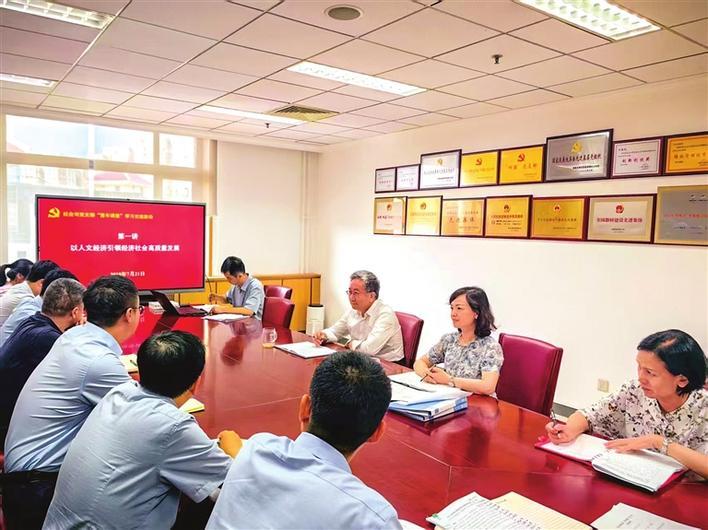
Core Insights - The "Youth Classroom" initiative launched by the National Development and Reform Commission's Social Development Department aims to cultivate and empower young cadres, enhancing their theoretical understanding and practical skills in social development [3][20] - The program has successfully conducted 13 sessions since its inception in July 2025, providing a platform for young cadres to share research and engage in discussions [4][20] Group 1: Youth Classroom Initiative - The "Youth Classroom" serves as a stage for young talents to showcase their abilities and exchange ideas, contributing to the collective wisdom and development of the department [3][4] - The initiative was initially designed to prepare young cadres for the 15th National Economic Seminar, but it has evolved to strengthen theoretical training and encourage proactive thinking around major social issues [3][4][20] - The program emphasizes the importance of cultural and economic integration, with young cadres analyzing successful and unsuccessful cultural projects to derive lessons for future initiatives [4][5] Group 2: Economic and Cultural Insights - Young cadre Wang Da highlighted the role of cultural industries as a driving force for economic development, emphasizing the need for strategic recognition of their significance [5] - The analysis of cultural projects in cities like Harbin and Zibo reveals that successful cultural initiatives can lead to sustained economic growth, while poorly executed projects may result in empty urban spaces [4][5] - Young cadre Xia Fengyang discussed the potential of sports events as a new economic driver, particularly in expanding domestic demand through models like the "Su Super" football league [6][8] Group 3: Policy Recommendations and Future Directions - Young cadre Bao Wenhan proposed a comprehensive approach to integrate education, technology, and talent development, emphasizing the need for systemic reforms to address current challenges in these areas [10] - The discussions in the "Youth Classroom" have led to actionable insights for improving public service delivery and addressing pressing social issues, aligning with the goals of the 15th Five-Year Plan [19][20] - The initiative aims to foster a new generation of capable and responsible young leaders who can contribute to high-quality social development and policy implementation [20]
刘宏达:筑牢新质生产力发展的基础性战略性支撑
Jing Ji Ri Bao· 2026-01-06 00:12
Group 1 - The core concept of the article emphasizes the importance of developing "new quality productivity" as a strategic task to support high-quality development in China, as outlined in the 14th Five-Year Plan and subsequent economic meetings [1][2] - New quality productivity is defined as an advanced state of productivity that aligns with new development concepts, driven by technological breakthroughs and innovation, transitioning labor and resources towards more intelligent and data-driven forms [2][3] - The article highlights the need for a seamless integration of education, technology, and talent development to foster a robust ecosystem that supports the growth of new quality productivity [3][4] Group 2 - The article identifies existing challenges in the integration of innovation chains, industry chains, and talent chains, noting barriers to the flow of key resources and insufficient collaboration between education and industry [3][4] - It calls for a comprehensive approach to top-level design, advocating for strategic planning and coordination among education, technology, and talent initiatives to create a supportive environment for innovation [4][5] - The establishment of collaborative innovation ecosystems involving universities, research institutions, and leading enterprises is recommended to enhance the synergy between education, technology, and talent development [5][6] Group 3 - The article proposes the optimization of evaluation mechanisms to focus on capabilities, quality, and contributions rather than traditional metrics like scores and degrees, aiming to better assess the impact of talent development and research [6] - It emphasizes the importance of creating a diverse evaluation system that includes government assessments, peer reviews, and social oversight to ensure a holistic approach to measuring success in education and innovation [6]
筑牢新质生产力发展的基础性战略性支撑
Jing Ji Ri Bao· 2026-01-05 22:49
Group 1 - The core concept of the news revolves around the "new quality productivity" proposed by Xi Jinping, emphasizing the need for a strategic approach to integrate education, technology, and talent development to support high-quality economic growth [1][2]. - The "new quality productivity" is defined as an advanced state of productivity that aligns with new development concepts, driven by technological breakthroughs and innovation, transitioning labor from physical to intelligent forms and resources from mechanical tools to digital platforms [2][3]. - The current systemic disconnect between the innovation chain, industry chain, and talent chain presents challenges in forming an efficient innovation ecosystem, highlighting barriers in resource flow and integration [3][4]. Group 2 - The need for a top-level design is emphasized, advocating for a coordinated strategy that integrates education, technology, and talent development, supported by policies and funding to create a conducive environment for innovation [4][5]. - Collaboration between higher education institutions, research organizations, and leading enterprises is encouraged to establish a synergistic innovation ecosystem, enhancing the integration of education, technology, and talent [5][6]. - A multi-faceted evaluation mechanism is proposed to assess talent development and research contributions, focusing on capabilities and quality rather than traditional metrics, to ensure effective utilization of human resources [6].